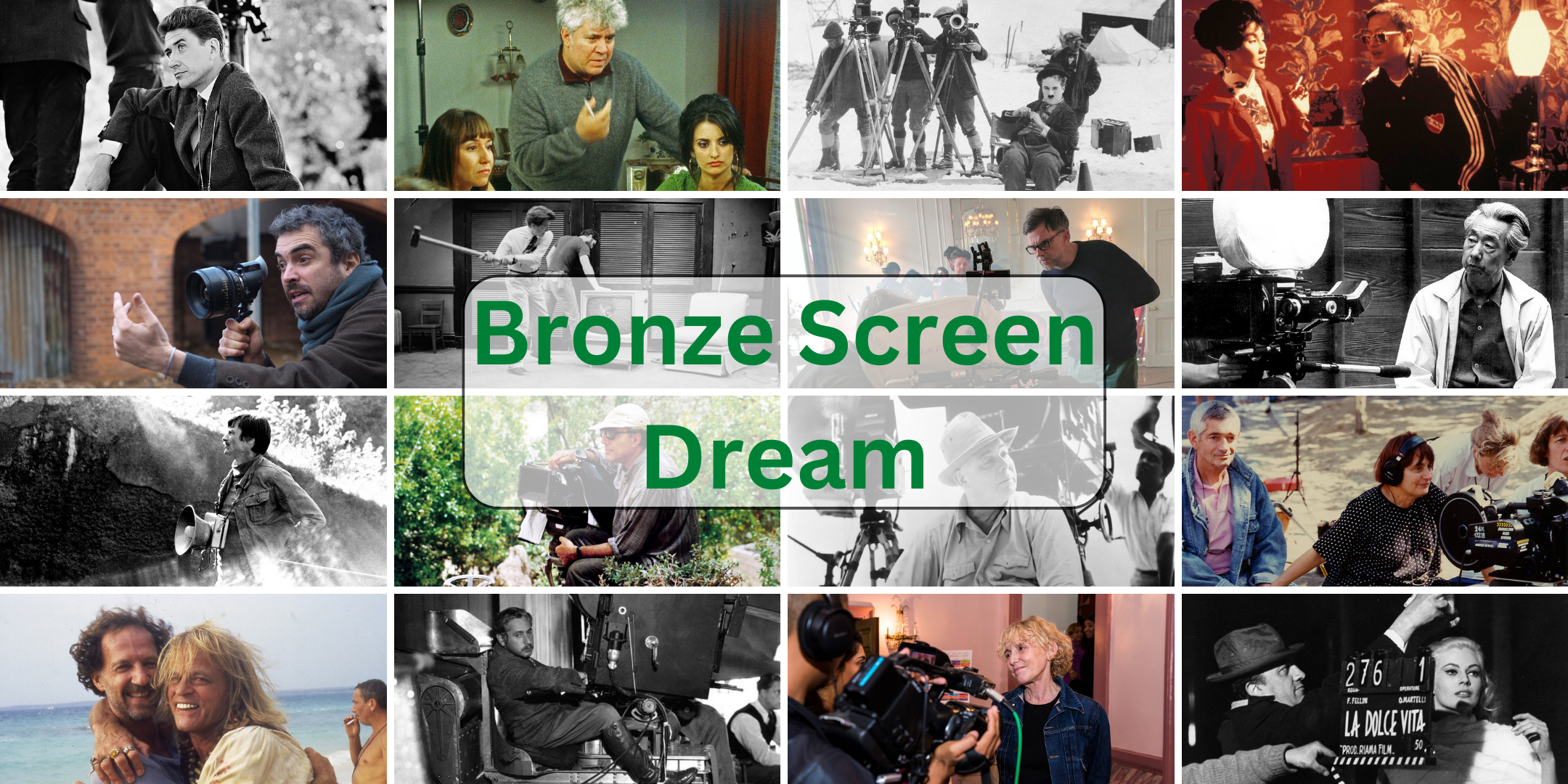

Fei Mu was a Chinese filmmaker who is widely regarded as one of the most important and influential directors in the history of Chinese cinema. His films, which often explore the social and cultural upheavals of early 20th-century China, are celebrated for their poetic, lyrical style and their deep empathy for the struggles and aspirations of ordinary people.
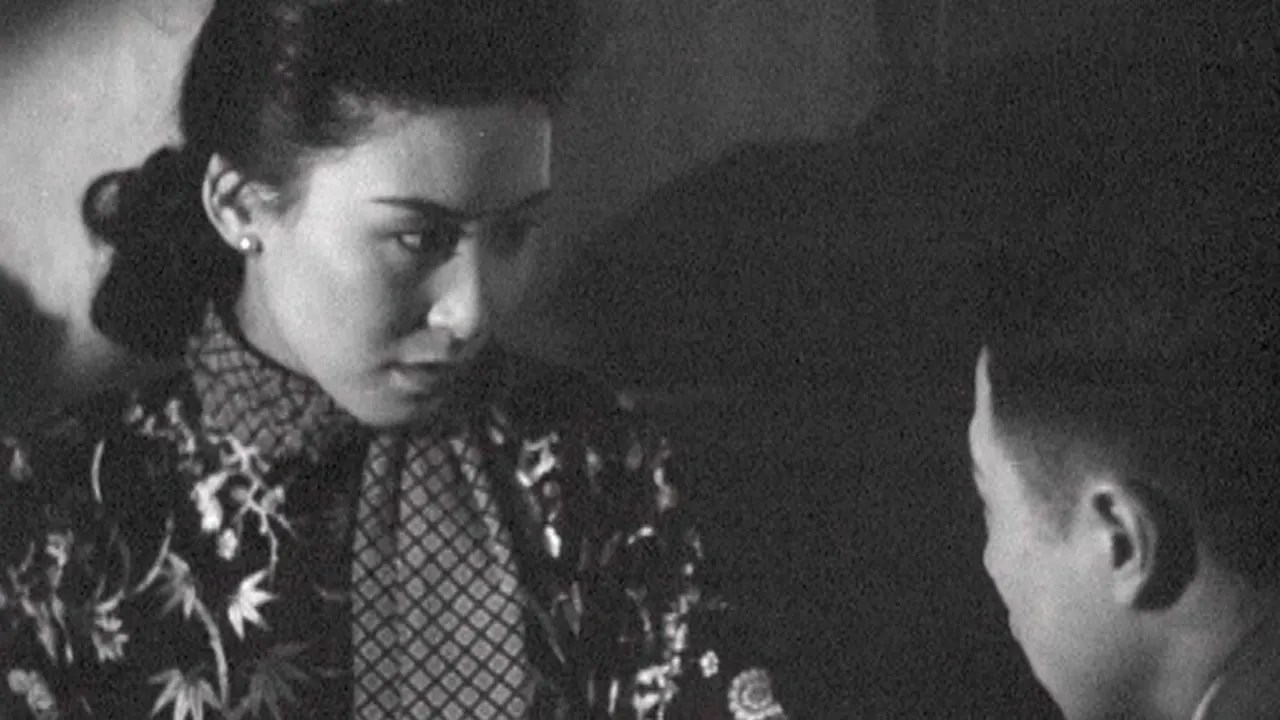
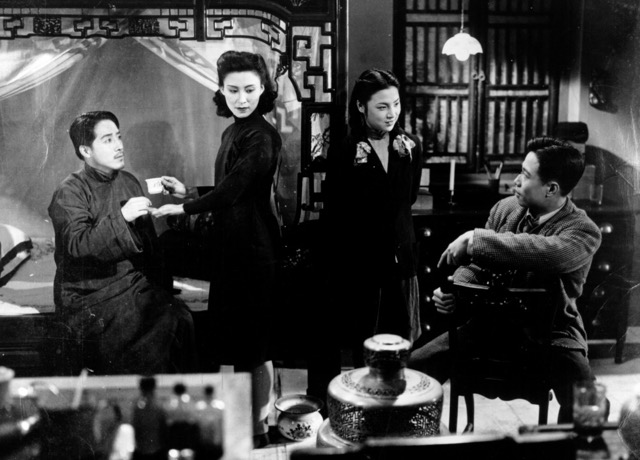
Fei Mu’s most famous film, Spring in a Small Town, is considered a masterpiece of Chinese cinema and has been widely praised for its subtle, understated beauty and its powerful emotional resonance. The film, which tells the story of a love triangle in a small town in post-war China, is notable for its innovative use of camera movement and its ability to convey complex emotions through small, intimate gestures and glances.
Fei Mu’s other films, such as Night in the City and The Bridge, also explore the themes of love, loss, and the search for meaning in a rapidly changing world. These films are notable for their realistic, unadorned style and their ability to find moments of grace and humanity in the midst of social and political upheaval.
Throughout his career, Fei Mu remained committed to the idea of cinema as a means of social and cultural critique, using his films to shed light on the problems and contradictions of Chinese society and to give voice to those who had been marginalised or oppressed. He was also a pioneering figure in the development of Chinese film theory and criticism, writing extensively on the aesthetics and politics of cinema.

Fei Mu (1906 – 1951)
Calculated Films
- Spring in a Small Town (1948)
Similar Filmmakers
- Bu Wancang
- Cai Chusheng
- Edward Yang
- Hou Hsiao-hsien
- Kenji Mizoguchi
- Li Han-hsiang
- Mikio Naruse
- Satyajit Ray
- Shen Xiling
- Shi Dongshan
- Sun Yu
- Tang Xiaodan
- Wu Yonggang
- Yasujiro Ozu
- Yuan Muzhi
- Zhang Shichuan
- Zhang Yimou
- Zheng Junli

Fei Mu’s Top Films Ranked
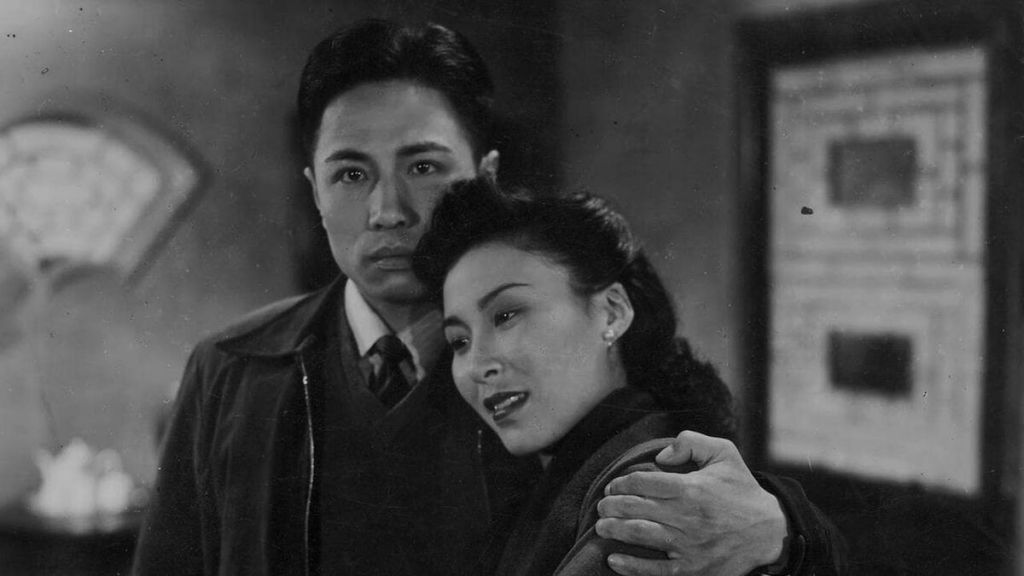
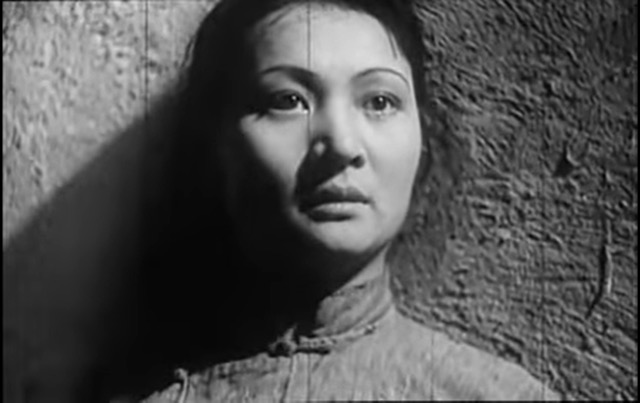
1. Spring in a Small Town (1948)
Genre: Romance, Drama
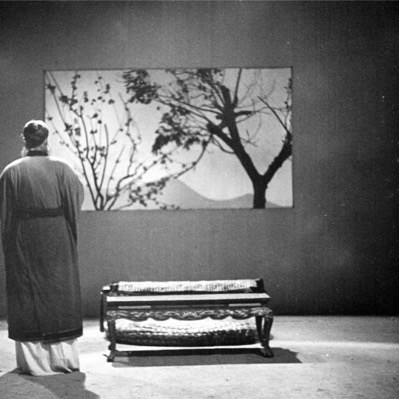
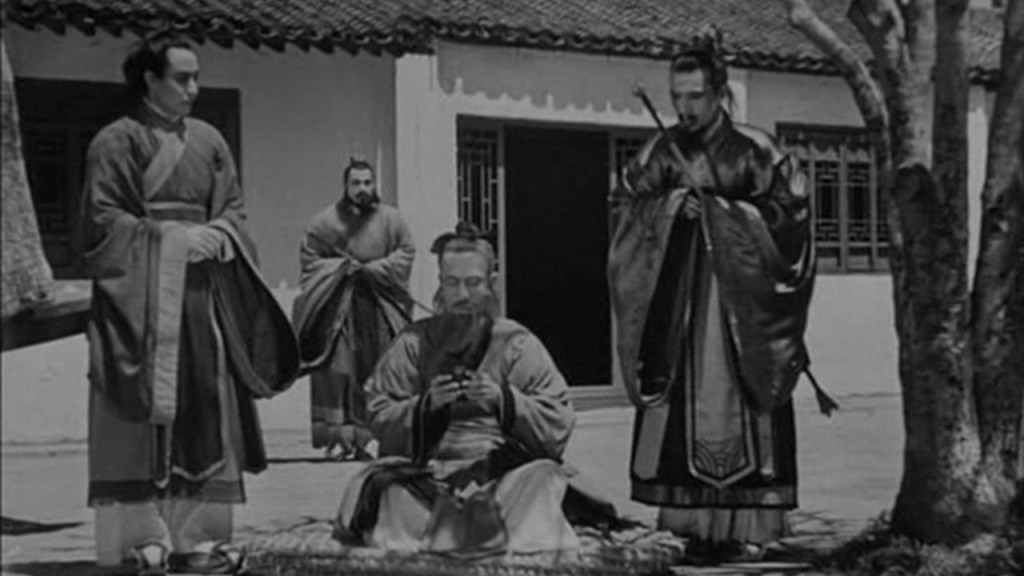
2. Confucius (1940)
Genre: Biographical, War
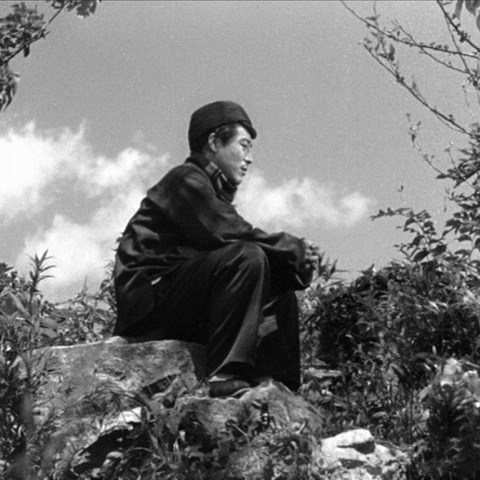
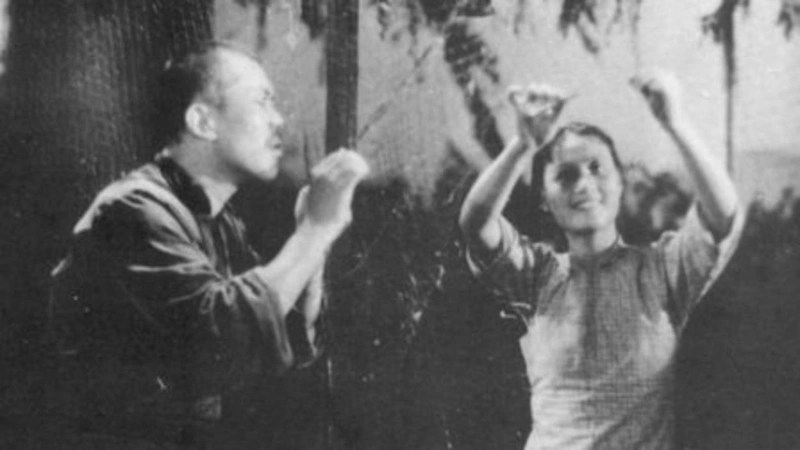
3. Blood on Wolf Mountain (1936)
Genre: Drama
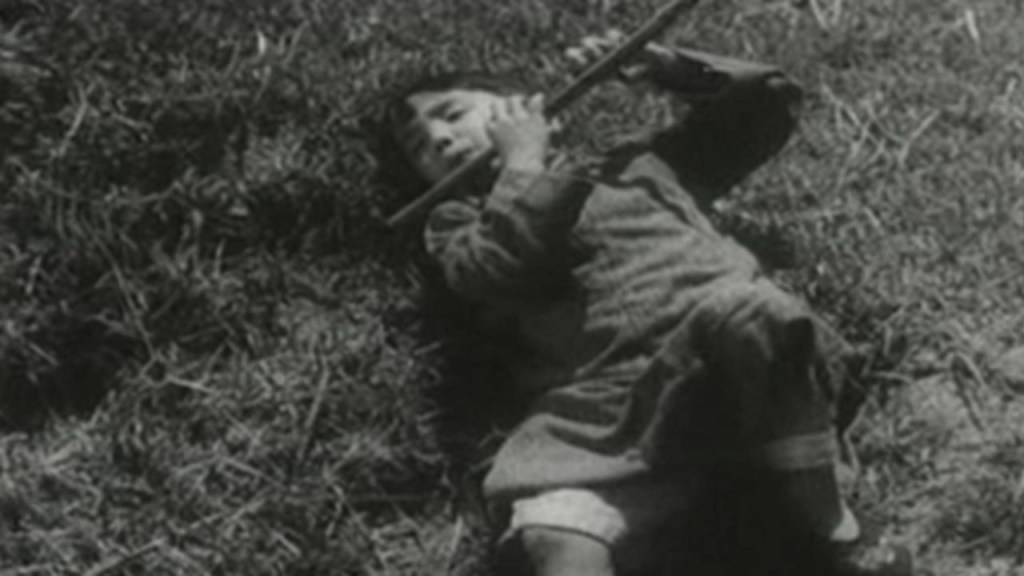
4. Song of China (1935)
Genre: Drama
Fei Mu: Themes and Style
Themes:
- Tradition vs. Modernity: Many of Fei Mu’s films explore the tension between traditional Chinese values and the encroachment of modern sensibilities. Characters often grapple with societal expectations while yearning for personal liberation.
- Human Intimacy and Alienation: Intimate relationships are central to his narratives, where characters often confront deep-seated feelings of love, betrayal, and longing juxtaposed against personal isolation or societal estrangement.
- Morality and Ethics: His films delve into moral quandaries, especially in the context of love and duty. Characters face ethical dilemmas challenging societal norms, often leaving them in introspective turmoil.
- Effects of War: The backdrop of war, particularly the Sino-Japanese conflict, provides a sombre landscape where characters navigate their struggles amidst larger societal devastation.
Styles:
- Understated Narration: Fei Mu’s storytelling leans heavily on subtlety. Instead of dramatic outbursts, emotions simmer beneath the surface, revealed in fleeting glances or quiet moments.
- Poetic Cinematography: His films have a lyrical quality, with extensive use of landscapes, symbolic imagery, and atmospheric settings that add depth to the narrative.
- Slow Pacing: Unlike mainstream cinema of his time, Fei Mu adopted a deliberate pace, allowing viewers to immerse themselves in the characters’ emotional world.
- Minimalist Aesthetics: His films are characterised by sparse use of sets, muted colour palettes (especially notable in Spring in a Small Town), and restrained performances. This minimalism accentuates the emotional tension.
Directorial Signature:
- Character Depth: Fei Mu’s protagonists are complex, layered individuals. His films spend significant time on character development, enabling audiences to empathise deeply with their internal conflicts.
- Emphasis on the Unspoken: Dialogue is often secondary in his films. He leans heavily on visual cues, ambient sound, and actor expressions to convey deeper meanings.
- Contextual Set Pieces: Instead of grand set pieces or dramatic climaxes, Fei Mu often uses everyday settings imbued with symbolic significance. For instance, a dilapidated garden or an old city wall can become central elements in his narrative.
- Nuanced Portrayal of Women: Women in his films are multifaceted, often torn between personal desires and societal duties. Their portrayal is empathetic and complex, a departure from some contemporaneous cinema that relegated women to one-dimensional roles.
Fei Mu – Great Director

 Bronze Screen Dream