

Friedrich Wilhelm “F.W.” Murnau was a German director and key figure of the silent film era revered for his role in developing cinematic language and his contributions to German Expressionism. Though cut short by his early death, his filmography is marked by innovative camera techniques, powerful visual storytelling, and the exploration of universal themes. His most celebrated works include Nosferatu, The Last Laugh, and Sunrise: A Song of Two Humans, each regarded as classics in their own right and showcasing Murnau’s unique vision and innovative style.
Born in Bielefeld, Germany, in 1888, Murnau served as a combat pilot during World War I before embarking on his filmmaking career. His early life was heavily influenced by theatre, and he started his career on stage, which greatly shaped his cinematic style. His transition to film in the early 1920s marked a significant period in German cinema, with his distinctive style and narrative innovations coming to define the German Expressionist movement.
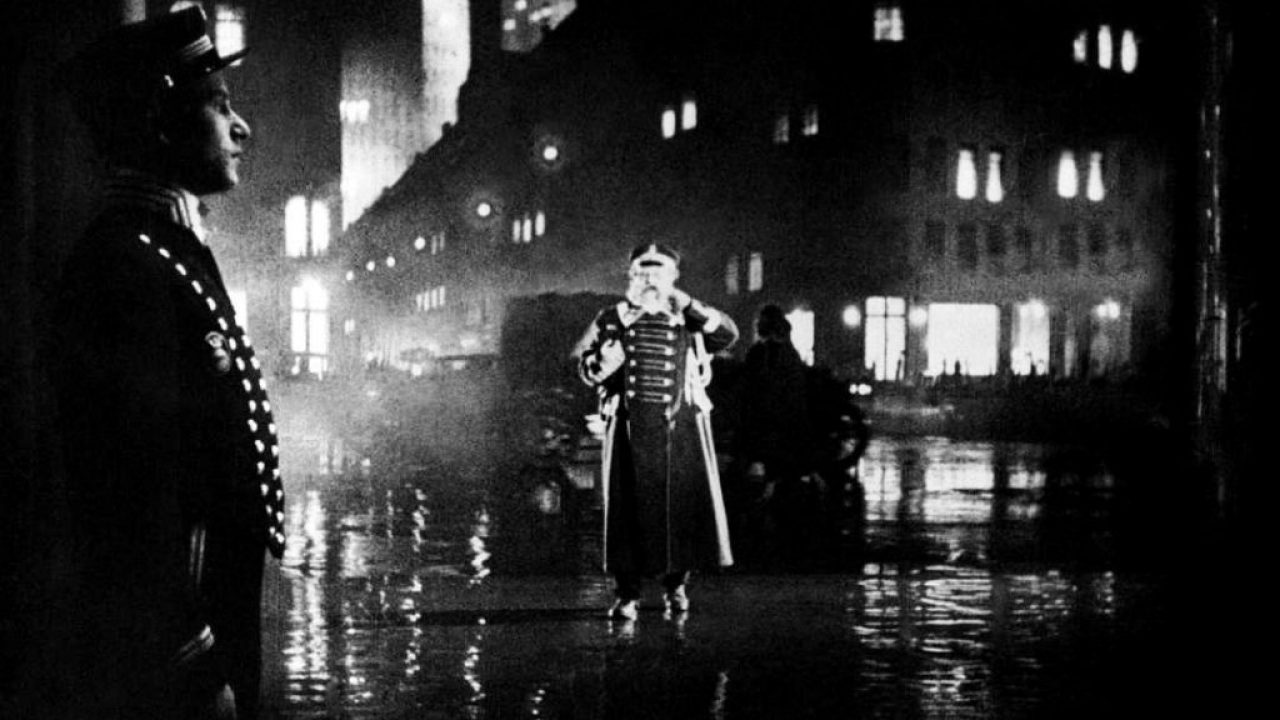
Murnau’s works are renowned for their stylistic elements of German Expressionism, featuring distorted sets, stark contrasts of light and shadow, and an emphasis on inner emotional reality. This can be observed in his 1922 horror classic, Nosferatu, which uses these visual tools to evoke a haunting, dreamlike quality. Alongside these stylistic elements, Murnau was a pioneer in his use of the camera, often employing complex tracking shots, unusual angles, and, most famously, the ‘unchained camera’ technique. This innovation, used extensively in The Last Laugh, allowed the camera to move freely around the set, enhancing the film’s visual storytelling and emotional impact.
The First Major Transatlantic Director
Murnau’s approach to filmmaking heavily emphasised visual storytelling, often minimising the use of intertitles. This technique, combined with his innovative camera use, created a potent visual language that communicated complex narratives and emotional states. Additionally, his films frequently tackled universal human themes such as love, fear, and death, lending his works a timeless quality. This approach is particularly evident in Sunrise: A Song of Two Humans, a film celebrated for its narrative, technical innovation, and exploration of love and redemption.
In the mid-1920s, Murnau was one of the first major German filmmakers to transition to Hollywood, where his impact on filmmaking continued. This new phase of his career further showcased his technical skills and narrative innovations. During this period, his collaboration with screenwriter Carl Mayer was instrumental, with Mayer co-writing some of Murnau’s most important films and significantly contributing to their thematic and aesthetic makeup.
Despite his untimely death at the age of 42, Murnau’s legacy is substantial, with his groundbreaking work continuing to shape and inspire the world of cinema. His influence can be traced to the works of various directors, such as Werner Herzog, who remade Nosferatu in 1979, and David Lynch, known for his own unique visual storytelling. Additionally, internationally acclaimed directors like Sweden’s Ingmar Bergman and Japan’s Akira Kurosawa have acknowledged Murnau’s influence. His pioneering contributions to visual language, narrative structure, and cinematic style have solidified his place in film history, marking him as one of the most important figures in early cinema.

F. W. Murnau (1888 – 1931)
Calculated Films:
- The Haunted Castle (1921)
- Nosferatu (1922)
- Phantom (1922)
- The Burning Soil (1922)
- The Last Laugh (1924)
- Faust (1926)
- Sunrise: A Song of Two Humans (1927)
- City Girl (1930)
- Tabu (1931)
Similar Filmmakers
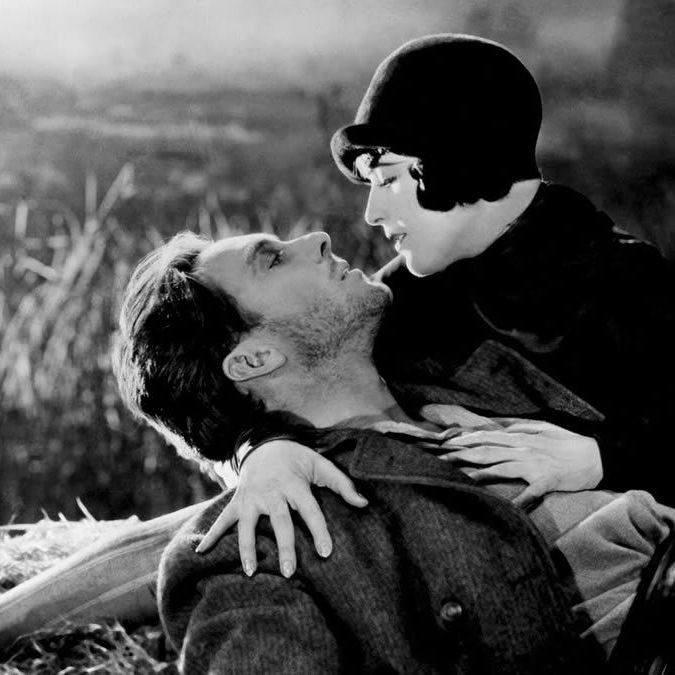


F. W. Murnau’s Top 10 Films Ranked
1. Sunrise: A Song of Two Humans (1927)
Genre: Romance, Melodrama

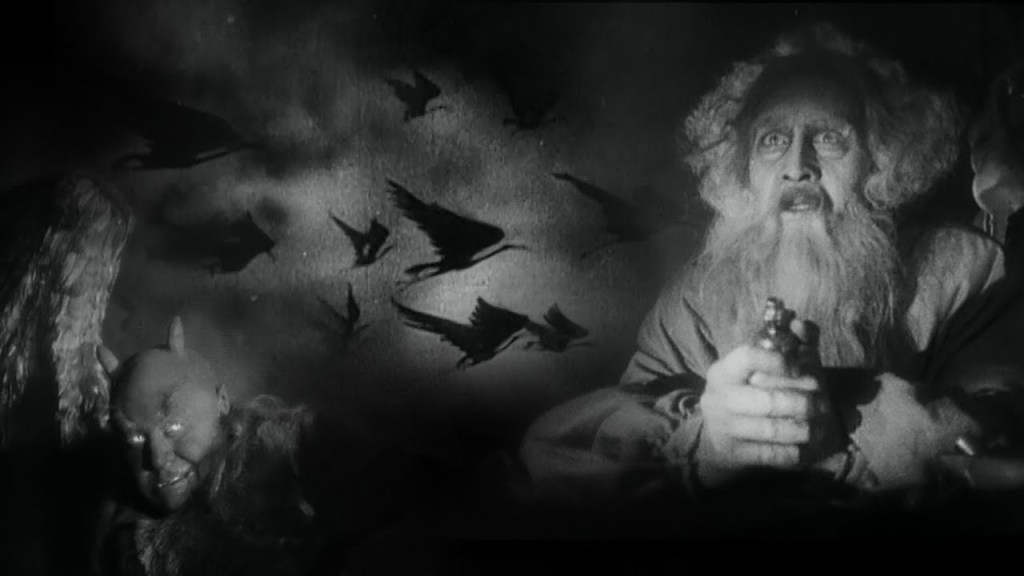
2. Faust (1926)
Genre: Fantasy, Tragedy, Medieval, Gothic
3. The Last Laugh (1924)
Genre: Psychological Drama

4. Nosferatu (1922)
Genre: Vampire, Gothic Horror

5. City Girl (1930)
Genre: Romance, Melodrama, Family Drama
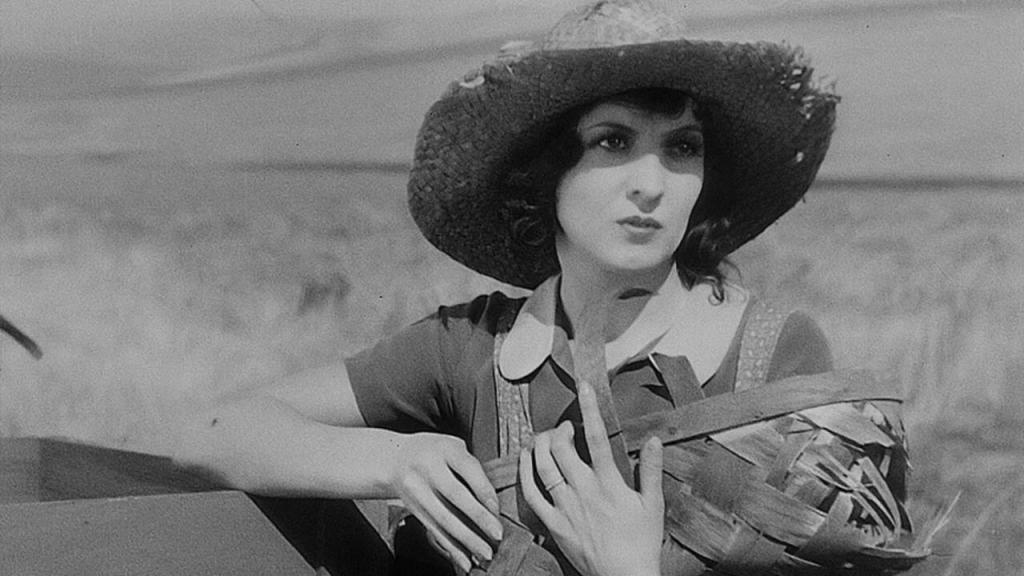
6. Tabu (1931)
Genre: Romance, Adventure, Drama, Ethnofiction

7. The Burning Soil (1922)
Genre: Drama

8. Tartuffe (1925)
Genre: Satire
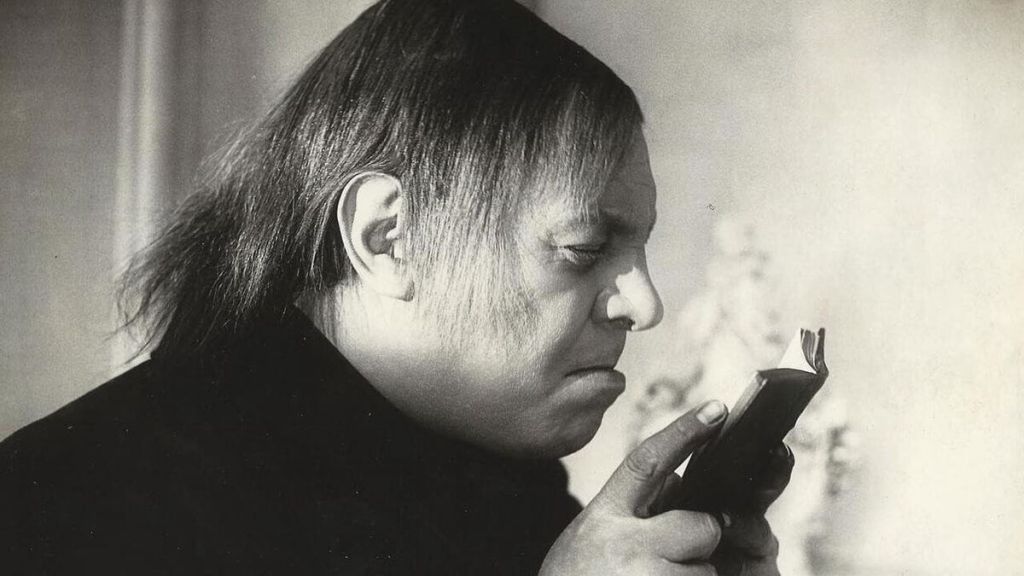
9. Phantom (1922)
Genre: Drama, Romance

10. The Finances of the Grand Duke (1924)
Genre: Comedy

F. W. Murnau: Themes and Style
Themes:
- Mysticism and the Supernatural: Many of Murnau’s films delve into the world of the unknown, evident in his masterpieces like Nosferatu and Faust.
- Nature and Environment: Murnau used landscapes and settings not just as backdrops but as characters and narrative tools. For instance, the vastness of the sea in Tabu and the ominous shadows in Nosferatu intensify the mood.
- Human Nature and Morality: He was deeply interested in exploring the complexities of human behaviour, particularly the internal struggle between good and evil, as evident in Faust and Sunrise.
- Romance and Tragedy: Many of his films carry a melancholic undertone, portraying tragic love stories or personal sacrifices.
Styles:
- Expressionist Filmmaking: Murnau was part of the German Expressionist movement. This style is characterised by high-contrast lighting, distorted sets, and exaggerated makeup, aiming to externalise internal emotions and states of mind.
- Innovative Camera Techniques: Murnau was a pioneer in using moving camera shots, especially the “unchained” or “floating” camera technique, most famously employed in The Last Laugh and Sunrise.
- Use of Shadows: His films often utilised shadows to create suspense, atmosphere, and narrative depth. Nosferatu is a perfect example where shadows bring the vampire to life.
- Minimal Intertitles: Especially in The Last Laugh, Murnau relied on visuals rather than intertitles, allowing the narrative to unfold visually.
- Deep Focus Photography: Murnau employed deep focus shots that kept both the foreground and background sharp, which allowed viewers to feel a deeper sense of space and environment.
Directorial Signature:
- Atmosphere Creation: Murnau was adept at creating dense atmospheric worlds. Whether it was the foreboding environment in Nosferatu or the romantic aura in Sunrise, the atmosphere was always a key component of his storytelling.
- Character Depth: Even without the aid of dialogues (since it was the silent era), Murnau’s characters had profound depth and complexity. Their emotions and conflicts were palpable through visuals alone.
- Meticulous Composition: Each frame in a Murnau film was like a carefully crafted painting, with every element, from props to actors, precisely positioned.
- Collaboration with Set Designers: Murnau’s films, especially those from his Expressionist period, had stylised and distorted sets. His association with designers was pivotal in creating these dreamlike, sometimes nightmarish, environments.
- Narrative Pacing: Murnau’s films had a rhythmic quality. He built tension slowly, culminating in emotionally charged climaxes.
F. W. Murnau: The 39th Greatest Director


 Bronze Screen Dream