

Errol Morris is an American filmmaker whose spellbinding documentaries delve into profound explorations of complex subjects and enigmatic personalities, as evidenced in films like The Thin Blue Line and The Fog of War. The former served as a groundbreaking investigation into a murder case, famously aiding in the release of a wrongly convicted man, while the latter offered a profound examination of war and morality, featuring a deeply insightful conversation with former U.S. Secretary of Defense Robert S. McNamara.
Morris’s filmography stands out due to his distinctively innovative approach to non-fiction storytelling. Veering away from the traditional cinema verite style, he embraces a more stylised method using atmospheric lighting, evocative musical scores, and reenactments to accentuate the emotional underpinnings of his narratives. His films exhibit a particular fascination with complex, often obsessive individuals, their unique mindscapes serving as fascinating focal points of his documentaries. This compelling exploration of intricate thought processes, as showcased in Mr Death: The Rise and Fall of Fred A. Leuchter, Jr., transforms his films into richly layered philosophical inquiries.
Morris’s visual style is as unique as it is riveting, further solidifying his reputation as a cinematic trailblazer. His pioneering use of the Interrotron, a device enabling subjects to maintain eye contact with him while looking directly into the camera, leads to remarkably personal and candid interviews, a distinct signature of his work. This innovative approach, as seen in Fast, Cheap & Out of Control, together with his exploration of subjective truth and the human condition, has significantly influenced the documentary genre. As a visual poet of the highest order, Errol Morris has woven an influential tapestry in the realm of documentary cinema, continuously challenging and expanding its boundaries. His career encapsulates an unwavering commitment to exploring and exposing the intricacies of reality, one captivating frame at a time.
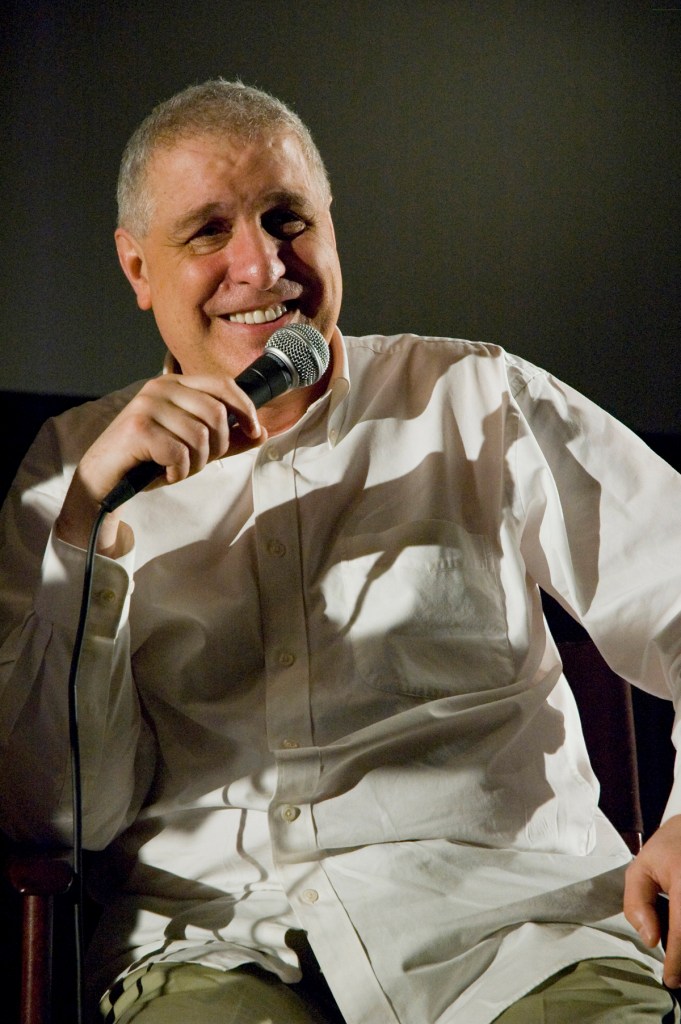
Errol Morris (1948- -)
Calculated Films:
- Gates of Heaven (1978)
- Vernon, Florida (1981)
- The Thin Blue Line (1988)
- Fast, Cheap and Out of Control (1997)
- The Fog of War (2003)
Similar Filmmakers
- Adam Curtis
- Alex Gibney
- Albert Maysles & David Maysles
- Andrew Jarecki
- Ari Folman
- Claude Lanzmann
- D.A. Pennebaker
- Frederick Wiseman
- Gianfranco Rosi
- Joshua Oppenheimer
- Kirsten Johnson
- Les Blank
- Michael Moore
- Nick Broomfield
- Penny Lane
- Ross McElwee
- Werner Herzog
- Wim Wenders


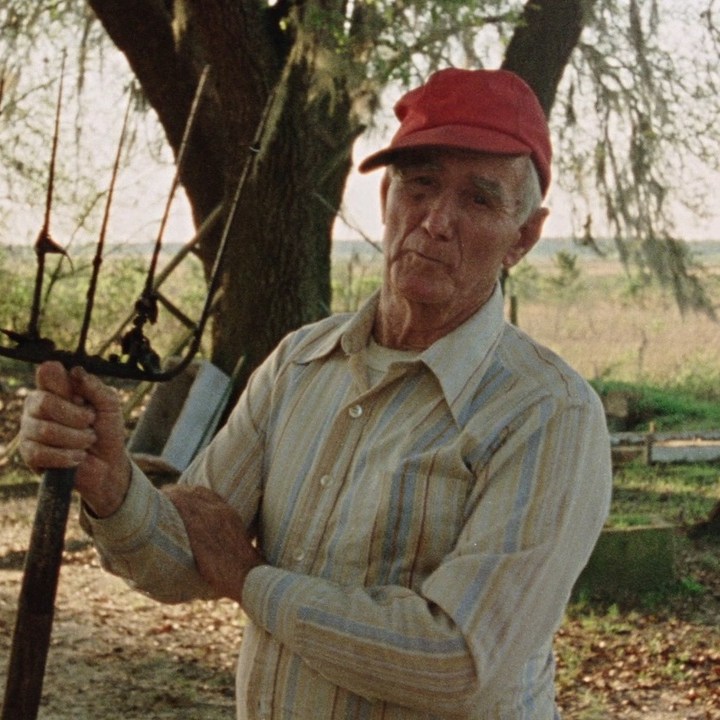
Errol Morris’ Top 5 Films Ranked
1. The Thin Blue Line (1988)
Genre: Crime Documentary, Investigative Documentary

2. The Fog Of War (2003)
Genre: War Documentary, Biography Documentary, Political Documentary
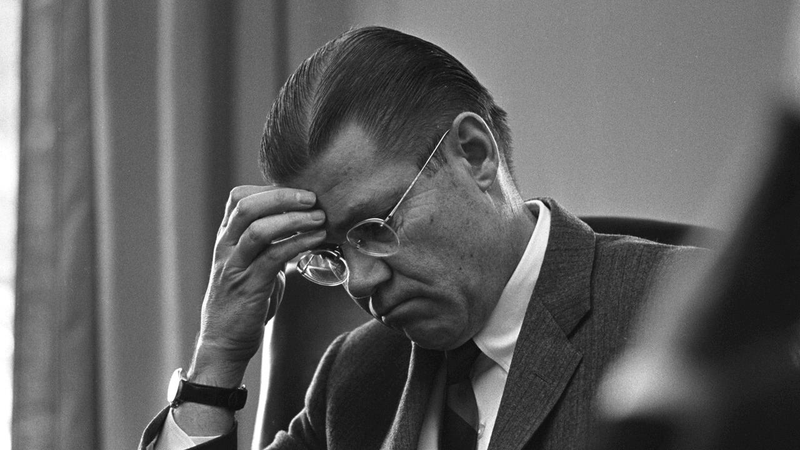
3. Gates of Heaven (1978)
Genre: Documentary
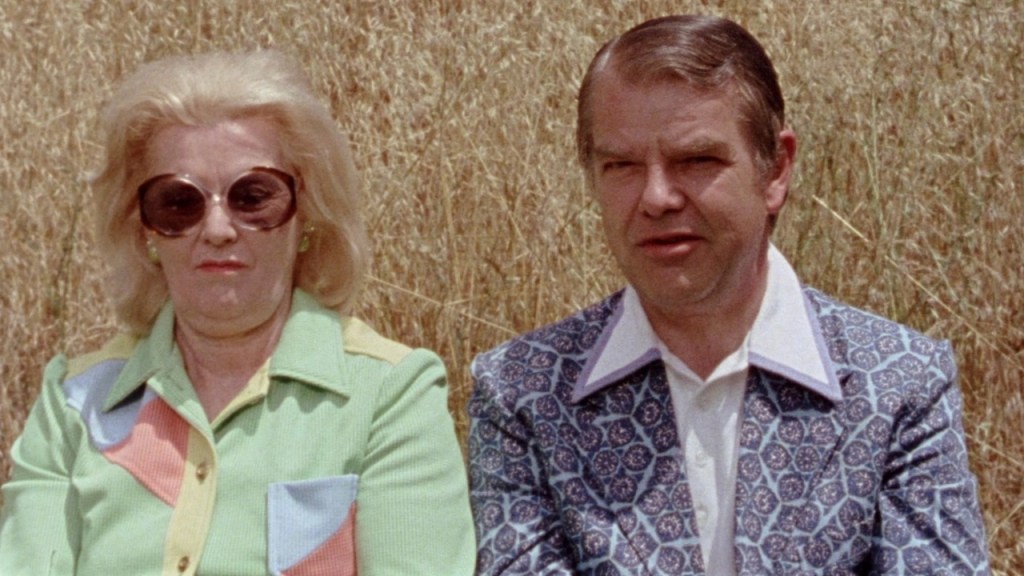
4. Vernon, Florida (1981)
Genre: Documentary, Slice of Life
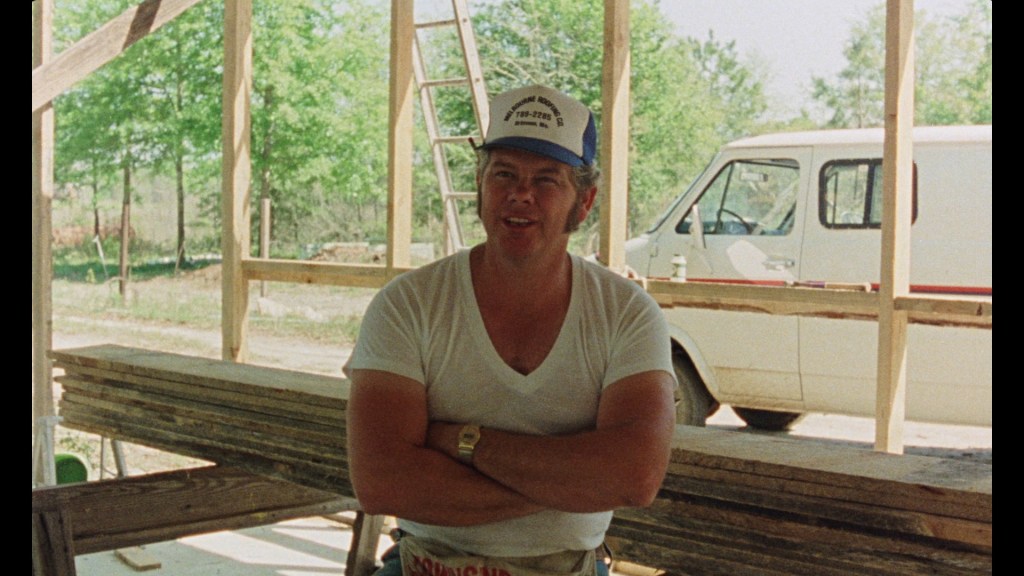
5. Fast, Cheap & Out Of Control (1997)
Genre: Documentary

Errol Morris: Themes and Style
Themes:
- Truth and Perception: Many of Morris’s films, such as The Thin Blue Line and Standard Operating Procedure, grapple with the nature of truth and the fallibility of human perception. He examines how different individuals perceive the same event and the implications of those differing perceptions of justice and reality.
- Obsession: In films like Fast, Cheap & Out of Control and Mr. Death, Morris showcases individuals with unique, sometimes bizarre obsessions, illustrating how these obsessions shape their lives and worldviews.
- The Nature of Knowledge: The Fog of War is a deep dive into the complexities of decision-making and the moral implications of those choices. It questions how much we can truly know and how we act based on that knowledge.
Styles:
- Interrotron Technique: Perhaps his most famous innovation, the Interrotron, is a two-way mirror system. It allows interviewees to maintain eye contact with Morris while simultaneously looking directly into the camera lens. This creates a more intimate and direct connection between the subject and the viewer.
- Re-enactments: Morris often uses dramatic re-enactments to visualise events, especially when archival footage isn’t available or doesn’t convey the emotional depth required. The Thin Blue Line made significant use of this technique.
- Eclectic Soundtracks: His films often feature unexpected, atmospheric, and poignant musical choices, adding layers of emotional resonance. The minimalist compositions of Philip Glass in The Thin Blue Line are a prime example.
- Collage of Imagery: Morris frequently intermixes varied visual sources, from home movies and archival footage to abstract imagery and re-enactments, to create a rich tapestry that complements his narratives.
Directorial Signature:
- Intellectual Curiosity: Whether discussing pet cemeteries or probing the memories of former Secretary of Defense Robert McNamara, Morris approaches each subject with genuine curiosity, avoiding judgment and allowing subjects to reveal themselves.
- Minimalist Aesthetic: While his subject matters can be complex, Morris often opts for a clean, minimalist presentation, with subjects speaking directly to the camera, minimal distractions, and a focus on the human narrative.
- Empathy for the Marginalized: Morris often gives voice to the sidelined or misunderstood, whether it’s a lion tamer, a topiary gardener, or a man wrongly accused of murder.
- Challenging Established Narratives: Whether shedding light on a miscarriage of justice in The Thin Blue Line or revealing the complexities of a vilified figure like Robert McNamara in The Fog of War, Morris often challenges the audience’s preconceived notions and the established narrative.
Errol Morris – The 256th Greatest Director


 Bronze Screen Dream