

Emir Kusturica, a Serbian filmmaker, musician, and author, is renowned for his distinctively vibrant and often chaotic cinematic style. The Palme d’Or winner is best known for his groundbreaking films like When Father Was Away on Business, Underground, and Time of the Gypsies, showcasing his distinct perspective on the world, imbued with eccentric characters and surrealist elements.
Kusturica’s journey into filmmaking began at the renowned FAMU film school in Prague, where he developed his craft and passion for storytelling. His debut feature, Do You Remember Dolly Bell?, offered the first glimpse of his unique style, marrying social commentary with absurdist humour and magical realism, a signature that would define his subsequent works.
Recurring themes in Kusturica’s films encompass the complexities of Yugoslav history, cultural identity, and human resilience amidst political tumult. He is especially recognised for his nuanced portrayal of Romani culture and individuals living on the margins of society, as seen in Time of the Gypsies. His films often blur the line between reality and fantasy, injecting real-world narratives with dreamlike sequences and exaggerated characters.
The Surrealist Heartbeat of a Balkan Auteur
Kusturica’s visual style is an exhilarating blend of surrealism, comedy, and the grotesque, marked by long tracking shots, extravagant set pieces, and lively musical scores. This aesthetic and his penchant for casting non-professional actors contribute to an immersive viewing experience. A prime example is Underground, which uses a vaudevillian style and metaphorical narrative to explore the historical trauma of Yugoslavia.
Regarding influence, Kusturica’s style has inspired both local and international filmmakers, from Mexican director Alejandro González Iñárritu to Greek filmmaker Yorgos Lanthimos. His audacious narrative choices and unorthodox visual style have left an indelible mark on world cinema. While his work has sparked controversy due to its political undertones and portrayal of Balkan history, his influence on surrealistic and transgressive cinema remains undeniable. Kusturica’s work is a testament to the power of film as a medium of social commentary and imaginative storytelling.

Emir Kusturica (1954 –)
Calculated Films:
- Do You Remember Dolly Bell? (1981)
- When Father Was Away On Business (1985)
- Time of the Gypsies (1988)
- Arizona Dream (1993)
- Underground (1995)
- Black Cat, White Cat (1998)
Similar Filmmakers
- Aki Kaurismaki
- Aleksandar Petrovic
- Aleksandr Sokurov
- Andrei Tarkovsky
- Cristi Puiu
- Dusan Kovacevic
- Federico Fellini
- Goran Marković
- Goran Paskaljević
- Guillermo del Toro
- Lordan Zafranovic
- Pedro Almodovar
- Slobodan Sijan
- Srdan Dragojevic
- Terry Gilliam
- Theo Angelopoulos
- Tony Gatlif
- Želimir Žilnik

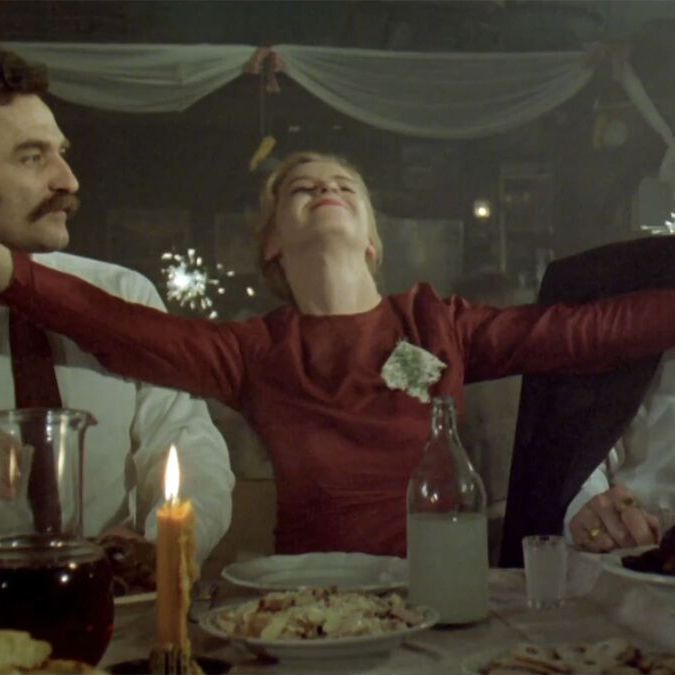

Emir Kusturica’s Top 10 Films Ranked
1. Underground (1995)
Genre: Black Comedy, War, Drama, Satire, Magical Realism
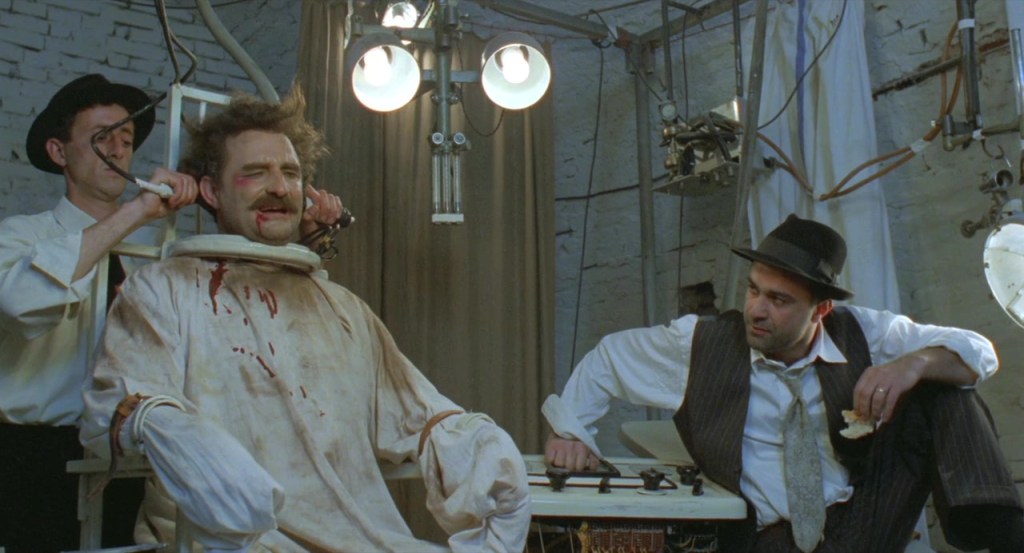
2. Time of the Gypsies (1988)
Genre: Drama, Crime, Coming-of-Age
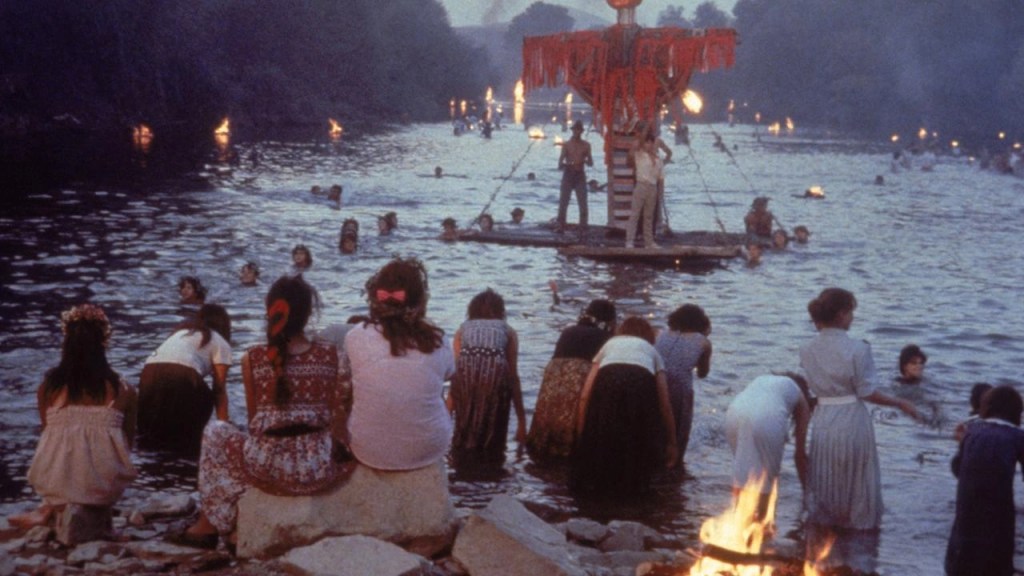
3. Black Cat, White Cat (1998)
Genre: Comedy, Satire
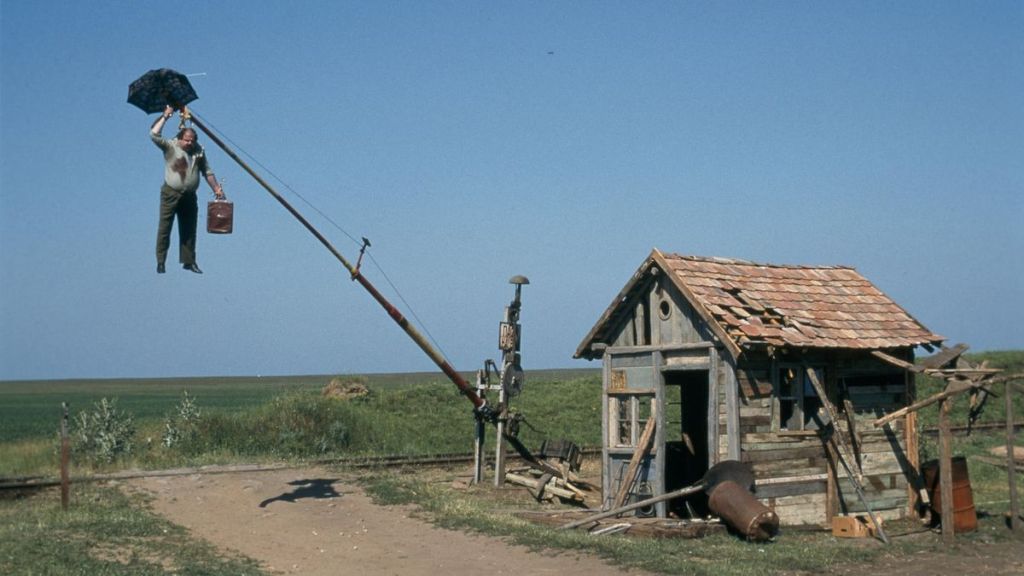
4. When Father Was Away On Business (1985)
Genre: Coming-of-Age, Drama, Comedy

5. Do You Remember Dolly Bell (1981)
Genre: Coming-of-Age, Drama, Comedy

6. Arizona Dream (1993)
Genre: Drama, Black Comedy, Magical Realism

7. Life is a Miracle (2004)
Genre: War, Romance, Comedy, Melodrama

8. Promise Me This (2007)
Genre: Comedy, Coming-of-Age, Black Comedy
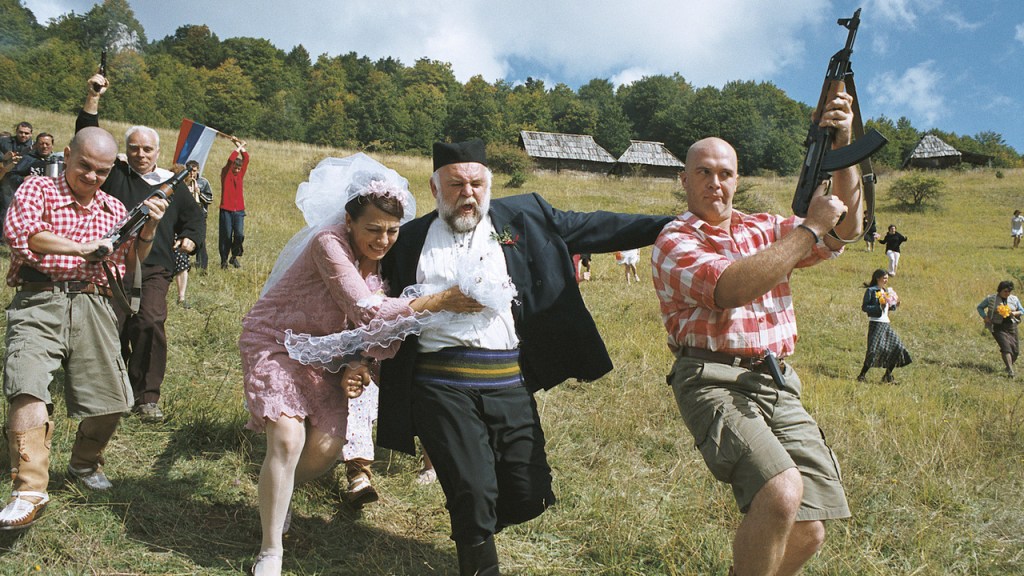
9. El Pepe: A Supreme Life (2018)
Genre: Political Documentary, Biography Documentary
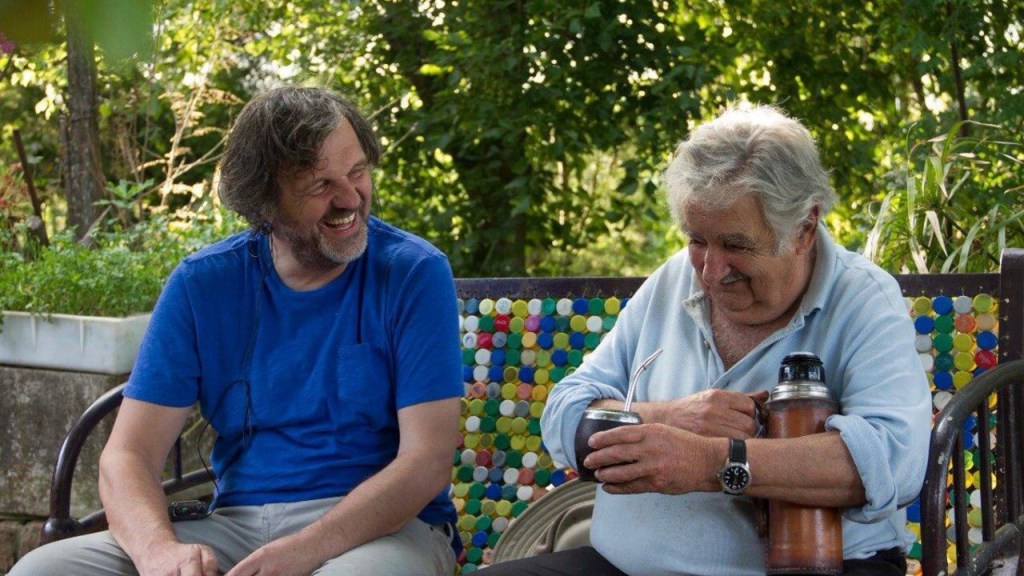
10. Maradonna by Kusturica (2008)
Genre: Sports Documentary, Biography Documentary

Emir Kusturica: Themes and Style
Themes:
- Magical Realism: Kusturica often employs magical realism, blending fantastical elements with the ordinary to explore the complexity and whimsy of life. This technique allows him to portray a heightened reality where the mystical seamlessly coexists with the mundane.
- Balkan Identity & Culture: Many of his films serve as a canvas reflecting the rich tapestry of Balkan identity, history, and cultural nuances. Kusturica delves deep into the region’s ethos, expressing its vibrancy, conflicts, and the indomitable spirit of its people.
- War and Displacement: The director frequently addresses the themes of war, displacement, and the socio-political turmoil in the Balkans. He doesn’t shy away from showcasing the tragic consequences of conflict while also infusing his narratives with humour and hope.
- Community and Family: His films often centre around the dynamics within communities and families, exploring relationships, traditions, and the intricacies of interpersonal connections. Kusturica celebrates the support and conflicts inherent in close-knit groups.
Styles:
- Visual Aesthetic: Kusturica is known for his unique visual style, incorporating vibrant, often chaotic imagery with a keen attention to detail. His scenes are filled with lively action, colourful settings, and memorable character designs.
- Musical Integration: Music plays a pivotal role in his films, often serving as a character in its own right. The director frequently incorporates traditional Balkan and Gypsy music, using it to underscore the emotional beats of the narrative and enhance the atmosphere.
- Non-linear Storytelling: He often utilises non-linear storytelling techniques, creating a tapestry of interconnected narratives and timelines. This approach allows for a more immersive and dreamlike experience for the audience.
Directorial Signature:
- Ensemble Cast: Kusturica often works with ensemble casts, skillfully balancing multiple characters and their individual stories within the larger narrative framework. He has the ability to draw out memorable performances, creating characters that are both relatable and larger than life.
- Dark Humour: One of his signatures is the infusion of dark, often absurd, humour into his films. Even when dealing with tragic or complex subjects, Kusturica’s work often features comedic elements that highlight the absurdity and joy of life.
- Cinematic Poetry: His work is characterised by a form of cinematic poetry where visuals, music, and narrative come together to create an evocative and emotionally rich experience. Every frame in a Kusturica film is carefully composed to convey depth, meaning, and atmosphere.
- Cultural Authenticity: Kusturica takes great care to present an authentic depiction of Balkan culture, showcasing the region’s traditions, music, and way of life with respect and affection. His films serve as a window into the Balkans, offering audiences a glimpse into its soul.
Emir Kusturica: The 154th Greatest Director


 Bronze Screen Dream