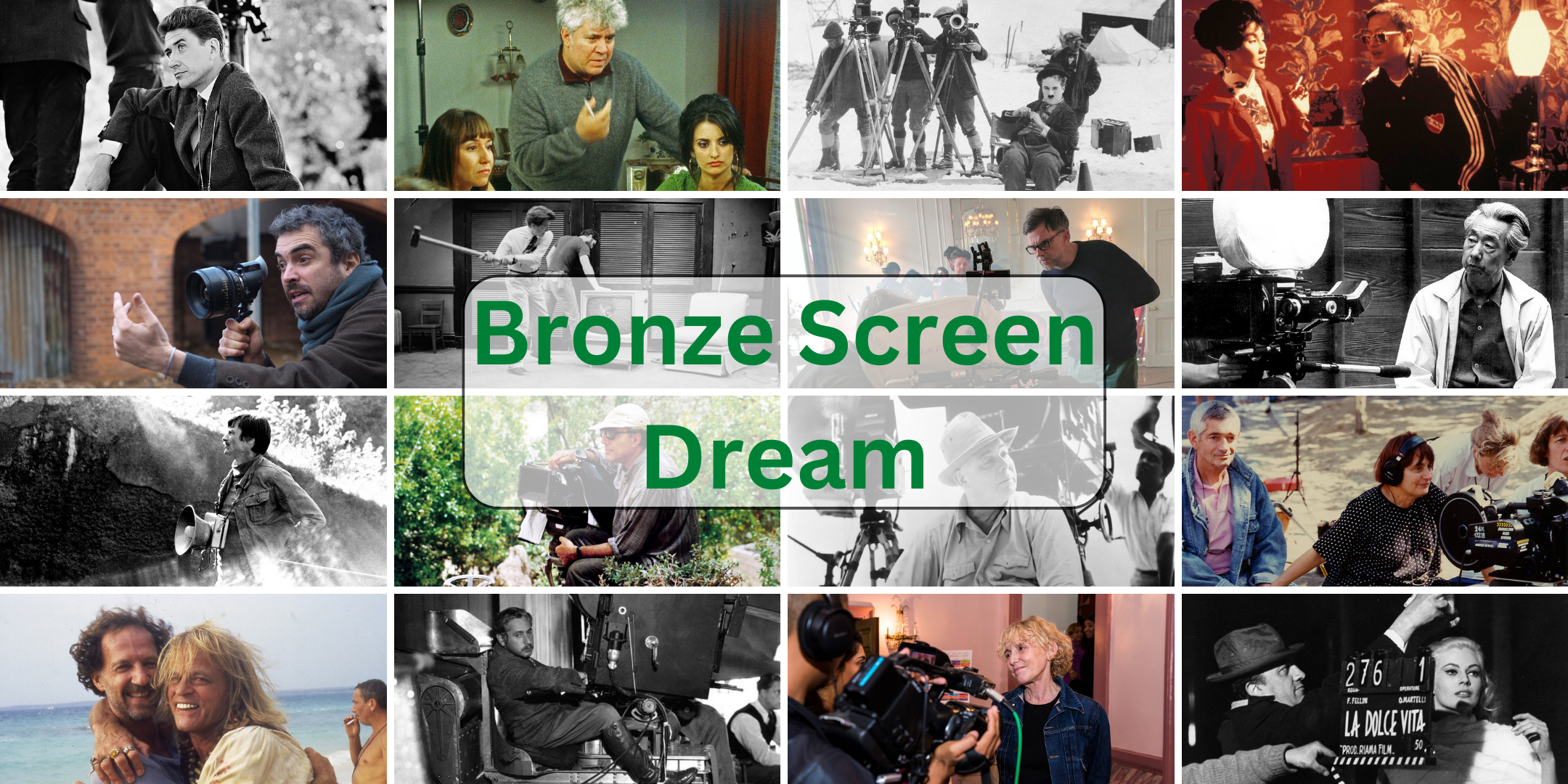

Edward Yang, a Taiwanese filmmaker, is a highly regarded figure in the world of cinema, best known for his contributions to the Taiwanese New Wave movement in the 1980s and 90s. His exploration of Taiwan’s unique cultural and political milieu, particularly in the rapidly globalising city of Taipei, positioned him as a compelling chronicler of modernity and urbanism. With seminal works like A Brighter Summer Day and Yi Yi, Yang created immersive narratives marked by complexity and meticulous attention to detail, which have significantly impacted the cinematic landscape.
Born into a generation that lived through a period of significant transformation in Taiwan, Yang studied in the United States before returning to his home country to engage with its cultural evolution through film. This blend of Western education and Eastern heritage contributed to the unique perspective that Yang brought to his films, presenting a vivid portrait of a society caught between tradition and modernity, with an acute focus on urban environments and their effect on individuals and families.
Yang’s films are known for their complex narratives, involving multiple characters and intertwining storylines, offering a comprehensive examination of various aspects of Taiwanese society. In A Brighter Summer Day, Yang orchestrates a large ensemble cast to tell a tragic story of youth and gang violence, while in Yi Yi, he deftly intertwines the lives of three generations of a Taipei family to present a poignant exploration of love, life, and loneliness.
The Leader of the Taiwanese New Wave
His attention to detail, in both visual and narrative aspects, further underscores Yang’s unique storytelling approach. From precise set design and costume choices to carefully composed shots, Yang created a rich, immersive atmosphere that enhanced his narratives’ depth. He often used long takes and real-time sequences, lending his films a layer of realism and immersion. Yang’s use of music, spanning pop to traditional scores, often served to highlight cultural shifts and his characters’ emotional states.
The themes of youth and family are recurrent in Yang’s films, reflecting the societal and generational conflicts within Taiwan. His depiction of these themes often comes with a bittersweet edge, as he doesn’t shy away from portraying the challenges of maintaining familial bonds amid the external pressures of modern life. This focus is particularly prominent in Yi Yi, where the film explores each family member’s struggles within the wider context of contemporary urban existence.
Despite his relatively short filmography, Yang’s influence on contemporary cinema is considerable in Taiwan and globally. His work has inspired filmmakers worldwide, including Lee Chang-dong and Apichatpong Weerasethakul. He received critical acclaim during his career, with Yi Yi earning him the Best Director award at Cannes in 2000. Following his untimely death in 2007, Yang’s reputation has continued to grow, with his films receiving restorations and screenings that keep his visionary storytelling alive and impactful.

Edward Yang (1947 – 2007)
Calculated Films:
- That Day on the Beach (1983)
- Taipei Story (1985)
- Terrorizers (1986)
- A Brighter Summer Day (1991)
- A Confucian Confusion (1994)
- Mahjong (1996)
- Yi Yi (2000)
Similar Filmmakers
- Ang Lee
- Ann Hui
- Chang Tso-chi
- Chen Kaige
- Hirokazu Koreeda
- Hou Hsiao-hsien
- Michelangelo Antonioni
- Mikio Naruse
- Patrick Tam
- Stanley Kwan
- Tian Zhuangzhuang
- Tran Anh Hung
- Tsai Ming-liang
- Wang Xiaoshuai
- Wim Wenders
- Wong Kar-wai
- Yasujiro Ozu
- Zhang Yimou


Edward Yang’s Films Ranked
1. A Brighter Summer Day (1991)
Genre: Coming-of-Age, Drama, Crime, Romance

2. Yi Yi (2000)
Genre: Drama, Slice of Life, Family Drama
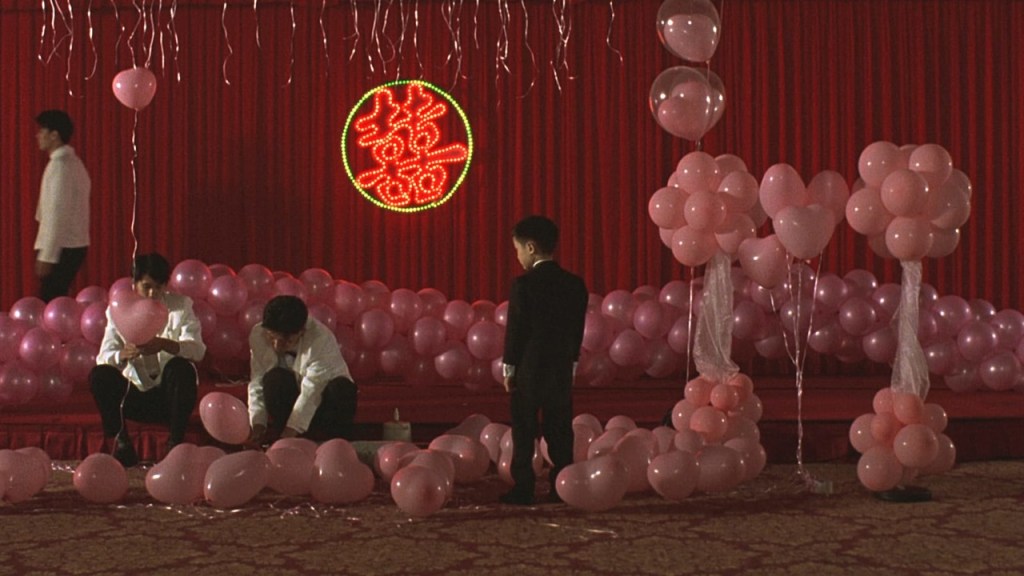
3. Terrorizers (1986)
Genre: Drama

4. Taipei Story (1985)
Genre: Drama

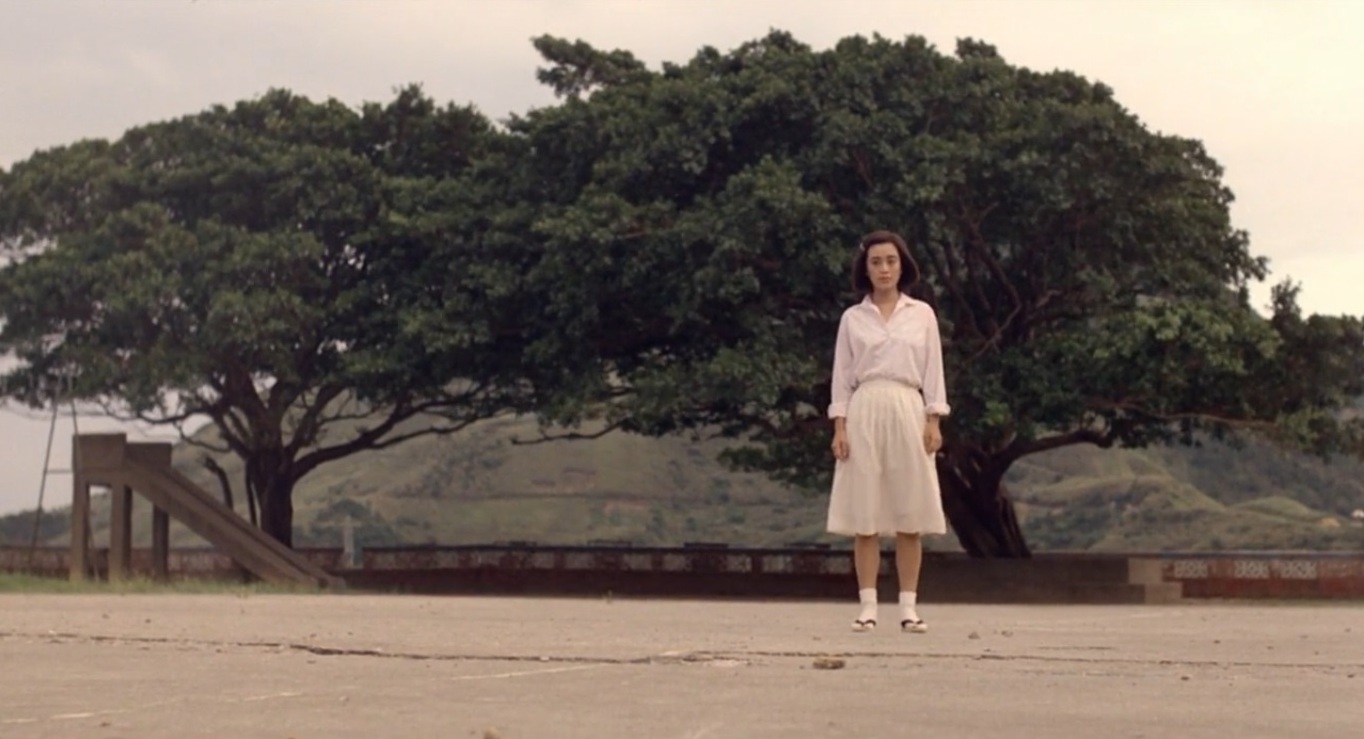
5. That Day, on the Beach (1983)
Genre: Drama

6. Mahjong (1996)
Genre: Comedy, Romance, Crime, Drama, Satire

7. A Confucian Confusion (1994)
Genre: Comedy, Drama, Satire

8. Likely Consequence (1992)
Genre: Live Performance, Drama

Edward Yang: Themes and Style
Themes:
- Urban Alienation: Yang’s films often delve into the isolation felt by individuals in a rapidly modernising society, as depicted in Yi Yi, where the characters navigate their disconnection amidst the bustle of Taipei.
- Generational Gaps: He frequently addresses the conflict and misunderstanding between generations, exploring the evolving values and traditions within Taiwanese families, a central theme in A Brighter Summer Day.
- The Loss of Cultural Identity: Yang portrays the struggle with cultural identity in the face of Western influence and modernity, highlighting the characters’ search for a sense of belonging in films like The Terrorizer.
- Socio-Political Commentary: His work subtly comments on Taiwan’s political landscape and history, capturing the impact of socio-political change on the daily lives of his characters, particularly in A Confucian Confusion.
- Existential Quests: The characters in Yang’s films are often on existential journeys, seeking meaning and purpose in a world that seems indifferent, as exemplified by Yi Yi.
Styles:
- Minimalist Aesthetics: Yang adopts a minimalist style, using long takes and static camera positions to create a contemplative cinematic space, allowing scenes to unfold naturally, as in Taipei Story.
- Complex Narratives: He crafts intricate narratives with multiple storylines and characters, offering a tapestry of interwoven lives that reflect the complexity of urban existence, as seen in Yi Yi.
- Naturalistic Performance: Yang elicits realistic performances from his actors, focusing on the subtle expressions and gestures that reveal internal struggles, which is evident in A Brighter Summer Day.
- Attention to Detail: His films are characterised by meticulous attention to detail, with every element within the frame contributing to the story or the mood, creating a rich visual and emotional texture.
- Cinematic Realism: Yang’s commitment to realism is seen in his authentic depictions of urban life and relationships, eschewing melodrama in favour of genuine human interactions.
Directorial Signature:
- Ensemble Casts: Yang often works with ensemble casts, skillfully managing multiple characters and narratives to create a holistic view of society, a technique used masterfully in Yi Yi.
- Temporal Layering: His films frequently employ a non-linear approach to time, weaving flashbacks and memories into the narrative to create a layered sense of history, as in A Brighter Summer Day.
- Silence and Space: Yang uses silence and space to dramatic effect, allowing moments of quiet and the physical environment to contribute to the storytelling, giving his films a contemplative atmosphere.
- Deep Focus Cinematography: He frequently uses deep focus to keep multiple planes in the image sharp, which allows viewers to choose where to direct their attention within the frame, creating an active viewing experience.
- Autobiographical Elements: Yang infuses his films with personal and autobiographical elements, which lend authenticity to the emotional landscapes of his characters, as seen in the youthful experiences portrayed in A Brighter Summer Day.
Edward Yang: The 71st Greatest Director



 Bronze Screen Dream