
Eduardo Coutinho was one of Brazil’s most celebrated documentary filmmakers, whose prolific career spanned over five decades. He’s best known for his film Twenty Years Later, an innovative documentary that blurs the lines between reality and fiction. Coutinho’s works are admired for their profound exploration of human experiences and their unique approach to the documentary genre.
Coutinho’s films often revolve around the everyday lives of ordinary people, capturing their personal stories, hopes, and struggles. His approach to filmmaking was deeply humanistic, focusing on giving voice to those on the margins of society. This is evident in films like Master Building, where he explores the lives of construction workers, or Songs, where he delves into the personal stories behind people’s favourite songs. Coutinho’s technique often involved minimal interference, allowing his subjects to narrate their own stories and express their worldviews.
Coutinho’s style is defined by its simplicity and authenticity. He often used handheld cameras, capturing his subjects in their natural environments, contributing to the candidness and spontaneity of his films. His unobtrusive style was designed to keep his subjects comfortable and encourage them to share their stories. This approach is apparent in Edifício Master, where the camera simply observes the subjects in their apartments, creating an intimate portrait of their lives.
Coutinho’s impact on documentary filmmaking is immeasurable. His films are renowned for their empathy, authenticity, and their ability to reveal the extraordinary within the ordinary. His innovative techniques have influenced a generation of filmmakers, and his works continue to be celebrated for their unique blend of social commentary and personal storytelling. Coutinho’s body of work is a testament to his belief in the power of personal narratives and his commitment to giving a voice to the voiceless, establishing him as a truly unique figure in cinema.
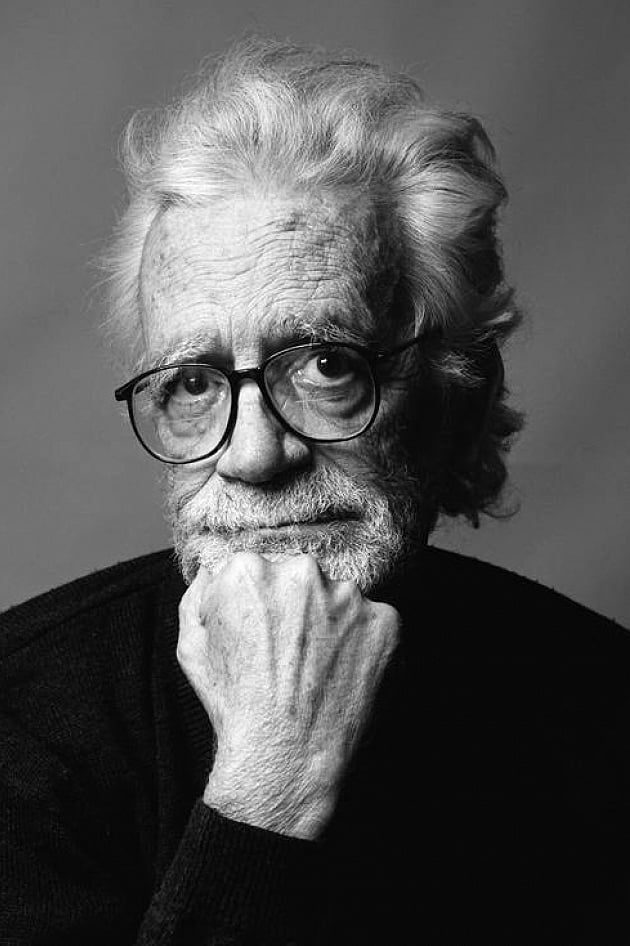
Eduardo Coutinho (1933 – 2014)
Calculated Films:
- Twenty Years Later (1984)
- Edefico Master (2002)
- O Fim e o Principio (2006)
- Playing (2007)
- As Cancoes (2011)
Similar Filmmakers
- Agnes Varda
- Allan King
- Frederick Wiseman
- Glauber Rocha
- Joao Moreira Salles
- Jorge Furtado
- Joshua Oppenheimer
- Kleber Mendonca Filho
- Kirsten Johnson
- Leon Hirszman
- Les Blank
- Marcelo Gomes
- Mario Peixoto
- Patricio Guzman
- Ross McElwee
- Steve James
- Werner Herzog
- Walter Salles



Eduardo Coutinho’s Top 5 Films Ranked
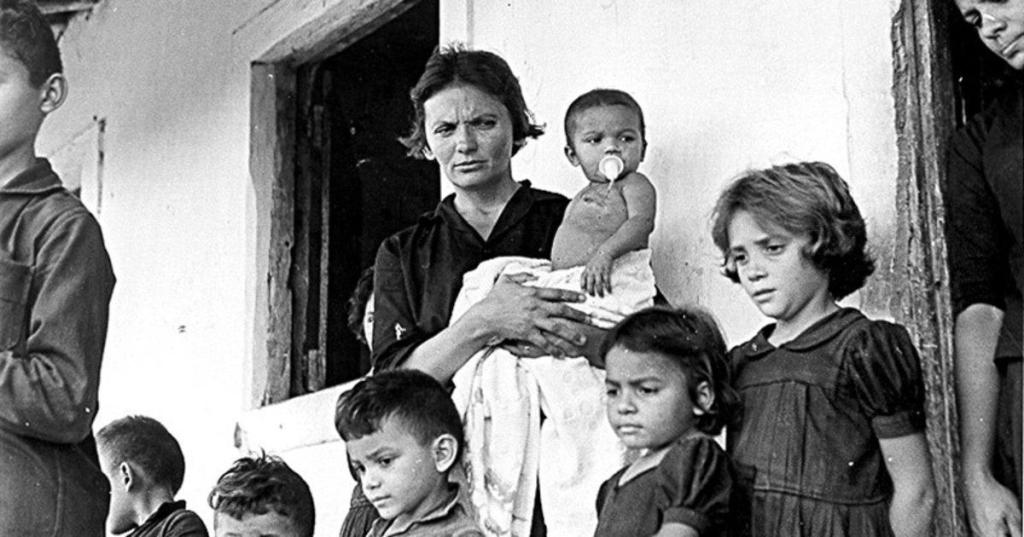
1. Twenty Years Later (1984)
Genre: Political Documentary
2. Jogo de Cena (2007)
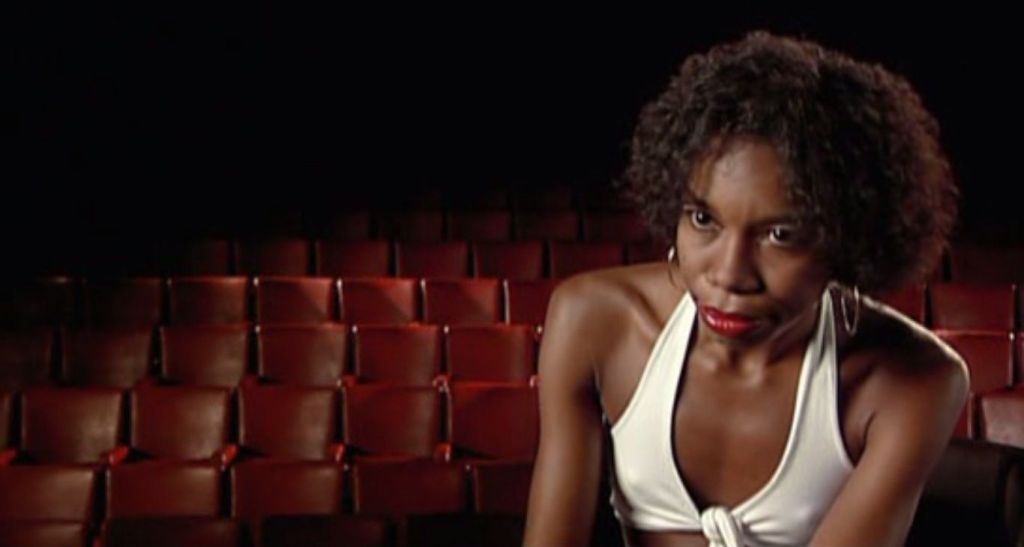
Genre: Documentary, Docufiction
3. Edeficio Master (2002)
Genre: Documentary

4. As Cancoes (2011)
Genre: Documentary

5. O Fim e o Principio (2006)
Genre: Documentary

Eduardo Coutinho: Brazil in Monologues
Eduardo Coutinho grew up amidst Brazil’s bustling streets and fervent political movements; his formative years were marked not only by the vibrancy of Brazilian culture but also by the nation’s volatile political landscape. This mix would prove instrumental in shaping the unique lens through which he would come to view and subsequently portray Brazilian society.
Coutinho’s professional journey into cinema began with his association with the Centro Popular de Cultura (CPC) of the União Nacional dos Estudantes (UNE). The CPC was an ambitious initiative aiming to utilize art – cinema, theatre, music – as a tool for socio-political reform. The Brazil of the 1960s was awash in political upheaval. It was a time when cinema played a pivotal role as an agent of resistance against an increasingly authoritative government. And Coutinho, with his sharp intellect and keen sense for storytelling, found himself naturally drawn to the CPC’s mission.
The Brazilian cinema of this period was characterized by its potent blend of artistry and activism. Filmmakers like Glauber Rocha and Nelson Pereira dos Santos were redefining what Brazilian cinema could be, emphasizing a raw, visceral style that came to be known as Cinema Novo. In this transformative milieu, Coutinho began to make his first steps into the medium; although he aligned with the principles of Cinema Novo, he carved his own niche.
Early in his career, he showcased a proclivity for documentaries, a genre that would come to define his legacy. Films like The Masters of São Bento and The Root of the Matter illustrated his deft ability to capture the raw essence of his subjects, transcending mere observation and delving deep into the human psyche.
Perhaps the magnum opus of Coutinho’s oeuvre from this era is the monumental Twenty Years Later (Cabra Marcado Para Morrer). Initially conceptualized in 1964, it was intended as a fictional piece. However, political unrest and subsequent censorship intervened, forcing Coutinho to abandon the project. Remarkably, two decades later, Coutinho revisited the work, this time as a documentary.
The film is more than just a chronicle of its original subjects. It evolves into a meta-narrative about the very process of its own creation, a meditation on memory, history, and the inexorable passage of time. The juxtaposition of the then and now, the seamless melding of the political and the personal, underscores Coutinho’s genius. Like Orson Welles‘ F for Fake or the later works of Iranian master Abbas Kiarostami, Twenty Years Later blurs the lines between fact and fiction, reminding us of cinema’s potential to reflect and shape reality.
But even beyond its innovative narrative structure, Twenty Years Later serves as a poignant testament to Brazil’s tumultuous past. Coutinho, ever the masterful documentarian, succeeds in capturing the lingering echoes of a time gone by, even as he delves into the personal journeys of those left in its wake.
As the world cinema entered the ’90s, Coutinho remained undeterred in his quest to chronicle Brazil’s evolving socio-cultural fabric. The new decade brought a sense of hope, yet the shadows of the past still loomed large. Coutinho’s films from this period, like Santo Forte and Babilônia 2000, reflected this dichotomy. They captured the resilience of ordinary Brazilians, finding poetry in their struggles and dreams.
The turn of the millennium saw Coutinho delve deeper into his trademark documentary style, further refining his approach to narrative and subject. Two films from this era particularly stand out: Edifício Master and Jogo de Cena.
Edifício Master is a cinematic mosaic that studies the myriad lives within a single apartment building in Rio de Janeiro. Instead of grand theatrics, Coutinho opts for understated, intimate conversations. Meanwhile, Jogo de Cena is a masterclass in narrative experimentation. Coutinho brings together various women to share their personal stories, later having actresses recreate these testimonies. It becomes an exploration of authenticity, performance, and the thin line separating reality from fiction.
Coutinho’s later works, such as Songs and Last Conversations, continued to showcase his dedication to human stories, capturing the spirit of Brazil in its myriad hues. Though diverse in subject matter, these films share a common thread — a profound respect for the individual narrative and an unwavering commitment to authenticity.
Tragically, Eduardo Coutinho’s life was cut short in a heart-wrenching manner. On February 2, 2014, he was tragically murdered in his home in Rio de Janeiro amidst shady circumstances. Coutinho never experienced mass success outside his home country, except for Twenty Years Later, the international film industry largely ignored him, but since the advent of the internet, he has steadily built a worldwide fanbase who admire his documentaries and their windows into humanity.
Most Underrated Film
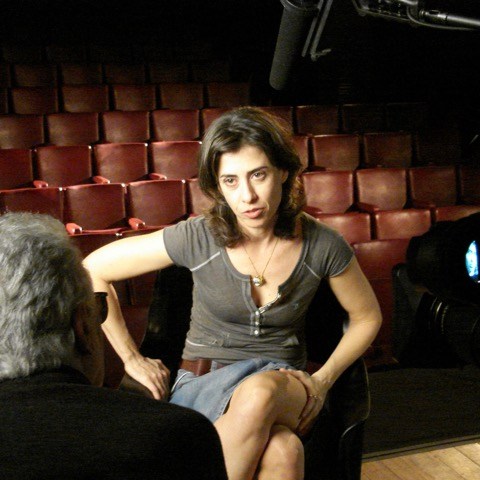
Jogo de Cena, which translates to “Acting Out,” remains one of Eduardo Coutinho’s filmography’s most intriguing yet often overlooked gems. Coutinho’s modus operandi during the production of Jogo de Cena was as audacious as it was simple. He invited ordinary women to narrate their personal stories and, later, had professional actresses reenact these tales. This blurring of boundaries between the authentic testimonies and their staged versions added layers of complexity to the documentary format.
One particular scene, where an original narrator weeps while recounting a traumatic experience, and her actress counterpart later echoes the same sentiment with trained tears, is a stark exploration of genuine emotion versus its representation. The comparison forces viewers to grapple with questions of authenticity in cinematic storytelling.
It prompts introspection: What do we, as viewers, value more — raw truth or its compelling portrayal? In an era of “reality” television and manipulated media, the film is especially resonant.
Eduardo Coutinho: Themes and Style
Themes:
- Human Stories: Central to Coutinho’s work is his dedication to individual narratives. He sought the tales of everyday people, often from marginalized backgrounds, placing them front and center in his films.
- Socio-Political Landscapes: Throughout his films, the socio-political milieu of Brazil is a persistent theme. He encapsulated Brazil’s history, its upheavals, and the resilience of its people.
- Memory & Time: Films like Twenty Years Later explore the concept of memory, the passage of time, and how they shape individual and collective identities.
- The Line Between Reality and Fiction: Coutinho often blurred the boundaries between documentary and fiction, making the audience question the nature of cinematic truth, especially in Jogo de Cena.
Styles:
- Intimate Conversations: Coutinho’s style often involved deep, intimate dialogues, whether with residents of an apartment building in Edifício Master or with women recounting their life stories in Jogo de Cena.
- Meta-narratives: He didn’t just tell stories; he often told stories about storytelling. His films sometimes became reflections on the very process of their own creation.
- Minimalistic Production: Coutinho often used a minimalist approach, relying on natural lighting, authentic locations, and real conversations instead of scripted dialogues. This made his films feel raw and genuine.
Directorial Signature:
- Close-up Shots: Coutinho favoured close-ups to capture the raw emotions of his subjects. These close-ups created an intimacy between the viewer and the person on screen, making the narrative deeply personal.
- Emphasis on Voice: One of Coutinho’s trademarks was his emphasis on the human voice. He believed in the power of oral narratives and frequently used voice-overs, off-camera dialogues, and firsthand accounts to drive his films.
Further Reading:
Books:
- Eduardo Coutinho by Consuelo Lins – This book offers a comprehensive look at Coutinho’s oeuvre, placing it within the broader context of Brazilian cinema.
Articles and Essays:
- Front Matter, Film Quarterly
- The Emptiness of the Backyard: An Interview with Eduardo Coutinho by Jose Carlos Avellar, Film Quarterly
- Celebrating the Work of Eduardo Coutinho (1933-2014), Sussex University
Eduardo Coutinho: The 246th Greatest Director


 Bronze Screen Dream