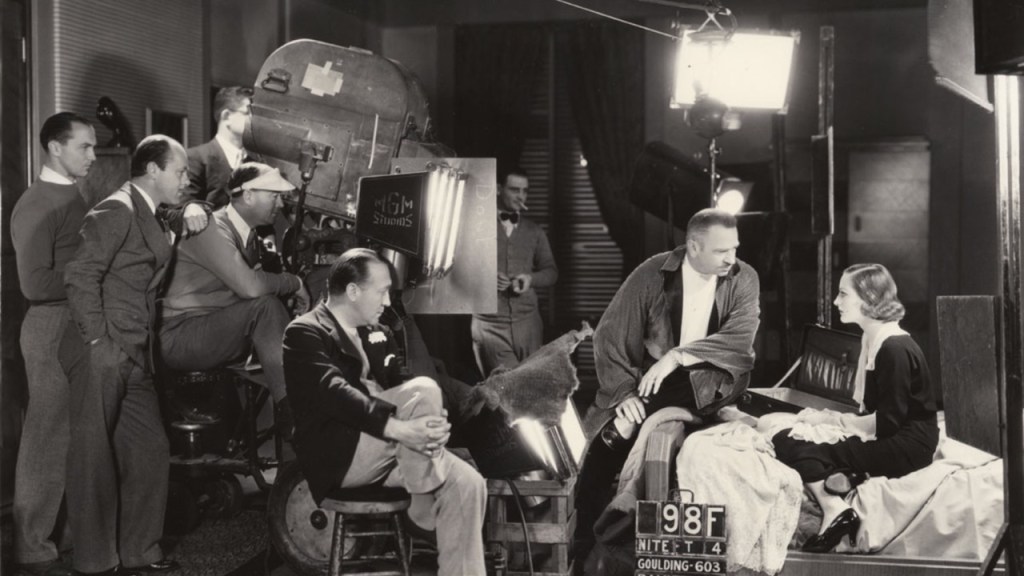
Edmund Goulding was a British film director renowned for his versatility in handling different film genres. He is best known for helming films that often explore complex, character-driven narratives, with Grand Hotel standing out as one of his most iconic works. Grand Hotel is celebrated for its ensemble cast and intertwining storylines, offering viewers a captivating glimpse into the lives and interactions of various guests at a luxurious hotel.
Goulding began his career as an actor and playwright in London before moving to Hollywood in the 1920s. He quickly established himself as a talented director, helming a string of successful films in the 1930s and 1940s, including the romantic drama Grand Hotel, the musical Blondie of the Follies, and the film noir Nightmare Alley.
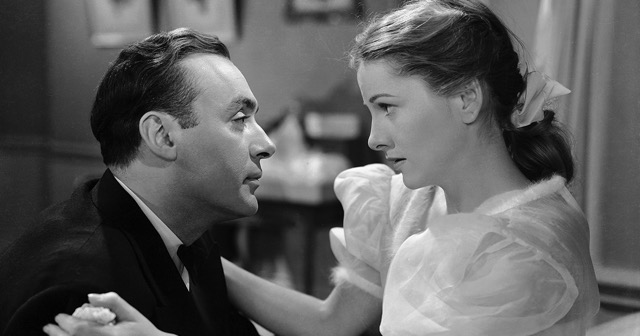
Goulding was particularly skilled at directing women, and he helped establish the careers of many of Hollywood’s biggest female stars, including Greta Garbo, Joan Crawford, and Claudette Colbert. He had a reputation for being a sensitive and empathetic director and was known for his ability to create a safe and supportive environment on set.
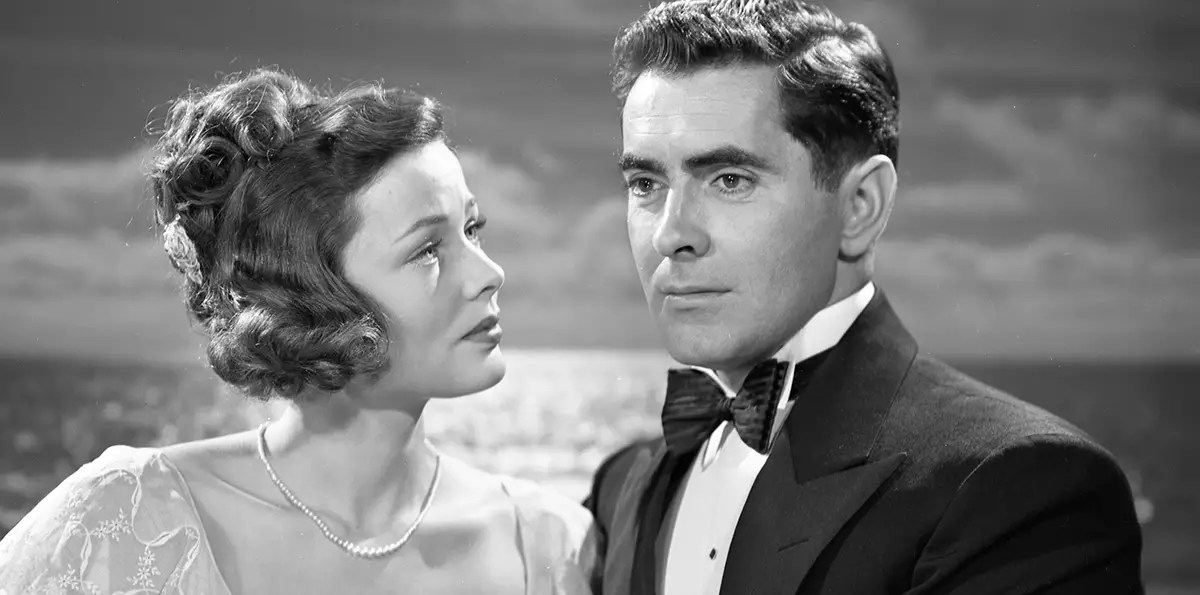
One of Goulding’s most acclaimed films was The Razor’s Edge, a philosophical drama based on the novel by W. Somerset Maugham. The film, which starred Tyrone Power and Gene Tierney, was a critical and commercial success and earned four Academy Award nominations. Goulding was also known for his work in the musical genre, directing several successful films, including The Great Ziegfeld and That’s Entertainment! These films showcase Goulding’s skill at integrating music and dance into the narrative and his ability to create a sense of spectacle and excitement on screen.
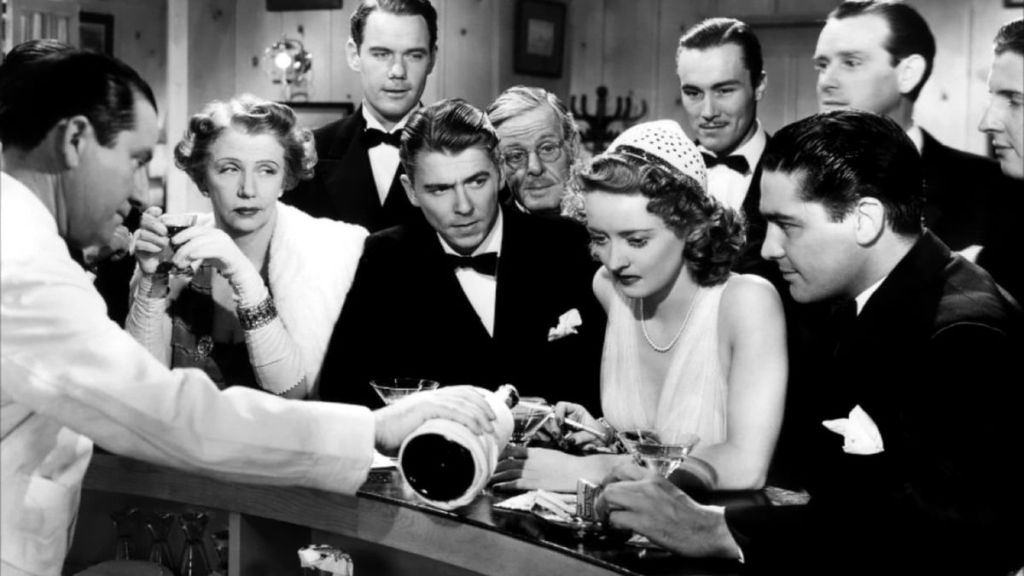
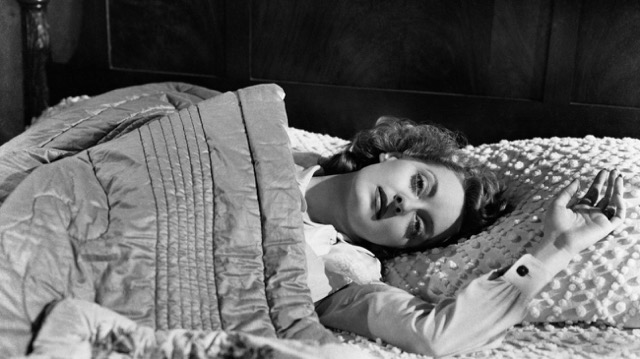
He was also talented at handling the human psyche and relationships, often unfolding within constrained environments. For instance, Dark Victory is a poignant exploration of a woman grappling with her mortality after being diagnosed with a terminal illness. The film delicately navigates themes of love, death, and acceptance while providing its lead actress, Bette Davis, with a platform to deliver one of her most memorable performances.
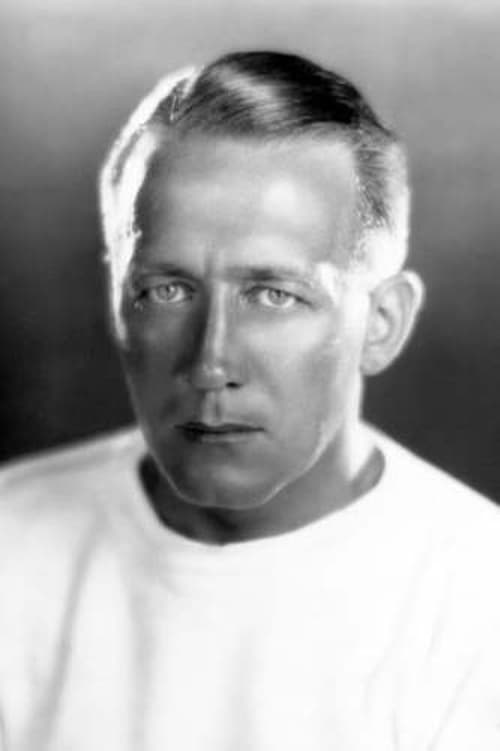
Edmund Goulding (1891 – 1959)
Calculated Films:
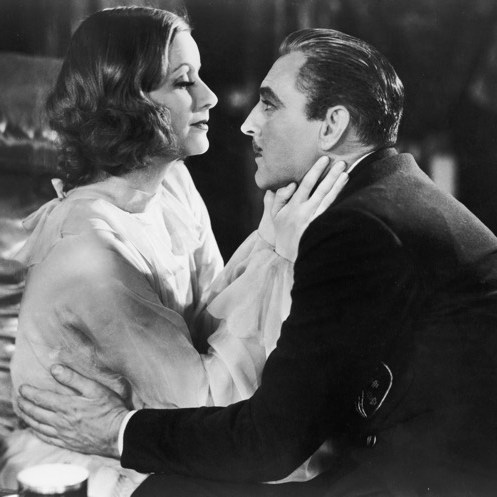
- Grand Hotel (1932)
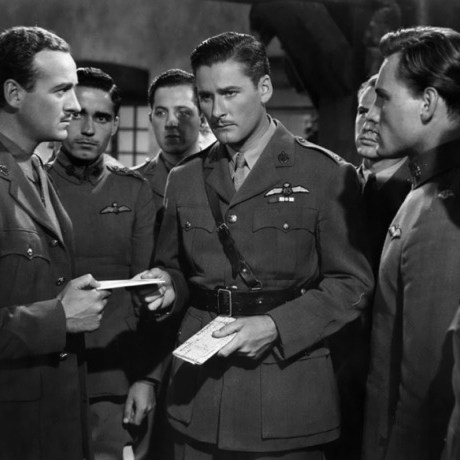
- Dawn Patrol (1938)
- Dark Victory (1939)
- The Old Maid (1939)
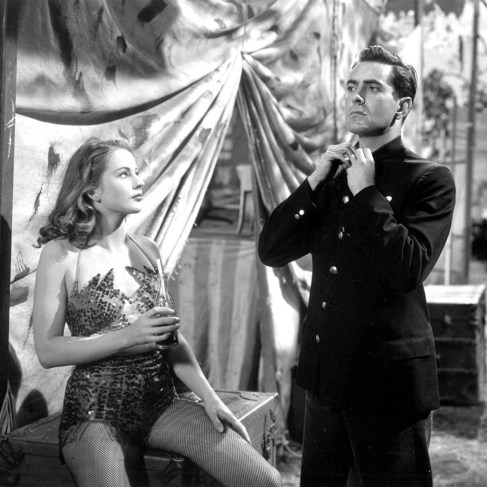
- Nightmare Alley (1947)
Similar Filmmakers
Edmund Goulding’s Top 5 Films Ranked
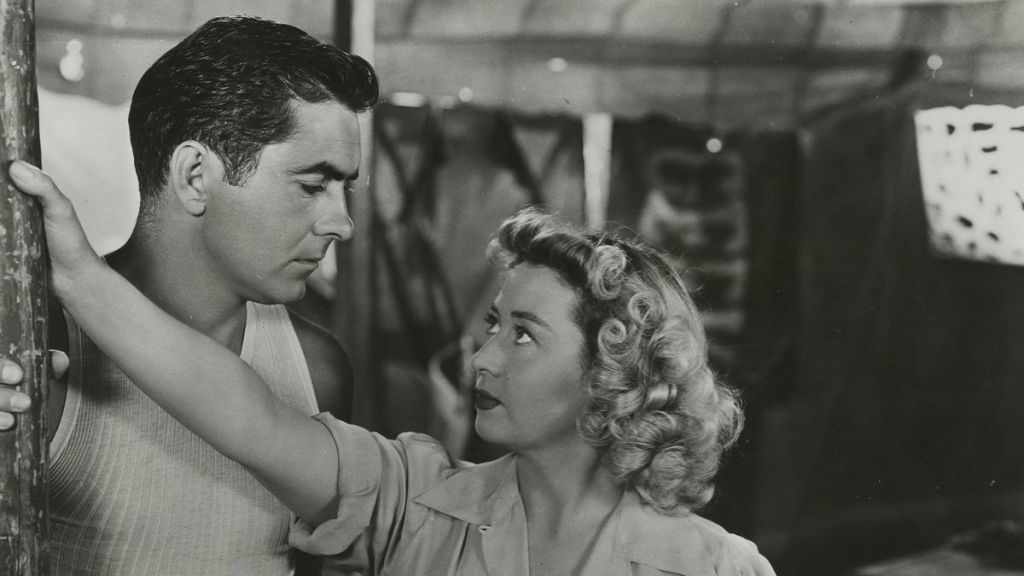
1. Nightmare Alley (1947)
Genre: Film Noir, Drama
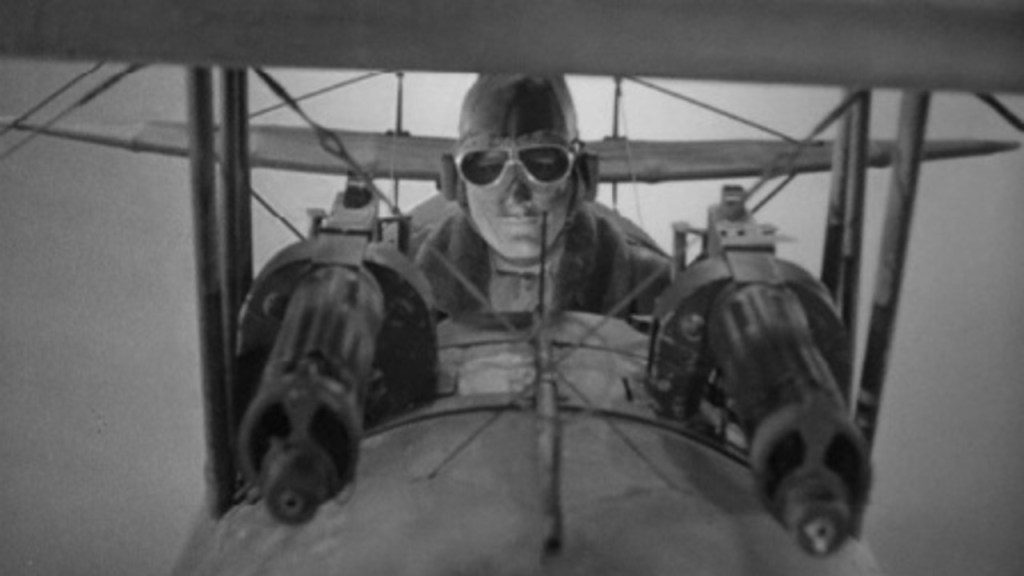
2. The Dawn Patrol (1938)
Genre: War, Drama
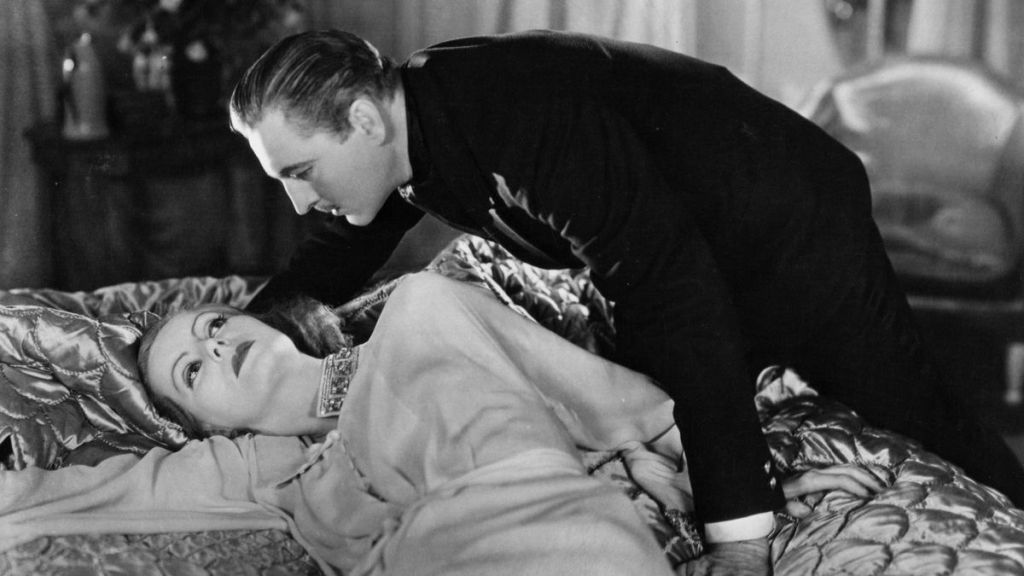
3. Grand Hotel (1932)
Genre: Melodrama
4. Dark Victory (1939)
Genre: Melodrama
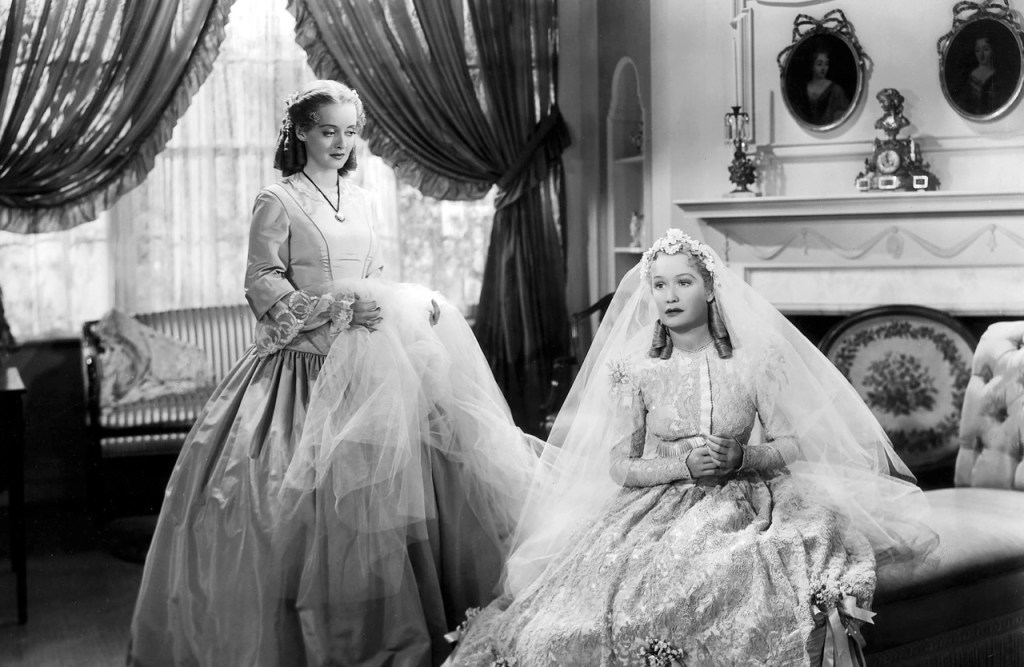
5. The Old Maid (1939)
Genre: Melodrama, Period Drama
Edmund Goulding: Themes and Style
Themes:
- Complex Character Studies: Goulding frequently explored the intricacies of human psychology and character dynamics in his films. He portrayed individuals with deep internal conflicts and layered personalities, providing viewers with a nuanced understanding of the human psyche.
- Romance and Melodrama: A significant portion of Goulding’s work falls within the realm of romance and melodrama. Through these genres, he delved into the emotional turmoils and passionate affairs of his characters, often presenting romantic entanglements as both enchanting and tragic.
- Social Commentary: Goulding subtly incorporated critiques of societal norms and expectations into his films. Whether addressing class divisions, gender roles, or the consequences of war, his work reflected a keen awareness of the societal issues of his time.
Styles:
- Visual Eloquence: Goulding was known for his visually expressive style. His films often showcased elegant set designs, sophisticated costume ensembles, and meticulously framed shots, all working harmoniously to create an immersive viewing experience.
- Dramatic Intensity: Emphasising the emotional depth of his characters, Goulding employed a style that heightened the drama unfolding on screen. Through close-ups and careful pacing, he allowed viewers to connect intimately with the characters’ struggles and triumphs.
- Narrative Complexity: Many of Goulding’s films featured complex, intertwining narratives that required viewers to engage actively with the unfolding story. This narrative depth, combined with his attention to character development, resulted in richly layered films.
Directorial Signature:
- Versatility: His directorial signature also lies in his versatility. Goulding comfortably navigated between genres, from musicals and comedies to dramas and war films, demonstrating an adaptable directorial style that could effectively convey various tones and atmospheres.
- Emphasis on Dialogue: As a writer-director, Goulding placed significant emphasis on the power of dialogue. His films showcased sharp, insightful exchanges between characters, with conversation often serving as a crucial tool for character development and narrative progression.
- Feminine Perspective: Goulding had a unique ability to craft strong, complex female characters, providing a platform for actresses to showcase their range and talent. His films often provided a nuanced exploration of women’s experiences, desires, and challenges during a time when such perspectives were underrepresented on screen.
Edmund Goulding – Great Director
 Bronze Screen Dream