
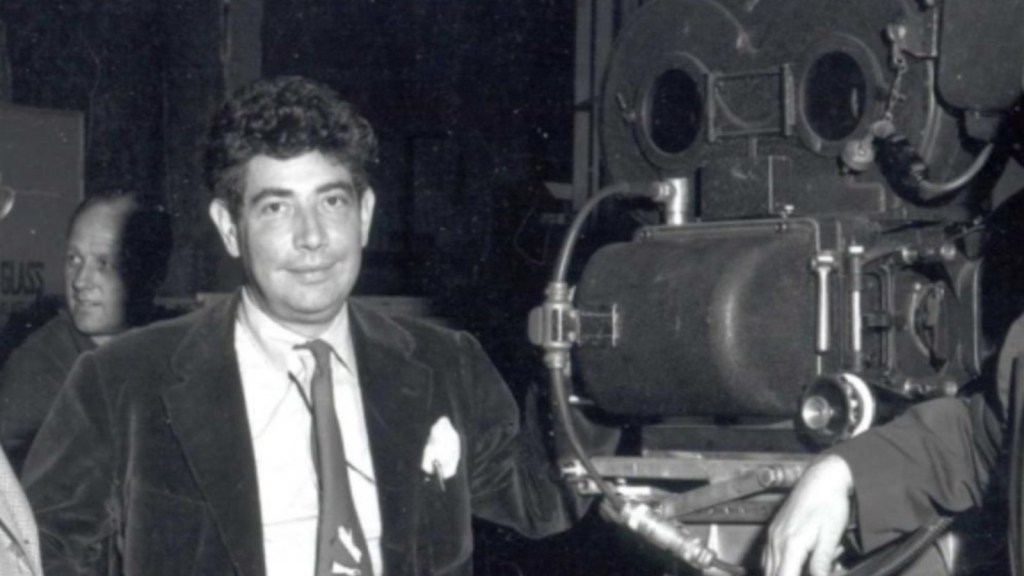
Edgar G. Ulmer was an Austrian director best known for his low-budget B-movies. Despite the limited resources and constraints often associated with his projects, he managed to create a remarkable array of films. Among his most recognised works is Detour, considered a classic example of film noir, which showcases his ability to turn budgetary limitations into creative opportunities.
Ulmer’s filmography is marked by themes of fate, existential crisis, and the darker facets of human nature. His ability to create complex narratives and intricate characters within the constraints of B-movies distinguished him from his contemporaries. This is evident in films like Detour and The Black Cat, where characters are caught in the relentless grasp of fate, showcasing Ulmer’s talent for evoking tension and pathos. Ulmer’s approach to filmmaking is noteworthy for its economy of style, skilful storytelling, and innovative use of minimal resources, resulting in films that are remembered for their distinctive mood and atmosphere.
Visually, Ulmer’s films often exhibit a noir aesthetic, with low-key lighting and shadowy compositions creating a sense of suspense and fatalism. Despite his constraints, Ulmer was able to masterfully manipulate light and shadow to create visually compelling frames, as seen in Detour. His inventive visual style imbues his films with a sense of richness and depth that belies their modest production values. His approach to cinema, prioritising creativity within constraints, has had a significant influence, particularly on independent and genre filmmakers.

Edgar G. Ulmer (1904 – 1972)
Calculated Films:
- People on Sunday(1930)
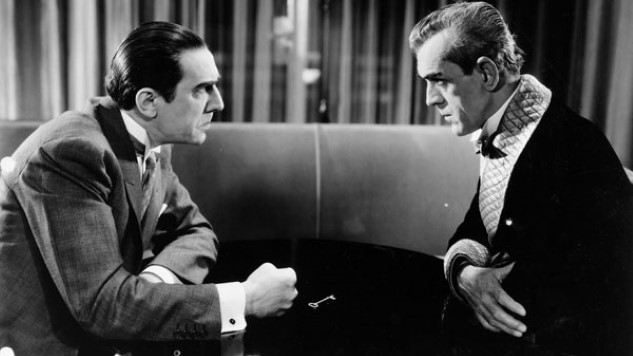
- The Black Cat (1934)
- Detour (1945)
- The Naked Dawn (1955)
Similar Filmmakers
- Allan Dwan
- Cy Endfield
- Fritz Lang
- Hugo Haas
- Jack Arnold
- Jacques Tourneur
- John Brahm
- Joseph H. Lewis
- Lewis Allen
- Mario Bava
- Paul Wendkos
- Phil Karlson
- Robert Florey
- Robert Siodmak
- Roger Corman
- Samuel Fuller
- Stuart Heisler
- William Castle


Edgar G. Ulmer’s Top 5 Films Ranked
1. Detour (1945)
Genre: Film Noir, Crime, Road Movie

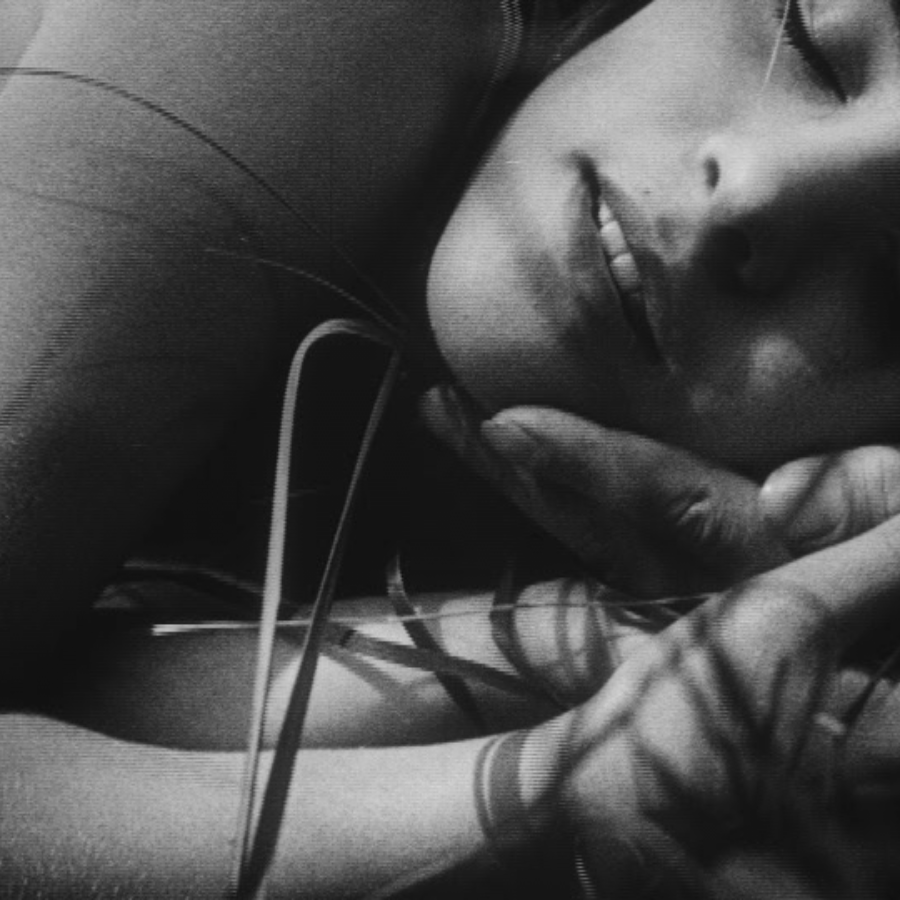
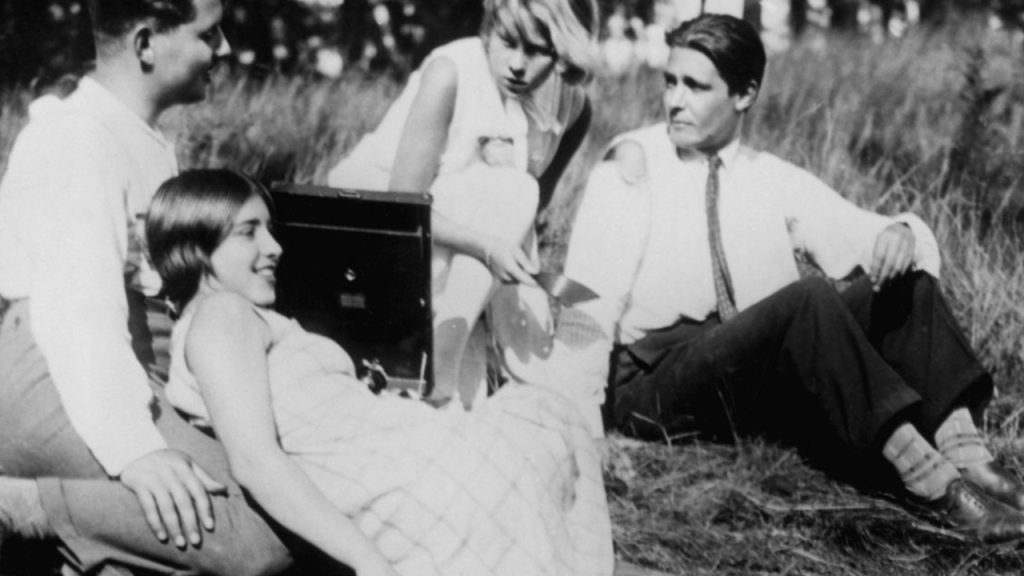
2. People on Sunday (1930)
Genre: Romance, New Objectivity, Slice of Life
3. The Black Cat (1934)
Genre: Horror

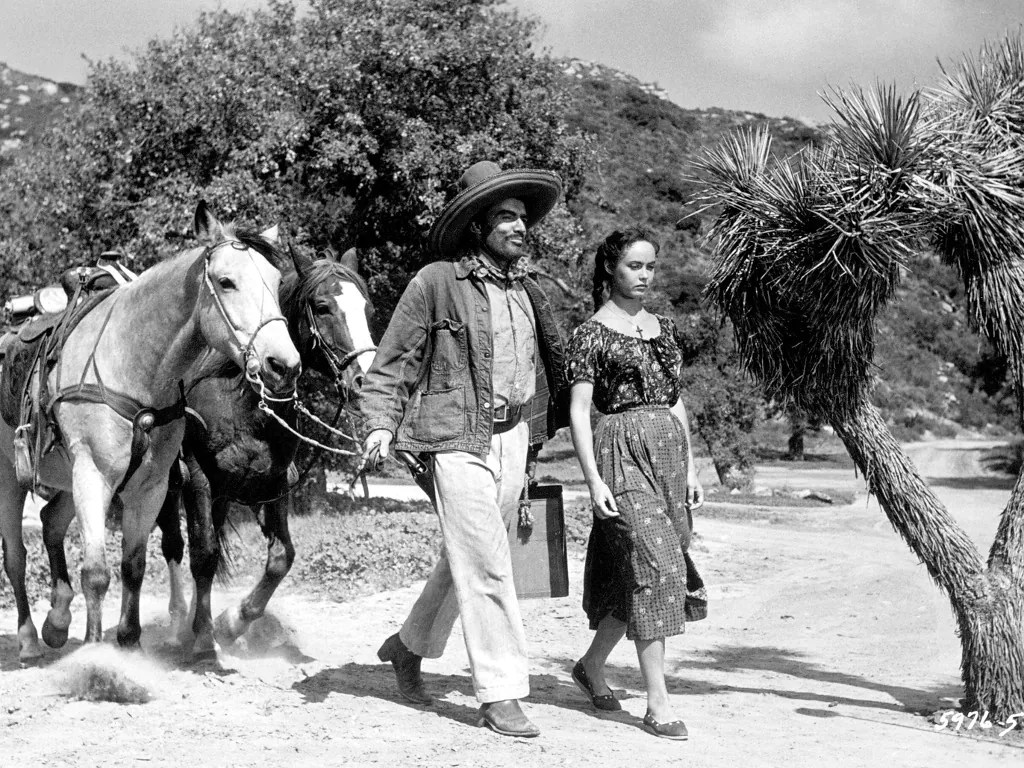
4. The Naked Dawn (1955)
Genre: Western, Drama
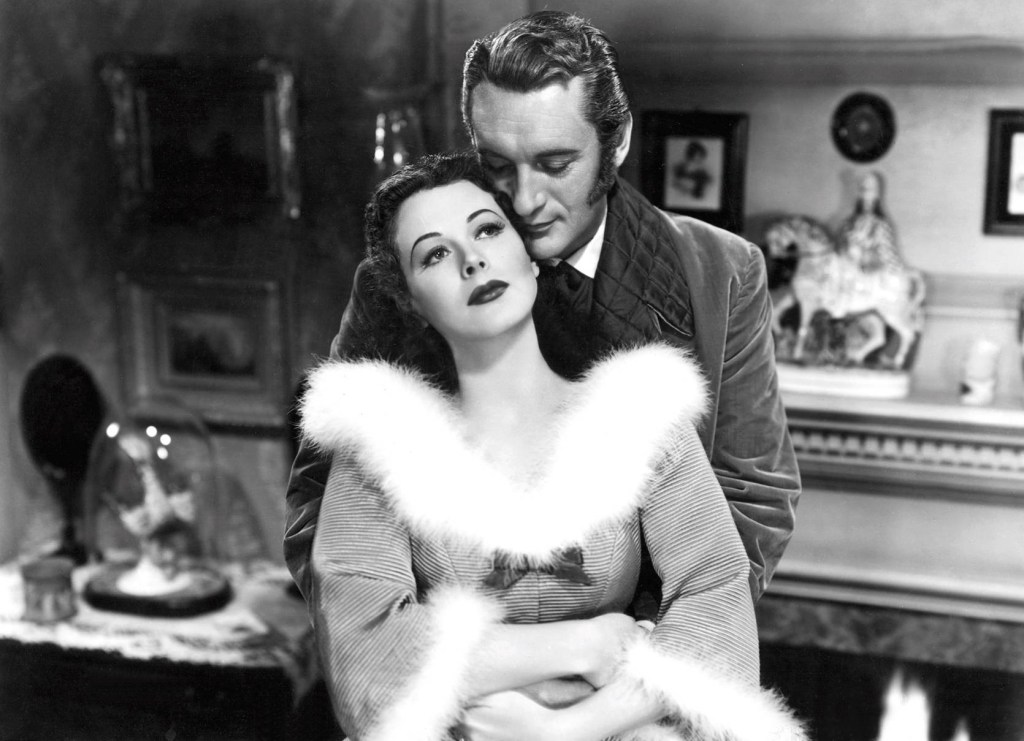
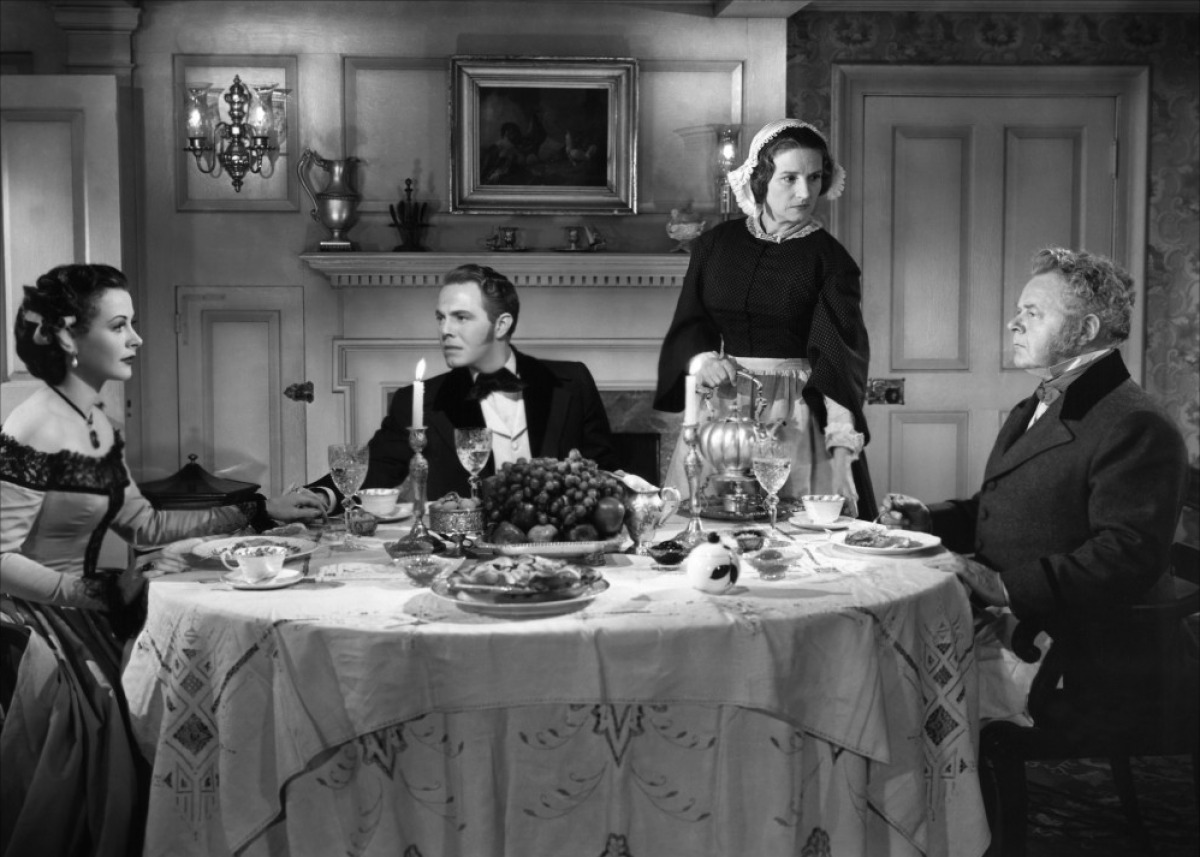
5. The Strange Woman (1946)
Genre: Drama, Melodrama
Edgar G. Ulmer: Themes and Style
Themes:
- Existential Struggle: Many of Ulmer’s films, especially those in the film noir genre like Detour, delve into the darker aspects of human nature, portraying characters caught in webs of fate and circumstances beyond their control.
- Outsiders and Antiheroes: His characters often existed on the margins of society – they were drifters, fugitives, or otherwise misaligned with societal norms.
- Economic Strain: Several of Ulmer’s films reflect the socioeconomic challenges of their time, often showcasing characters in desperate situations due to financial hardships.
- Morality and Corruption: Characters in Ulmer’s films often grapple with moral dilemmas, facing temptations that lead them to corruption and eventual downfall.
Styles:
- Resourcefulness: Working frequently with low budgets, Ulmer became known for his ability to craft compelling films with limited resources, leading some to dub him the “king of Poverty Row.”
- Atmospheric Visuals: Despite budget constraints, Ulmer was adept at creating moody and atmospheric visuals, especially in his noirs, using lighting and camera angles to amplify the emotional intensity.
- Minimalist Sets: Due to budget limitations, Ulmer often used minimalist sets, but this became a stylistic strength as it added to the bleak and stark mood of many of his films.
- Narrative Efficiency: Ulmer’s films are often concise and lean, avoiding extraneous details and focusing sharply on the core narrative.
Directorial Signature:
- Blend of Genres: While best known for film noir, Ulmer worked across a range of genres, including horror (The Black Cat) and science fiction (The Man from the Planet X.)
- Collaboration with Actors: Ulmer often worked with the same set of actors, developing a unique rapport with them. This allowed him to draw out nuanced performances even from lesser-known actors.
- European Influence: Having started his career in Europe and working with influential directors like F.W. Murnau, Ulmer’s films often showcased a European sensibility, distinguishing them from typical Hollywood productions.
- Personal Imprint: Despite working within the constraints of Poverty Row productions, Ulmer managed to leave a unique imprint on his films, making them distinct and memorable. His background in art and design, coupled with his European filmmaking experience, gave his films a unique aesthetic.
Edgar G. Ulmer: Great Director


 Bronze Screen Dream