
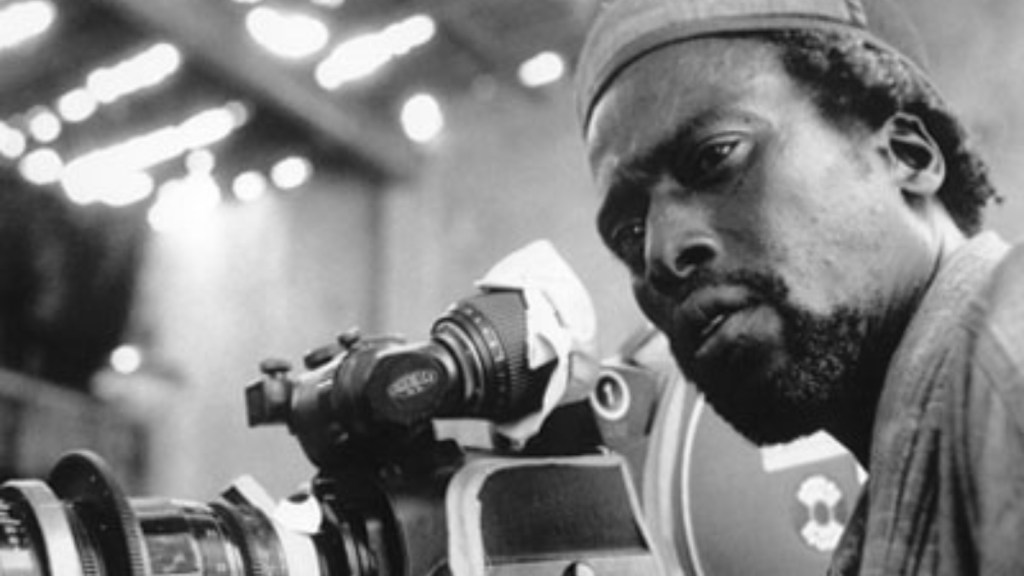
Djibril Diop Mambety was a Senegalese film director and actor. Best known for his distinct narrative style, Mambety’s films often challenge traditional cinematic norms and give audiences a unique lens into Senegalese life and the wider African experience. His works, such as Touki Bouki and Hyenas, have cemented his status as a pioneer of African cinema, offering a blend of surrealism and social commentary.
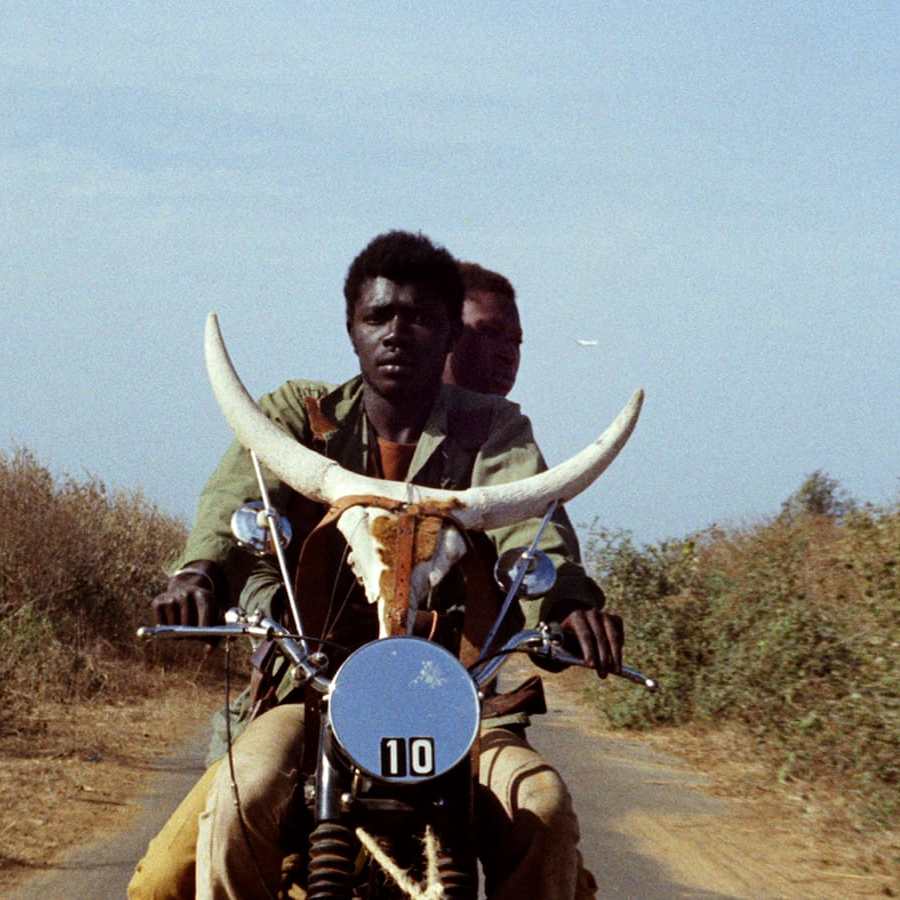
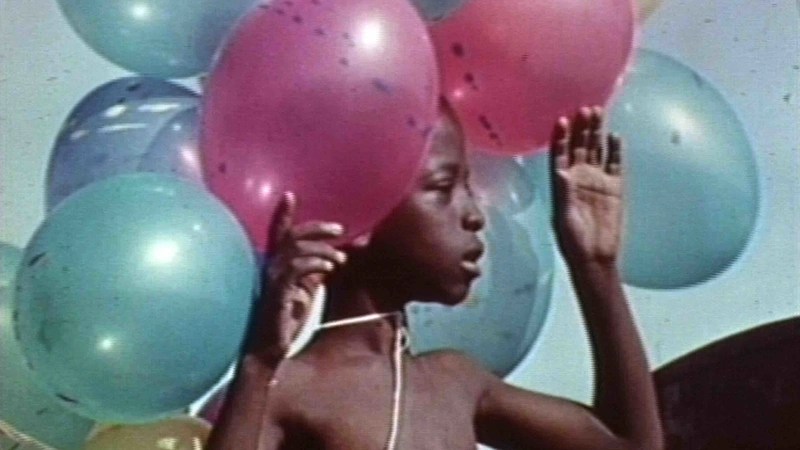
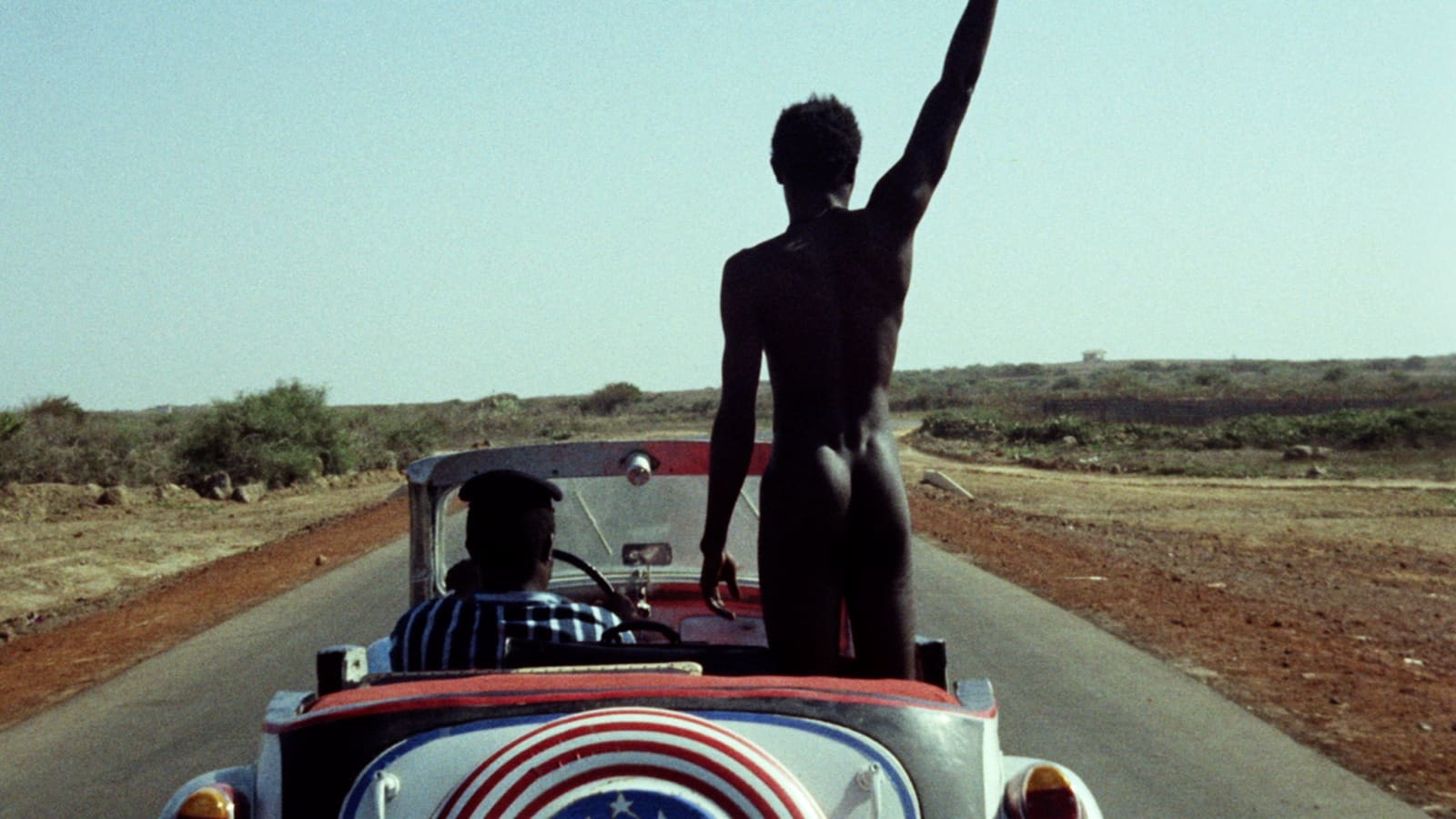
Mambety often explored themes of alienation, urban-rural contrasts, and the impacts of colonialism on African societies. His characters typically tread the line between modernity and tradition, revealing the complexities of identity in post-colonial Africa. In Touki Bouki, for instance, the protagonists’ desire to migrate to Paris starkly contrasts their deep-rooted ties to Senegal, capturing the duality of dreams and reality and showcasing the allure and disillusionment of Western modernity. Mambety also had an affinity for strong, rebellious female characters, as seen in La Petite Vendeuse de Soleil, where a young girl’s determination to sell newspapers on the streets of Dakar challenges societal norms and expectations.
His approach to filmmaking was characterised by a melding of the surreal with the every day, imbued with a distinctly African aesthetic. He extensively used non-linear narratives, juxtaposing images and sounds in an almost dreamlike manner to create a tapestry of emotions and impressions. His use of music was particularly evocative, employing traditional African rhythms to enhance the narrative and draw viewers into the world he crafted. Hyenas, for example, masterfully uses visual and auditory elements to convey the tale’s tragicomic nature, emphasising the moral decay of a village and the seductive power of wealth.
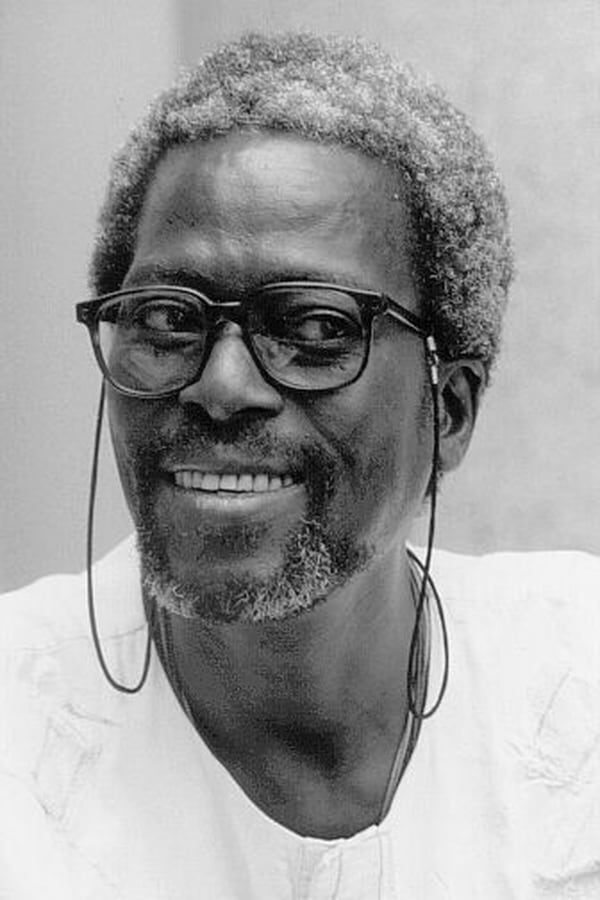
Djibril Diop Mambéty (1945 – 1998)
Calculated Films
- Touki Bouki (1973)
- Hyenes (1992)
- La Petite Vendeuse de Soleil (1999)
Similar Filmmakers
- Abderrahmane Sissako
- Alassane Diago
- Amjad Abu Alala
- Haile Gerima
- Idrissa Oudraogo
- Jean-Marie Teno
- Jean-Pierre Bekolo
- Mahamat Saleh Haroun
- Mati Diop
- Med Hondo
- Moussa Sene Absa
- Nana Obiri Yeboah
- Ngangura Mweze
- Ousmane Sembene
- Raoul Peck
- Safi Faye
- Sarah Maldoror
- Souleymane Cisse

Djibril Diop Mambéty’s Top Films Ranked
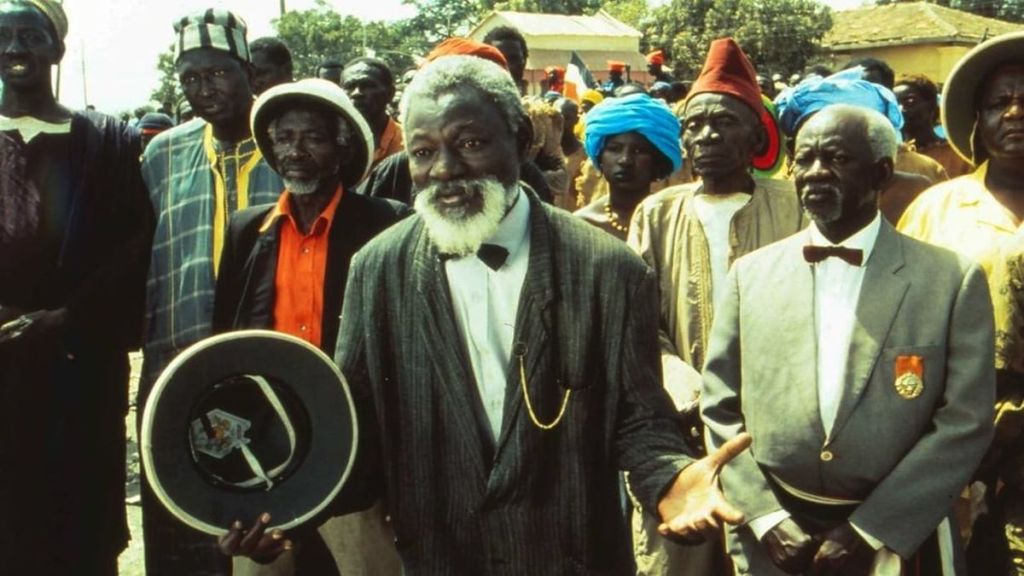
1. Hyenes (1992)
Genre: Black Comedy, Satire, Drama
2. Touki Bouki (1973)
Genre: Satire, Drama, Crime

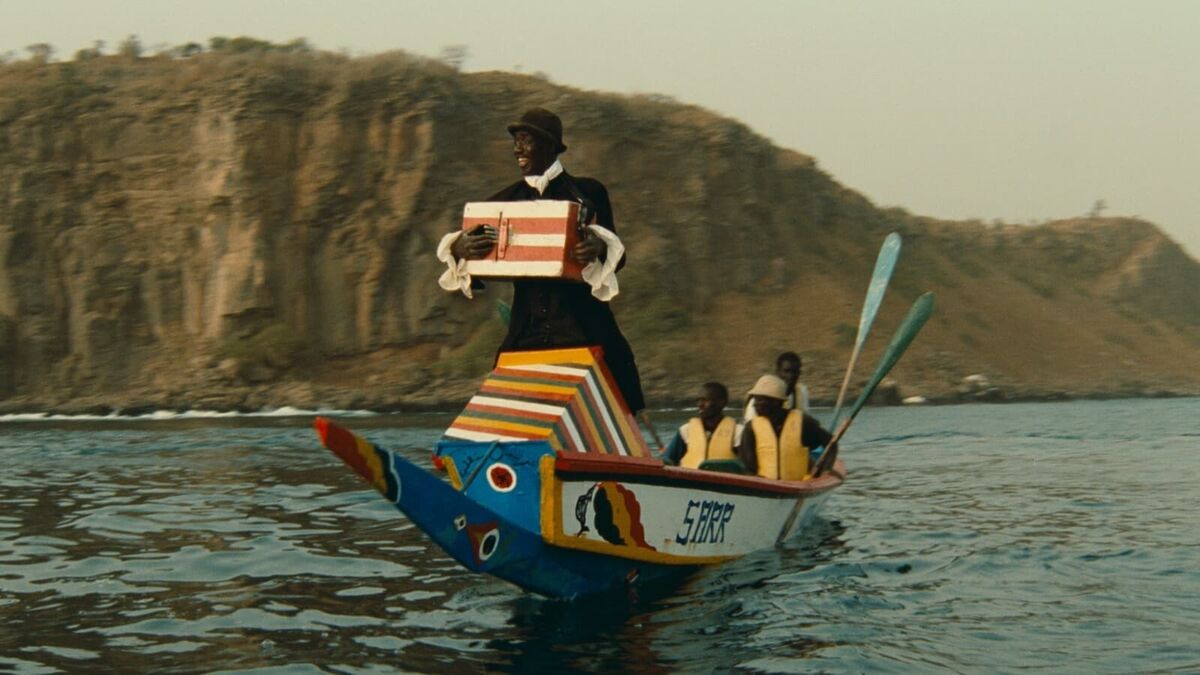
3. La Petite Vendeuse de soleil (1999)
Genre: Drama, Slice of Life

4. Badou Boy (1970)
Genre: Satire, Drama

Djibril Diop Mambéty: Themes and Style
Themes:
- Migration and Escape: Many of Mambéty’s characters dream of escaping their circumstances, often looking towards the West, particularly Paris, as an idealised land of opportunity.
- Post-Colonial Identity: His films explore the tension between traditional African cultures and the influences of former colonial powers.
- Youthful Disillusionment: Mambéty often spotlighted young protagonists grappling with their dreams in the face of societal expectations and limitations.
- Economic Challenges: Poverty and the aspiration for financial betterment, seen in works like “Le Franc”, form a recurring backdrop.
- Hope and Resilience: Despite his characters’ challenges, a spirit of hope and tenacity runs through his films.
Styles:
- Non-linear Narratives: Mambéty was known for his fragmented, non-traditional storytelling techniques, often weaving between dream sequences and reality.
- Vibrant Visuals: His films often have a rich and colourful visual palette that captures the essence and energy of Senegal.
- Mix of Soundscapes: The use of traditional African music with contemporary sounds added depth to his narratives.
- Cinematic Collage: By integrating various mediums like newspaper clippings, archival footage, and photographs into his films, he created a collage-style cinematic language.
- Oral Storytelling Traditions: Mambéty incorporated elements of African oral storytelling, bringing folkloric elements into a modern cinematic context.
Directorial Signature:
- Challenging Western Views: Mambéty’s films often counter Western perspectives or stereotypes about Africa, providing a more nuanced and authentic representation.
- Focus on the Marginalized: He frequently spotlighted characters on the fringes of society – from street kids to those living in poverty.
- Contrast of Tradition and Modernity: His films vividly juxtapose traditional Senegalese life with elements of modernity and westernisation.
- Personal and Political: His films are deeply personal but comment on broader socio-political issues.
- Absence of Neat Resolutions: Mambéty’s films rarely offer clear conclusions, mirroring the complexities of real life.
Djibril Diop Mambéty – The 235th Greatest Director

 Bronze Screen Dream