
Derek Jarman was a British filmmaker, painter, and writer who is known for his groundbreaking work in the fields of independent cinema and queer art. Throughout his career, Jarman created a body of work that was both deeply personal and politically engaged, exploring themes of sexuality, identity, and social justice with a unique and uncompromising vision.
Jarman began his artistic career as a painter and stage designer before turning to filmmaking in the 1970s. His early films, such as Sebastiane and Jubilee, were marked by their transgressive content and avant-garde style, which challenged conventional notions of narrative and representation in cinema.
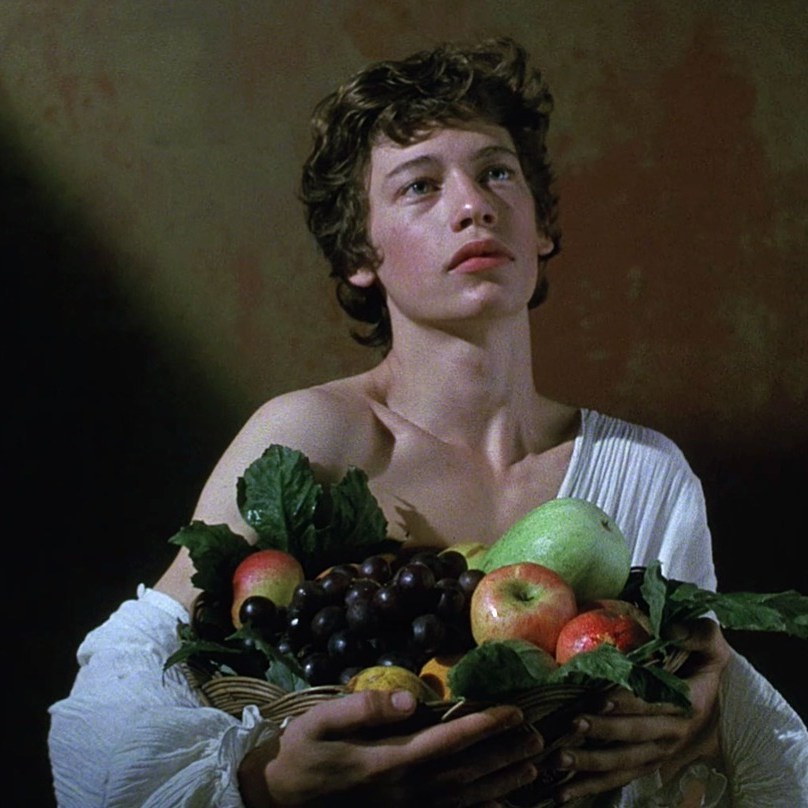
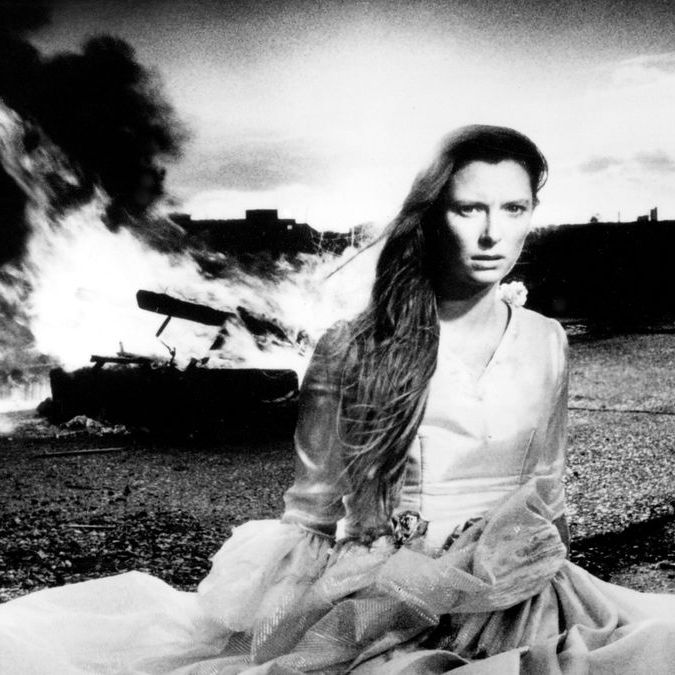
In the 1980s, Jarman emerged as a leading figure in the New Queer Cinema movement, creating films that explored the experiences of gay men and other marginalised communities in the face of the AIDS crisis and the rise of conservative politics in the UK. Films such as Caravaggio and The Last of England combined poetic visuals with biting social commentary, establishing Jarman as a powerful and provocative voice in British cinema.
Jarman’s later work was marked by his struggles with AIDS, which he was diagnosed with in 1986. Despite his illness, he continued to create films that were both deeply personal and politically engaged, such as The Garden and Blue, which explored themes of mortality, memory, and the power of art to transcend suffering.
In addition to his film work, Jarman was also a prolific painter, writer, and activist. He used his art to advocate for the rights and visibility of LGBTQ+ people and people with AIDS. He was a vocal critic of the British government’s response to the AIDS crisis, and his work played a crucial role in raising awareness and challenging the stigma around the disease.

Derek Jarman (1942 – 1994)
Calculated Films
- Blue (1993)
Similar Filmmakers
- Andy Warhol
- Bruce LaBruce
- Isaac Julien
- Jack Smith
- James Bidgood
- Jean Cocteau
- Rainer Werner Fassbinder
- Rosa von Praunheim
- Sally Potter
- Shūji Terayama
- Todd Haynes
- Tom Kalin

Derek Jarman’s Top 5 Films Ranked
1. Blue (1993)
Genre: Essay Film, New Queer Cinema, Experimental, Video Art

2. The Garden (1990)
Genre: New Queer Cinema, Experimental, Surrealism

3. Wittgenstein (1993)
Genre: Biographical

4. Jubilee (1978)
Genre: Dystopian, Satire, Music, Postmodernism, Queer Cinema, Drama

5. Caravaggio (1986)
Genre: Biographical, Period Drama, Queer Cinema, Postmodernism
Derek Jarman: Themes and Style
Themes:
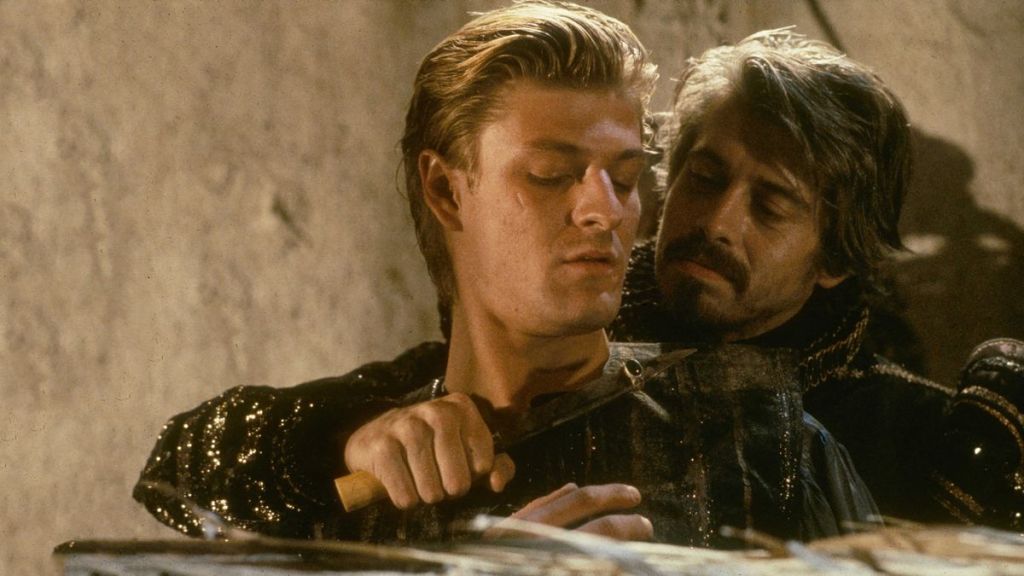
- Sexuality and Identity: Jarman, being openly gay, frequently incorporated themes of homosexuality, sexual repression, and identity into his films. These elements are evident in works like Sebastiane and Edward II, which delved into gay relationships and societal oppression.
- Socio-Political Commentary: Many of his films, such as Jubilee, comment on the socio-political climate of Britain, touching on subjects ranging from punk counterculture to monarchy to the disenchantment of post-war youth.
- Historical Interweaving: Despite his distinctly modern style, Jarman was fascinated with history. This is particularly evident in Caravaggio, where he used the life of the Renaissance painter to provide insights into contemporary issues.
- Mortality and the Human Condition: Especially after his HIV diagnosis, Jarman’s works increasingly focused on themes of mortality, life, and the transient nature of human existence, most poignantly showcased in Blue.
- Religion and Spirituality: Works like The Garden delve deep into religious motifs, questioning established norms while exploring spirituality’s personal and expansive nature.
Styles:
- Avant-Garde Visuals: Jarman’s films often forgo traditional narrative structures, favouring experimental visuals, a patchwork of scenes, and symbolic imagery.
- Symbolism: He frequently utilised rich symbolism in terms of visuals and dialogue, making his films layered and open to interpretation.
- Super 8 Filmmaking: Jarman frequently used Super 8 film, which gave his movies a distinct grainy appearance. This choice added to the experimental and intimate feel of his projects.
Directorial Signature:
- Personal Reflection: Jarman’s films were deeply personal. Even when addressing broader themes, his unique perspective, stemming from his experiences as a gay man in Britain and later as an HIV patient, always shone through.
- Boundary Pushing: Unafraid of controversy, Jarman pushed boundaries, be it in terms of content (like the homoeroticism in Sebastiane) or style (the monochrome screen in Blue).
- Collaborative Nature: Jarman frequently collaborated with a group of recurring actors, artists, and technicians. This consistency brought a particular cohesiveness and familiarity to his works, even as each project varied greatly in theme and style.
- Multimedia Integration: Jarman wasn’t just a filmmaker but also a painter, writer, and set designer. This multidisciplinary approach meant that his films often incorporated various art forms, blending them seamlessly to create a richer tapestry of expression.
Derek Jarman – Great Director


 Bronze Screen Dream