

Dennis Hopper was an American actor, filmmaker, photographer, and artist who remains a significant figure in the film industry for his work as both an actor and director. He is widely known for directing and starring in Easy Rider, a film that encapsulates the countercultural spirit of the 1960s and helped usher in the New Hollywood era. Besides Easy Rider, he has played pivotal roles in films like Apocalypse Now, Blue Velvet, and Hoosiers, showcasing his broad acting range and his ability to immerse himself in various complex characters.
Hopper’s career began in the 1950s with appearances on television and minor roles in films, but it was his role in Rebel Without a Cause that first brought him significant attention. The success of Easy Rider in 1969 catapulted him to fame, not only as an actor but also as a director with a unique vision. However, his career faced turbulent times, marked by struggles with substance abuse and conflicts with Hollywood’s establishment, which led to periods of professional nadir.
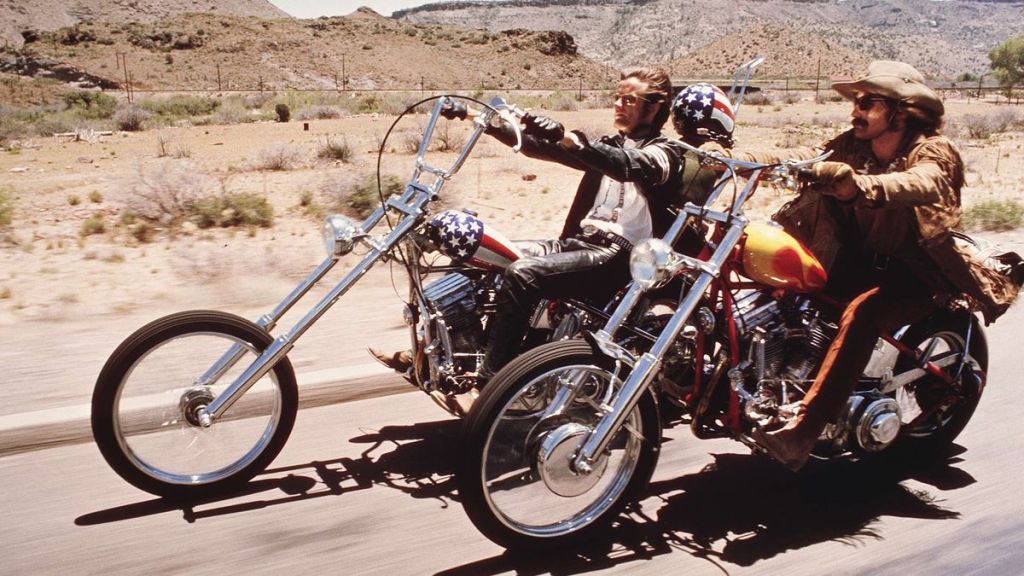
Hopper’s filmography is celebrated for its raw and authentic depiction of American life, often focusing on outsiders and antiheroes. In Easy Rider, he explores the themes of personal freedom, societal disillusionment, and the American Dream, presenting a road trip narrative that exposes the viewer to the diverse and sometimes contradictory aspects of American culture. The film’s visual style, including its use of jump cuts and long, contemplative shots of the American landscape, underscored the characters’ alienation and search for meaning, resonating deeply with audiences at the time.
Additionally, Hopper had a distinctive approach to storytelling, opting for experimental techniques and a willingness to take risks to capture the essence of the narrative. For instance, in Out of the Blue, he presents a gritty and unsettling portrayal of a disintegrating family, utilising a disjointed narrative structure and stark cinematography to convey the chaos and instability of the protagonists’ lives. His films are also known for their intense and immersive performances, with Hopper often encouraging actors to explore and fully inhabit their roles, resulting in characters that are as compelling and complex as the stories they inhabit.
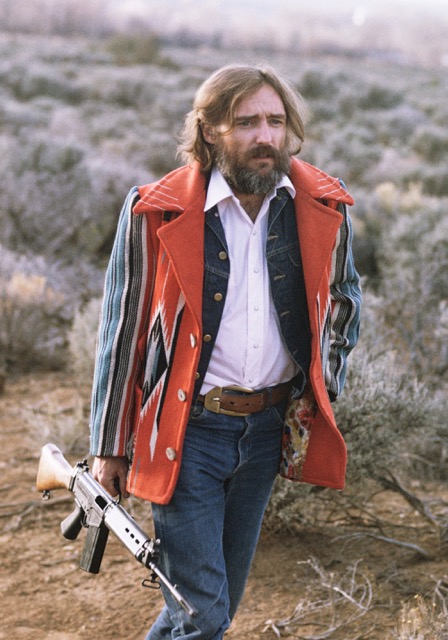
Dennis Hopper (1936 – 2010)
Calculated Films:
- Easy Rider (1969)
- Out of the Blue (1980)
Similar Filmmakers
- Amos Poe
- Arthur Penn
- Bob Rafelson
- Charles Burnett
- Curtis Harrington
- Hal Ashby
- Henry Jaglom
- Jim Jarmusch
- Jim McBride
- John Cassavetes
- Kent Mackenzie
- Monte Hellman
- Peter Fonda
- Robert Altman
- Robert Downey Sr
- Sam Peckinpah
- Sean Penn
- Wim Wenders

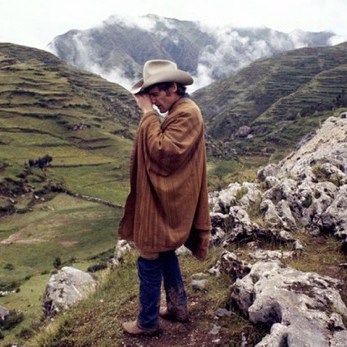

Dennis Hopper’s Top 5 Films Ranked
1. The Last Movie (1971)
Genre: Psychological Drama, Postmodernism
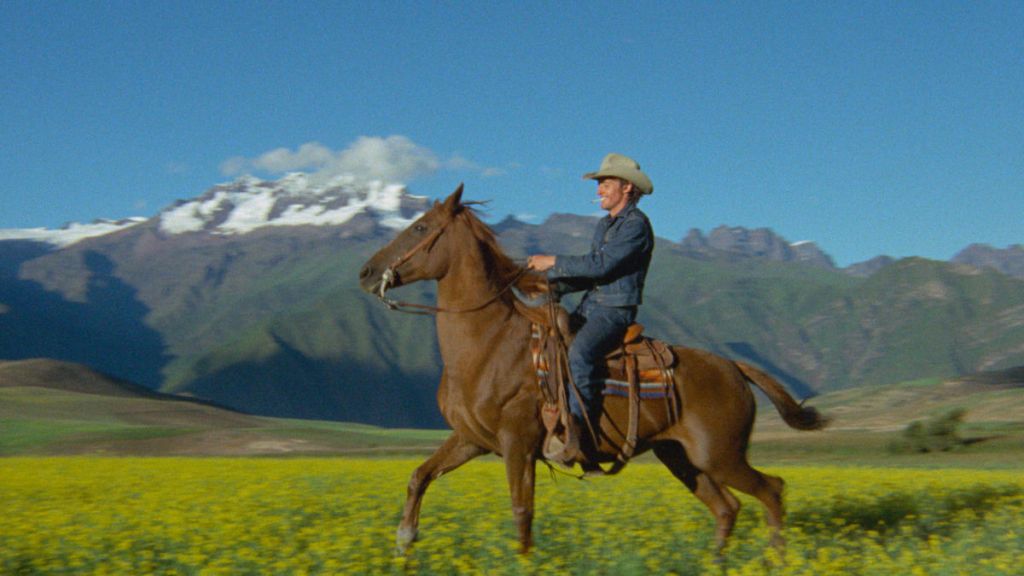
2. Out of the Blue (1980)
Genre: Psychological Drama, Coming-of-Age
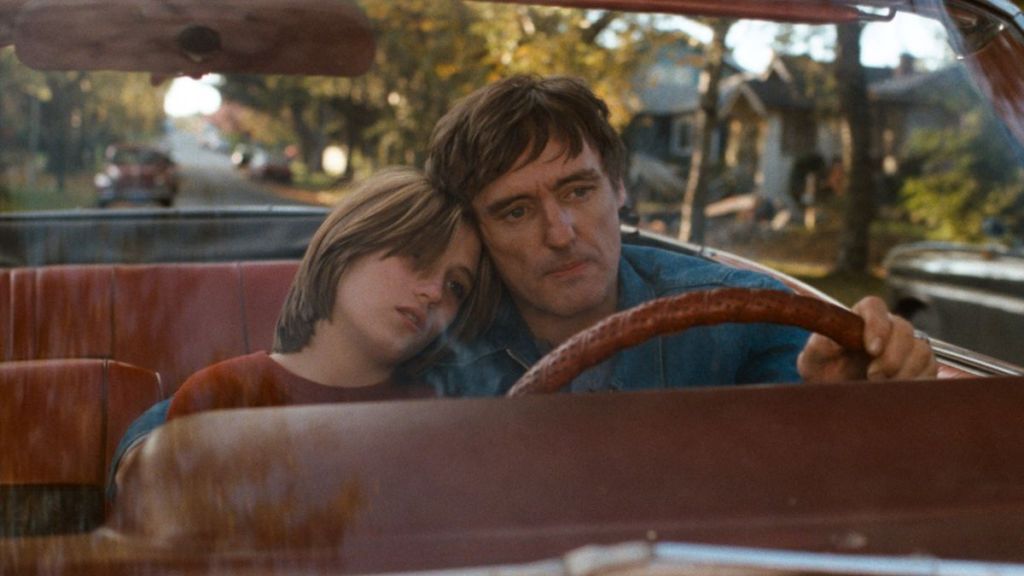
3. Easy Rider (1980)
Genre: Road Movie, Drama, Bikersploitation, Buddy
4. Colors (1988)
Genre: Drama, Crime, Buddy Cop

5. The Hot Spot (1990)
Genre: Neo-Noir, Crime

Dennis Hopper: Themes and Style
Themes:
- Rebellion and Counterculture: Hopper frequently explored themes of rebellion against mainstream societal norms. This is most evident in Easy Rider, where two bikers set out on a cross-country journey in search of the true essence of American freedom.
- Fragmentation of the American Dream: Several of Hopper’s films depict characters who are disillusioned with the traditional concept of the American Dream, often facing external pressures and internal conflicts.
- Isolation and Alienation: Characters in Hopper’s films often grapple with feelings of isolation and alienation, be it from society at large or within their interpersonal relationships.
- Cinematic Commentary: Hopper was deeply engaged with the film industry, and some of his works offer a commentary on the nature of Hollywood and filmmaking itself, as seen in The Last Movie.
Styles:
- Experimental Techniques: Hopper wasn’t afraid to embrace avant-garde and unconventional filming techniques. This includes disjointed narrative structures and the use of rapid edits, as was revolutionary in Easy Rider.
- Vivid Imagery: Hopper had a knack for capturing America’s landscapes, turning them into evocative backdrops that often paralleled the internal journeys of his characters.
- Soundtracks as Storytellers: Hopper strategically used music to narrate the mood and sentiments of a scene. The rock ‘n’ roll soundtrack of Easy Rider is a prime example, helping define the era and views of the counterculture movement.
- Naturalistic Performances: Hopper often encouraged improvisation among his actors, aiming for a more realistic performance that resonated with the raw, real emotions of the characters.
Directorial Signature:
- Authentic Portrayals of Subcultures: Hopper had a unique ability to delve deep into American subcultures, giving audiences an authentic look into worlds they might be unfamiliar with.
- Personal Investment: Many of Hopper’s films, especially those he directed, carried elements of his personal experiences, views, and struggles, making them deeply introspective and often semi-autobiographical.
- Social Commentary: A signature trait of Hopper’s direction was his unflinching desire to comment on societal issues, whether it was the tensions of the Vietnam War era, the allure and pitfalls of Hollywood, or the broader existential crisis of modern life.
Dennis Hopper – Great Director


 Bronze Screen Dream