

Delmer Daves was an American filmmaker acclaimed primarily for his works in the Western and war genres during Hollywood’s classical era. While not as widely recognised as some of his contemporaries, Daves’ films are cherished for their distinct narratives, character developments, and innovative storytelling techniques.
Daves’ journey in the film industry began in the 1930s, initially working as a screenwriter before transitioning into directing. His directorial debut came with Destination Tokyo, a wartime drama that showcased his ability to blend tense narrative pacing with strong character development. This film marked the beginning of a diverse and successful career, with Daves not confining himself to any single genre. However, it was during the 1950s that Daves truly found his footing in Hollywood, particularly with his contributions to the Western genre. Broken Arrow, notable for its sympathetic portrayal of Native Americans, marked a significant moment in his career, challenging the prevailing stereotypes and setting a new standard for the genre.
As Daves’ career progressed, he continued to explore and redefine the boundaries of the Western, culminating in the critically acclaimed 3:10 to Yuma. This film, in particular, demonstrated Daves’ skill in creating tension and psychological depth within the framework of a Western, further establishing his reputation as a masterful storyteller. Despite the highs, Daves’ career also experienced fluctuations, with some of his later works not achieving the same level of critical or commercial success. Nonetheless, films like The Hanging Tree and Jubal continued to receive praise for their innovative approach to genre and character.
In addition to his notable contributions to the Western genre, Daves also ventured into other areas, including romantic dramas such as A Summer Place, which became a significant hit and showcased his versatility as a director. This film, along with others in his oeuvre, highlighted Daves’ ability to craft compelling narratives across a variety of genres, although his legacy remains most closely associated with his reinvention of the Western.
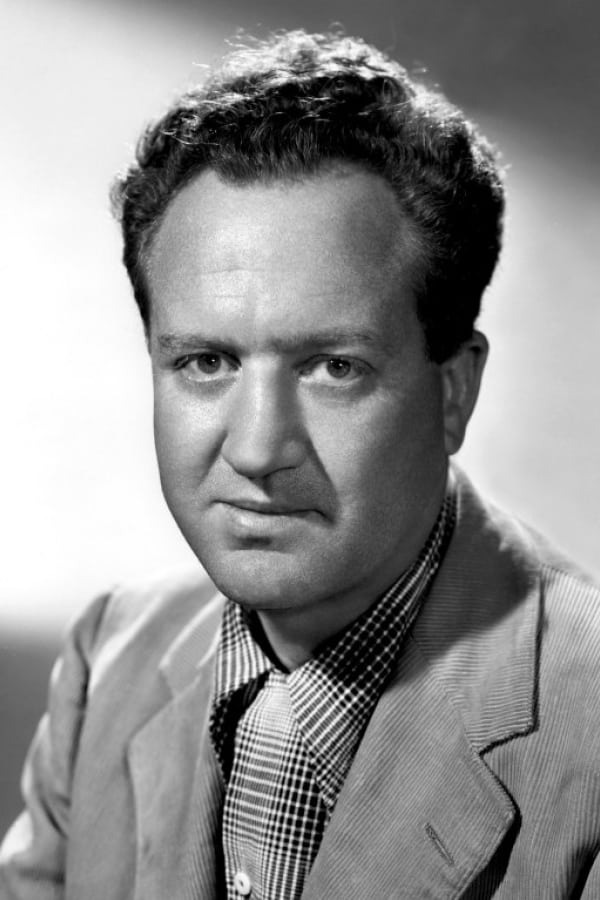
Delmer Daves (1904 – 1977)
Calculated Films:
- Dark Passage (1947)
- 3:10 to Yuma (1957)
Similar Filmmakers
- Allan Dwan
- Andre de Toth
- Anthony Mann
- Budd Boetticher
- Edward Dmytryk
- Fritz Lang
- Gordon Douglas
- Harry Keller
- Henry Hathaway
- John Ford
- John Sturges
- Michael Curtiz
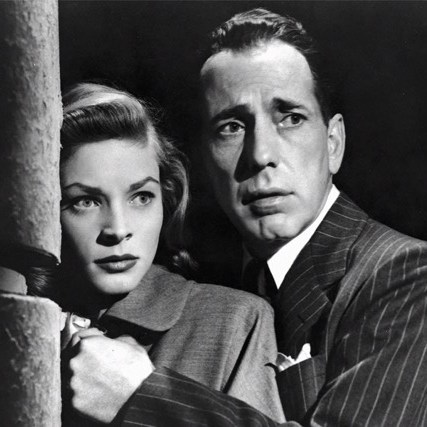

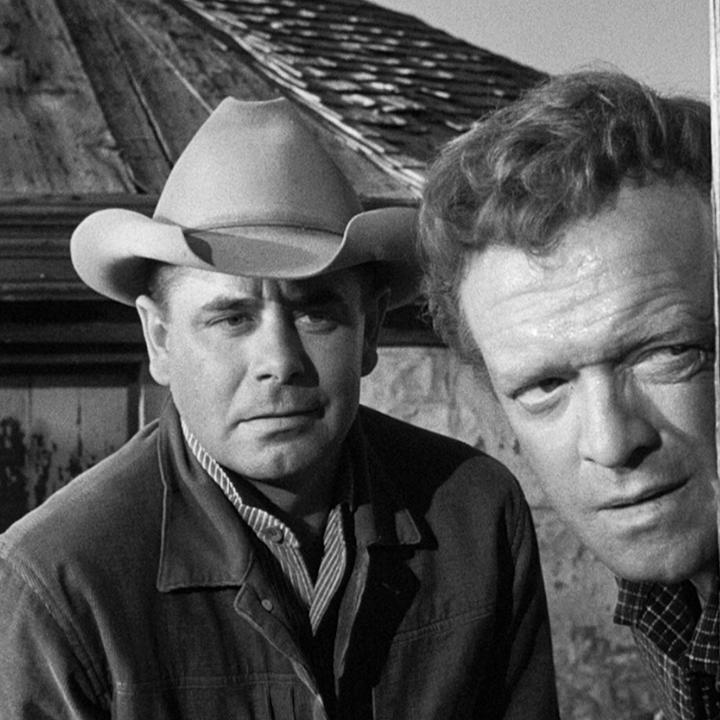
Delmer Daves’ Top 5 Films Ranked
1. Dark Passage (1947)
Genre: Film Noir, Thriller, Mystery

2. 3:10 to Yuma (1957)
Genre: Western, Thriller
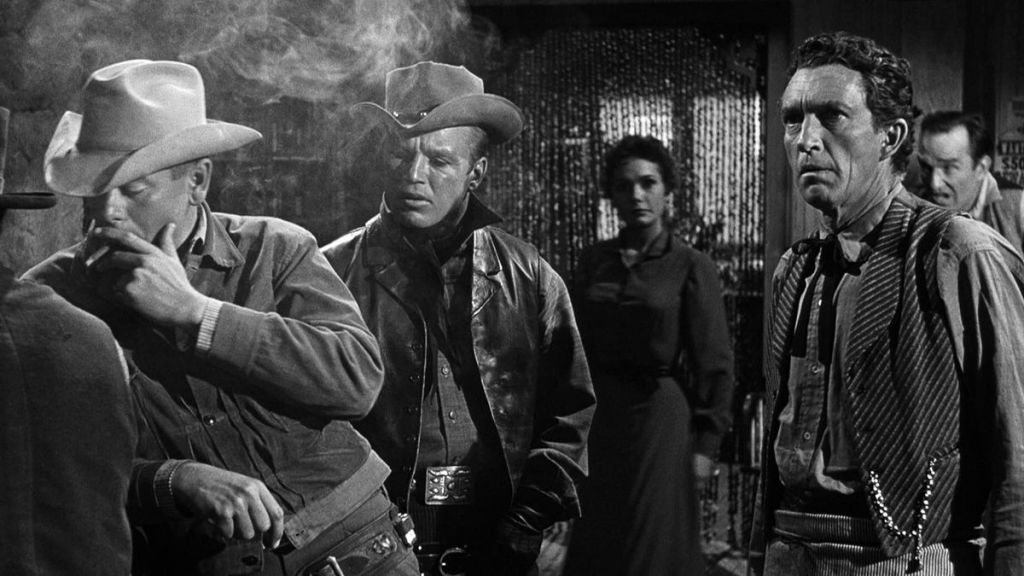
3. Broken Arrow (1950)
Genre: Western, Romance
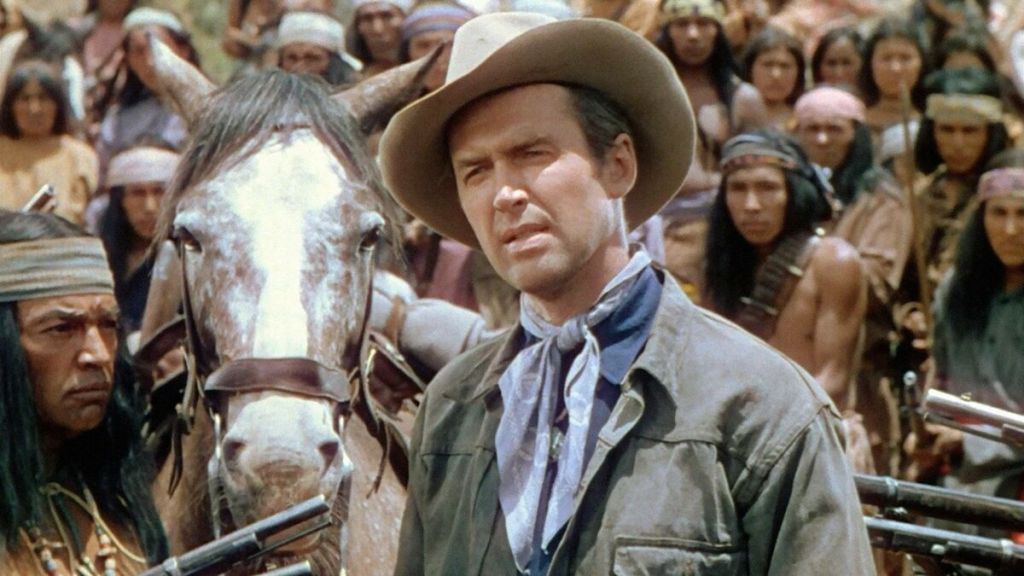
4. The Hanging Tree (1959)
Genre: Western

5. Jubal (1956)
Genre: Western, Melodrama
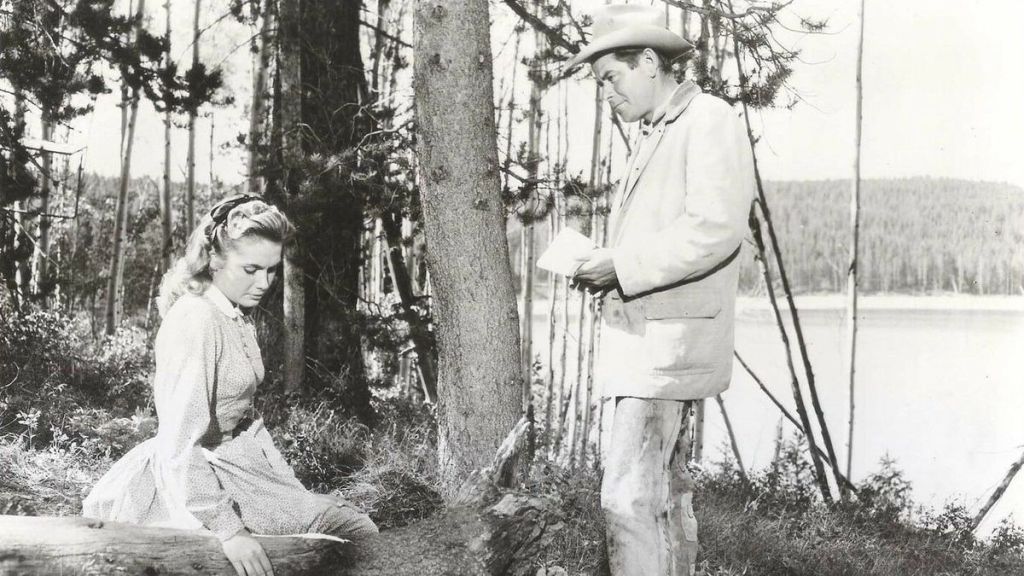
Delmer Daves: Themes and Style
Themes:
- Romantic Idealism: Many of Daves’s films embody a sense of romantic idealism, where characters navigate complex emotional landscapes. His narratives often explore themes of love, sacrifice, and commitment, providing audiences with a deeply romanticised view of relationships and human connections.
- Moral Ambiguity: Daves had a propensity for exploring the ambiguous nature of morality within his characters. He often depicted individuals grappling with internal conflicts and ethical dilemmas, thereby offering a nuanced portrayal of good and evil, right and wrong.
- Redemption & Transformation: Several of Daves’s films spotlight characters undergoing significant personal transformations, usually leaning towards redemption. These narratives often involve protagonists working through their past mistakes or grappling with their conscience to eventually emerge as morally redeemed individuals.
- War and Its Consequences: Daves, having served in the military, integrated themes related to war and its aftermath into his work. He delved into the psychological and emotional impact of warfare on individuals and society, highlighting the struggle for reintegration and the pursuit of normalcy post-conflict.
Styles:
- Visual Mastery: Daves exhibited a strong command over the visual aspect of filmmaking. His films are recognised for their striking cinematography, precise framing, and careful composition, which work together to create a distinctive aesthetic that enhances the narrative’s emotional depth and atmospheric qualities.
- Melodramatic Elements: Daves’s directorial approach often incorporated elements of melodrama to heighten the emotional intensity of his films. Through the use of dramatic music, expressive acting, and poignant dialogues, he was able to convey a spectrum of emotions, from despair and tension to joy and relief.
- Narrative Pacing: One of the hallmarks of Daves’s style is his measured pacing. His films often unfold gradually, allowing the story to breathe and the characters to develop organically. This slow-building tension and focus on character development are integral to his storytelling technique, fostering a deeper audience connection to the narrative.
Directorial Signature:
- Humanist Approach: At the core of Daves’s filmmaking is a distinct humanist perspective. His directorial vision is deeply rooted in the exploration and celebration of the human experience, with a focus on the emotional and moral complexities that define individuals.
- Intimate Character Studies: Daves had a knack for crafting in-depth character studies. His films often provide a window into the souls of his characters, examining their fears, desires, strengths, and vulnerabilities. This focus on character depth and development is central to his storytelling, offering audiences a closer look at the intricacies of the human psyche.
- Atmospheric Storytelling: Daves was adept at creating a palpable sense of atmosphere within his films. Whether it’s the tense ambience of a wartime drama or the passionate milieu of a romantic tale, he masterfully built environments that reflected and amplified the emotional tone of the story.
- Genre Versatility: While Daves worked across various genres, including war films, westerns, and romances, he managed to imprint his unique directorial signature on each project. His approach to genre was fluid and adaptable, allowing him to explore diverse narrative themes while maintaining a consistent stylistic and thematic through-line.
Delmer Daves – Great Director


 Bronze Screen Dream