
Delbert Mann was an American director acclaimed for his work in television and film. He is perhaps best known for his successful transition from the golden age of television drama to mainstream cinema, exemplified by his direction of the classic Marty, which won the Academy Award for Best Picture and the Palme d’Or at the Cannes Film Festival. Mann’s films are recognised for their strong character-driven narratives and sensitive portrayal of ordinary people’s lives.
Mann’s career began in television, where he directed numerous live TV dramas during the 1950s, a period often referred to as the golden age of television. This experience heavily influenced his cinematic technique, favouring tight, narrative-focused storytelling and an emphasis on character development over spectacle or action. His transition to film was marked by Marty, a project that originated as a TV drama.
Mann’s ability to evoke powerful performances from his actors and his knack for storytelling was evident in his seamless adaptation of the small screen project to a feature-length film. His subsequent works, such as The Bachelor Party and Middle of the Night, continued to explore themes of loneliness, social isolation, and the search for personal connection, often set against the backdrop of urban America.
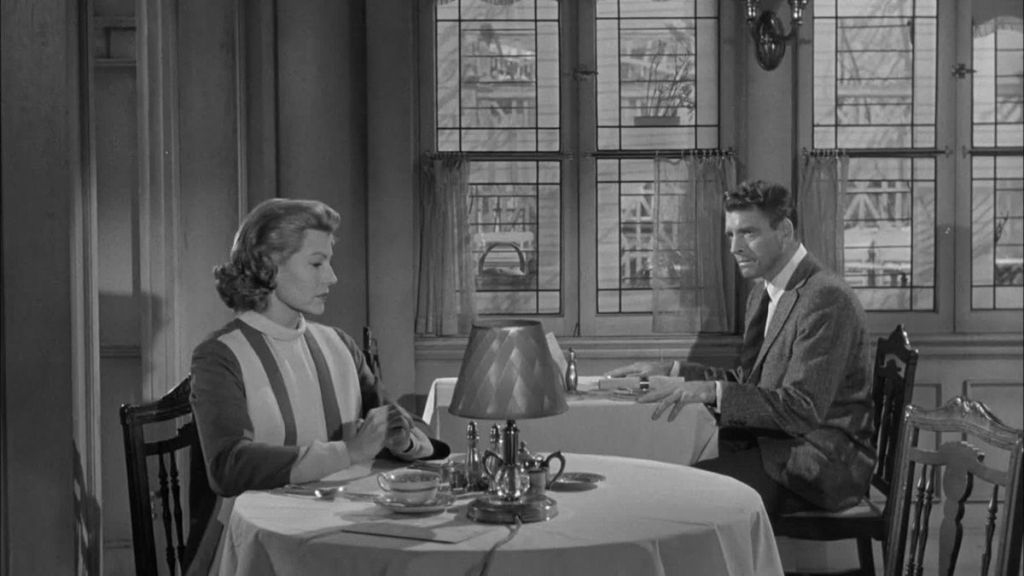
Mann’s visual style was unobtrusive, serving the story and the actors rather than drawing attention to itself. He favoured straightforward compositions and naturalistic lighting, which helped ground his films in a reality that was relatable to the average viewer. This approach allowed the emotional depth of the characters and the narrative to take centre stage, making his films accessible yet deeply resonant. Mann’s work on Separate Tables, for example, showcases his skill in weaving multiple narratives into a cohesive whole, focusing on the nuanced interactions between characters to explore themes of love, loneliness, and redemption.
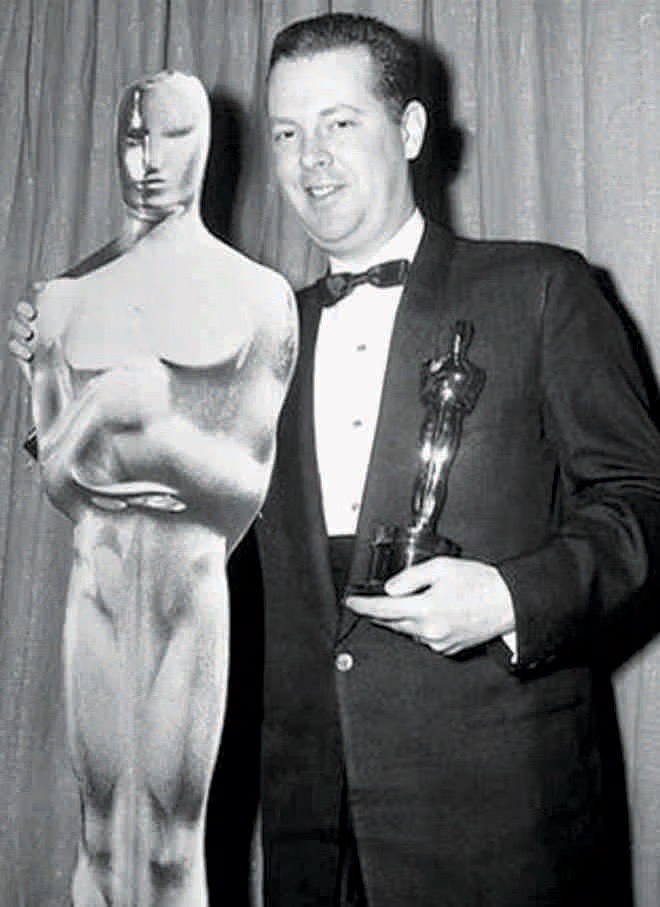
Delbert Mann (1920 – 2007)
Calculated Films:
- Marty (1955)
Similar Filmmakers
- Alex Segal
- Blake Edwards
- Daniel Petrie
- Elia Kazan
- Fred Zinnemann
- George Cukor
- George Schaefer
- George Stevens
- Guy Green
- Joseph L. Mankiewicz
- Martin Ritt
- Norman Jewison
- Peter Tewksbury
- Ralph Nelson
- Richard Quine
- Robert Mulligan
- Sidney Lumet
- William Wyler
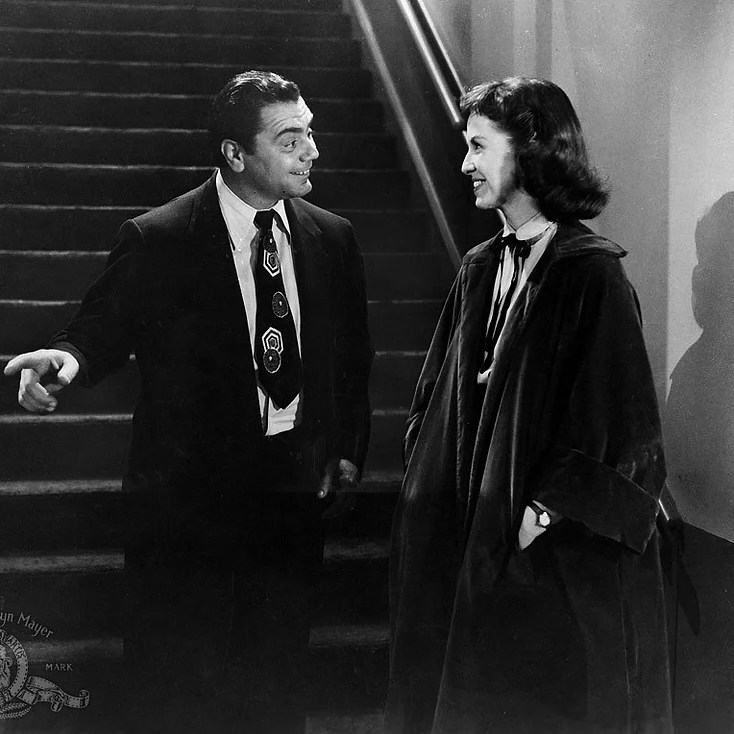
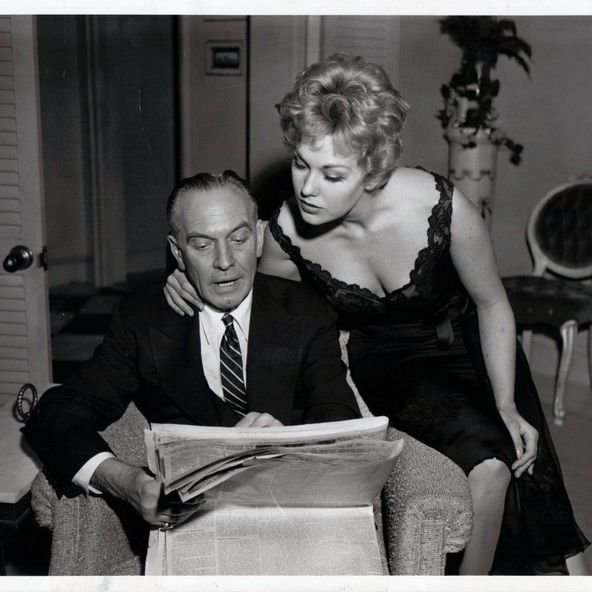
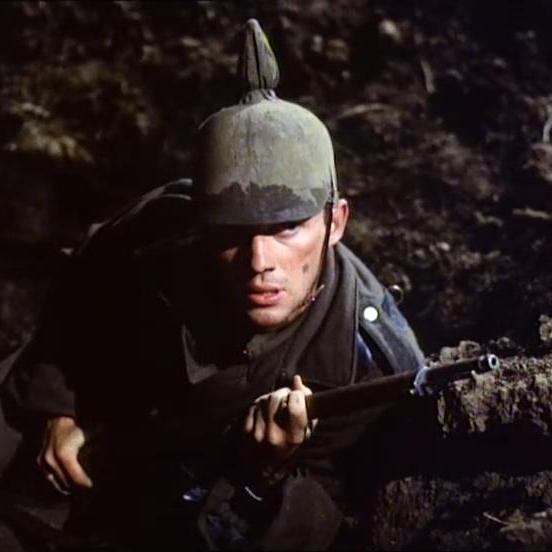
Delbert Mann’s Top 5 Films Ranked
1. Marty (1955)
Genre: Drama, Romance, Slice of Life
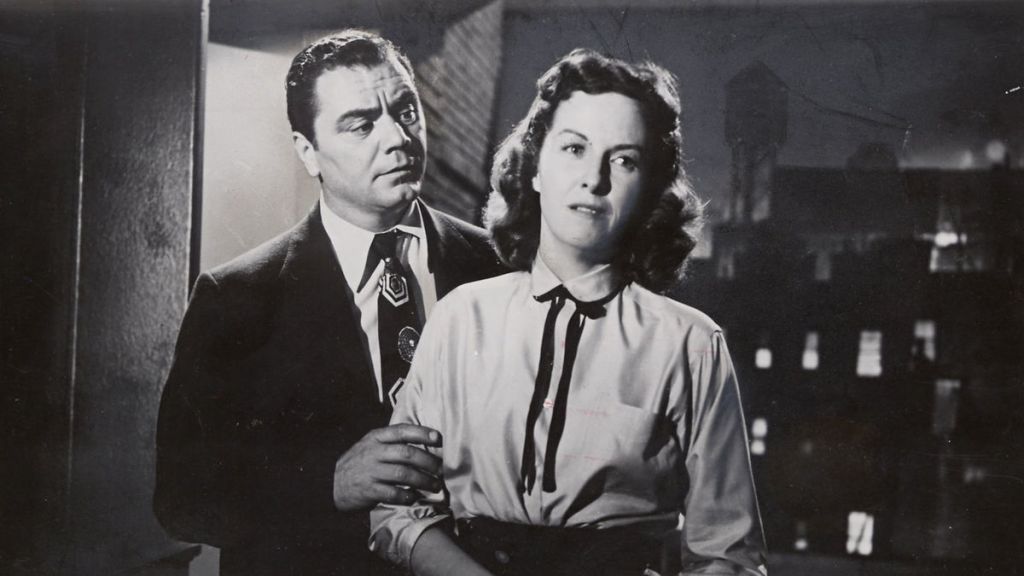
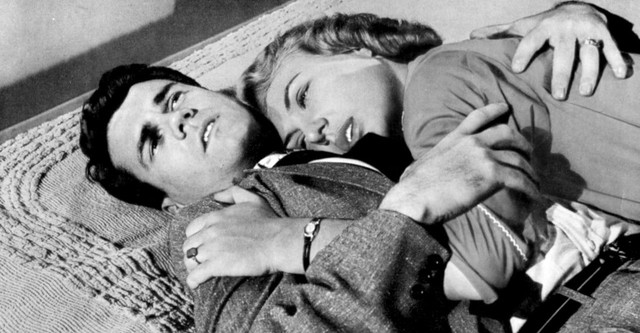
2. Middle of the Night (1959)
Genre: Drama, Romance
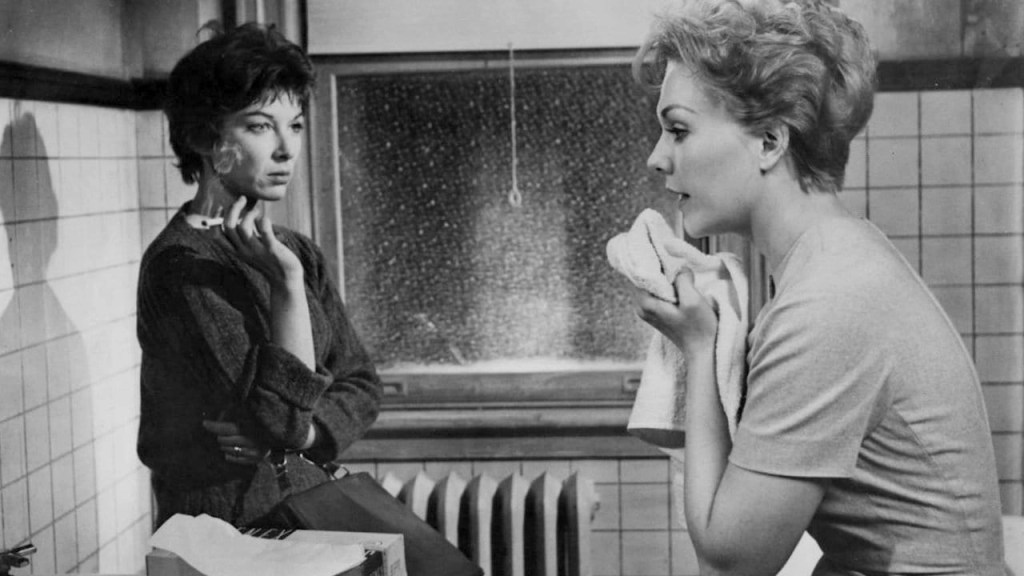
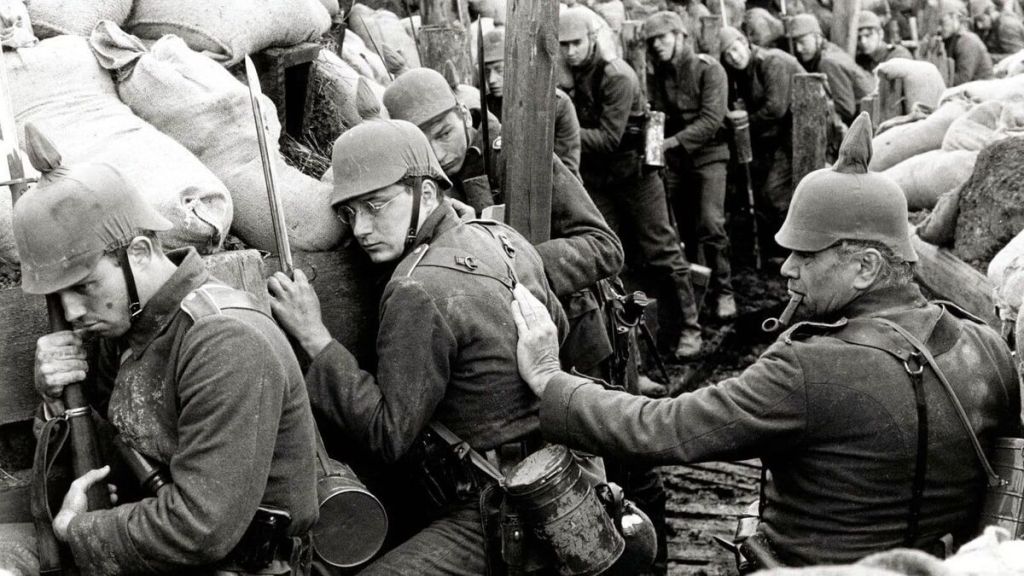
3. All Quiet on the Western Front (1979)
Genre: War, Period Drama
4. Separate Tables (1958)
Genre: Melodrama, Hyperlink Cinema
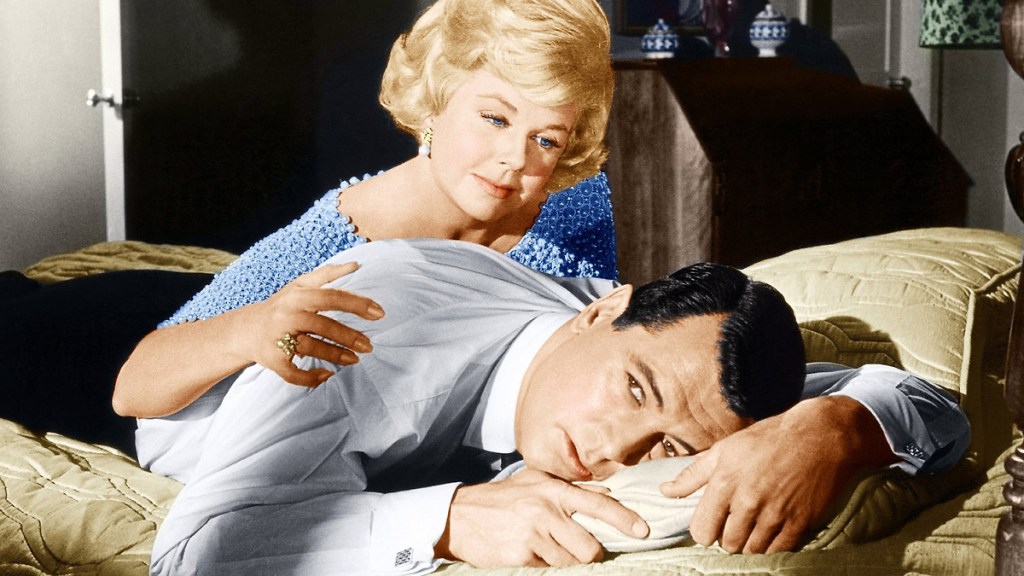
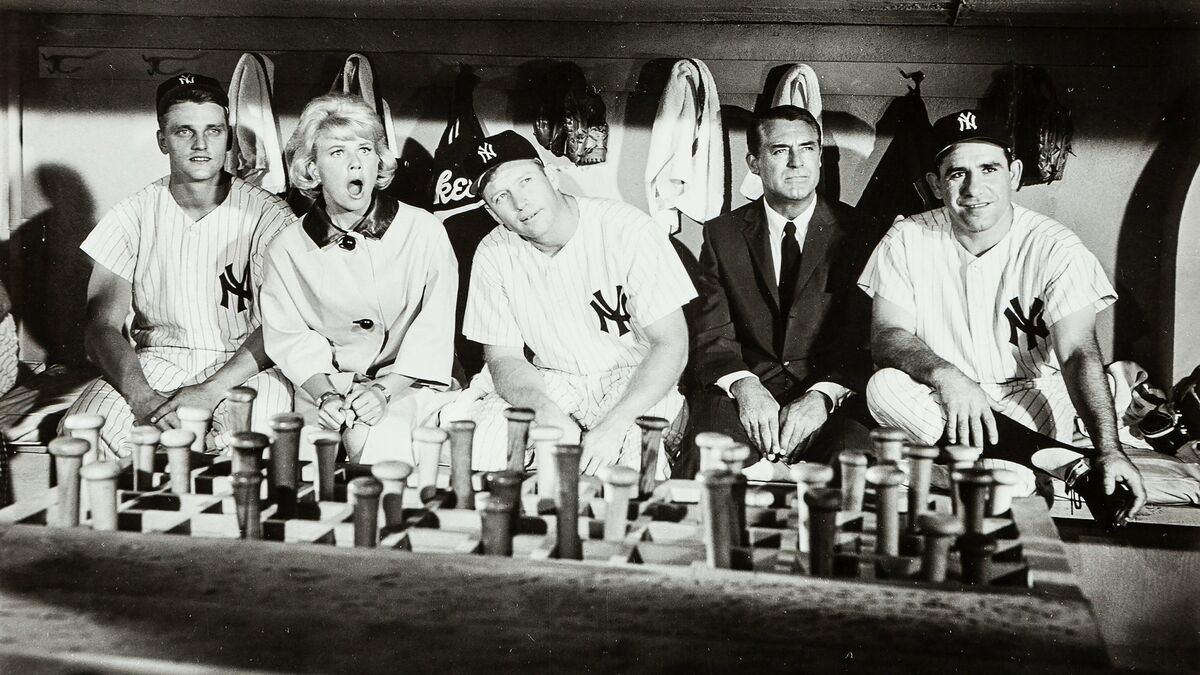
5. Lover Come Back (1961)
Genre: Romantic Comedy
Delbert Mann: Themes and Style
Themes:
- Human Connection: Delbert Mann’s films frequently delve into the intricacies of human relationships, often highlighting the profound sense of isolation and the innate human yearning for connection. In Marty, this theme is poignantly explored through the protagonist’s lonely life and his quest for love, offering a touching commentary on the universal search for companionship and understanding in a seemingly indifferent world.
- Social Realism: Mann had a keen eye for portraying the realities of everyday life, grounding his narratives in the authentic experiences of ordinary people. The Bachelor Party is a prime example, where the narrative revolves around the personal and collective anxieties of a group of men, reflecting on their dreams, disappointments, and the unvarnished truth of their mundane realities, thus painting a vivid picture of mid-20th-century urban life.
- Individual vs. Society: A recurring theme in Mann’s oeuvre is the tension between individual desires and societal expectations. Films like Middle of the Night explore the complexities of relationships that defy social norms, such as age disparity in romance. These films prompt audiences to reflect on the constraints society imposes on personal happiness and the courage it takes to challenge these norms.
- Transformation and Redemption: Mann often focused on characters undergoing transformative journeys, both internally and in their external circumstances. In Marty, the eponymous character’s evolution from a resigned bachelor to someone who takes a chance on love exemplifies this theme.
Styles:
- Naturalistic Performances: Mann’s directorial approach was particularly noted for drawing out performances that felt deeply authentic and resonant with everyday reality. This was achieved through his empathetic guidance and the creation of a conducive environment for actors to delve into their characters’ psyches, resulting in portrayals that were rich, nuanced, and profoundly human.
- Television Influence: Originating from a robust background in television, Mann brought to his films a distinctive style characterised by close-up shots and a focus on dialogue, creating an intimate atmosphere that drew viewers closer to the characters’ emotional landscapes.
- Adaptation of Stage Plays: Mann’s skill in adapting stage plays to the screen is notable. He seamlessly translated the emotional intensity and character-driven narratives of the theatre into cinematic experiences, maintaining the original works’ integrity while opening up new dimensions.
- Simplicity and Clarity: Eschewing the ornate and the superfluous, Mann’s directorial style was marked by clarity and simplicity, focusing on the essence of the story and its characters.
Directorial Signature:
- Emotional Depth: Mann’s films are distinguished by their profound emotional depth, engaging audiences at a visceral level. Through careful character development and storytelling, he invites viewers into the intimate worlds of his characters, making their joys, sorrows, and dilemmas our own.
- Focus on Ordinary People: Mann’s cinematic world is populated by ordinary individuals whose lives and stories become the focal point of fascinating narratives.
- Intimate Settings: Mann’s preference for setting his stories within intimate, relatable environments contributes significantly to his signature style. By focusing on familiar settings—be it a modest home, a neighborhood bar, or a workplace—Mann crafts a relatable backdrop that enhances the narrative’s emotional authenticity, fostering a stronger connection between his characters and the audience.
- Seamless Transition from TV to Film: One of the defining features of Mann’s career was his seamless transition from television to film, bringing with him the narrative depth and character-focused storytelling that characterised TV drama.
Delbert Mann – Great Director
 Bronze Screen Dream