
David Lean was a British filmmaker who carved a distinct niche with his masterful blend of expansive, epic narratives and intricate character studies. His memorable and award-winning filmography, which includes notable films such as The Bridge on the River Kwai, Lawrence of Arabia, and Doctor Zhivago, is a testament to his unique blend of storytelling, showcasing grand historical or geographical backdrops interwoven with deeply personal narratives. Lean’s meticulous attention to visual detail and profound understanding of the human condition has left an indelible mark on cinema.
Born in 1908 in Croydon, Surrey, England, Lean embarked on his filmmaking journey as a clapperboard assistant at the British film studio Gaumont. His journey from the editing room to the director’s chair was gradual, beginning with his role as an uncredited editor for newsreels before transitioning to feature films. His early career as a film editor laid the foundation for his directorial work, giving him a deep understanding of rhythm, pacing, and visual storytelling. This editing background strongly influenced his directorial style, resulting in narratives that were visually spectacular, intricately paced, and rhythmically engaging.
Lean’s films were often thematically grand, featuring stories of epic proportions, yet they were also marked by a focused exploration of individual characters and their inner worlds. A fine illustration of this can be seen in Lawrence of Arabia, which brilliantly intertwines the grandiosity of historical events with an intimate portrayal of T.E. Lawrence’s enigmatic persona. Many of his films were also adaptations of literary works, as seen in his interpretations of Charles Dickens’s novels Great Expectations and Oliver Twist. This balance between the epic and the intimate, between adaptation and original storytelling, became a defining feature of Lean’s cinema.
Expansive Scopes
In terms of visual style, Lean’s work stood apart due to his meticulous framing and use of expansive wide shots. This characteristic style is most evident in Lawrence of Arabia, renowned for its breathtaking desert vistas. His deep understanding of the visual medium, honed by years of editing, allowed him to harness cinematography’s full potential to enhance his films’ narrative impact. He also displayed a keen understanding of sound design, often leveraging both sound and silence to augment the emotional resonance of his scenes.
His collaborations, notably with screenwriter Robert Bolt and cinematographer Freddie Young, greatly contributed to the critical acclaim that his films received. These partnerships resulted in films renowned for their narrative strength, visual richness, and technical finesse. Over his career, Lean’s work garnered numerous accolades, with his films regularly receiving high praise and recognition from the industry. He remains one of the few directors to have directed more than one Best Picture winner.
David Lean’s legacy in cinema extends far beyond his own prolific output. His work has deeply influenced a generation of filmmakers in the United Kingdom and internationally. American directors such as Steven Spielberg and Martin Scorsese have cited Lean as a key inspiration, echoing his mastery of epic storytelling and character development in their work. Lean’s films continue to be celebrated for their visual splendour, narrative depth, and thematic complexity, marking him as a true giant of world cinema.

David Lean (1908 – 1991)
Calculated Films:
- In Which We Serve (1942)
- This Happy Breed (1944)
- Brief Encounter (1945)
- Blithe Spirit (1945)
- Great Expectations (1946)
- Oliver Twist (1948)
- The Passionate Friends (1949)
- Hobson’s Choice (1954)
- The Bridge on the River Kwai (1957)
- Lawrence of Arabia (1962)
- Doctor Zhivago (1965)
- Ryan’s Daughter (1970)
Similar Filmmakers
- Fred Zinnemann
- James Ivory
- John Ford
- Lewis Gilbert
- Luchino Visconti
- Michael Powell & Emeric Pressburger


David Lean’s Top 10 Films Ranked
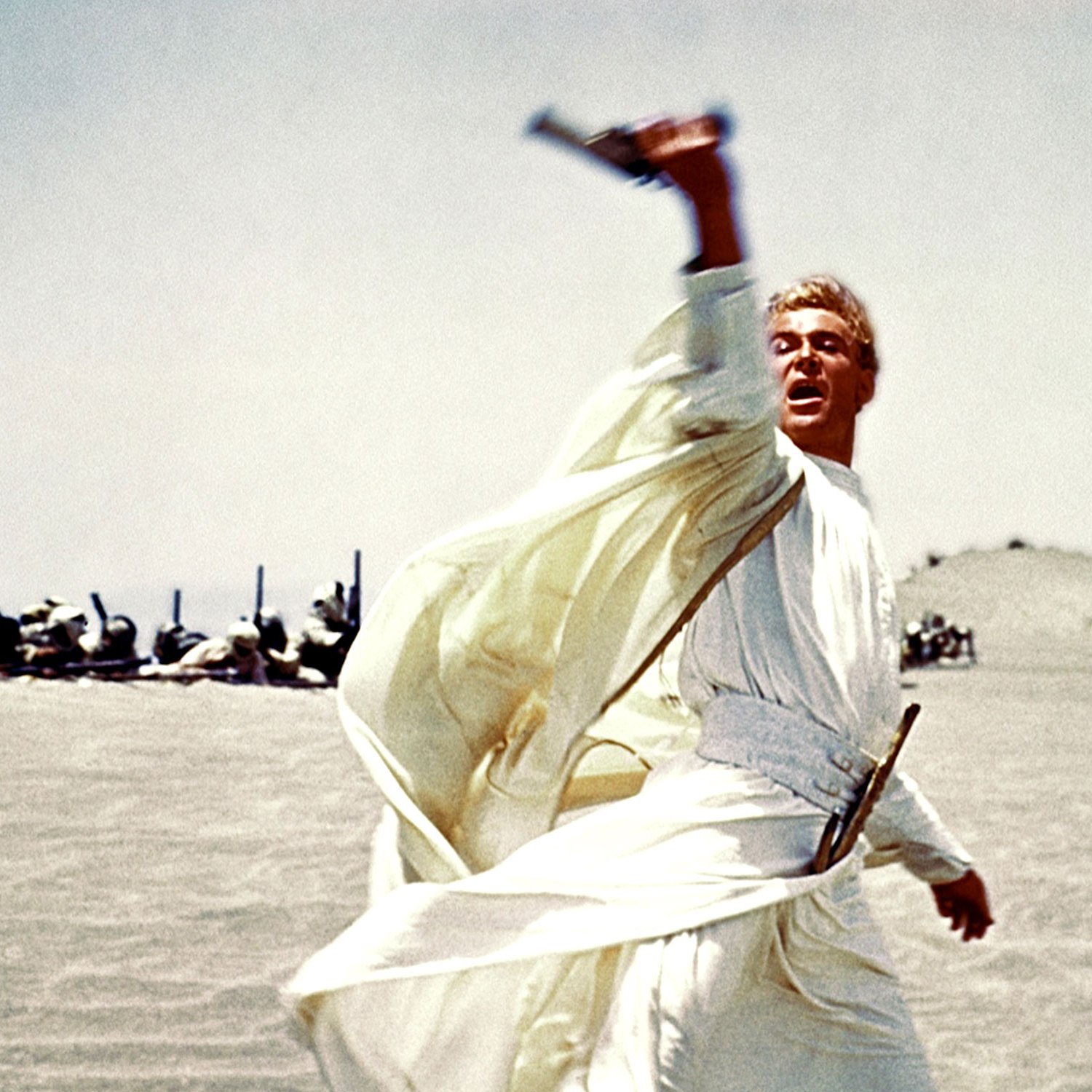
1. Lawrence of Arabia (1962)
Genre: Biographical, Adventure, War, Period Drama, Epic

2. Brief Encounter (1945)
Genre: Romance, Melodrama

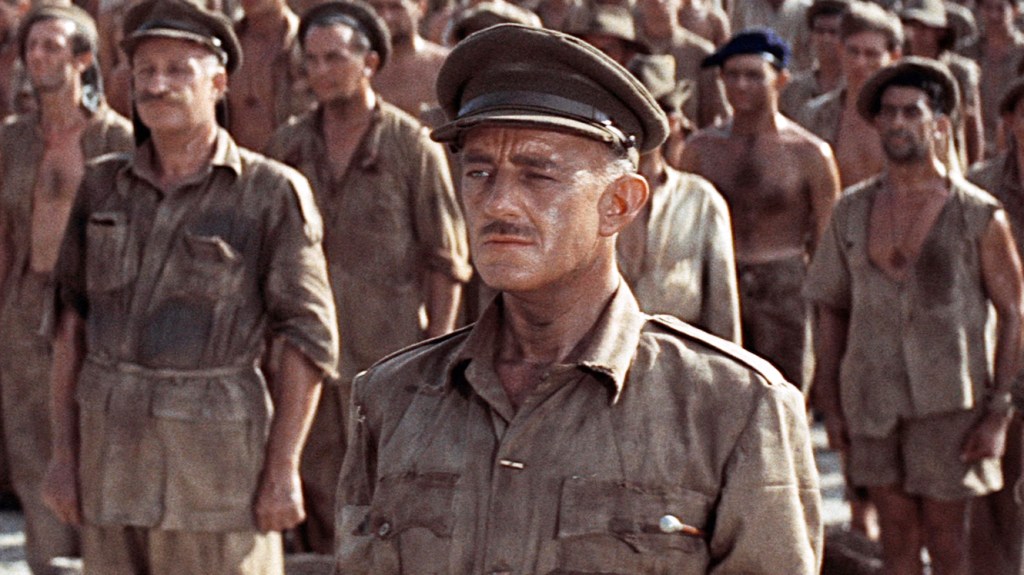
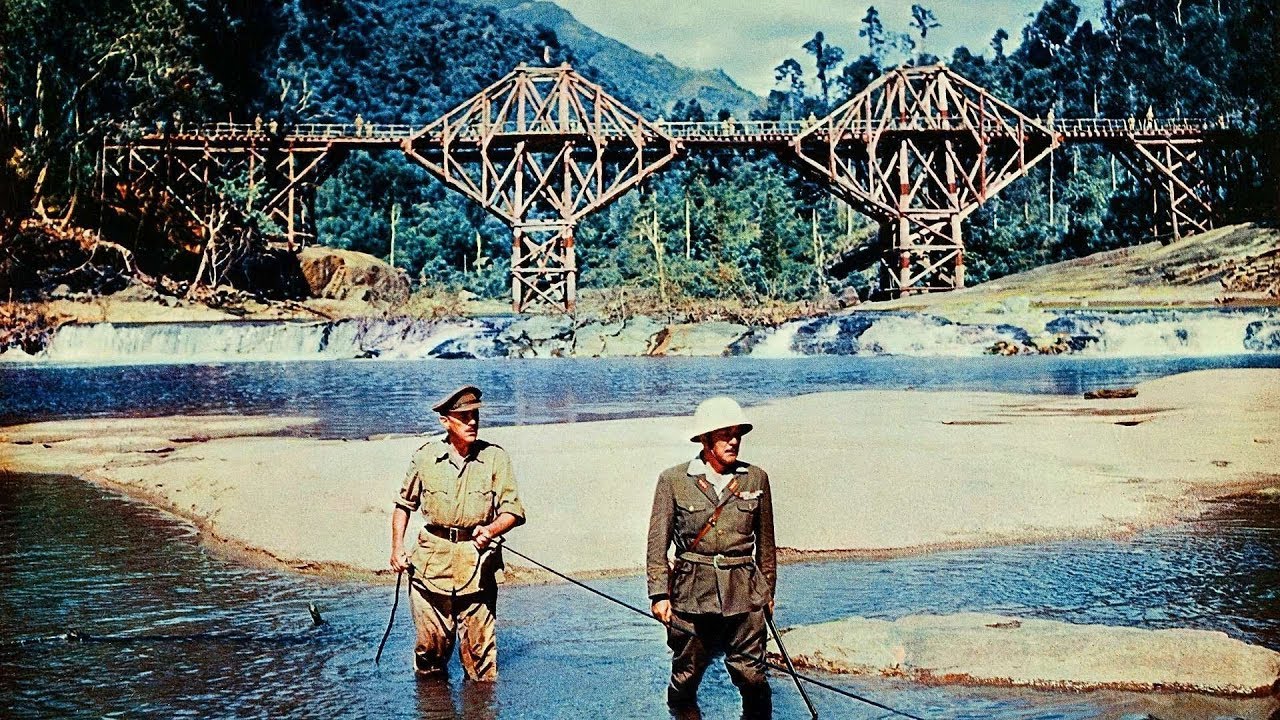
3. The Bridge on the River Kwai (1957)
Genre: War, Drama, Prison Film, Epic
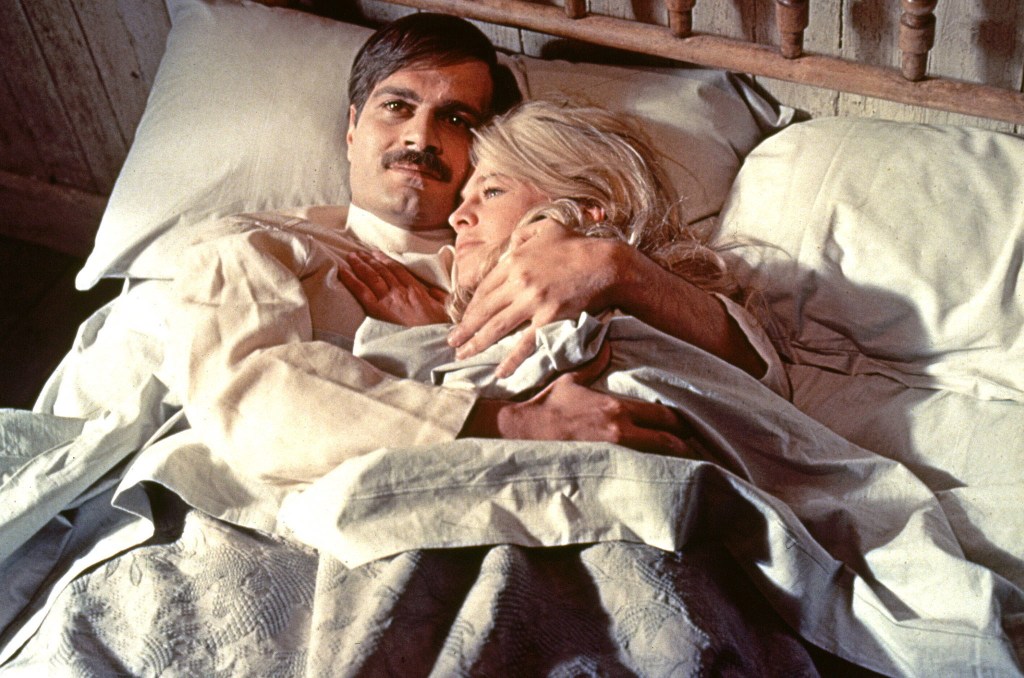
4. Doctor Zhivago (1965)
Genre: Period Drama, Romance, Epic
5. Great Expectations (1946)
Genre: Drama, Romance, Period Drama, Gothic
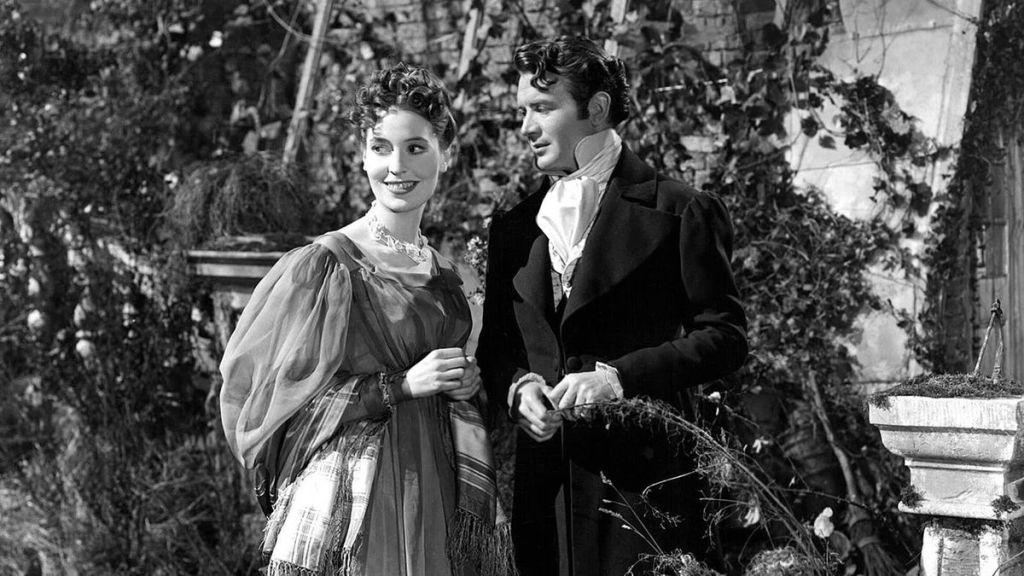
6. Hobson’s Choice (1954)
Genre: Comedy, Period Drama, Family Drama

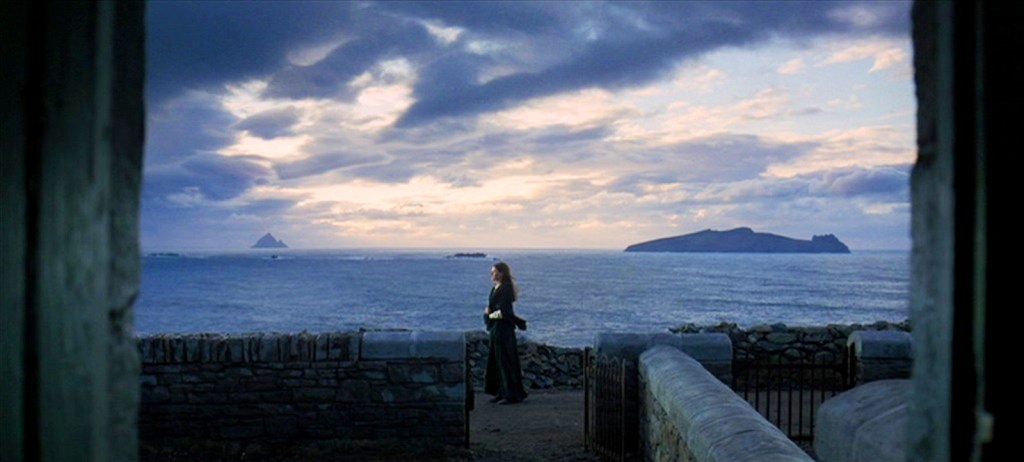
7. Ryan’s Daughter (1970)
Genre: Romance, Period Drama, Epic
8. Oliver Twist (1948)
Genre: Melodrama

9. The Passionate Friends (1949)
Genre: Romance, Drama

10. This Happy Breed (1944)
Genre: Drama, Family Drama

David Lean: Themes and Style
Themes:
- Epic Human Endeavors: David Lean often showcased the human spirit grappling with monumental tasks, as seen in Lawrence of Arabia, where the protagonist confronts both vast desert landscapes and complex cultural conflicts.
- Romanticism and Tragedy: His films, like Brief Encounter and Doctor Zhivago, deeply explore romantic entanglements that often end in sorrow, reflecting on the intense emotions and societal constraints faced by his characters.
- War and its Aftermath: Lean’s works, such as The Bridge on the River Kwai, frequently delve into the impacts of war, not just on a grand scale but also on the individuals who endure and survive its ravages.
- Transformation and Redemption: Characters in Lean’s movies are often depicted on a path of personal change, seeking redemption, like the transformation of Pip in Great Expectations.
Styles:
- Sweeping Landscapes: Lean was known for his panoramic shots that captured the vastness of the setting, which becomes a character itself, evident in the breathtaking scenery of Lawrence of Arabia.
- Meticulous Detail: Whether it was the period-accurate costumes of Doctor Zhivago or the intricate set designs of Oliver Twist, Lean’s attention to detail immersed viewers in the film’s universe.
- Masterful Use of Cinematography: He frequently used cinematography to enhance the narrative, employing techniques like the match cut in Lawrence of Arabia to juxtapose different scenes and themes.
- Powerful Score: Lean’s films were often accompanied by a compelling score that underscored the emotional and dramatic arcs, with Maurice Jarre’s music for Doctor Zhivago being iconic.
Directorial Signature:
- Collaboration with Renowned Screenwriters and Playwrights: Lean frequently collaborated with prominent literary figures such as Noël Coward and Robert Bolt, ensuring that his films had strong narrative foundations.
- Perfectionism in Filmmaking: He was known for his demanding nature and quest for perfection, often shooting numerous takes until every aspect met his exacting standards.
- Innovative Editing Techniques: Having started his career as an editor, Lean’s directorial work often featured creative editing. His transition from the blowing out of a match to the sunrise in Lawrence of Arabia is one of the most famous edits in cinema history.
- Dramatic Character Close-Ups: Lean’s use of close-up shots allowed audiences to connect deeply with the characters, conveying complex emotions with subtlety and intensity, as seen in Brief Encounter.
David Lean: The 44th Greatest Director



 Bronze Screen Dream