
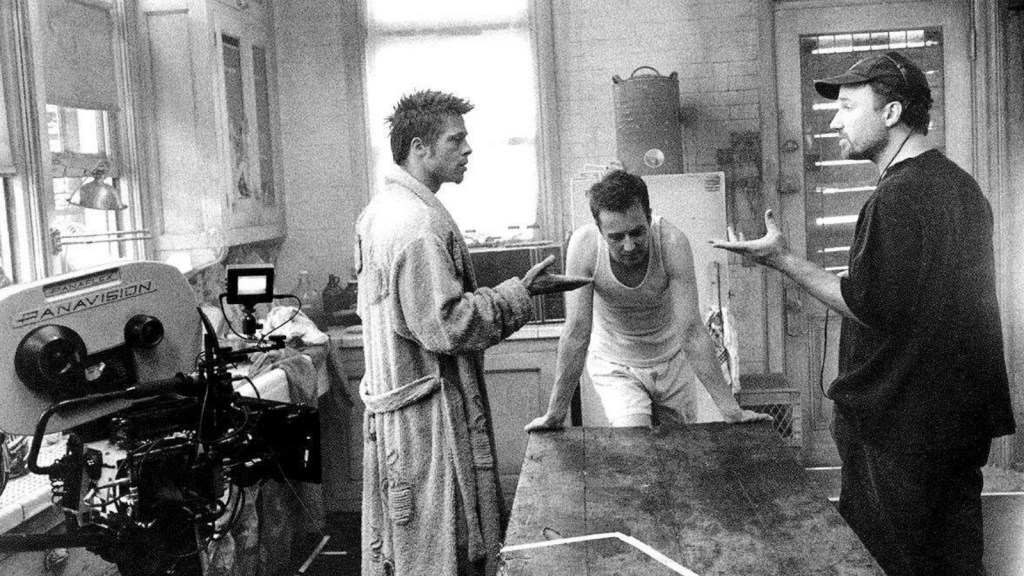
David Fincher, an American film director, is celebrated for his meticulous attention to detail, distinct visual style, and complex narrative structures. Known for his explorations of obsession, identity, and the darker side of human nature, Fincher has left an indelible mark on contemporary cinema. His work, which often includes adaptations of books and spans various genres, is best known for its psychological thrillers like Se7en and Zodiac.
Fincher began his career directing music videos and commercials, where he developed a strong visual style and meticulous approach to filmmaking. His big-screen debut with Alien 3 was a troubled production, but he rebounded with his second feature, Se7en, a commercial and critical success. This established Fincher as a leading director and marked the start of his successful collaboration with Brad Pitt, which would later include Fight Club and The Curious Case of Benjamin Button.
Fincher’s films often delve into themes of obsession, identity, and manipulation. His characters, who are frequently complex and flawed, navigate worlds filled with deception and corruption. These themes come alive through Fincher’s detailed visual style, characterised by a dark, desaturated colour palette, low lighting, and high contrast, creating a tense, moody atmosphere. Films like Fight Club and Gone Girl epitomise this approach, each offering a unique spin on their respective source material.
In addition to his thematic interests, Fincher’s filmmaking is known for its intricate narrative structures. His films often employ non-linear storytelling, weaving back and forth through time and perspective to fully flesh out his characters and their circumstances. This approach is exemplified in The Social Network, where the storyline shifts between different legal depositions and past events. Furthermore, Fincher has been at the forefront of digital filmmaking, using digital cameras, visual effects, and CGI to achieve his distinct visual aims.
Style and Substance
Fincher’s regular collaborations have played a crucial role in establishing the consistency of style and tone across his films. His ongoing work with composers Trent Reznor and Atticus Ross has resulted in some of the most memorable scores in recent cinema, their industrial and electronic soundscapes heightening the mood and tension of his narratives. Similarly, his partnerships with cinematographer Jeff Cronenweth and editor Kirk Baxter have contributed to the visual and narrative precision characterising his work.
David Fincher’s influence on contemporary cinema is considerable, with directors like Duncan Jones, Denis Villeneuve, and Jeremy Saulnier among those citing him as an inspiration. His attention to detail, innovative use of technology, and uncompromising storytelling have helped to redefine what is possible in film, making him one of the most influential directors of his generation. His films continue to inspire and challenge audiences, and his distinctive approach to the medium has left a lasting impact on the landscape of modern cinema.
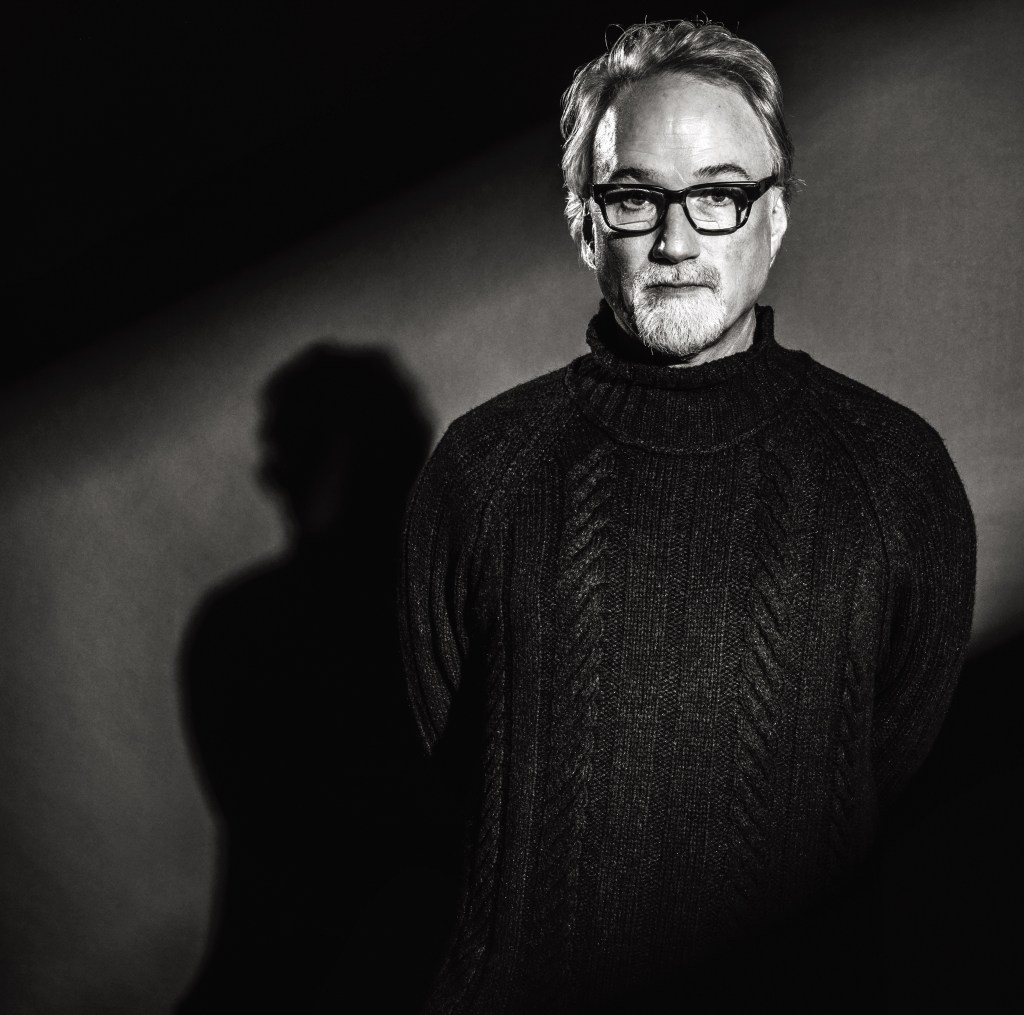
David Fincher (1962 – -)
Calculated Films:
- Se7en (1995)
- The Game (1997)
- Fight Club (1999)
- Zodiac (2007)
- The Curious Case of Benjamin Button (2008)
- The Social Network (2010)
- The Girl With The Dragon Tattoo (2011)
- Gone Girl (2014)
- Mank (2020)
Similar Filmmakers


David Fincher’s Top 10 Films Ranked
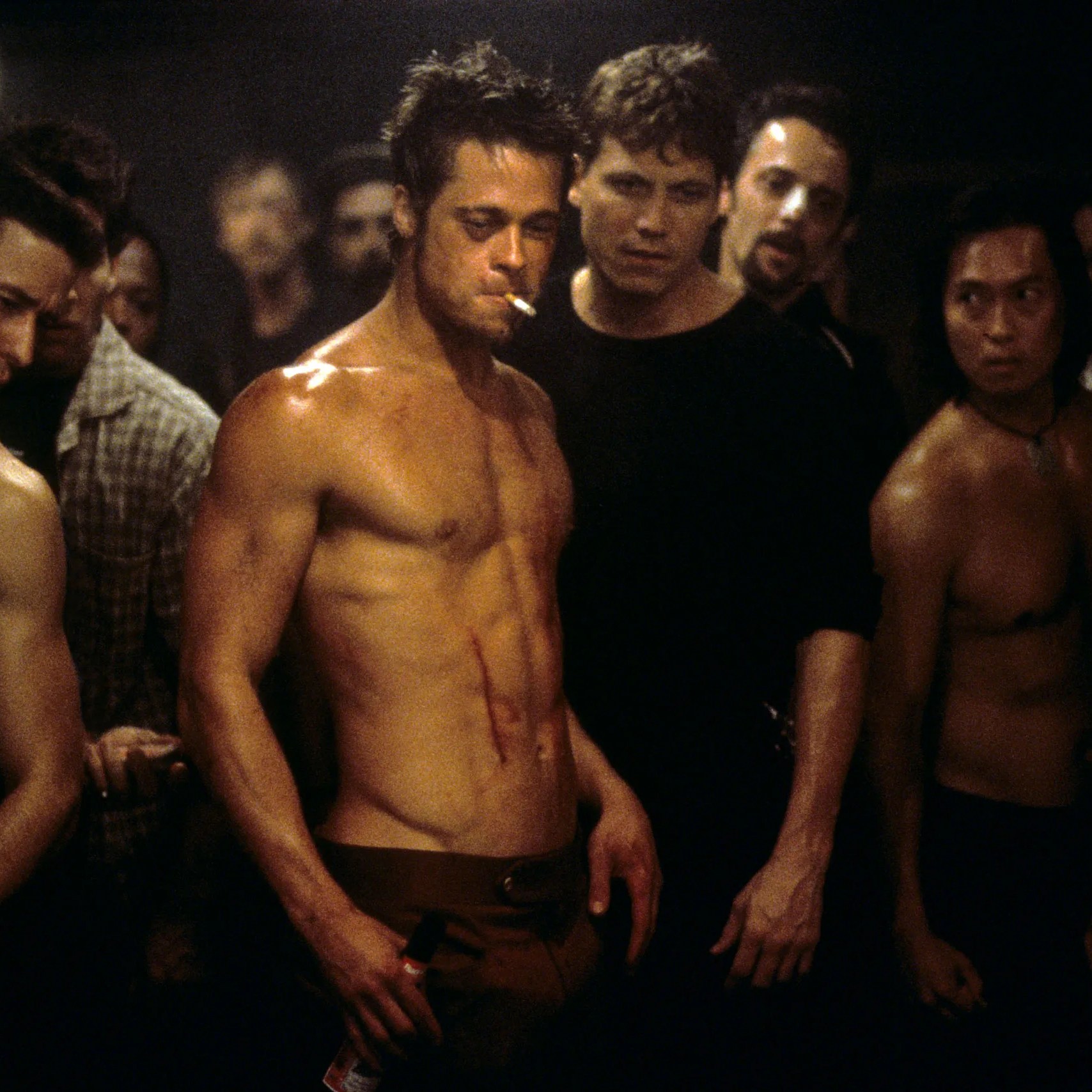
1. Fight Club (1999)
Genre: Psychological Drama, Black Comedy, Satire, Crime

2. Se7en (1995)
Genre: Crime, Neo-Noir, Thriller, Police Procedural, Psychological Thriller

3. Gone Girl (2014)
Genre: Mystery, Psychological Drama, Crime, Thriller

4. Zodiac (2007)
Genre: Thriller, Mystery, Crime, Police Procedural

5. The Social Network (2010)
Genre: Biographical, Legal Drama

6. The Girl with the Dragon Tattoo (2011)
Genre: Thriller, Mystery, Crime

7. The Game (1997)
Genre: Psychological Thriller, Mystery

8. The Curious Case of Benjamin Button (2008)
Genre: Romance, Drama, Low Fantasy, Magical Realism

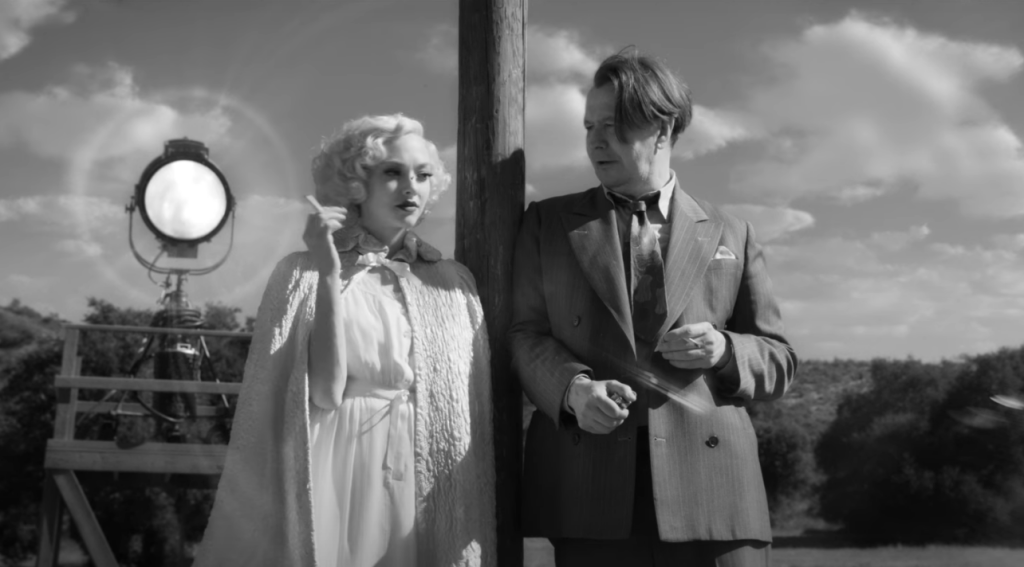
9. Mank (2020)
Genre: Biographical, Period Drama
10. Panic Room (2002)
Genre: Home Invasion, Thriller

David Fincher: Themes and Style
Themes:
- Psychological Complexity: Fincher delves deep into the psychology of his characters, often exploring dark and complex themes. In Fight Club and Gone Girl, he examines the twisted facets of human nature and the subconscious.
- Obsession and Perfectionism: Many of Fincher’s films, like The Social Network and Zodiac, centre on characters with obsessive tendencies, whether it’s in the pursuit of perfection, truth, or control.
- Crime and Morality: Crime, especially serial killings, and the moral ambiguity surrounding it are recurrent themes. Se7en and Mindhunter showcase investigations that blur the lines between good and evil.
- Manipulation and Deception: Fincher often explores the themes of manipulation and deception, as evident in Gone Girl and The Game, where the line between reality and illusion is constantly blurred.
- Isolation and Alienation: His films frequently depict characters grappling with isolation and alienation in a modern, often dystopian society. This is prominently seen in Fight Club and The Social Network.
Styles:
- Visual Precision: Fincher is known for his meticulous and stylised visual composition, using controlled camera movements and precise framing to create a distinct visual narrative, as seen in Gone Girl and The Girl with the Dragon Tattoo.
- Dark and Moody Aesthetics: His films often feature a dark, moody colour palette, creating a foreboding and intense atmosphere. This style is particularly evident in Se7en and Zodiac.
- Non-Linear Storytelling: Fincher employs non-linear storytelling to enhance suspense and character development, as in The Curious Case of Benjamin Button and Mank.
- Detailed Sound Design: He pays great attention to sound design, using it to heighten tension and immerse the audience, a technique prominently used in Fight Club and Panic Room.
- Digital Cinematography: Fincher is a pioneer in embracing digital cinematography, utilising it to achieve greater control over lighting and colour grading, as seen in his later works like The Social Network and Gone Girl.
Directorial Signature:
- Collaboration with Repeat Actors and Crew: Fincher often collaborates with the same actors and crew members across different projects, creating a consistent quality and style in his films.
- Controlled Camera Work: His directorial style is characterised by controlled and precise camera movements, often using motion-controlled rigs and careful choreography to create seamless and visually arresting scenes.
- Pessimistic Worldview: Fincher’s films frequently reflect a cynical or pessimistic view of society and human nature, challenging viewers to confront uncomfortable truths.
- Attention to Detail: He is known for his obsessive attention to detail, from the minutiae of set design to the nuances of character behaviour, ensuring that every element serves the narrative.
- Frequent Use of CGI for Subtle Realism: Unlike directors who use CGI for overt spectacle, Fincher often employs it in subtle ways to enhance realism or create impossible shots, as seen in The Curious Case of Benjamin Button and Gone Girl.
David Fincher: The 56th Greatest Director



 Bronze Screen Dream