
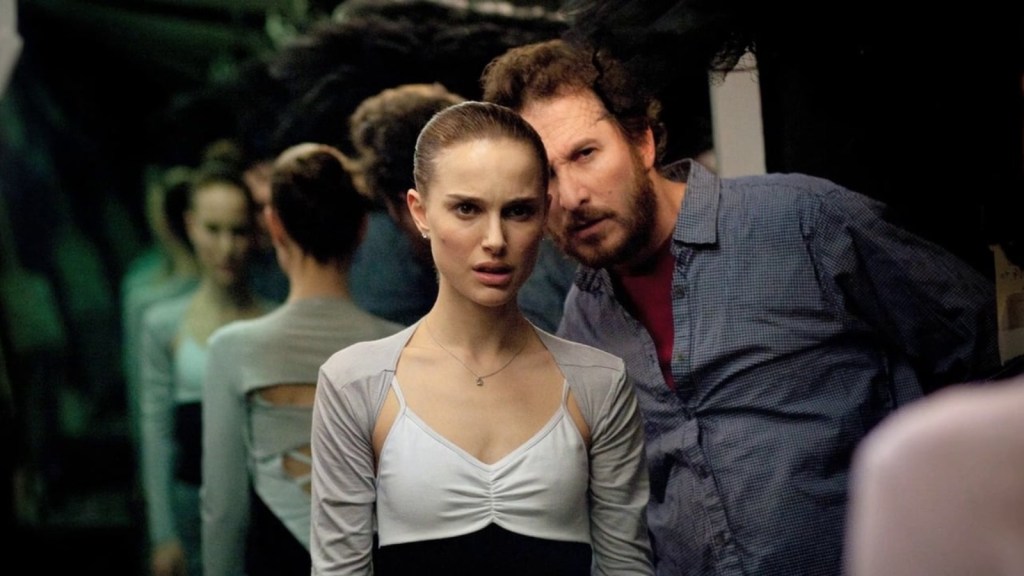
Darren Aronofsky, an American filmmaker, is celebrated for his intense and often psychologically confronting narratives. His filmography, known for its bold and unorthodox storytelling, includes significant works such as Requiem for a Dream, Black Swan, and The Wrestler, each renowned for their vivid exploration of human obsession and self-destruction.
A graduate of Harvard University and the American Film Institute, Aronofsky developed a passion for filmmaking early on. His debut feature, Pi, is a clear indication of his artistic vision, exploring a mathematician’s descent into madness in search of universal patterns. This theme of obsessive pursuit and its destructive consequences is a recurring motif in his work, evidenced in his later films like Requiem for a Dream and Black Swan.
Aronofsky’s films commonly grapple with complex ideas of identity, addiction, and the human condition. His characters are typically flawed individuals striving for perfection or chasing unattainable goals, leading to physical or psychological transformation, often portrayed in unsettling detail. The harrowing depictions of drug addiction in Requiem for a Dream or the ballet dancer’s metamorphosis in Black Swan exemplify this approach.
“It’s a very hard line, as a filmmaker, to know when is too much. And I’m usually on the wrong side of it.”
Visually, Aronofsky employs a distinct style that further intensifies the emotional impact of his narratives. His use of close-ups, quick cuts, and the infamous “hip-hop montage” technique, combined with a hauntingly atmospheric score, generate a visceral sensory experience. This unique style is epitomised in Black Swan, which uses these techniques to convey the protagonist’s deteriorating mental state.
Despite the often controversial and divisive responses to his films, Aronofsky’s daring approach has influenced numerous filmmakers around the globe, such as Robert Eggers and Ari Aster, who also delve into psychologically intense themes. Furthermore, many of his films have seen critical reappraisal over time, with audiences and scholars acknowledging their profound exploration of human experience. Therefore, Aronofsky’s enduring impact on film history is not only in his unique stylistic contributions but also in his unwavering commitment to exploring the darker facets of the human psyche.

Darren Aronofsky (1969 – -)
Calculated Films:
- Requiem for a Dream (2000)
- The Wrestler (2008)
- Black Swan (2010)
- The Whale (2022)
Similar Filmmakers

Darren Aronofsky’s Films Ranked
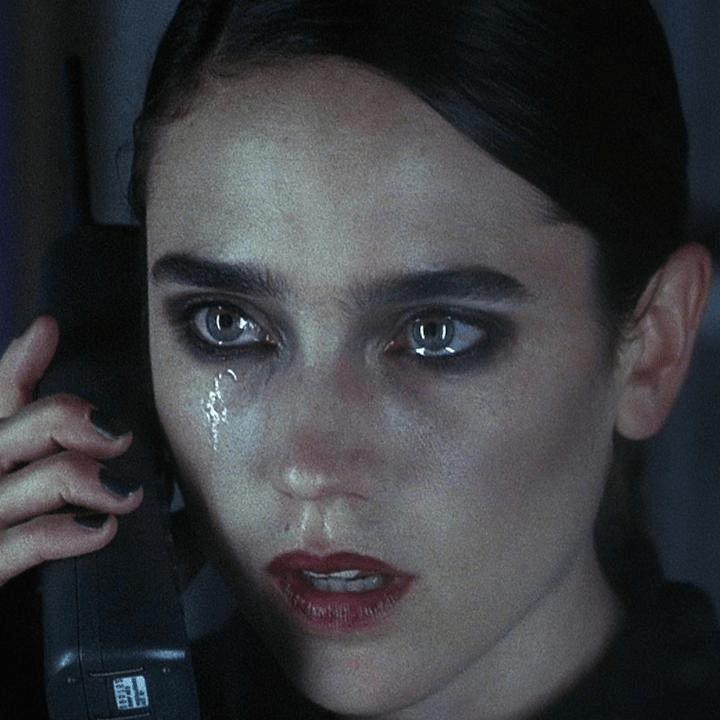
1. Requiem for a Dream (2000)
Genre: Psychological Drama, Drama

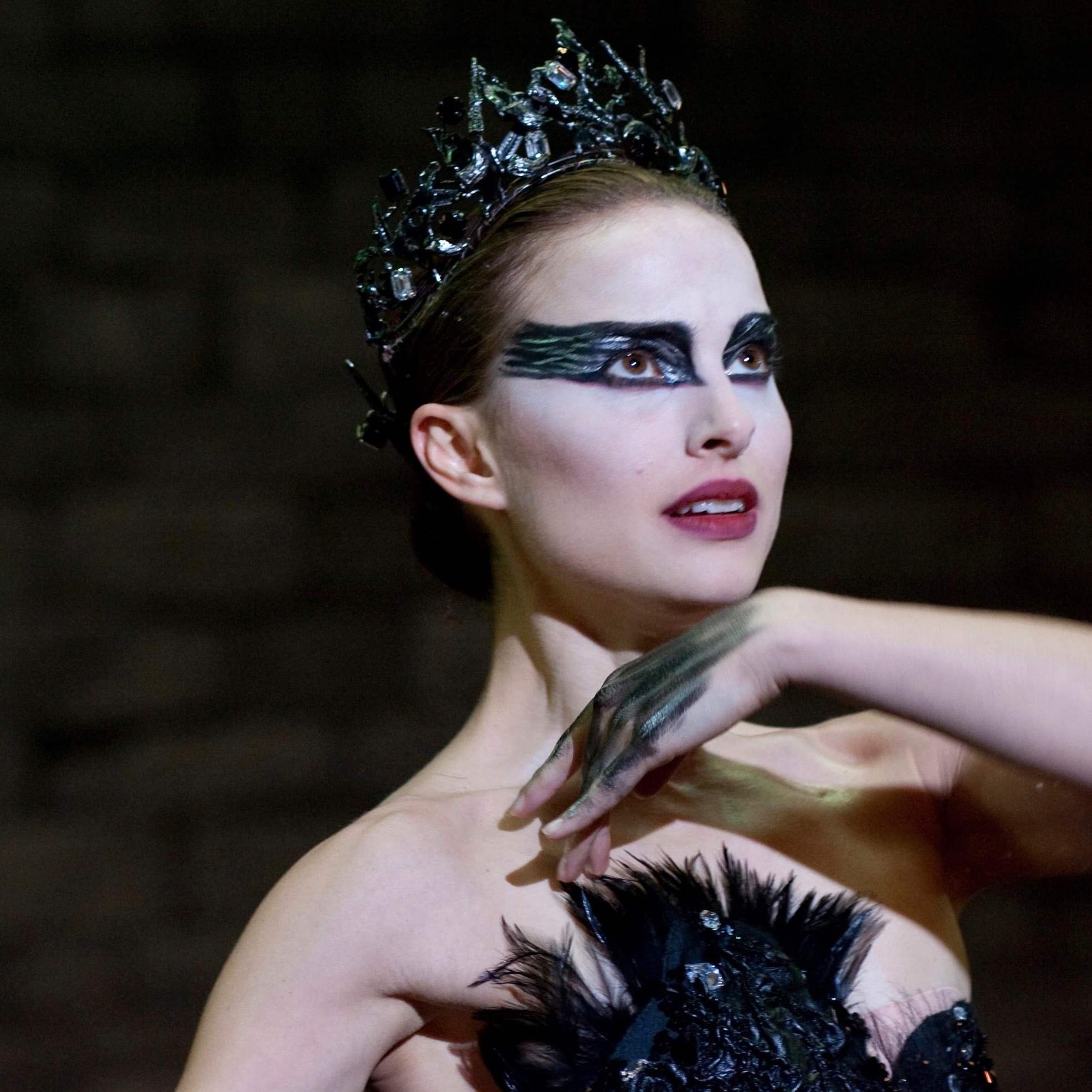
2. Black Swan (2010)
Genre: Psychological Thriller, Psychological Drama

3. The Wrestler (2008)
Genre: Drama, Sports

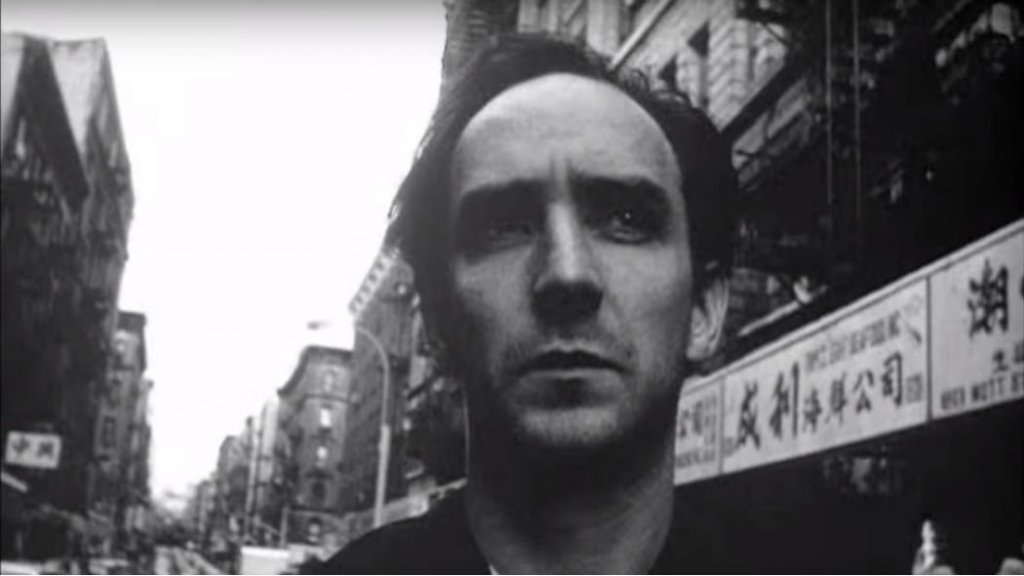
4. Pi (1998)
Genre: Psychological Thriller, Surrealism
5. Mother! (2017)
Genre: Psychological Thriller, Psychological Drama, Surrealism

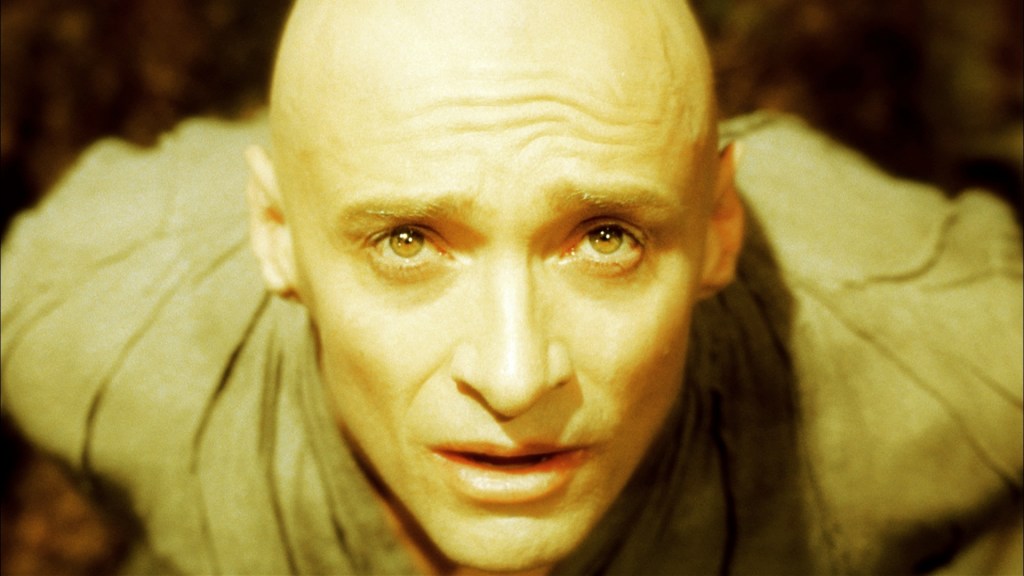
6. The Fountain (2006)
Genre: Fantasy, Drama, Romance, Sci-Fi
7. Noah (2014)
Genre: Fantasy, Disaster, Drama, Epic

Darren Aronofsky: Themes and Style
Themes:
- Obsession & Dedication: – Most of Aronofsky’s characters are profoundly obsessed or dedicated, often to their detriment. Examples include the ballet dancer in Black Swan and the mathematician in Pi.
- Physical & Psychological Degradation: – Films like Requiem for a Dream and The Wrestler showcase characters spiralling into physical and mental decline due to addiction or the demands of their professions.
- Spirituality & Redemption: – The Fountain and Noah grapple with themes of faith, mortality, and the human quest for understanding and redemption.
- Environmental Concerns: – Works such as Noah and mother! reflect Aronofsky’s concern for the environment, addressing issues like overpopulation and ecological neglect.
Styles:
- Visual Intensity: – Utilises rapid montages, extreme close-ups, and handheld camera work to pull viewers into the immediacy and intensity of the narrative.
- Nonlinear Storytelling: – Films like The Fountain and Requiem for a Dream often employ non-traditional, fragmented timelines to enhance the narrative’s emotional impact.
- Symbolism: – Aronofsky’s films are rich with symbolic elements, requiring viewers to actively engage and interpret meanings, such as the biblical allegories in mother!
- Sound Design: – He frequently collaborates with composer Clint Mansell to create haunting and memorable scores that accentuate the emotional core of his stories.
Directorial Signature:
- Deep Character Study: – Aronofsky often delves deeply into his characters’ psyches, presenting raw, unfiltered portrayals of their experiences.
- Intense Physicality: – Many of his films involve a high degree of physical performance, demanding transformative efforts from his actors, such as Natalie Portman’s intense ballet training for Black Swan.
- Provocative & Thought-Provoking: – Aronofsky doesn’t shy away from controversial or challenging topics. His films are designed to provoke strong reactions and stimulate deep reflection.
- Recurring Collaborators: – The director often works with the same group of professionals, like composer Clint Mansell and cinematographer Matthew Libatique, creating a consistent aesthetic in his filmography.
Darren Aronofsky: The 162nd Greatest Director



 Bronze Screen Dream