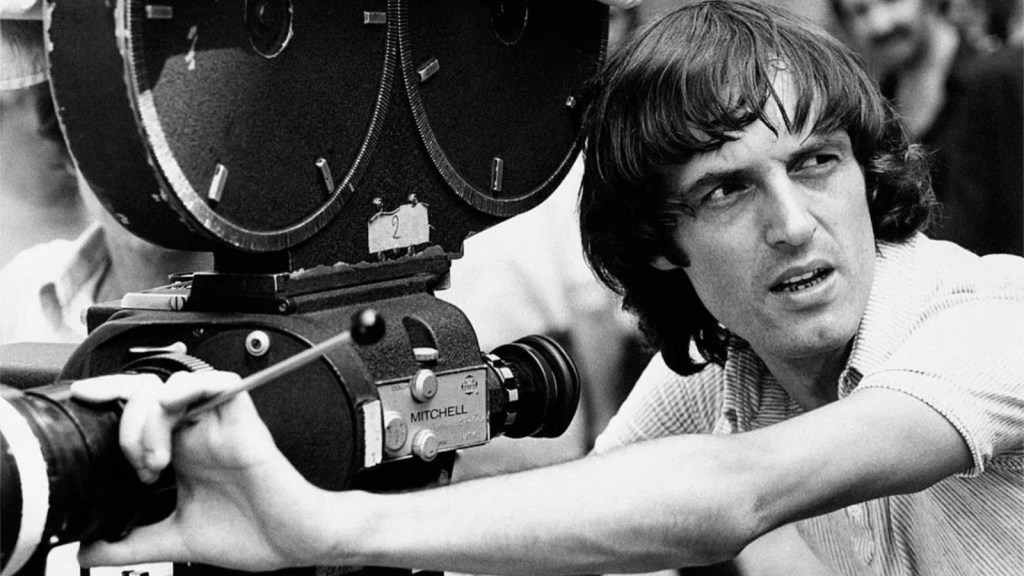
Dario Argento, an Italian film director, is revered for his profound contributions to the horror genre, notably the sub-genre of giallo—a distinctive form of Italian thriller known for its mix of mystery, slasher elements, and psychological horror. His films are celebrated for their imaginative visual style, graphic depictions of violence, and atmospheric music, all culminating in a uniquely unsettling cinematic experience. Argento’s pioneering work has helped redefine the horror genre, emphasising atmosphere and aesthetic over narrative coherence.
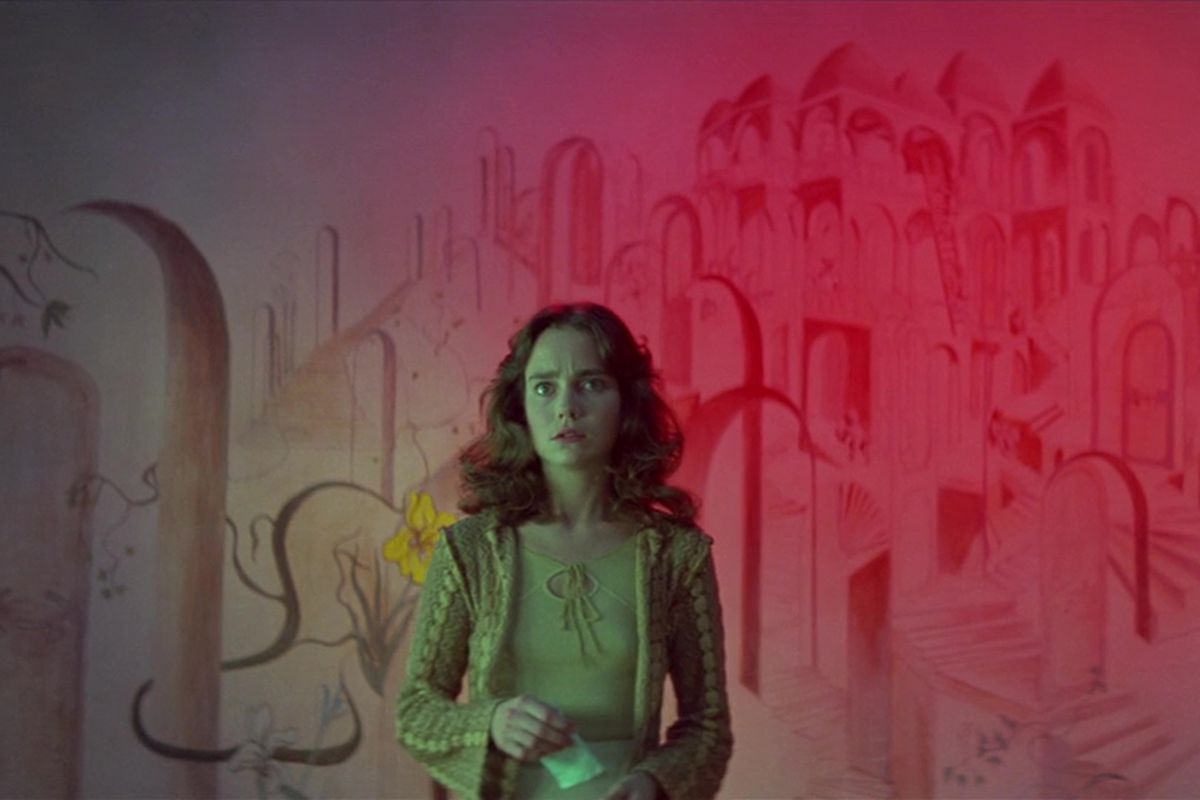
Before his rise as a leading figure in Italian cinema, Argento began his career as a film critic, later moving on to scriptwriting. His first directorial venture, The Bird with the Crystal Plumage, solidified his reputation as a creative force in the giallo genre. Argento’s signature visual flair is exemplified in films like Suspiria and Deep Red, where he uses vibrant colours, unconventional camera angles, and elaborate set pieces to create a surreal, dream-like atmosphere.
His movies frequently feature meticulously choreographed scenes of graphic violence, transforming gore into a form of grim artistry. Argento also strongly emphasises music to heighten tension and establish mood; his collaboration with the progressive rock band Goblin, notably in Suspiria and Phenomena, has resulted in some of the most iconic soundtracks in horror cinema. His narrative structures often eschew conventional linearity, favouring a more visual and stylistic storytelling approach that immerses viewers into his eerie and disconcerting worlds.
Argento has left his mark on cinema through his distinctive filmmaking style and commitment to pushing the boundaries of horror. His groundbreaking work in the giallo genre has shaped Italian cinema and had a global influence, inspiring filmmakers worldwide with his unorthodox approach to horror. This recognition cements his legacy as a visionary auteur whose stylistically daring and atmospherically rich films continue to be celebrated and studied by fans and scholars alike.
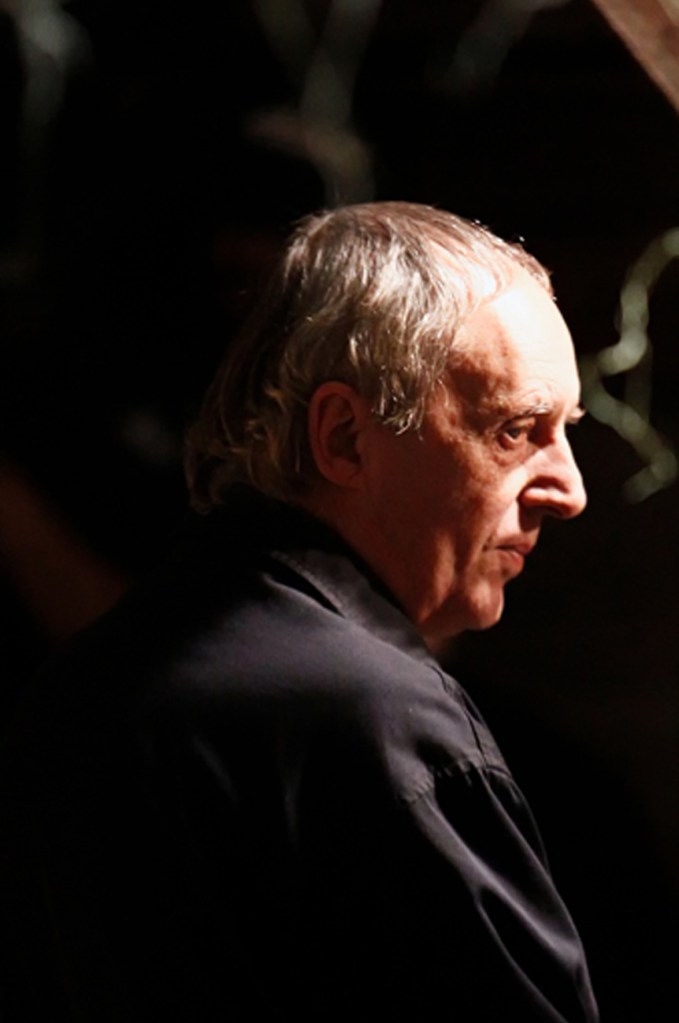
Dario Argento (1940 –)
Calculated Films:
- The Bird with the Crystal Plumage (1970)
- Deep Red (1975)
- Suspiria (1977)
- Tenebre (1982)
Similar Filmmakers
- Alfred Hitchcock
- Brian De Palma
- David Cronenberg
- Helene Cattet and Bruno Forzani
- Jesus Franco
- John Carpenter
- Lamberto Bava
- Lucio Fulci
- Mario Bava
- Michael Powell
- Michele Soavi
- Park Chan-wook
- Pupi Avati
- Ruggero Deodato
- Sergio Martino
- Terence Fisher
- Umberto Lenzi
- Wes Craven

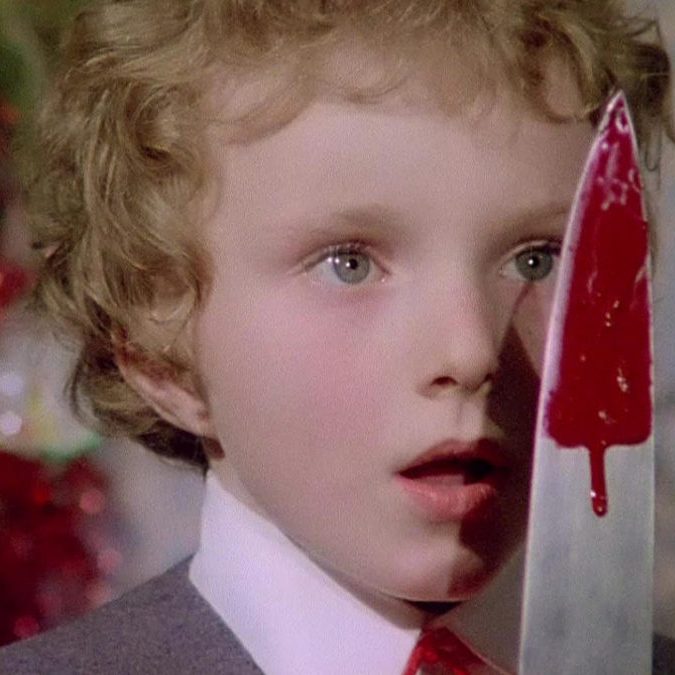
Dario Argento’s Top 5 Films Ranked
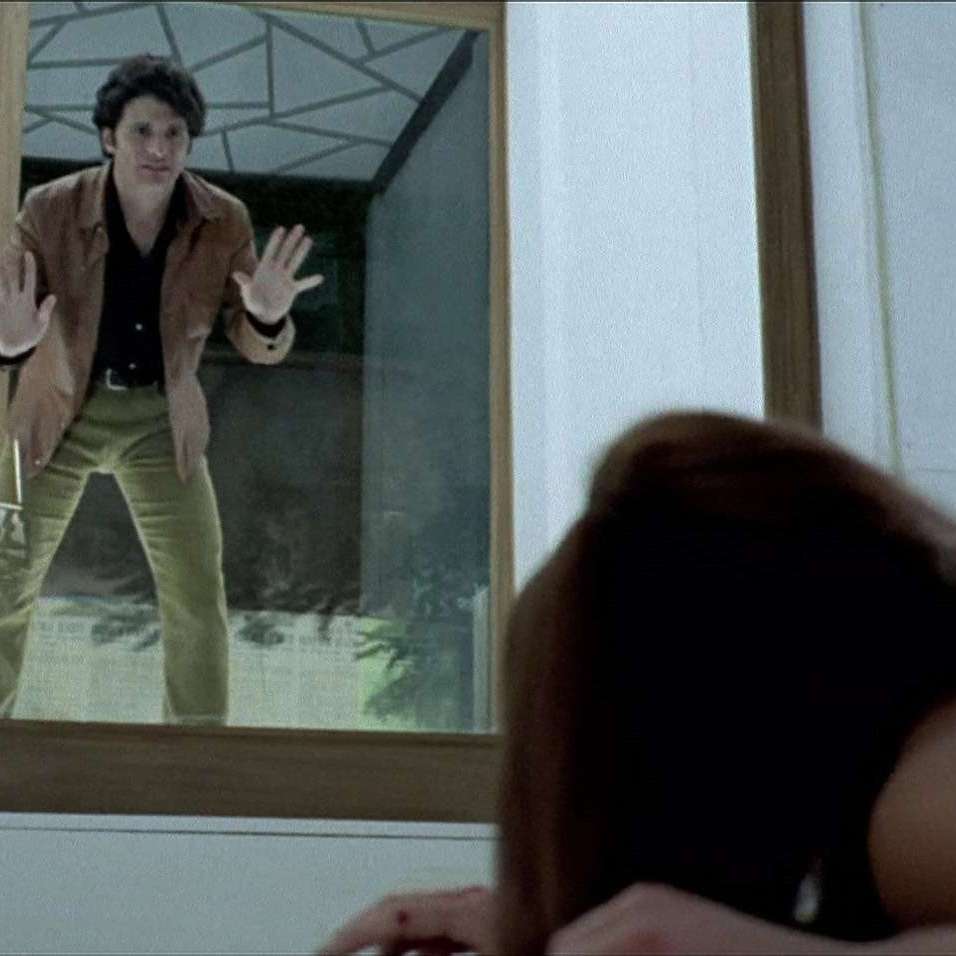
1. Deep Red (1975)
Genre: Giallo, Horror

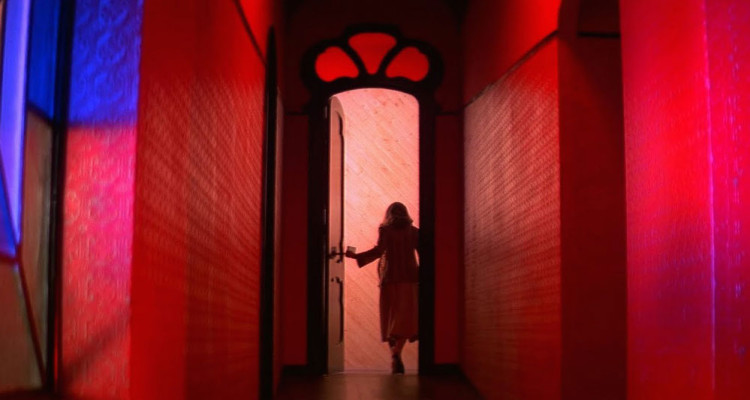
2. Suspiria (1977)
Genre: Supernatural Horror, Mystery, Gothic
3. The Bird With The Crystal Plumage (1970)
Genre: Giallo, Mystery

4. Tenebre (1982)
Genre: Giallo, Psychological Thriller
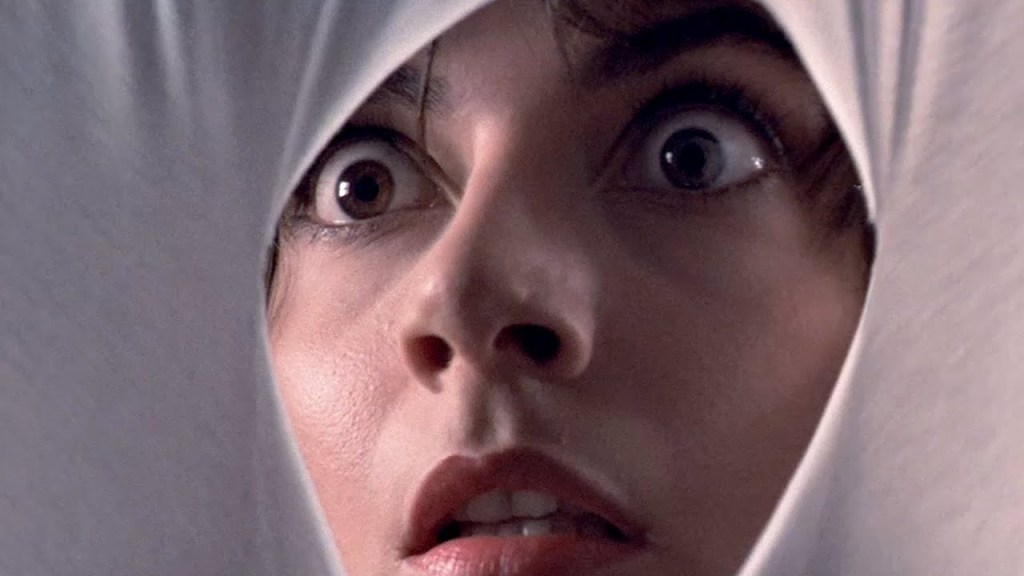
5. Opera (1987)
Genre: Giallo, Horror

Dario Argento: The Italian Hitchcock
A razor slicing through a canvas to reveal a hidden eye, black leather gloves gripping a gleaming blade, shattered glass revealing a bloody murder, and a mysterious figure cloaked in black chasing its prey through Rome’s labyrinthine streets. The things that have spawned from the dark recesses of Dario Argento’s mind.
Born in Rome on September 7, 1940, Argento was destined for cinematic greatness. The son of a noted film producer and a fashion model, the allure of the silver screen beckoned from an early age. With its deep cinematic traditions, Rome was the perfect incubator for his burgeoning creativity. However, Argento would not follow the path of other Italian masters. Instead, he took a darker turn, delving into the surreal, the horrific, and the psychologically entangled, carving out a niche for himself in the horror genre, particularly the uniquely Italian sub-genre known as ‘giallo.’
Before starting his directorial career, Argento initially flexed his storytelling muscles as a film critic and then as a screenwriter, including co-writing the screenplay for Sergio Leone’s Western Once Upon a Time in the West.
However, in 1970, Argento directed his debut feature, The Bird with the Crystal Plumage, setting the stage for his legacy. The film was more than just a thriller; it was a symphony of visual poetry and psychological horror. To the uninitiated, it’s easy to write this off as another slasher film, but Argento’s touch was distinctive. The camera angles, the atmospheric tension, and the impeccable score by Ennio Morricone together brewed a cocktail of palpable dread. With its success, not only did Argento announce himself as a director to be reckoned with, but he also reinvigorated the ‘giallo’ genre.
‘Giallo’—literally translating to ‘yellow’ in Italian, named after the yellow-covered pulp novels—was a unique blend of mystery, thriller, and horror. These films often featured convoluted plots, stylish cinematography, and, yes, a fair amount of bloodshed. Though the genre’s roots trace back to the 1960s, Argento’s approach made it trendier, bringing it to international audiences. His films elevated the genre, blending art with fear and turning murder scenes into baroque spectacles.
Following the success of his debut, Argento dove headfirst into two more giallo projects: The Cat O’ Nine Tails and Four Flies on Grey Velvet. These films, often called Argento’s “animal trilogy” alongside The Bird with the Crystal Plumage, further cemented his reputation. Each film had its own flair and flavour, but they shared Argento’s unmistakable style: complex plots, a voyeuristic camera, and shocking finales.
Then came Deep Red in 1975. It’s not just another Giallo but the ultimate movie of the genre. The film was drenched in atmosphere, its visuals strikingly vibrant. But what truly set it apart was its haunting score by the progressive rock band Goblin. The synergy between Argento’s visual artistry and Goblin’s audial prowess made Deep Red an instant classic. The film’s beats, both in its narrative and soundtrack, were meticulously orchestrated, resulting in a symphony of suspense.
If Deep Red was the climax of Argento’s giallo symphony, then 1977’s Suspiria was the beginning of a new opus altogether. Venturing into supernatural horror, Argento crafted a visually stunning and aurally haunting masterpiece. With vivid technicolour splashes, it painted a tale of witchcraft and horror in a dance academy. Goblin’s music, once again, played an integral part, creating an eerie, dream-like atmosphere. Many critics and fans still herald it as one of the greatest horror films ever.
In 1982, Argento returned to the giallo mould with Tenebre, a self-referential piece with a meta-commentary on the nature of art, creativity, and the dark obsessions of fandom. Meanwhile, Phenomena, starring a young Jennifer Connelly, wove a narrative around psychic insects and serial killings, continuing Argento’s experimentation with horror tropes. While not as universally acclaimed as Suspiria, these films continued Argento’s hot streak.
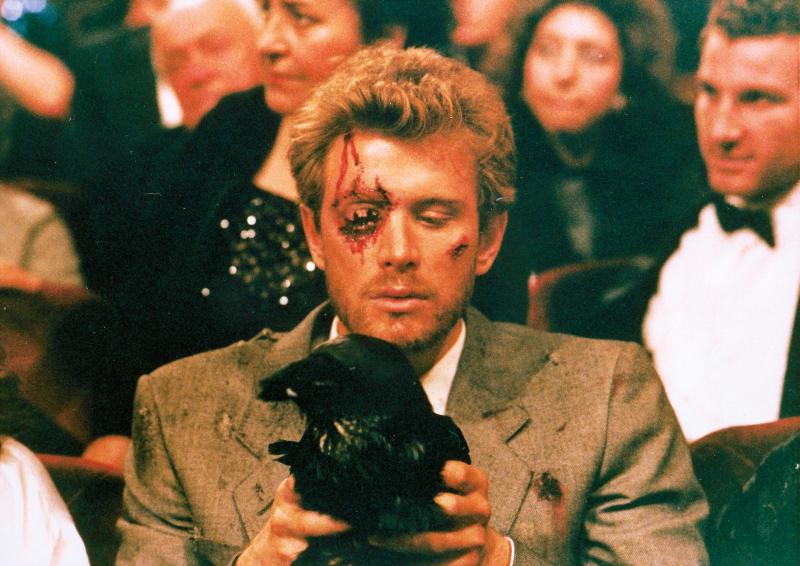
His best film of the 80s, though, was 1987’s Opera, a bloody meditation on art, obsession, and trauma, which can be seen as Argento’s homage to both his career and the horror genre itself. With its intense close-ups and chilling set pieces, Argento was at his most baroque.
From here on out, Argento began his steady critical decline. While he remained active, his projects from these decades, such as The Stendhal Syndrome, while still visually arresting, lacked the cohesive narrative and groundbreaking spirit of his earlier works. The film, however, remains noteworthy for its exploration of art-induced psychosis and its introspective look into trauma. Yet, as the millennium turned, Argento’s golden days seemed behind him.
Sadly, the new century wasn’t a turn in fortunes for the old Italian master. Films like Dracula 3D were met with more than just critical disdain; they were seen as unworthy additions to the filmography of a maestro. His early works’ intricacies, psychological layers, and genuine horror seemed diluted.
Every director’s career has its ebbs and flows, and Argento’s was no different. While his later works may not have garnered the acclaim of his earlier masterpieces, it’s crucial to understand the mark he left on cinema. His innovative camera work, his fearless embrace of the macabre, and his ability to weave intricate tales of terror have influenced countless filmmakers, from John Carpenter to Quentin Tarantino.
Most Underrated Film
Argento’s best era ran from 1970 – 1987, bookended by The Bird with the Crystal Plumage and Opera. His best two films are Suspiria and Deep Red, but most of his work in this period is worth searching for. Opera tends not to be called his best film, but it has all the earmarks of the perfect Argento masterpiece.
It’s a symphony of excesses, both visually and thematically. It is set in the world of opera, an apt setting for Argento’s operatic style. Every shot and sequence is designed with a meticulous precision that can only be expected from a great director. Argento’s signature elaborate set pieces, especially the grotesquely beautiful murder sequences, are on full display here, elevating the film into an exercise in baroque horror.
Opera is not his best film, but it might be his most ‘Argento-esque’ film. It’s filled with classic images, such as the infamous “needle-under-the-eye” scene, which is emblematic of his ability to merge beauty with brutality. It perfectly marries the giallo mystery elements of his early work with his later films’ more opulent, fantastical elements. It’s a clear candidate for Argento’s most underrated work.
Dario Argento: Themes & Style
Themes:
- Psychological Exploration: Argento often delves deep into the human psyche, presenting characters with complex mental states and traumas, such as in “The Stendhal Syndrome.”
- Art and Aesthetics: Whether it’s the world of opera in “Opera” or the dance academy in “Suspiria,” art plays a significant role in many of his films, serving as both backdrop and metaphor.
- Obsession: Be it an obsession with murder, art, or vengeance, Argento’s characters often grapple with consuming fixations, leading them down dark paths.
- Feminine Vulnerability and Strength: His films often centre on female protagonists, portraying them as victims and victors.
Styles:
- Vivid Color Palette: Argento’s films, especially “Suspiria,” are renowned for their vibrant, almost surreal use of colours, often using primary colours to create stark contrasts.
- Atmospheric Soundtracks: Collaborations with bands like Goblin have led to memorable, haunting scores that elevate the tension and atmosphere.
- Stylised Violence: Argento never shied away from graphic depictions of violence. His murder sequences are choreographed with an almost balletic grace, turning brutality into art.
- Complex Narratives: His stories, especially in his giallo films, are labyrinthine, demanding the viewer’s attention and engagement.
Directorial Signature:
- Unique Camera Work: Argento’s camera moves like a character in its own right. From voyeuristic angles to elaborate tracking shots, his films have a distinct visual fluidity.
- Mise-en-scène: Every element within the frame, from set design to costume, is meticulously chosen, creating a cohesive visual experience.
- Juxtaposition of Beauty and Horror: Argento has a knack for merging the grotesque with the gorgeous, creating moments of eerie beauty amidst terror.
- Baroque Horror: If one term encapsulates Argento’s directorial signature, it’s this. His films are grand, ornate, and excessive, but in the best possible way.
Further Reading:
Books:
- Broken Mirrors/Broken Minds: The Dark Dreams of Dario Argento by Maitland McDonagh – This book offers an in-depth exploration of Argento’s films and their impact on the horror genre.
- Dario Argento by James Gracey – Part of the Contemporary Film Directors series, this book offers a comprehensive look at Argento’s career and films.
Articles and Essays:
- Argento, Dario by Xavier Mendik, Senses of Cinema
- Dario Argento: The God of Giallo – Nightmare Tales in Neon Hues by Lorenzo Ottone, Hero Magazine
Documentaries:
Dario Argento’s World of Horror (1985) by Michele Soavi
Dario Argento – The 194th Great Director


 Bronze Screen Dream