

Danny Boyle is a British director celebrated for his bold, kinetic style and versatility across numerous genres. His dynamic and eclectic portfolio includes black comedy as showcased in Trainspotting, horror evident in 28 Days Later, science fiction via Sunshine, and biopics like Steve Jobs. This blend of genre-defying storytelling, accompanied by a signature stylistic flair, sharp social commentary, and frequently high-stakes narratives centred around themes of human struggle and resilience, positions Boyle as an intriguing and significant figure in contemporary cinema.
Boyle began his career in theatre and television before transitioning to film. His directorial debut Shallow Grave laid the groundwork for his distinctive style, marked by rapid editing, innovative camera work, and a keen sense of pacing. Alongside this, a significant aspect of Boyle’s cinematic approach is his strong use of music and sound design, skillfully employed to enhance narrative and atmosphere. Notably, the pulsating soundtrack of Trainspotting and the moving score in Slumdog Millionaire stand as examples of how music can drive a film’s narrative and emotional resonance.
Thematically, Boyle’s films often contain incisive social commentary, focusing on individuals or groups at the fringes of society. Whether commenting on addiction in Trainspotting, poverty in Slumdog Millionaire, or the cutthroat corporate culture in Steve Jobs, Boyle employs cinema as a lens to examine societal challenges. Furthermore, his narratives frequently centre around the struggle for survival or success against seemingly insurmountable odds, adding a layer of intensity to his work. Boyle’s consistent collaborations with screenwriters John Hodge and Simon Beaufoy have led to films that couple his unique stylistic sensibilities with compelling, character-driven storytelling.
Boyle’s diverse filmography and boundary-pushing approach has significantly impacted contemporary cinema. His work has been met with critical acclaim and commercial success, including winning the Best Director Academy Award for Slumdog Millionaire. Despite his broad genre range, his films maintain a unique and recognisable identity, marking him as an influential and enduring figure in the film industry. His contribution extends beyond his distinctive visual style, reflecting a filmmaker deeply engaged with his subjects and unafraid to explore societal complexities through his wide-ranging yet thematically cohesive filmography.
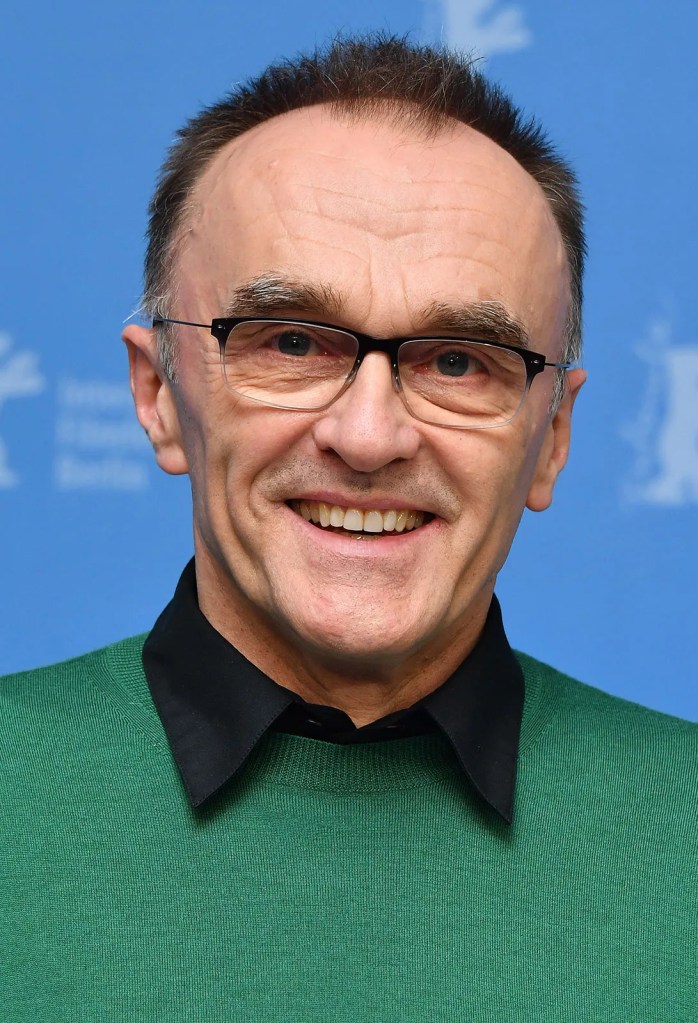
Danny Boyle (1956 – -)
Calculated Films:
- Trainspotting (1996)
- 28 Days Later (2002)
- 127 Hours (2007)
- Slumdog Millionaire (2008)
Similar Filmmakers
- Jonathan Glazer
- Lenny Abrahamson
- Matthew Vaughn
- Michael Winterbottom
- Quentin Tarantino
- Shane Meadows
- Sam Mendes
- Stephen Daldry
- Stephen Frears
- Steven Soderbergh
- Tom Tykwer
- Yann Demange


Danny Boyle’s Top 10 Films Ranked
1. Trainspotting (1996)
Genre: Black Comedy, Drama

2. 28 Days Later (2002)
Genre: Post-Apocalypse, Zombie, Horror, Epidemic

3. Shallow Grave (1994)
Genre: Thriller, Crime, Black Comedy

4. Slumdog Millionaire (2008)
Genre: Drama, Romance
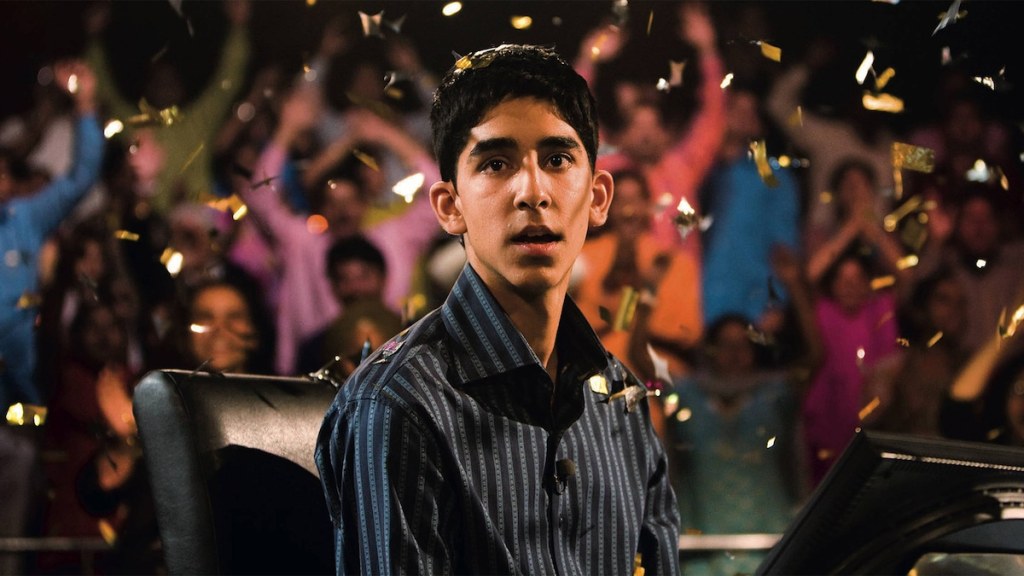
5. Sunshine (2007)
Genre: Sci-Fi, Thriller, Space Exploration
6. 127 Hours (2010)
Genre: Survival Drama, Biographical, Drama

7. Steve Jobs (2015)
Genre: Biographical
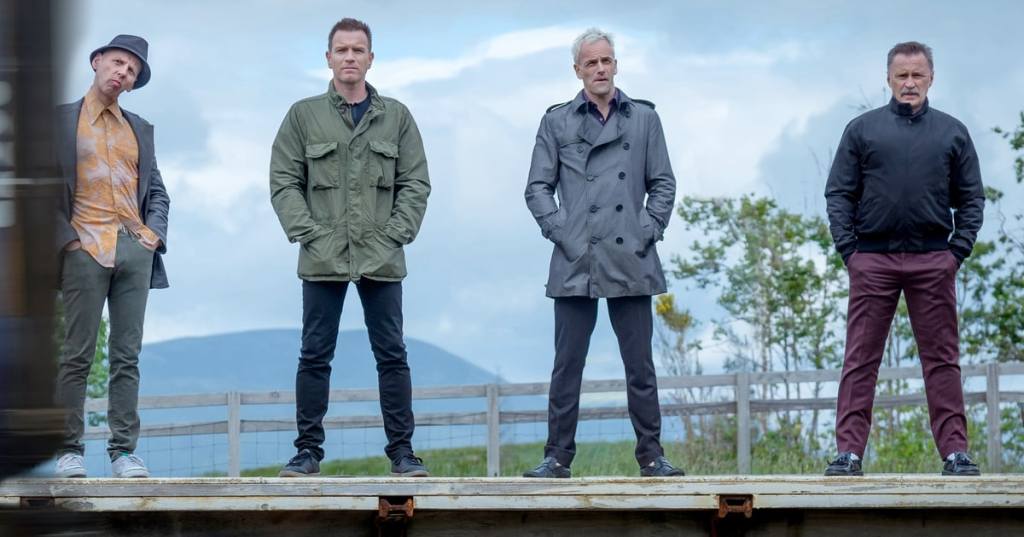
8. T2: Trainspotting (2017)
Genre: Drama, Crime, Black Comedy
9. Millions (2004)
Genre: Family, Comedy, Drama

10. Trance (2013)
Genre: Psychological Thriller, Mystery, Heist Film

Choose Danny Boyle. Choose Versatility. Choose Unpredictability.
Danny Boyle is the ultimate versatile director. He’s worked in every genre. He’s made movies with all types of stars and budgets. He is one of Britain’s best contemporary filmmakers.
Though Boyle is celebrated mainly for his movies today, it’s crucial to understand that he got his start in theatre. Early on, he worked at the Joint Stock Theatre Company, then later at the Royal Court Theatre in the 1980s. These experiences were important to his growth as a storyteller. Indeed, many of the trademarks of his films could be seen in his early days: rich character development, dramatic tension and kinetic energy.
Although Boyle would make his name on the big screen, he retained his love for theatre and would continue to return to it with stage productions like his 2011 ‘Frankenstein’; before that, he must deal with the allure of cinema.
Boyle’s debut film, Shallow Grave, marked a significant departure from the traditional British cinema of the time. Characterised by its dark humour, dynamic cinematography, and pulsating soundtrack, this crime thriller foreshadowed the innovative techniques and aesthetic sensibilities Boyle would bring to his later works.
In a way, you could say the film was Britain’s answer to Tarantino’s Reservoir Dogs. Both films played with narrative structures and explored themes of trust and betrayal while defying their national cinemas’ conventions.
Trainspotting
If Shallow Grave shook British moviegoers, Trainspotting would knock them out cold. The film’s exploration of heroin addiction in Edinburgh was not just an expose of drug culture but a snapshot of ’90s Scotland in all its grimy glory. The vivid characters, led by Ewan McGregor’s Renton, leap off the screen with a frenetic energy that is both intoxicating and disturbing. It’s difficult to overstate the importance of Trainspotting for Boyle. Not only did it put him on the international map, but it also solidified his collaboration with writer John Hodge and actor Ewan McGregor – a trio that would continue for decades.
The film’s audacious soundtrack, pulsating with the likes of Iggy Pop and Underworld, played no small role in its triumph. Trainspotting was no mere flick; it was a cultural event, a zeitgeist moment that captured the raw, nihilistic energy of a generation. It’s the sort of movie that only comes around once.
With the success of Trainspotting, Boyle was allowed to venture to Hollywood, where he teamed up with Leonardo DiCaprio for an adaptation of Alex Garland’s The Beach. It moved away from the urban decay of Scotland and into the idyllic beaches of Thailand, where it explored the idea of a modern utopia and the inherent human flaws that can unravel even the most perfect of paradises.
While visually arresting and accompanied by an equally haunting soundtrack, the movie was not as good as Trainspotting and its tepid response hampered Boyle’s American career. From here on out, while he worked in America and with Americans in future films, he never really attempted to become a ‘Hollywood’ director again.
28 Days Later
If The Beach’s uneven pacing annoyed you, you might find an antidote in the frenzied mania of 28 Days Later, showcasing the bleak dystopian aftermath of a virus-infested Britain. Moving from the raw drug-induced hallucinations of his earlier work, Boyle ventured into post-apocalyptic horror. The result was a visceral journey through the deserted streets of London, painted with the terror of the ‘infected’.
Beyond the gore and horror, the film examined human fragility, societal collapse, and the terrifying possibilities of unchecked scientific experimentation. Boyle’s trademark use of music shone once again, using a hauntingly melancholic score to amplify the desolation. The film was hugely important in bringing zombies back into fashion and breathing life into the post-apocalypse genre.
Oscar Triumph
Boyle enjoyed a busy and fruitful decade in the 2000s, showing his depth and versatility in family films and tense sci-fi. However, the film that defined this decade for him was Slumdog Millionaire. Trading the grim streets of Britain for the bustling alleyways of Mumbai, Boyle crafted a tapestry of love, destiny, and the indomitable human spirit. A mosaic of memories seen through the eyes of a young man on India’s version of ‘Who Wants to Be a Millionaire’, the film is a roller-coaster of emotions set against the vibrant backdrop of urban India. A global sensation, it won eight Academy Awards, including Best Director for Boyle. The film hasn’t aged too well, but it was the movie that made Boyle one of the elite few to win the award.
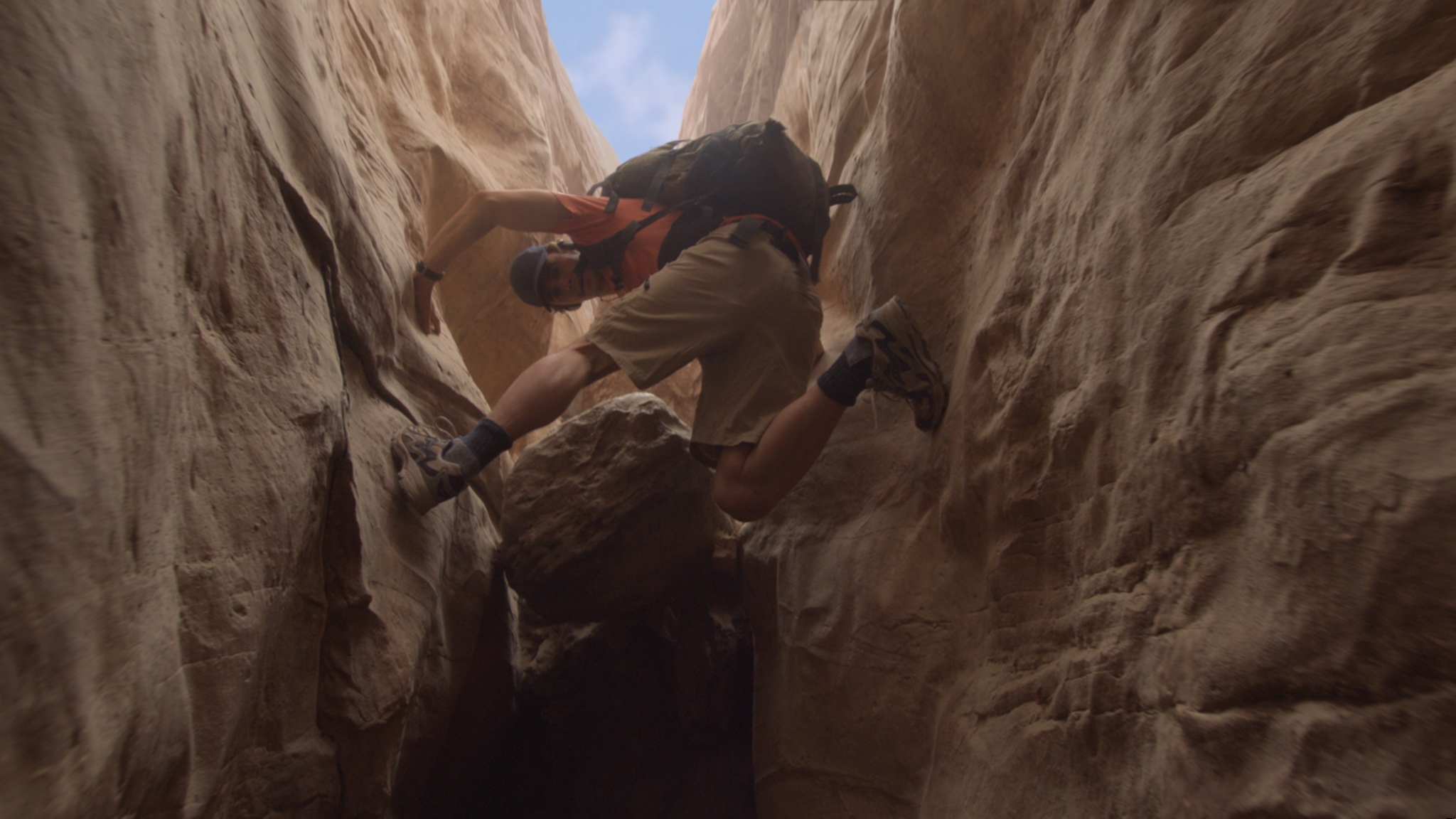
Following his Oscar triumph, Boyle took a sharp thematic detour with 127 Hours. The film chronicles the real-life ordeal of Aron Ralston, a mountain climber trapped in a canyon with his arm pinned by a boulder. Through a mostly single-location narrative, Boyle masterfully turns an immobile scenario into a riveting tale of survival, resilience, and introspection. Around the same time, Boyle directed Trance, a psychological thriller that blended art heist with hypnosis.
The Olympics and Beyond
Never one to say no to an impossible task. Boyle entered the history books as the ceremony director of the London 2012 Olympic Games, orchestrating a dazzling opening extravaganza that wove together elements from Britain’s rich cultural, historical, and literary heritage. From the Industrial Revolution and World War remembrances to a nod to the National Health Service and British music icons, Boyle showcased a Britain deeply rooted in its past yet confidently stepping into the future.
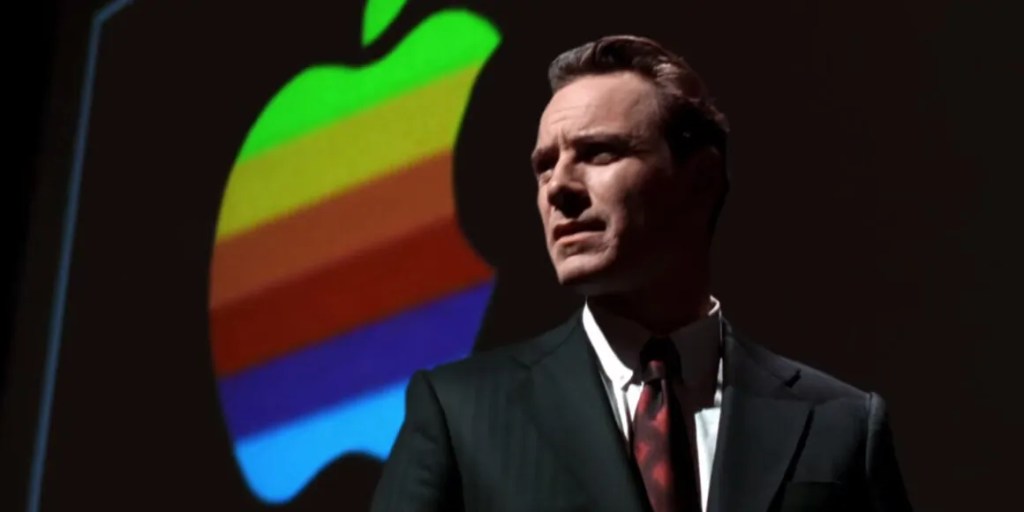
Returning to biographical terrain in 2015, Boyle directed Steve Jobs, a triptych exploration of the Apple co-founder’s life at three pivotal product launches. Unlike conventional biographies, Boyle’s fragmented, backstage-centric approach offered a unique, intimate view into the mind of a tech maestro. The film was a masterclass in tight pacing, sharp dialogue (thanks to screenwriter Aaron Sorkin), and character dissection.
Two decades after Trainspotting became a cultural phenomenon, Boyle revisited the iconic characters with T2 Trainspotting. Under his hand, it could never have been a simple nostalgia trip. It delved deep into themes of ageing, regret, and reconciliation. While it might not have ignited the global fervour of its predecessor, it offered a mature, contemplative look into the lives of characters that had once defined a generation.
Boyle’s shadow on British cinema looms heavy; he has been an ever-present figure on the cutting edge for thirty years. His restlessness, bravery in jumping into new frontiers and frenetic snapshots of life, from urban Britain to bustling Mumbai, ensure he’s a director you can’t afford to miss out on.
Most Underrated Film
Trainspotting made Danny Boyle the most vital British director of his generation. Most retrospectives on him start with the film completely ignoring its slightly older brother, Shallow Grave, which shares many of the same features: Scottish setting, black comedy, and moral decay, but is smaller in scale. It’s a taut psychological thriller set against the gloomy backdrop of Edinburgh in which three friends find their deceased flatmate’s suitcase full of money; from here, they start to spiral into moral depravity.
The production, marked by a modest budget, saw Boyle’s early penchant for innovative camera work. Dynamic angles, kinetic editing, and an entrancing soundtrack combine to create an atmosphere thick with tension and paranoia. It’s bleak, thrilling and detached.
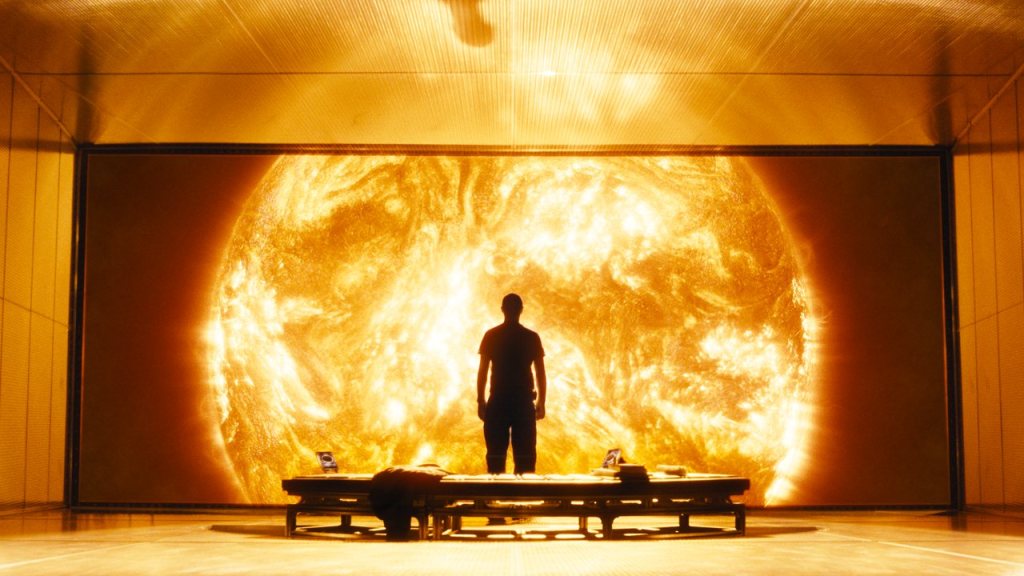
But, the problem with Boyle’s filmography is it’s so versatile and filled with good films. Frankly, only three or so of his films can be ignored easily. So, in picking the most underrated film for him, you end up dismissing unfairly underappreciated ones, such as Steve Jobs or Sunshine. Let’s talk about Sunshine for a moment. This visually stunning sci-fi odyssey about a crew trying to reignite the dying sun offers a deep dive into human fragility amidst cosmic vastness. Its third act shifts jarringly from the film’s primarily cerebral tone into conventional horror, but before then, the film was perfect.
Danny Boyle: Themes & Style
Themes:
- Human Resilience: Boyle often dives into the depths of human endurance, whether it’s the drug-addicted youths of Trainspotting, the trapped hiker in 127 Hours, or the characters facing a zombie apocalypse in 28 Days Later.
- Moral Ambiguity: From the friends dealing with a suitcase full of money in Shallow Grave to the complex Steve Jobs in his biopic, Boyle challenges our notions of right and wrong, often placing characters in morally grey zones.
- Cultural Juxtaposition: Boyle masterfully contrasts different cultures, best showcased in Slumdog Millionaire, where the bustling streets of Mumbai provide a vivid backdrop for a universal tale of love and destiny.
- Isolation and Connection: Many of his characters face isolation, whether physical (as in 127 Hours and Sunshine) or emotional (as in Steve Jobs). Yet, amidst this isolation, Boyle explores the profound human need for connection.
Styles:
- Kinetic Cinematography: Boyle’s films are known for their dynamic camera work. Quick cuts, innovative angles, and sweeping visuals create an energetic and immersive viewing experience.
- Soundtrack Symbiosis: Boyle’s use of music is exceptional. From the rave beats in Trainspotting to the evocative scores in 127 Hours, his soundtracks complement and often elevate the narrative.
- Narrative Intensity: Even in slow-paced moments, Boyle maintains an underlying tension, keeping viewers on the edge.
- Visual Contrast: Boyle juxtaposes gritty reality with moments of surreal beauty. The squalid streets of Trainspotting versus the dreamlike sequences of Renton’s overdoses exemplify this.
Directorial Signature:
- Character-Centric Storytelling: Boyle’s characters are at the heart of his narratives. They’re flawed, complex, and deeply human. This focus ensures viewers are emotionally invested, whether watching a global epic or an intimate character study.
- Genre Versatility: Boyle doesn’t confine himself to one genre. From horror to biopic, from sci-fi to romance, he’s dabbled in them all, making his directorial signature one of unpredictability and surprise.
- Cultural Fusion: Boyle often blends elements from different cultures, creating an international appeal. Slumdog Millionaire is perhaps the most significant example, but even films like Yesterday tap into global cultural touchstones.
- Reality Meets Fiction: Boyle has a knack for blending gritty realism with moments of heightened fantasy or surrealism.
Further Reading
Books:
- Danny Boyle: In His Own Words by Amy Raphael – Based on interviews with Boyle, this book offers a comprehensive look into the filmmaker’s thoughts, philosophies, and insights about his movies.
- Danny Boyle: Creating Wonder by Amy Raphael – A detailed journey through Boyle’s cinematic universe, exploring his techniques, recurring themes, and distinctive style.
Articles and Essays:
- The Space Odyssey of Danny Boyle by Dennis Lim, The New Yorker
- The Many Sides of Danny Boyle by Andrew Pulver, Director’s Guild of America
- The Trainspotting Phenomenon… 20 Years On by Paul O’Callaghan, BFI
Danny Boyle: The 260th Greatest Director



 Bronze Screen Dream