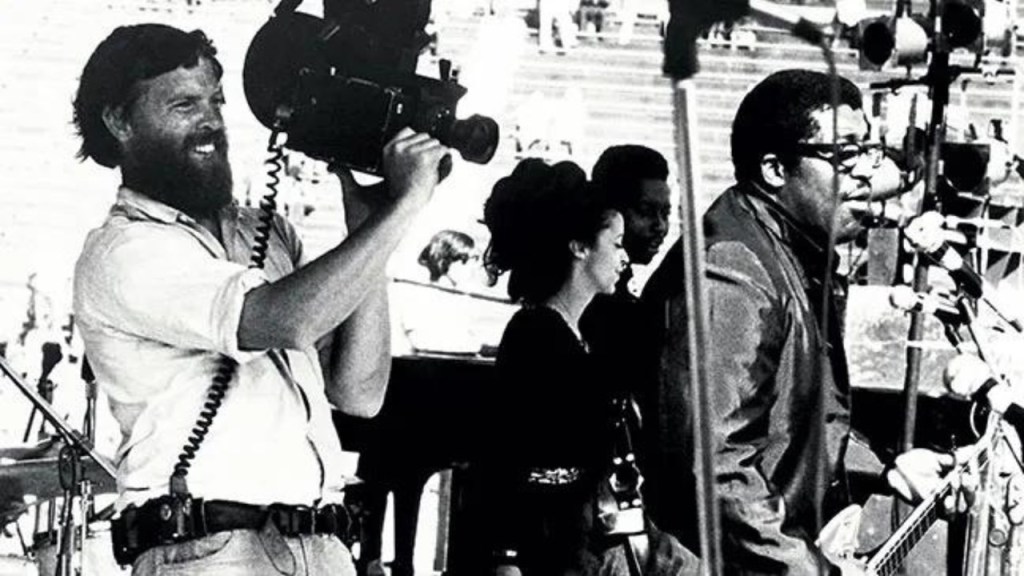
D.A. Pennebaker was an American documentary filmmaker renowned for his pioneering contributions to the cinéma vérité style of filmmaking. Throughout his extensive career, Pennebaker captured numerous pivotal moments in music, politics, and culture, often delving into the raw, unscripted lives of his subjects.
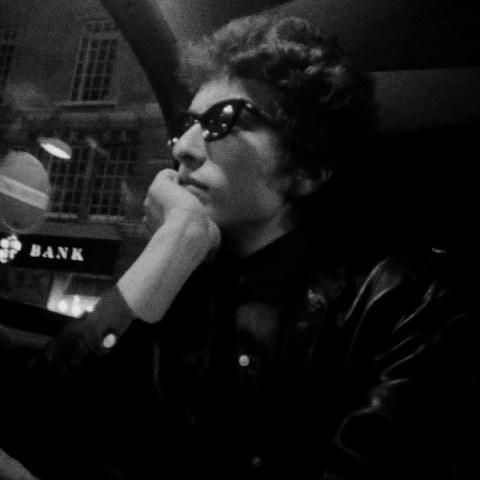
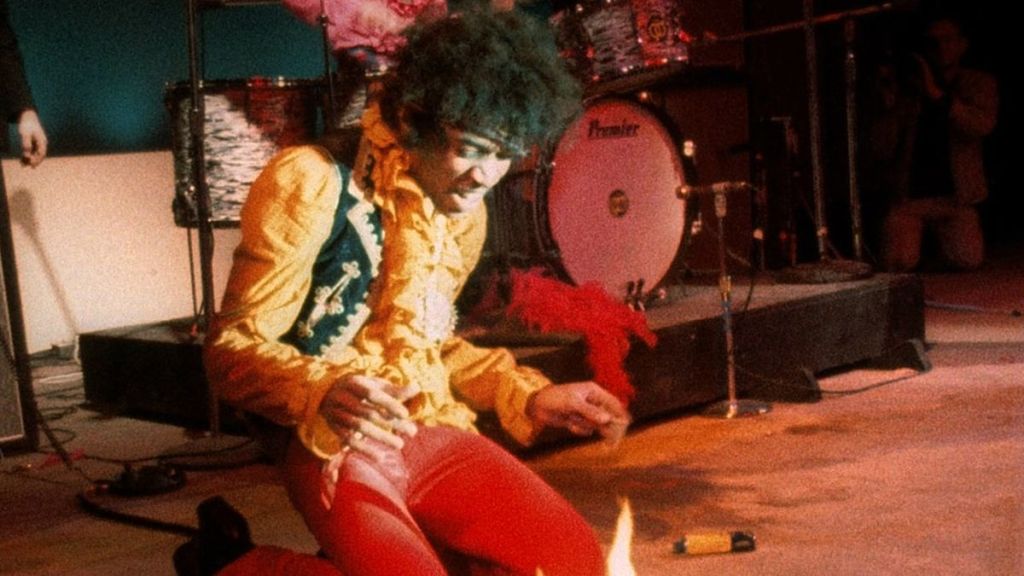
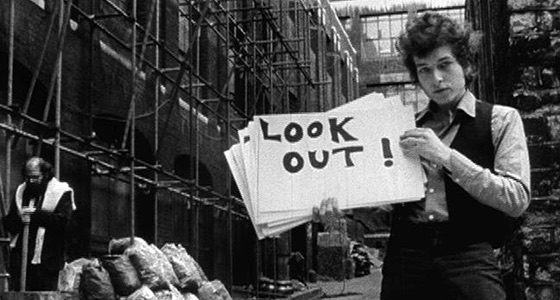
Pennebaker’s films often place the audience as the silent observer, allowing events to unfold naturally in front of the camera without overt interference or direction. This approach, often termed “direct cinema,” captures the spontaneous, candid moments of its subjects. In Dont Look Back, for example, Pennebaker chronicled Bob Dylan’s 1965 UK tour, capturing the intimate moments, tensions, and the enigmatic nature of the iconic musician, offering viewers a raw, unfiltered gaze into his world. Furthermore, Pennebaker often placed an emphasis on music as a narrative tool. In Monterey Pop, he brilliantly captured the zeitgeist of the 1967 Monterey Pop Festival, highlighting the musical performances and the audience’s reactions, creating an immersive experience that resonated with the cultural shifts of the era.
Pennebaker had a knack for capturing the essence of a scene with minimal intrusion, allowing the viewer to feel as if they were a fly on the wall. This sense of immediacy and authenticity permeates his work, from the behind-the-scenes glimpses of theatre in Original Cast Album: Company to the gritty, intense atmosphere of the 1992 presidential campaign in The War Room. While he covered a diverse range of subjects, a recurring theme was the exploration of personalities and events that shaped cultural discourse, always with an acute awareness of the human element at its core. This dedication to authenticity and his intuitive sense of narrative made D.A. Pennebaker’s work not just documentaries but intricate studies of humanity in its most candid moments.

D. A. Pennebaker (1925 – 2019)
Calculated Films:
- Don’t Look Back (1967)
- Monterey Pop (1968)
- Company: Original Cast Album (1970)
Similar Filmmakers
- Allan King
- Barbara Kopple
- Doug Block
- Ed Pincus
- Frederick Wiseman
- Heddy Honigmann
- Jean Rouch
- Jill Godmilow
- Les Blank
- Lionel Rogosin
- Maysles Brothers
- Michael Apted
- Michel Brault
- Peter Davis
- Richard Leacock
- Robert Drew
- Shirley Clarke
- Steve James


D. A. Pennebaker’s Top 5 Films Ranked
1. Don’t Look Back (1967)
Genre: Music Documentary, Direct Cinema

2. Monterey Pop (1968)
Genre: Rockumentary, Concert, Direct Cinema
3. Company: Original Cast Album (1970)
Genre: Music Documentary, Music, Direct Cinema

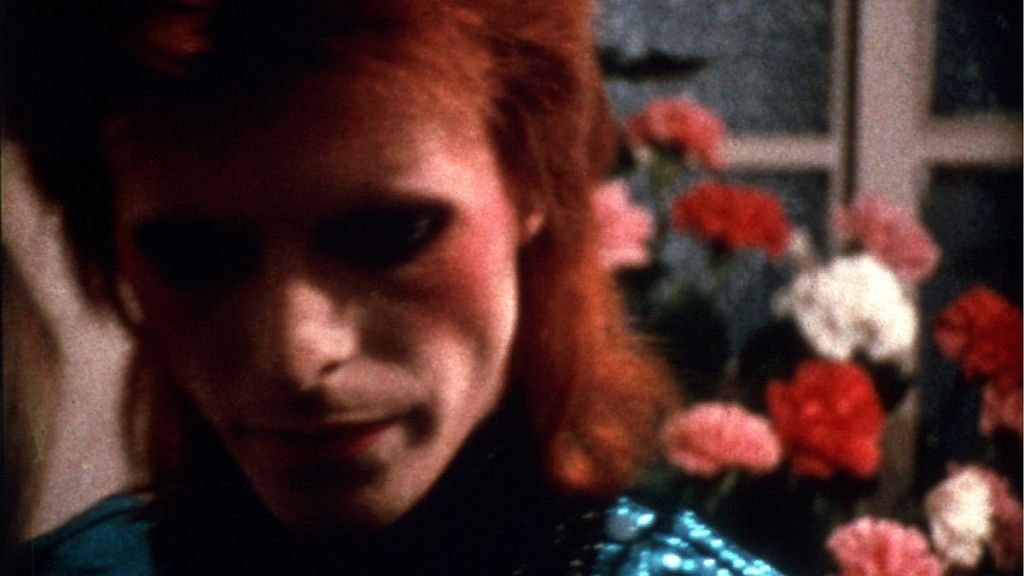
4. Ziggy Stardust and the Spiders from Mars (1973)
Genre: Concert
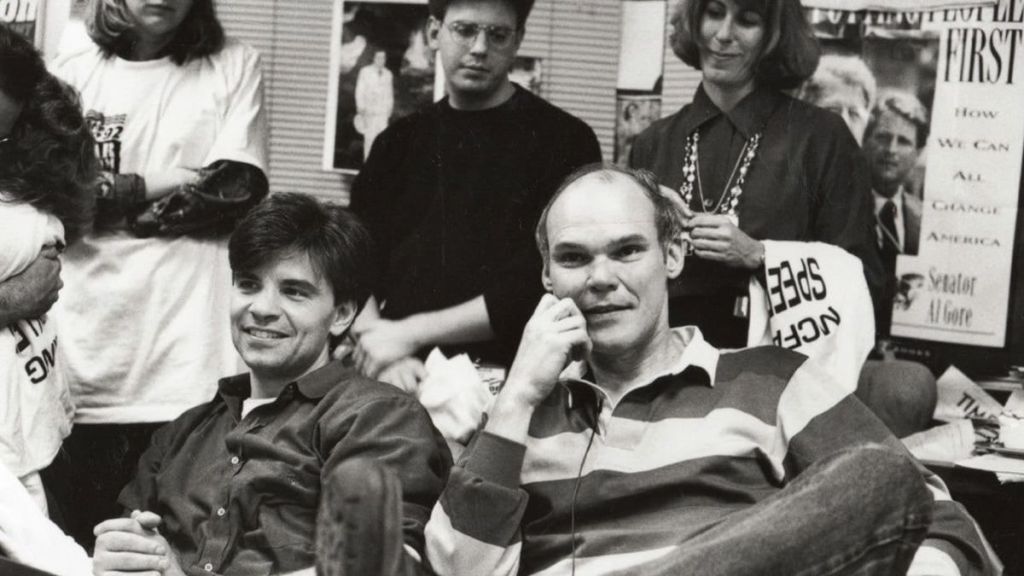
5. The War Room (1993)
Genre: Political Documentary
D. A. Pennebaker: Themes and Style
Themes:
- Music & Performance: Pennebaker had a unique ability to present musical performances in their raw, unadulterated form, providing intimate insights into musicians’ lives and their creative processes. Examples include Dont Look Back (Bob Dylan) and Monterey Pop (the 1967 music festival).
- Politics and Political Processes: He demonstrated an interest in the inner workings of politics, as seen in The War Room, which showcased Bill Clinton’s 1992 presidential campaign.
- Human Nature & Behavior: At the heart of Pennebaker’s work lies a profound interest in human nature, as he often explored how individuals behaved in certain situations, especially when they believed they weren’t being “performed” for the camera.
Styles:
- Cinéma Vérité: Pennebaker was a proponent of the direct cinema or cinéma vérité style, capturing real events in real-time without any predetermined narrative, scripted dialogue, or additional post-production reconstruction.
- Hand-held Camera Work: His work is known for its mobile, hand-held camera style, which allows for spontaneity and the ability to capture impromptu moments.
- Minimal Intervention: Adhering to the essence of direct cinema, Pennebaker favoured minimal interference from the filmmaker. He believed in observing rather than directing the events he captured.
- On-the-fly Editing: Often, Pennebaker and his team would make decisions about what to shoot and how to edit while filming, relying on instinct and the events’ natural progression.
Directorial Signature:
- Intimate Access: Pennebaker’s films often feel personal because of the close access he had to his subjects. This intimacy is evident in scenes like Bob Dylan playfully flipping cue cards in Dont Look Back.
- Cultural Relevance: His documentaries, especially the music-centric ones, often captured the zeitgeist of the times, making them valuable cultural documents.
- Collaborative Efforts: Pennebaker frequently collaborated with other filmmakers and creatives, which added a multifaceted richness to his documentaries. Examples include his work with Chris Hegedus on The War Room.
- Real-time Narratives: Eschewing traditional narrative structures, Pennebaker’s films often move in real time, allowing the audience to experience events as they unfold.
- Sound: Instead of using added scores or soundtracks, Pennebaker often relied on diegetic sound, allowing the natural ambience and sounds of the environment to set the tone.
D. A. Pennebaker – Great Director

 Bronze Screen Dream