
Cristian Mungiu is a Romanian film director, screenwriter, and producer best known for his stark and realistic portrayal of contemporary Romanian society. His films, which often emerge as critical successes, frequently capture the struggles, moral dilemmas, and dark humour prevalent in post-communist Romania. Among his most notable works is the Palme d’Or-winning 4 Months, 3 Weeks and 2 Days, which dives deep into the harrowing experiences of two women seeking an illegal abortion during the final days of the Ceaușescu regime.
Mungiu first gained international attention with his film Occident, which premiered at the Cannes Film Festival in 2002. The film, which tells the story of a young couple trying to navigate the challenges of life in modern-day Bucharest, established Mungiu as a major talent and set the stage for his subsequent work.
In 2007, Mungiu released his breakthrough film, 4 Months, 3 Weeks and 2 Days, which won the Palme d’Or at Cannes and established him as a leading figure in the Romanian New Wave. The film, which follows a young woman as she tries to help her friend obtain an illegal abortion in communist-era Romania, is a powerful and harrowing exploration of the human cost of oppressive political systems and the resilience of the human spirit in the face of adversity.
Mungiu’s subsequent films, such as Beyond the Hills and Graduation, have continued to explore the complexities of life in contemporary Romania, often through the lens of personal relationships and moral dilemmas. His films are notable for their naturalistic, unadorned style and their ability to find moments of grace and humanity in even the darkest and most difficult circumstances.
Throughout his career, Mungiu has remained committed to the idea of cinema as a tool for social and political change, using his films to shed light on the injustices and inequalities of Romanian society and to give voice to those who have been marginalised or oppressed. He has also been a vocal advocate for the importance of artistic freedom and the need for filmmakers to be able to tell their stories without fear of censorship or reprisal.

Cristian Mungiu (1968 – -)
Calculated Films:
- 4 Months, 3 Weeks and 2 Days (2007)
- Beyond the Hills (2012)
Similar Filmmakers
- Adrian Sitaru
- Adina Pintile
- Andrey Zvyagintsev
- Asghar Farhadi
- Béla Tarr
- Calin Peter Netzer
- Corneliu Porumboiu
- Cristi Puiu
- Dardenne Brothers
- Florin Serban
- Maren Ade
- Michael Haneke
- Mike Leigh
- Nuri Bilge Ceylan
- Pedro Costa
- Radu Jude
- Radu Muntean
- Ulrich Seidl


Cristian Mungiu’s Top 5 Films Ranked
1. 4 Months, 3 Weeks and 2 Days (2007)
Genre: Drama

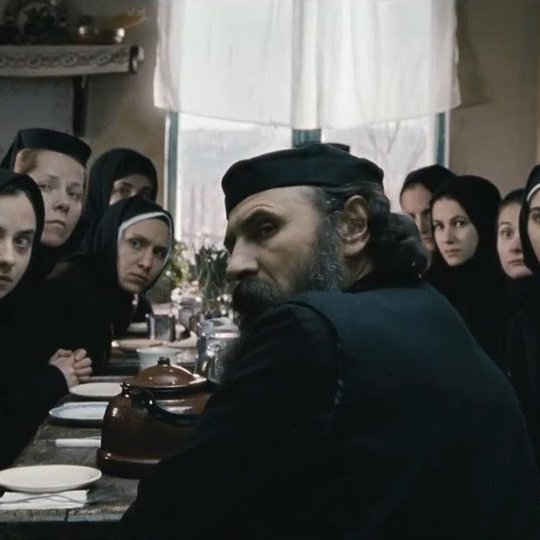
2. Beyond the Hills (2012)
Genre: Drama
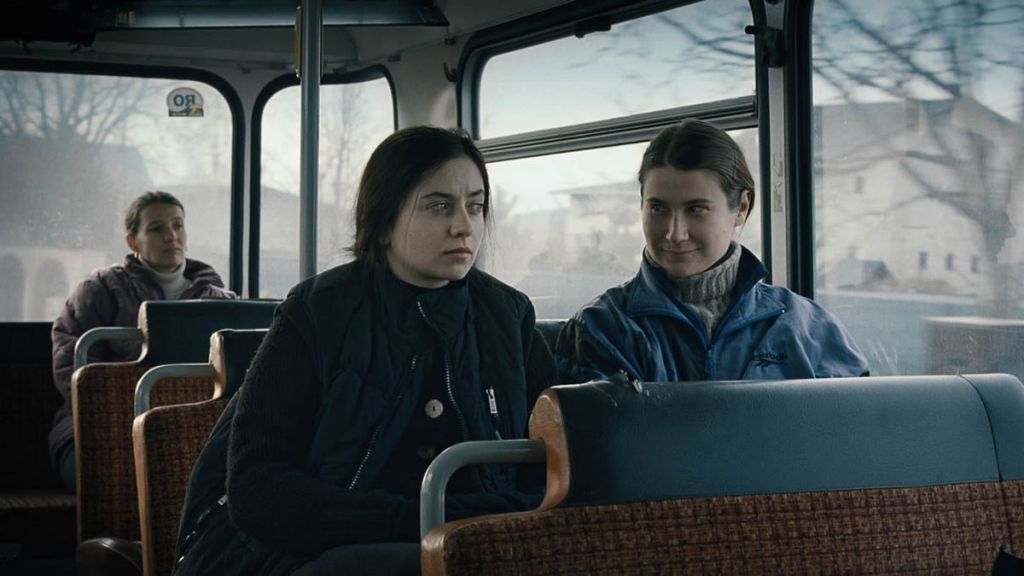
3. Graduation (2016)
Genre: Drama, Family Drama

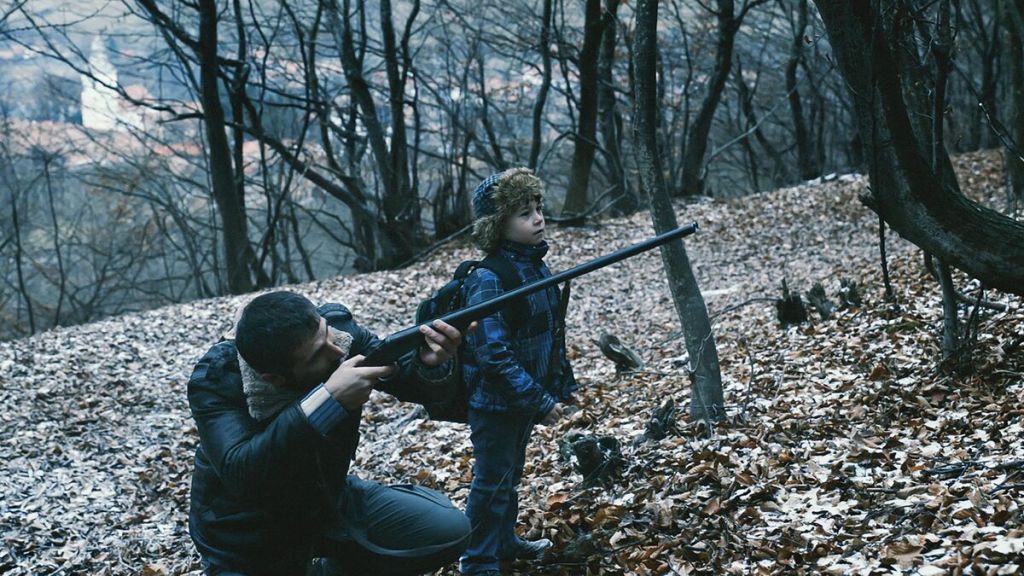
4. R.M.N (2022)
Genre: Drama
5. Occident (2002)
Genre: Drama, Black Comedy, Hyperlink Cinema

Cristian Mungiu: Themes and Style
Themes:
- Post-communist Romanian Society: Mungiu’s films often delve into the intricacies of life in post-communist Romania, exploring the societal, moral, and personal challenges its citizens face.
- Moral Dilemmas: Moral quandaries are central to many of his narratives, where characters are often faced with difficult choices that reflect broader societal issues.
- Personal Struggles: Whether securing an illegal abortion in 4 Months, 3 Weeks and 2 Days or navigating faith in Beyond the Hills, Mungiu’s characters grapple with deeply personal challenges.
- Corruption and Systemic Issues: Films like Graduation highlight the pervasive corruption and the lengths individuals might go to ensure a better future for their loved ones.
Styles:
- Minimalism: Mungiu’s films are stripped of unnecessary frills, focusing on the core narrative and characters.
- Long Takes: He often employs extended single takes, allowing scenes to play out in real-time and immersing the audience at the moment.
- Handheld Camera Work: This gives his films a documentary-like feel, adding a layer of raw authenticity.
- Absence of Non-diegetic Music: Mungiu avoids using background scores, letting the natural sounds and dialogues create the film’s atmosphere.
- Naturalistic Performances: Actors in his films deliver restrained and realistic performances, further enhancing the film’s authenticity.
Directorial Signature:
- Observational Storytelling: Mungiu’s films often feel like a keen observation of life, capturing the nuances of everyday struggles and societal challenges.
- Societal Commentary: Beyond the personal tales, there’s always a broader commentary on Romanian society, its history, and its challenges.
- Intimacy with Characters: Despite the broader societal themes, Mungiu ensures that the audience connects deeply with his characters, making their struggles palpable.
- Narrative Ambiguity: Mungiu often leaves certain elements of his stories open-ended, allowing the audience to derive their interpretations and reflections.
Cristian Mungiu – The 288th Greatest Director



 Bronze Screen Dream