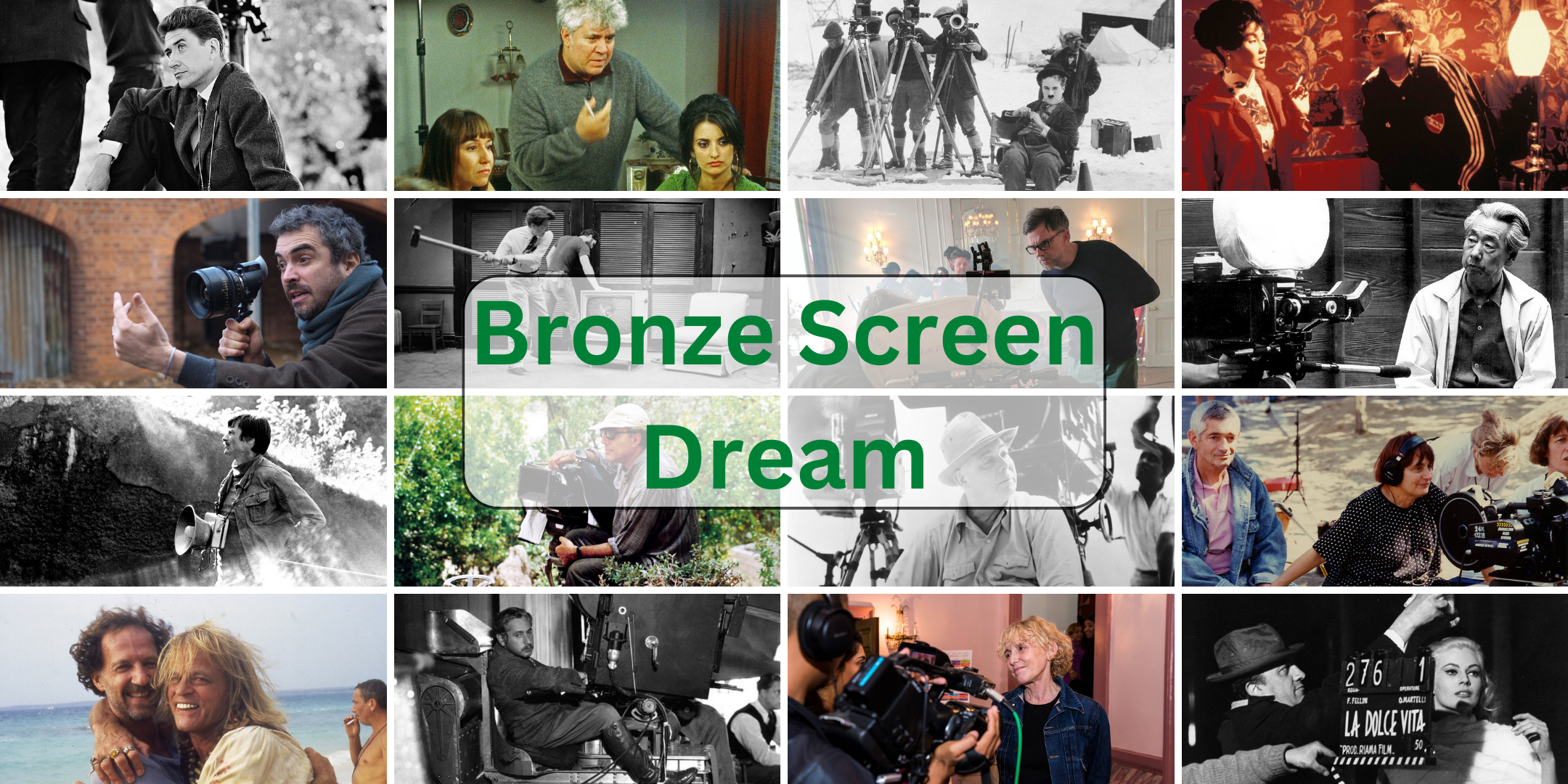
Below are some of the best Italian directors ever. Click on their pictures to discover more about them.


A Brief History of Contemporary Italian Cinema
Italian cinema’s stranglehold on international cinema has slackened since the 1960s, but that doesn’t mean the nation hasn’t been idle. Contemporary Italian directors continue to captivate audiences worldwide with their unique blend of storytelling, visual aesthetics, and cultural narratives. This era, marked by a diverse range of genres and styles, showcases the evolution of Italian filmmaking from its neorealist roots to a more modern and experimental approach.
One of the most influential figures in contemporary Italian cinema is Paolo Sorrentino. Known for his visually stunning and emotionally rich films, Sorrentino has gained international acclaim for works like “La Grande Bellezza” (The Great Beauty), which won the Oscar for Best Foreign Language Film in 2014. His films often explore themes of loneliness, the quest for meaning, and the complexities of human relationships, all set against the backdrop of Italian society and politics. Sorrentino’s unique style combines surreal imagery, poetic narrative structures, and a deep understanding of Italian culture.
Another pivotal director in modern Italian cinema is Matteo Garrone. Garrone’s films, such as “Gomorrah” and “Dogman,” delve into the darker aspects of Italian life, particularly the world of crime and its impact on society. His gritty, realistic portrayal of these themes, coupled with a keen eye for storytelling, has earned him critical acclaim and a reputation for being unafraid to tackle difficult and often controversial subjects. Garrone’s work is notable for its unflinching realism, complex characters, and deep socio-political commentary.
Nanni Moretti, another distinguished filmmaker, offers a different perspective on Italian society through his deeply personal and often autobiographical films. Moretti’s works, including “Caro Diario” (Dear Diary) and “La Stanza del Figlio” (The Son’s Room), blend humour, satire, and poignant drama to explore the everyday life and struggles of ordinary Italians. His films are celebrated for their introspective nature, engaging storytelling, and the delicate balance of comedy and tragedy, providing an insightful look into the Italian psyche.
Lastly, Alice Rohrwacher has emerged as a significant voice in Italian cinema, known for her lyrical and magical realist approach. Her films, like “Le Meraviglie” (The Wonders) and “Lazzaro Felice” (Happy as Lazzaro), are marked by a focus on rural life, the passage of time, and the clash between tradition and modernity.
 Bronze Screen Dream