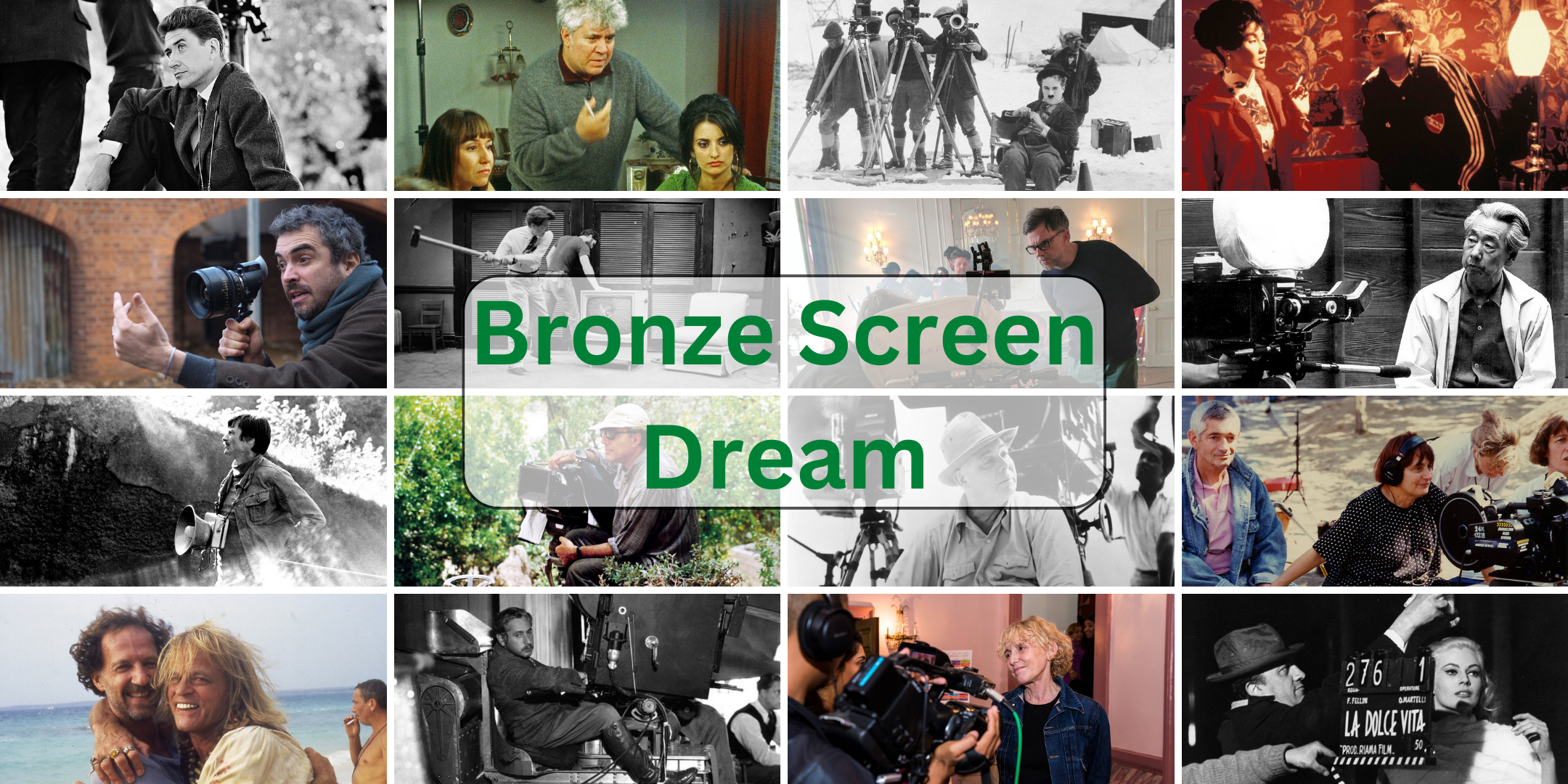
Below are some of the best Italian directors ever. Click on their pictures to discover more about them.



A Brief History of Commedia all’italiana
The Commedia all’italiana, or “Comedy Italian style,” emerged in Italy during the late 1950s as a distinct film genre. This cinematic style blended humour, irony, and critical social commentary, reflecting the changing social landscape of post-war Italy. It stood out for its satirical approach to serious themes such as poverty, religion, and the idiosyncrasies of Italian life.
One of the pioneering figures in this movement was Mario Monicelli, whose 1958 film “I soliti ignoti” (Big Deal on Madonna Street) is often cited as one of the earliest examples of Commedia all’italiana. This film marked a departure from the neorealism that had dominated Italian cinema in the post-war era, introducing a lighter, more comedic approach while still addressing serious social issues. Monicelli’s work is characterised by its humorous yet poignant exploration of the struggles of the common man.
Another significant director in this genre was Dino Risi. His 1962 film “Il Sorpasso” (The Easy Life) is a quintessential Commedia all’italiana film, combining sharp wit with a critique of the newfound materialism and moral decay in Italian society. Risi’s films often featured complex characters and bitter humour, exposing the contradictions and absurdities of everyday life.
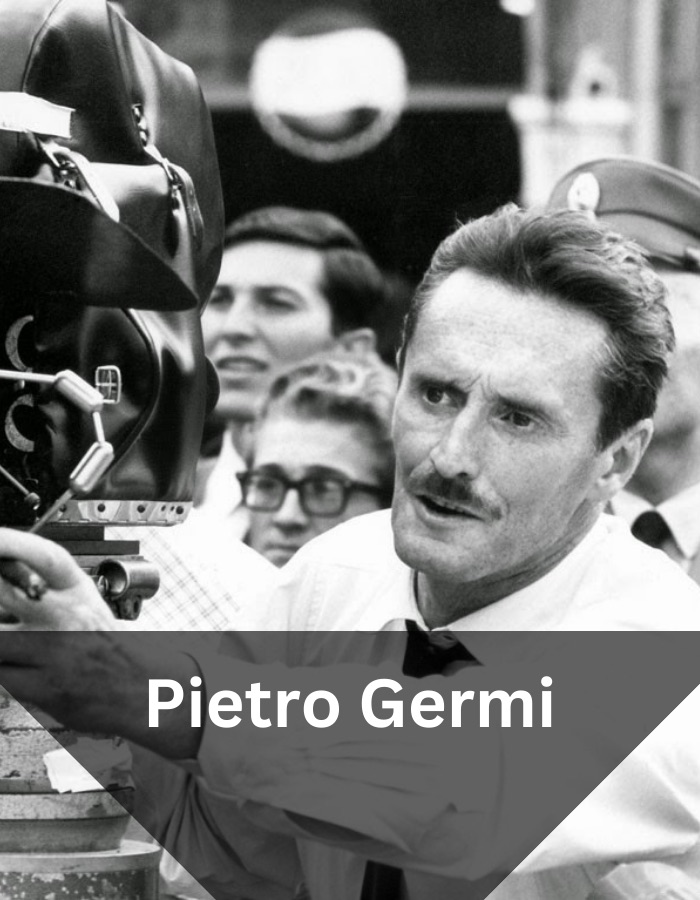
Pietro Germi was another key figure in the genre, especially known for his 1961 film “Divorzio all’italiana” (Divorce Italian Style), which satirised the Italian legal system and societal norms around marriage and honour. Germi’s style was notable for its darker humour and satirical edge, using comedy to critique rather than merely to entertain.
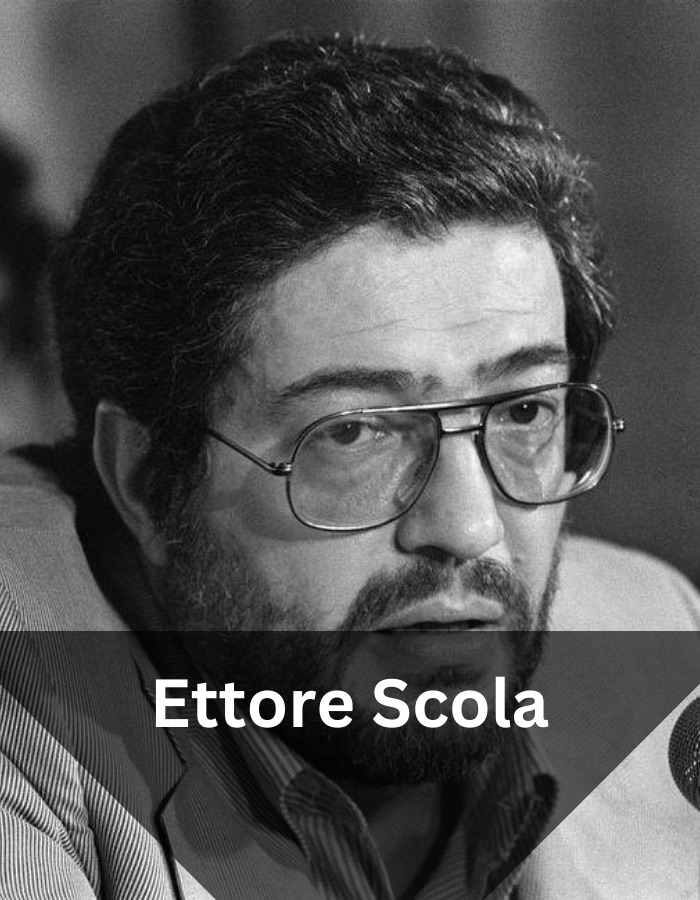
Lastly, Ettore Scola brought a more sentimental and nostalgic tone to the Commedia all’italiana. His 1974 film “C’eravamo tanto amati” (We All Loved Each Other So Much) reflects on the changes in Italian society and the fading ideals of the post-war period. Scola’s work is distinguished by its emotional depth, combining comedy with a poignant exploration of human relationships and societal changes.
 Bronze Screen Dream