

Claude Sautet was a French film director and screenwriter known for his contributions to French cinema from the 1960s through the early 2000s. His work is distinguished by a keen focus on character-driven stories and a subtle exploration of human relationships, often set against the backdrop of middle-class life. His films are celebrated for their deep emotional resonance and the deft portrayal of intricate interpersonal dynamics. Some of his most acclaimed works include Classe Tous Risques, Un Cœur en Hiver, and Nelly et Monsieur Arnaud. These films not only demonstrated his adept storytelling skills but also earned him several awards. Un Cœur en Hiver, for instance, won the BAFTA Award for Best Film Not in the English Language, highlighting his international acclaim.
Sautet’s career, spanning over four decades, was marked by a distinctive style that focused on character-driven narratives and an emphasis on the complexities of human emotions and relationships. His early work, like Classe Tous Risques, was rooted in the crime genre, but he gradually shifted towards more intimate, character-centric stories. His films often revolved around the lives of ordinary people, delving into their personal struggles, aspirations, and moral dilemmas. This thematic preoccupation is evident in movies like Les Choses de la Vie and Nelly et Monsieur Arnaud, where he skillfully depicts the nuances of romantic entanglements and the subtleties of ageing and memory. Sautet’s ability to capture the essence of everyday life, imbuing it with a sense of depth and universality, set his work apart from that of his contemporaries.
Visually, Sautet’s style was characterised by an elegant simplicity and a preference for realistic, unobtrusive cinematography. He had a penchant for tight framing and close-ups, which intensified the emotional impact of his scenes and brought the audience closer to his characters’ inner worlds. His approach to filmmaking was methodical and actor-centric, often resulting in nuanced performances that added layers of complexity to his narratives. Films like César et Rosalie and Vincent, François, Paul et les Autres showcase his skill in ensemble storytelling, weaving multiple character arcs into a cohesive narrative tapestry.
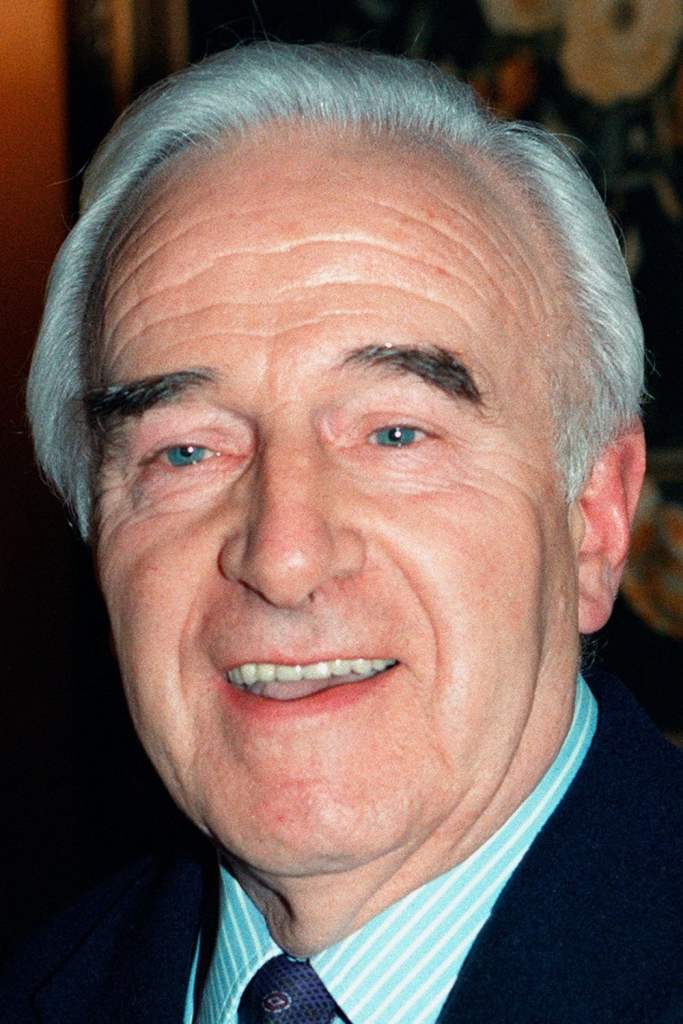
Claude Sautet (1924 – 2000)
Calculated Films:
- The Things of Life (1970)
- A Heart in Winter (1992)
Similar Filmmakers
- Agnes Varda
- Andre Techine
- Bertrand Tavernier
- Claude Miller
- Eric Rohmer
- Francois Truffaut
- Jacques Deray
- James Ivory
- Jean Becker
- Jean-Louis Bertuccelli
- Jean-Luc Godard
- Krzysztof Kieslowski
- Maurice Pialat
- Michel Deville
- Patrice Leconte
- Pierre Granier-Deferre
- Stephane Brize
- Yves Robert
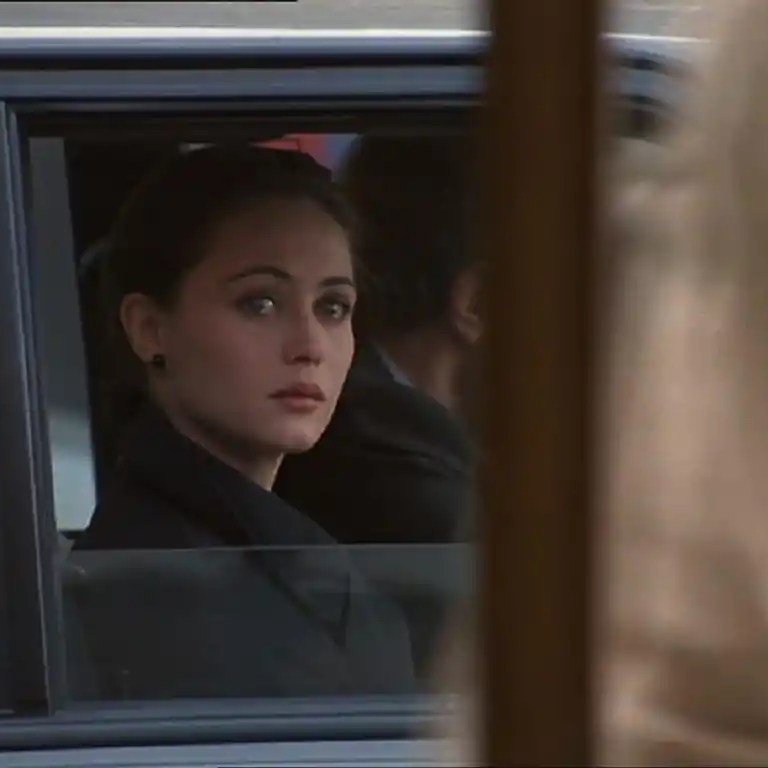


Claude Sautet’s Top 5 Films Ranked
1. A Heart in Winter (1992)
Genre: Drama, Romance

2. The Things of Life (1970)
Genre: Drama, Psychological Drama

3. The Big Risk (1960)
Genre: Gangster Film, Polar

4. Cesar and Rosalie (1972)
Genre: Romance, Drama

5. Max and the Junkman (1971)
Genre: Polar, Heist Film, Drama

Claude Sautet: Themes and Style
Themes:
- Human Relationships and Emotions: Sautet frequently explored complex human relationships, delving into the emotional intricacies of love, friendship, and family. His films, like César et Rosalie, often portrayed nuanced, multifaceted characters navigating interpersonal connections.
- Middle-Class Struggles: Many of Sautet’s films, including Les Choses de la Vie, focus on the middle-class experience, highlighting their everyday challenges, aspirations, and moral dilemmas, thereby creating a resonant, realistic portrait of society.
- Moral Ambiguity and Ethical Dilemmas: Sautet had a penchant for crafting stories that revolved around morally ambiguous situations. Films like Classe Tous Risques often present characters faced with difficult ethical choices, reflecting the complexities of real-life decisions.
- The Passage of Time and Nostalgia: In movies such as Un Coeur en Hiver, Sautet frequently examined the effects of time on his characters, infusing his narratives with a sense of nostalgia and a poignant awareness of life’s transience.
Styles:
- Realistic and Subtle Storytelling: Sautet’s style is marked by a realistic approach to storytelling, favouring subtlety and depth over dramatic effects. His films, like Max et les Ferrailleurs, often rely on nuanced character development and realistic dialogue.
- Elegant Cinematography: Sautet’s films are known for their sleek cinematography, which captures the beauty of everyday settings. His use of the camera in Nelly et Monsieur Arnaud adds a visual grace to the narrative, enhancing the emotional impact.
- Use of Music to Enhance Mood: Music played a crucial role in Sautet’s films, often used to enhance the mood and underscore the emotional undercurrents of a scene. The soundtrack of Les Choses de la Vie is a prime example, complementing the film’s themes and tone.
Directorial Signature:
- Focus on Character Development: Sautet’s signature as a director is his profound focus on character development. His films, like Un Coeur en Hiver, are character-driven, with detailed backstories and complex personalities that evolve throughout the narrative.
- Reflections on Contemporary Society: His films consistently reflect upon contemporary society and its issues. In Max et les Ferrailleurs, Sautet comments on social and moral issues, making his work relevant and thought-provoking.
- Subtle Exploration of Human Psyche: Sautet’s directorial signature includes a subtle yet profound exploration of the human psyche. In films like Nelly et Monsieur Arnaud, he delves into the depths of his characters’ minds, unravelling their fears, desires, and motivations.
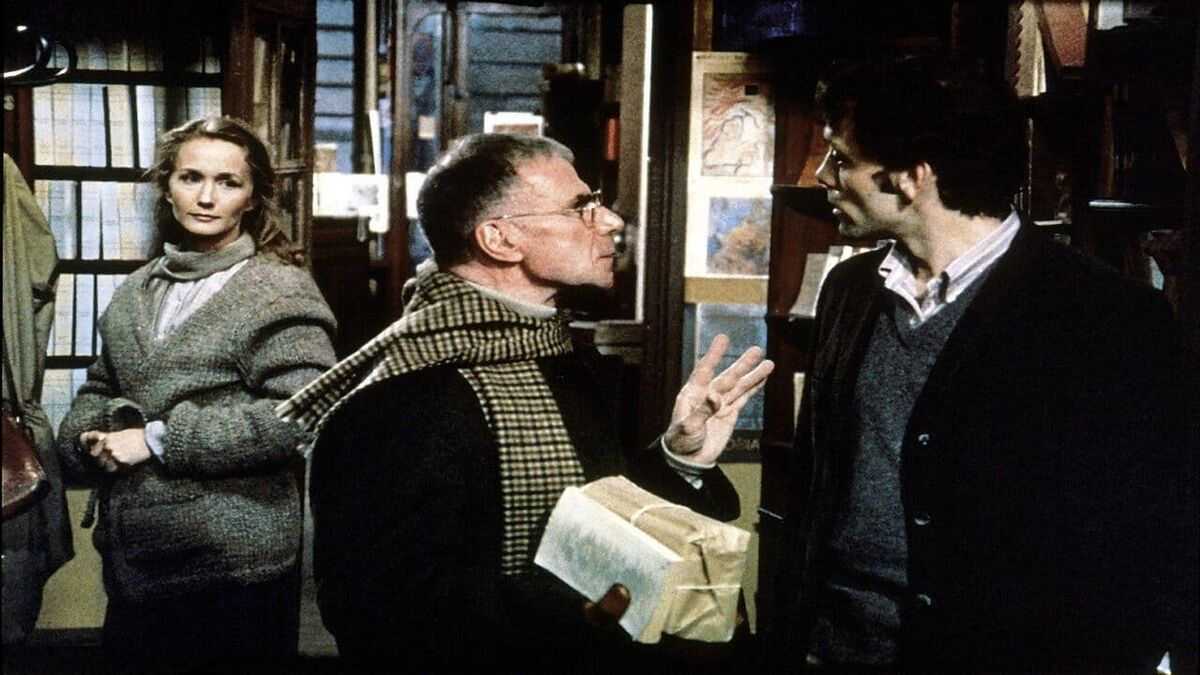
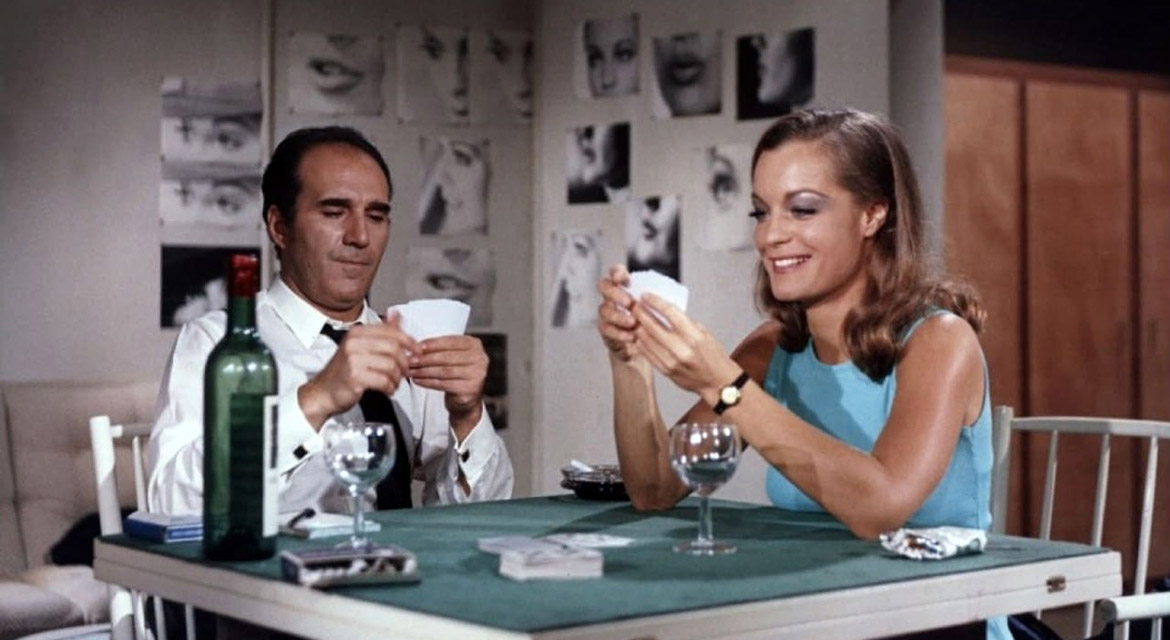
Claude Sautet – Great Director


 Bronze Screen Dream