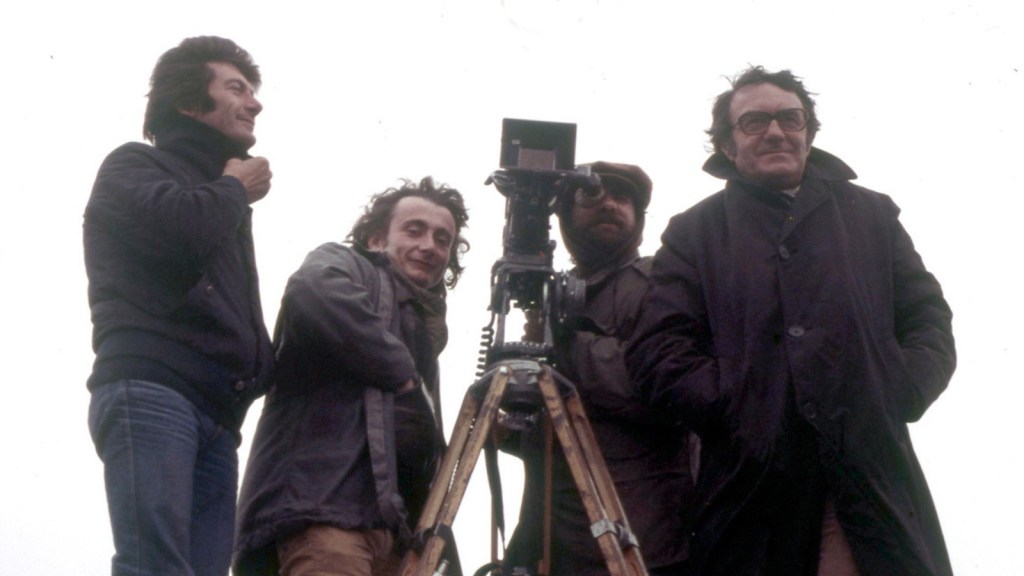
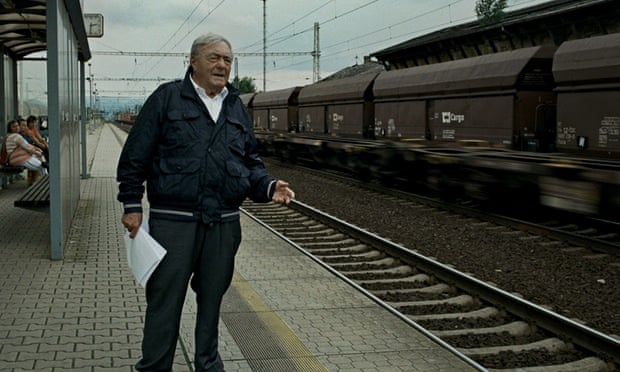
Claude Lanzmann, a French filmmaker, carved out a unique place in cinema history with his tireless pursuit of truth and historical accuracy. His most renowned contribution to documentary filmmaking is the monumental film Shoah. A powerful and haunting depiction of the Holocaust, Shoah eschews the conventional use of archival footage in favour of deeply personal and profound testimonies from survivors, bystanders, and even perpetrators. This distinctive approach gave voice to those directly affected by the Holocaust, offering an unprecedented insight into the harrowing experiences of this historical tragedy.
Lanzmann’s body of work is distinguished by its focused exploration of themes related to the Holocaust. His dedication to unveiling the complexities and nuances of this horrific event is evident in the meticulous research and extensive interviews he undertakes. By shedding light on the various perspectives, from victims to bystanders to perpetrators, Lanzmann creates a deeply affecting portrait of the Holocaust. Films like The Last of the Unjust and Sobibor, October 14, 1943, 4 p.m. embody this commitment, further delving into the ethical questions surrounding the Holocaust and engaging the audience in intellectual discourse on the subject matter.
A minimalist aesthetic characterises Lanzmann’s visual style. He leverages stark landscapes, haunting silences, and a marked absence of archival footage to create a powerful and contemplative viewing experience. Although unconventional, this approach draws the audience into the raw emotional landscape of his subjects, intensifying the film’s impact. His distinctive style has left an enduring influence on documentary filmmaking, as his films continue to resonate with audiences, underscoring the importance of remembrance, understanding, and the power of personal narratives. Claude Lanzmann’s career serves as a testament to the unflinching exploration of historical truths, ensuring that the echoes of the past continue to reverberate in our collective memory.
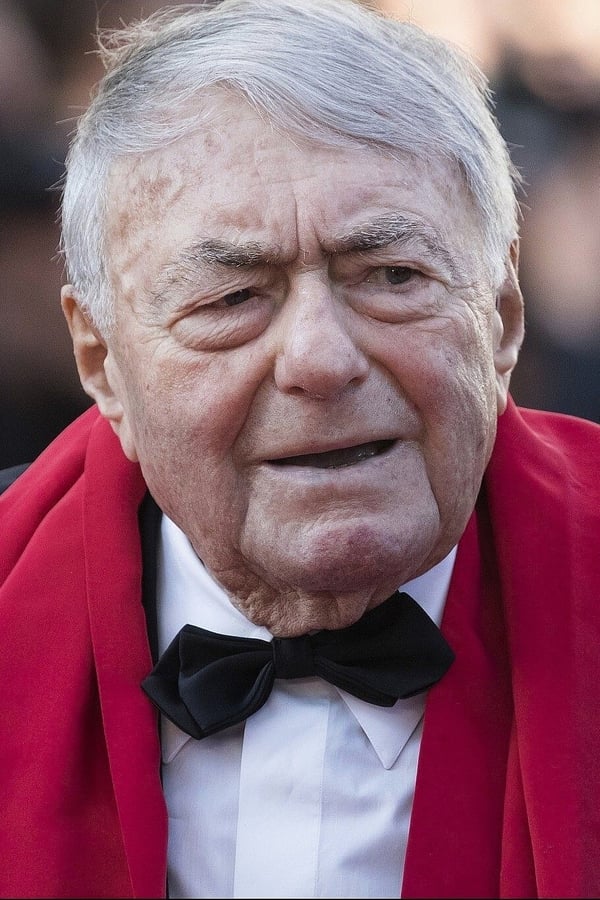
Claude Lanzmann (1925 – 2018)
Calculated Films:
- Shoah (1985)
- Sobibor, October 14, 1943, 4 p.m. (2001)
Similar Filmmakers
- Alain Resnais
- Amir Bar-Lev
- Chris Marker
- Errol Morris
- Eyal Sivan
- Harun Farocki
- Frederick Wiseman
- Jean Rouch
- Jean-Xavier de Lestrade
- Joris Ivens
- Joshua Oppenheimer
- Kazuo Hara
- Marcel Ophuls
- Michael Apted
- Patricio Guzman
- Rithy Panh
- Ruth Beckermann
- Werner Herzog
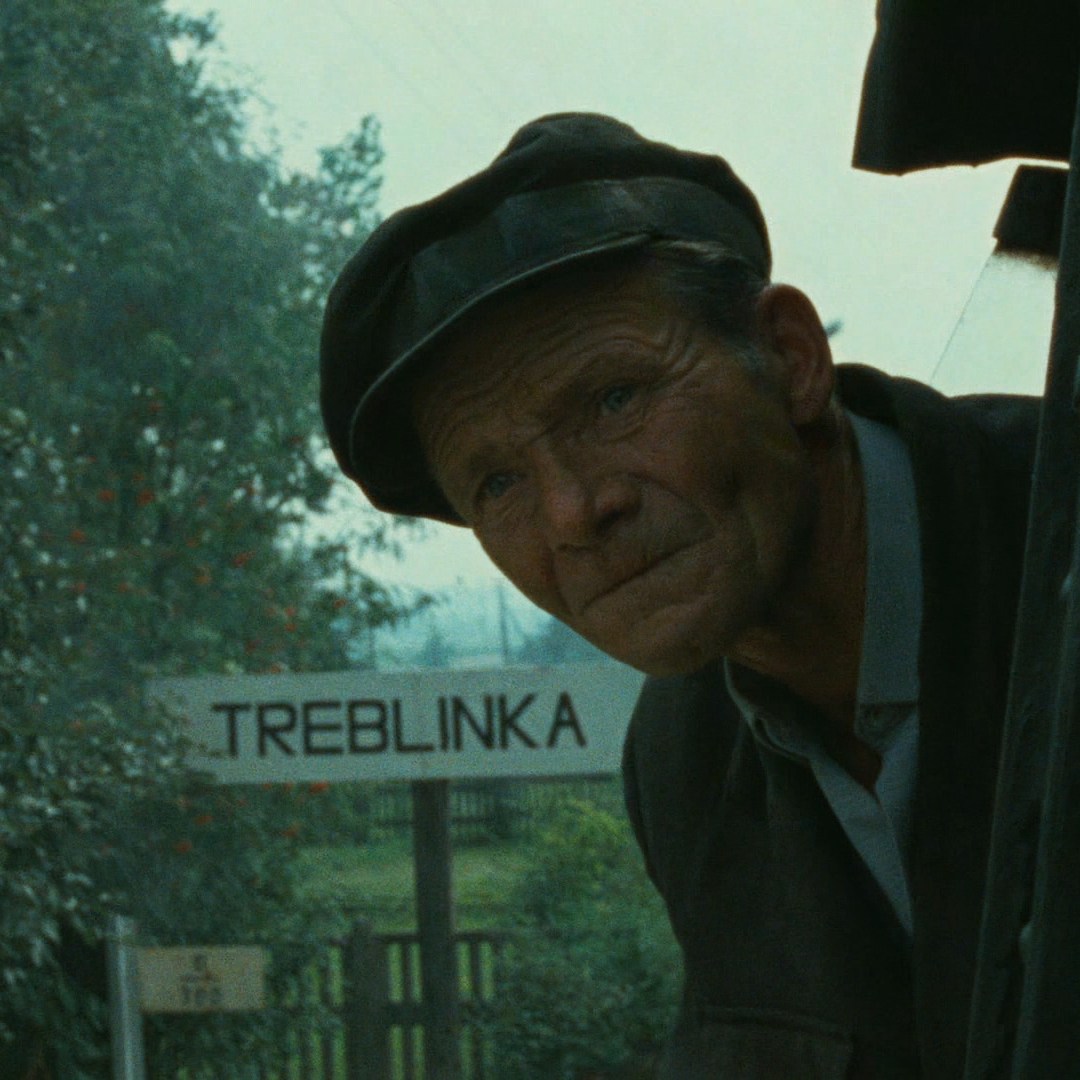

Claude Lanzmann’s 5 Films That Should Be Watched
Shoah (1985)
Genre: War Documentary
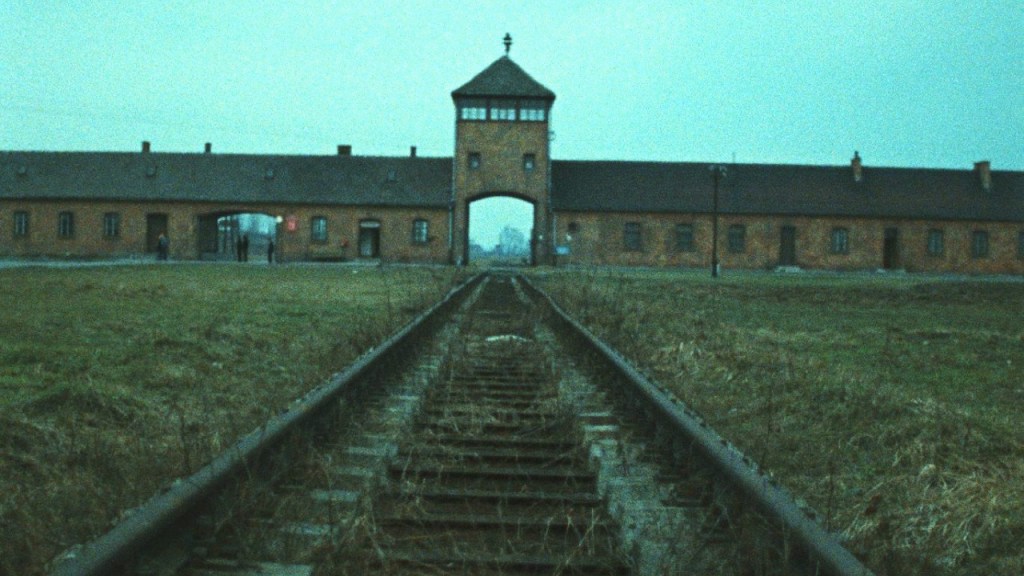
A Visitor From The Living (1997)
Genre: Documentary

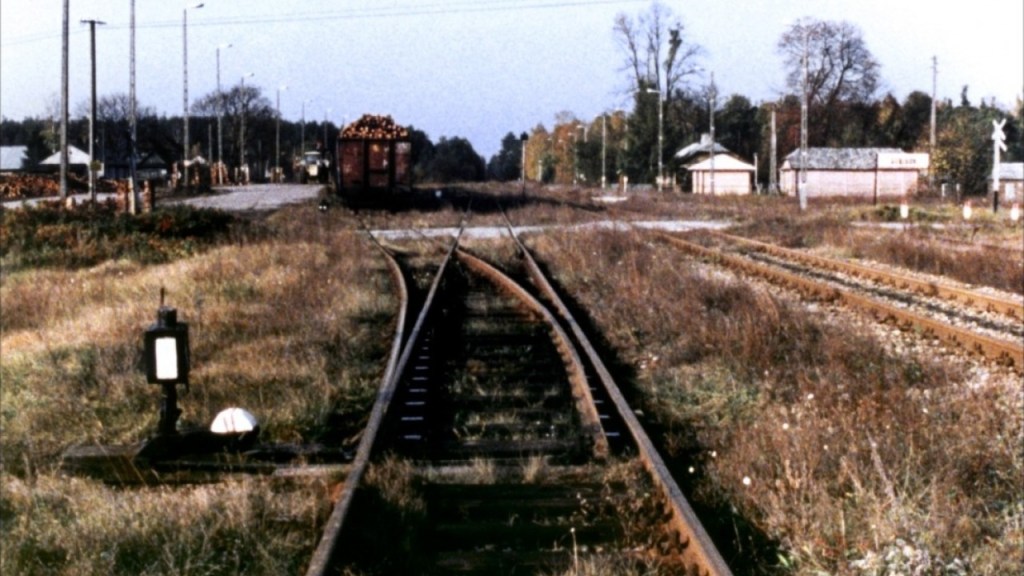
Sobibor, October 14, 1943 4 P.M. (2001)
Genre: Documentary
The Karski Report (2010)
Genre: Documentary, Biographical Documentary
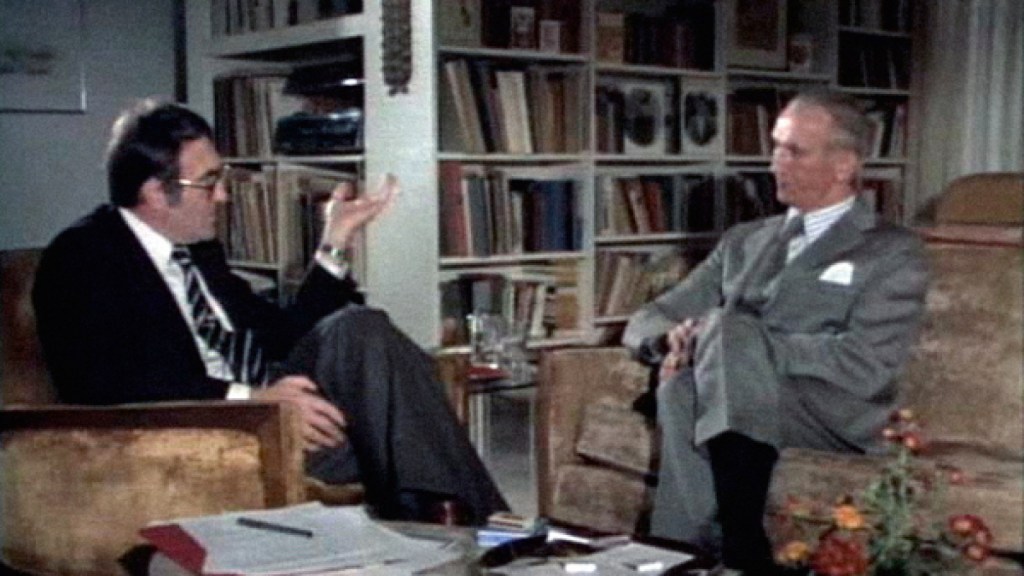
The Last of the Unjust (2013)
Genre: Documentary

Claude Lanzmann: Themes and Style
Themes:
- Memory and Trauma: Lanzmann was profoundly interested in the themes of memory, both collective and individual. His works delve into how trauma, particularly the Holocaust, is remembered and passed on through generations.
- Witnessing and Testimony: Central to Lanzmann’s films is bearing witness. His interviews with survivors, bystanders, and perpetrators underscore the importance of firsthand accounts in understanding history.
- Historical Responsibility: Lanzmann’s documentaries frequently challenge audiences to confront and accept historical responsibilities, particularly regarding the Holocaust. He was adamant about the dangers of forgetting or distorting the past.
Styles:
- Absence of Archival Footage: In Shoah, Lanzmann chose not to use any archival footage. He believed that the reality of the Holocaust was too immense to be captured in archival images and that these images could become distanced or sanitised with time.
- Extended Interviews: Lanzmann’s documentaries are marked by in-depth, extended interviews. His aim was often to dig deeper, pushing interviewees to recall often painful and traumatic memories in detail.
- Natural Settings: He often conducted interviews in the very locations where historical events unfolded, adding a layer of poignancy and immediacy to the accounts.
- Persistent Probing: Lanzmann was known for his relentless, even aggressive, interviewing style. He often pushed his subjects to confront difficult truths and emotions, believing in confrontations’ cathartic and historical value.
Directorial Signature:
- Lengthy Duration: Lanzmann’s works, especially Shoah, are known for their long durations. This length allows for a deep, exhaustive exploration of topics, giving viewers time to immerse themselves and reflect.
- Avoidance of Dramatization: Lanzmann avoided the dramatisation of events. Instead of recreating scenes or using dramatic music, he relied on raw, unembellished testimonies.
- Intellectual Rigor: Stemming from his background in journalism and philosophy, Lanzmann’s works are marked by a rigorous framework. He deeply researched his subjects and approached them with a keen analytical mind.
- Moral Imperative: More than just documenting, Lanzmann’s films often have a moral centre. They don’t just inform; they demand action, understanding, and remembrance from the viewer.
Claude Lanzmann – The 234th Greatest Director



 Bronze Screen Dream