
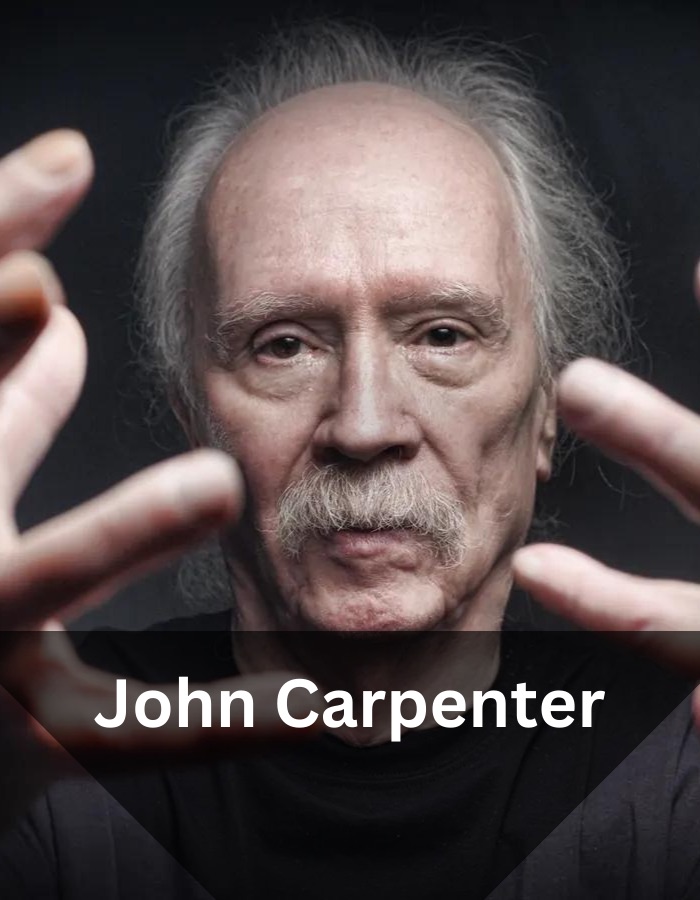
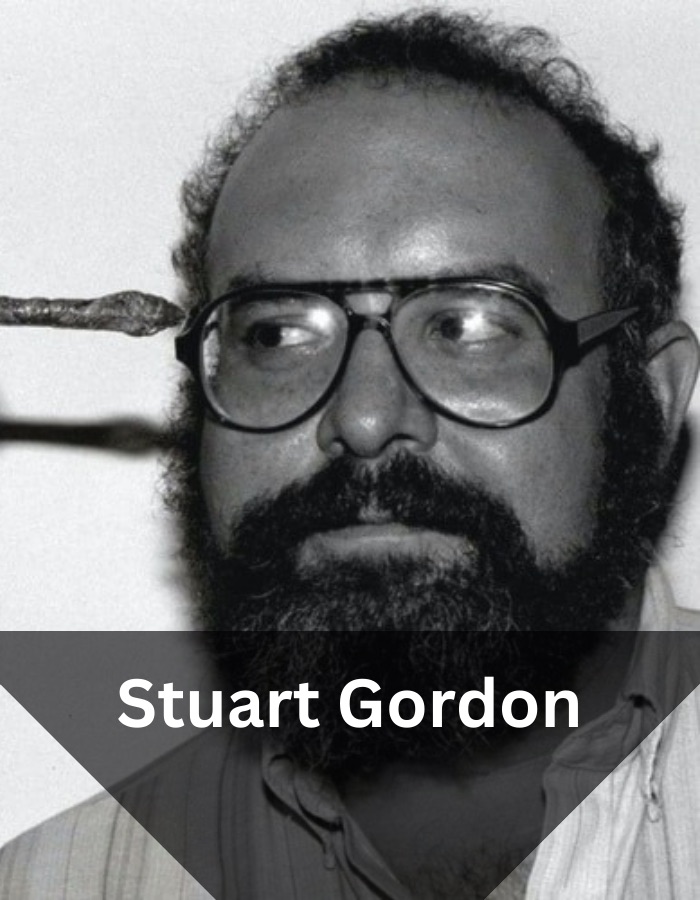
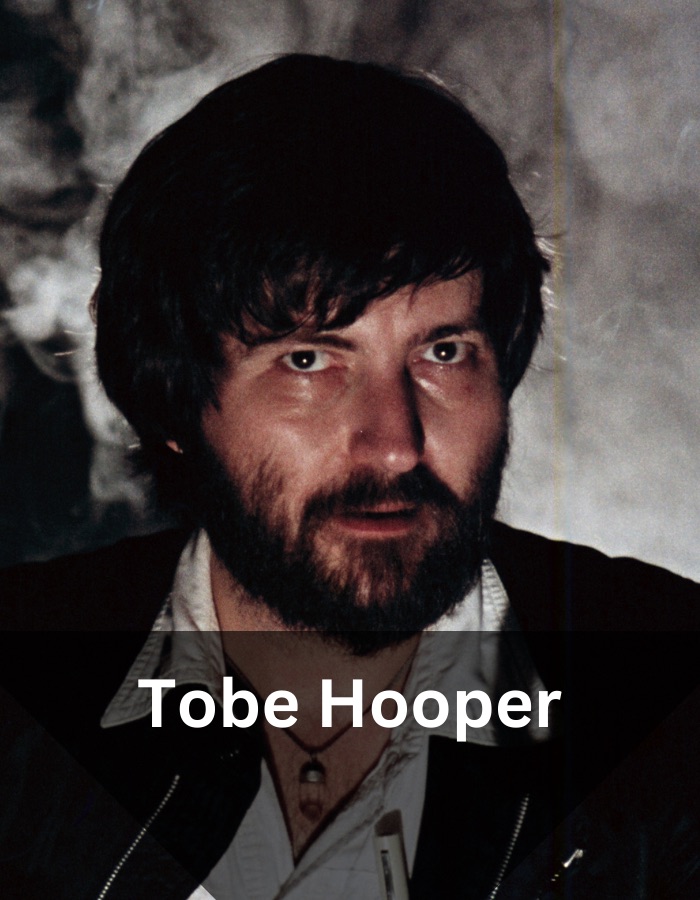
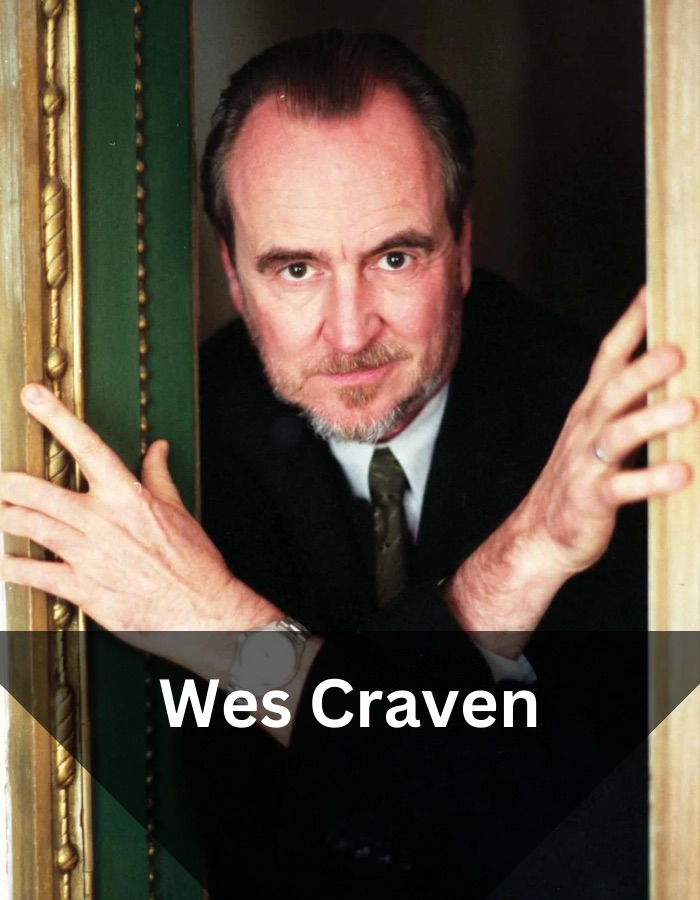
Below are some of the best American directors ever. Click on their pictures to discover more about them. This grouping covers the directors whose best known work was made in the horror genre between the 1960s – 1980s.



A Brief History of Classic Horror
Classic American horror has a rich and diverse history that spans over a century, marked by distinct eras and influential directors who have shaped the genre. The early years of American horror cinema were influenced heavily by German Expressionism, with its moody atmospheres and stark lighting. This period saw the rise of silent horror classics like “Nosferatu” and “The Phantom of the Opera”. These films laid the groundwork for the horror genre, introducing elements of the supernatural and the macabre that would become staples.
The 1930s and 1940s witnessed the golden age of Universal Studios’ monster movies. Directors like James Whale and Tod Browning were instrumental in bringing iconic characters to the silver screen. Whale’s “Frankenstein” and “Bride of Frankenstein” are renowned for their innovative use of makeup and special effects, while Browning’s “Dracula” set the standard for vampire films. This era was characterised by its gothic aesthetics, with grandiose sets and dramatic lighting that heightened the sense of fear and suspense.
The post-World War II era saw a shift towards psychological horror and science fiction themes. Directors like Alfred Hitchcock and Don Siegel explored the fears and anxieties of the atomic age. Hitchcock’s “Psycho” revolutionised the genre with its shocking narrative twists and exploration of psychological terror. Siegel’s “Invasion of the Body Snatchers” tapped into Cold War paranoia, showcasing horror not just as a means of entertainment but also as social commentary.
The 1970s and 1980s ushered in a new wave of horror characterised by graphic violence and slasher films. Directors like John Carpenter and Wes Craven became prominent figures during this time. Carpenter’s “Halloween” introduced the concept of the masked, unstoppable killer, setting the template for many slasher films that followed. Craven’s “A Nightmare on Elm Street” blended the supernatural with the slasher genre, creating a lasting cultural impact with its innovative premise and memorable antagonist.
In recent decades, American horror has continued to evolve, with directors like Jordan Peele and Ari Aster bringing fresh perspectives to the genre. Peele’s “Get Out” and “Us” combine traditional horror elements with sharp social commentary, while Aster’s “Hereditary” and “Midsommar” focus on atmospheric, psychological terror.
 Bronze Screen Dream