
Christopher Nolan, a British director, has become one of the most acclaimed and influential filmmakers of the 21st century. Renowned for his non-linear storytelling, complex themes, and visual grandeur, Nolan seamlessly fuses art house intellect with blockbuster spectacle. His movies, including his innovative reimagining of the Batman saga in The Dark Knight Trilogy and high-concept films like Inception and Interstellar, have solidified his distinctive place in contemporary cinema.
Starting his career with low-budget independent films, Nolan gained prominence with Memento, a film that uniquely manipulated narrative structure and time. His reputation as an innovative filmmaker was cemented with this film, which paved the way for him to work on bigger projects. A recurring pattern in Nolan’s journey is his frequent collaboration with key figures, including his wife and producing partner Emma Thomas, his brother and co-writer Jonathan Nolan, cinematographer Wally Pfister, and actors such as Michael Caine and Tom Hardy.
Nolan’s films recurrently explore the themes of identity, memory, and time. He often embeds these themes into high-concept narratives, bridging the divide between intellectual ambition and mainstream appeal. This approach is evident in films like Inception, where dreams within dreams challenge perceptions of reality and memory, and Interstellar, where space travel serves as a backdrop for exploring love, sacrifice, and the nature of time.
The Greatest Director of the 21st Century?
A significant aspect of Nolan’s filmmaking style is his preference for practical effects and in-camera techniques over digital CGI, lending his films a tangible sense of realism. His ambitious action sequences in films like The Dark Knight and Dunkirk exemplify this approach. Nolan also favours shooting on a grand scale with IMAX cameras for superior image quality, creating a visually immersive viewing experience, as notably demonstrated in films like Interstellar and Tenet.
Nolan’s long-term collaboration with composer Hans Zimmer is integral to his work. Zimmer’s emotive and atmospheric scores profoundly enhance the mood and narrative of Nolan’s films, with the soundtrack for Inception standing out as one of the most iconic scores in modern cinema. Nolan’s fusion of complex ideas, visual spectacle, and dynamic music has led to commercial success and critical acclaim, making his films an anticipated event.
Christopher Nolan’s influence on modern cinema is substantial. His blend of high-concept narratives with blockbuster aesthetics has redefined mainstream cinema, inspiring many contemporary filmmakers, including Denis Villeneuve and Rian Johnson. Nolan’s body of work continues to set benchmarks for storytelling, technical excellence, and cinematic ambition, solidifying his legacy as a groundbreaking figure in contemporary film.
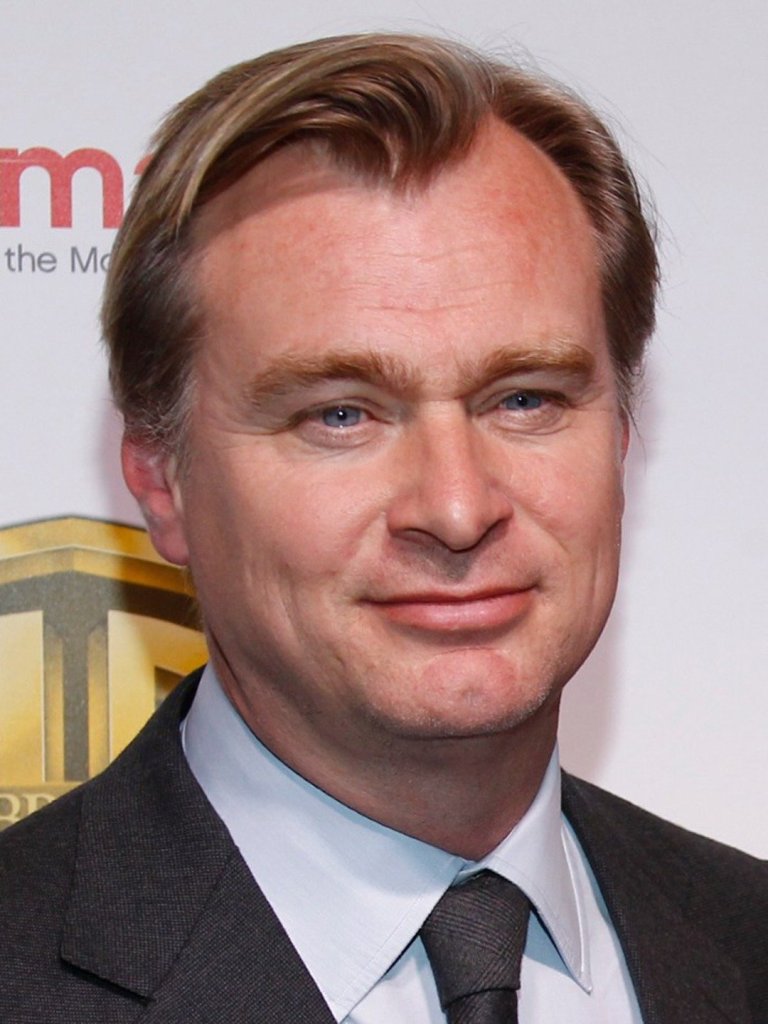
Christopher Nolan (1970 – -)
Calculated Films:
- Memento (2000)
- Batman Begins (2005)
- The Prestige (2006)
- The Dark Knight (2008)
- Inception (2010)
- The Dark Knight Rises (2012)
- Interstellar (2014)
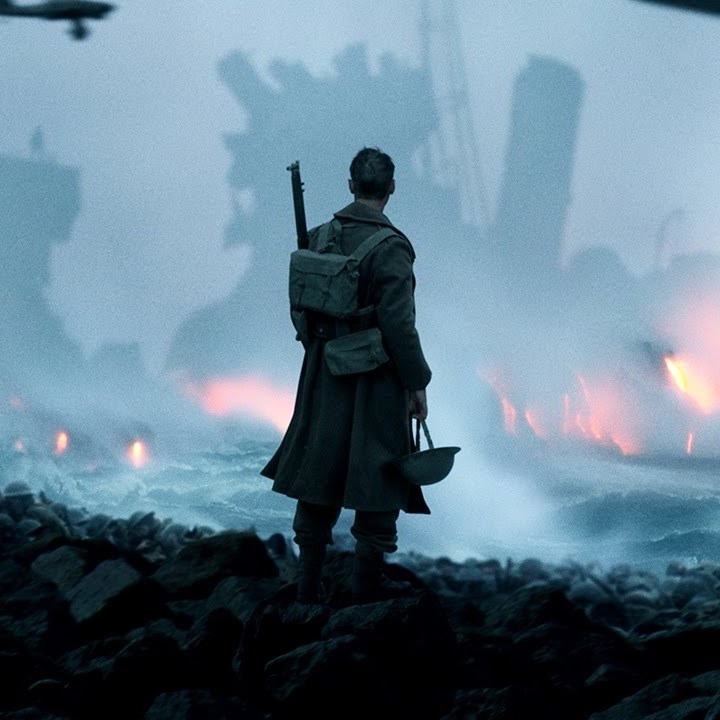
- Dunkirk (2017)
- Tenet (2020)
Similar Filmmakers
- Duncan Jones
- Gareth Edwards
- James Cameron
- Jonathan Glazer
- Michael Mann
- Paul Greengrass
- Ridley Scott
- Shane Carruth
- Stanley Kubrick
- Steven Soderbergh
- Steven Spielberg
- Zack Snyder


Christopher Nolan’s Top 10 Films Ranked
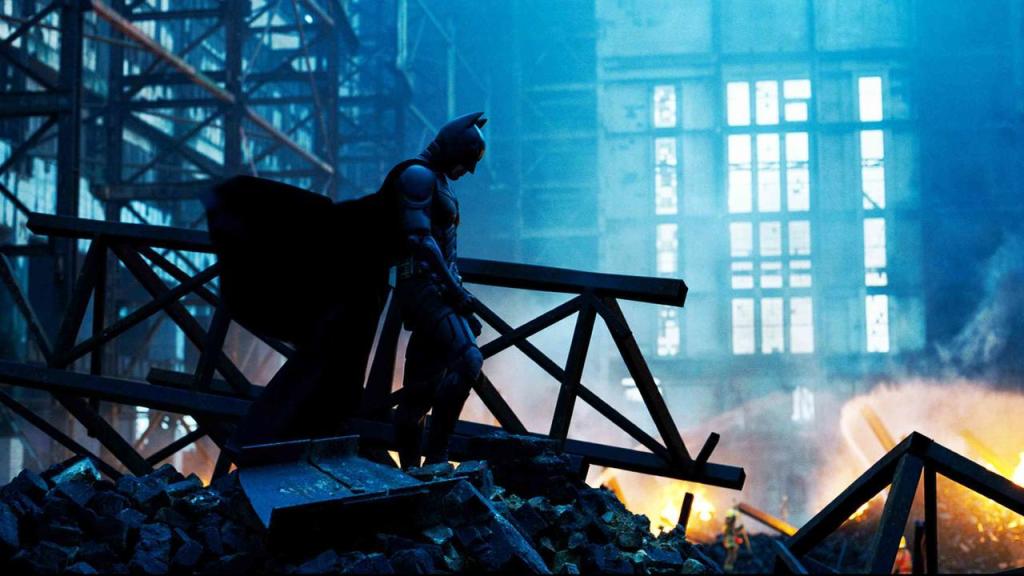
1. The Dark Knight (2008)
Genre: Superhero, Action, Thriller, Crime
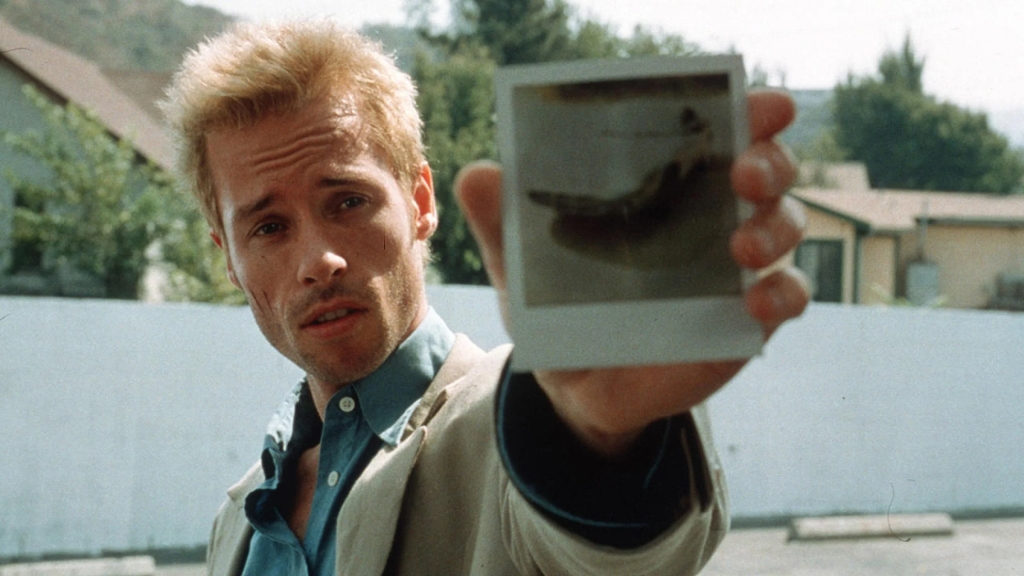
2. Memento (2000)
Genre: Mystery, Psychological Thriller
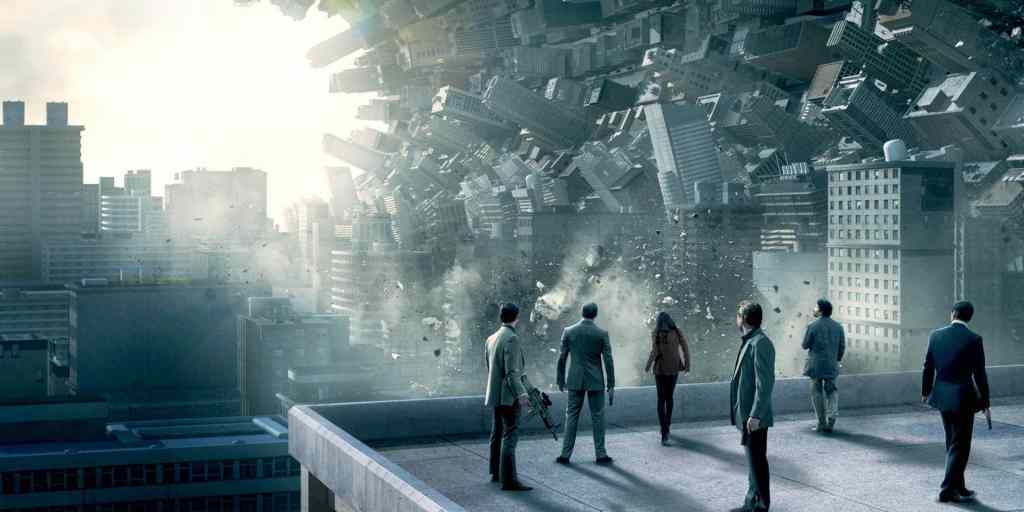
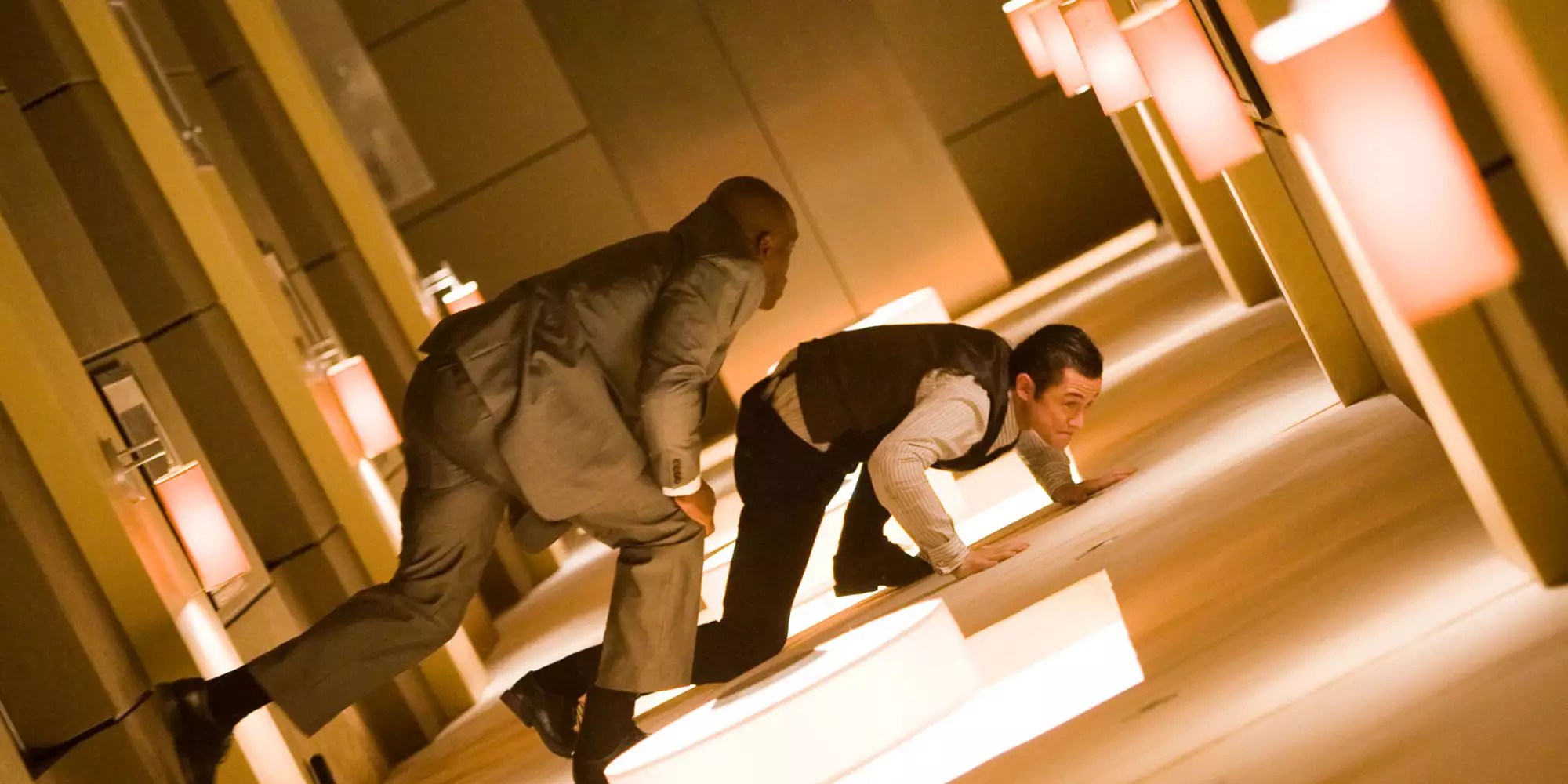
3. Inception (2010)
Genre: Action, Sci-Fi, Heist Film, Psychological Thriller
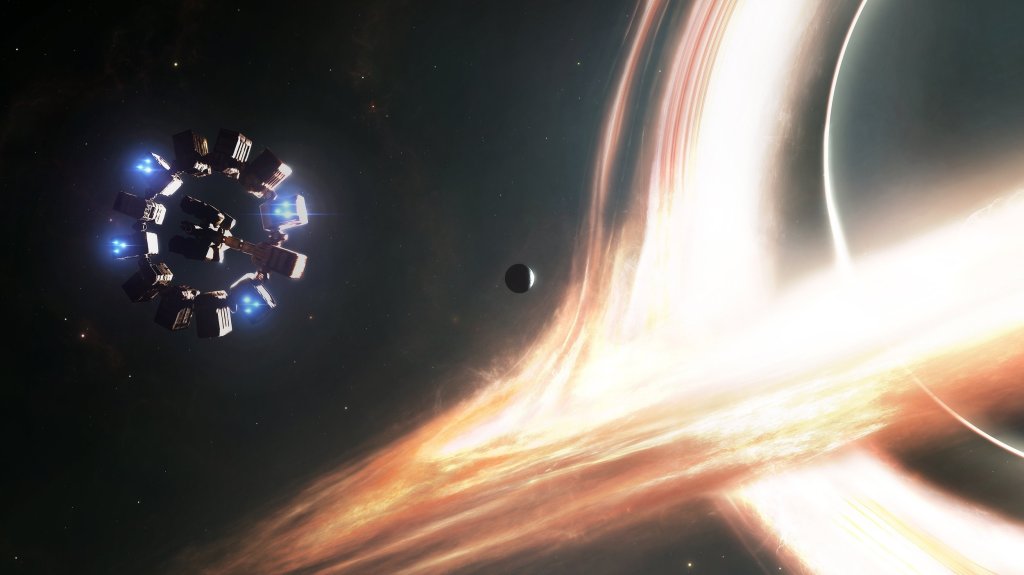
4. Interstellar (2014)
Genre: Sci-Fi, Drama, Adventure, Space Exploration
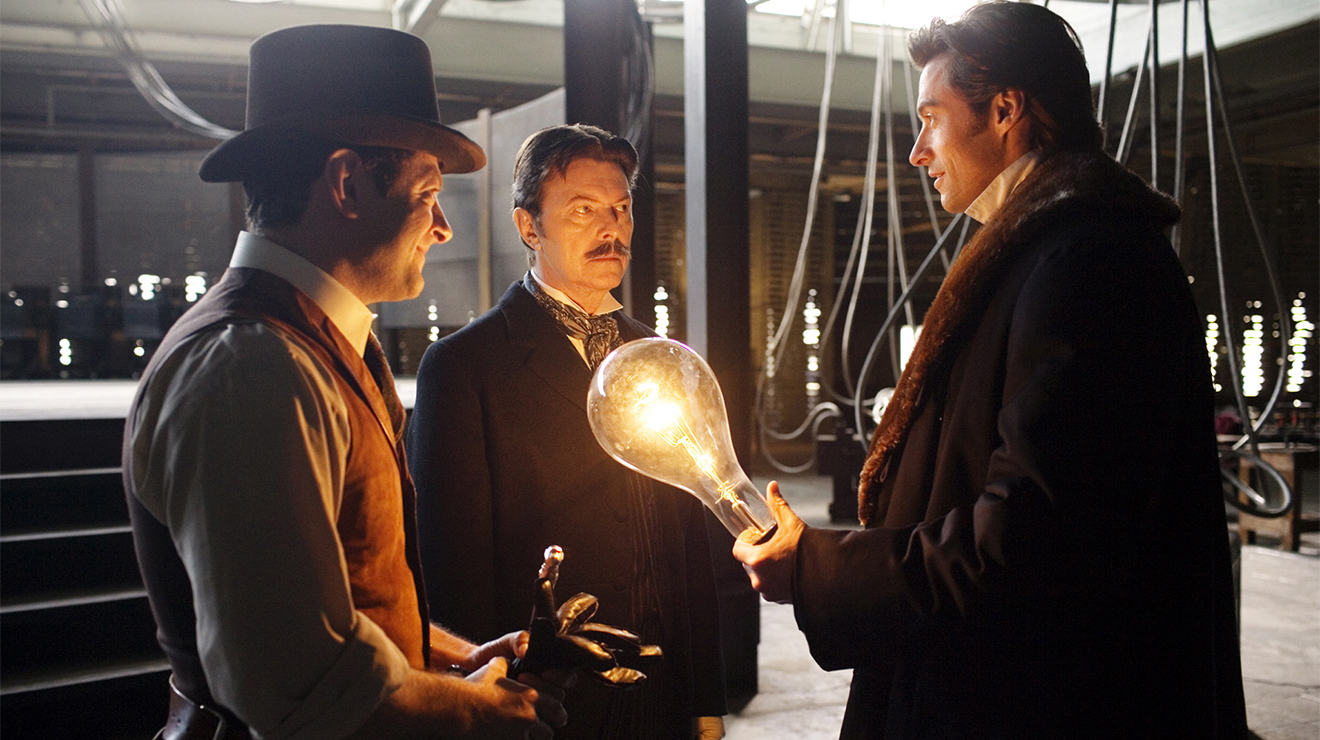
5. The Prestige (2006)
Genre: Mystery, Drama, Thriller, Period Drama

6. Dunkirk (2017)
Genre: War, Epic

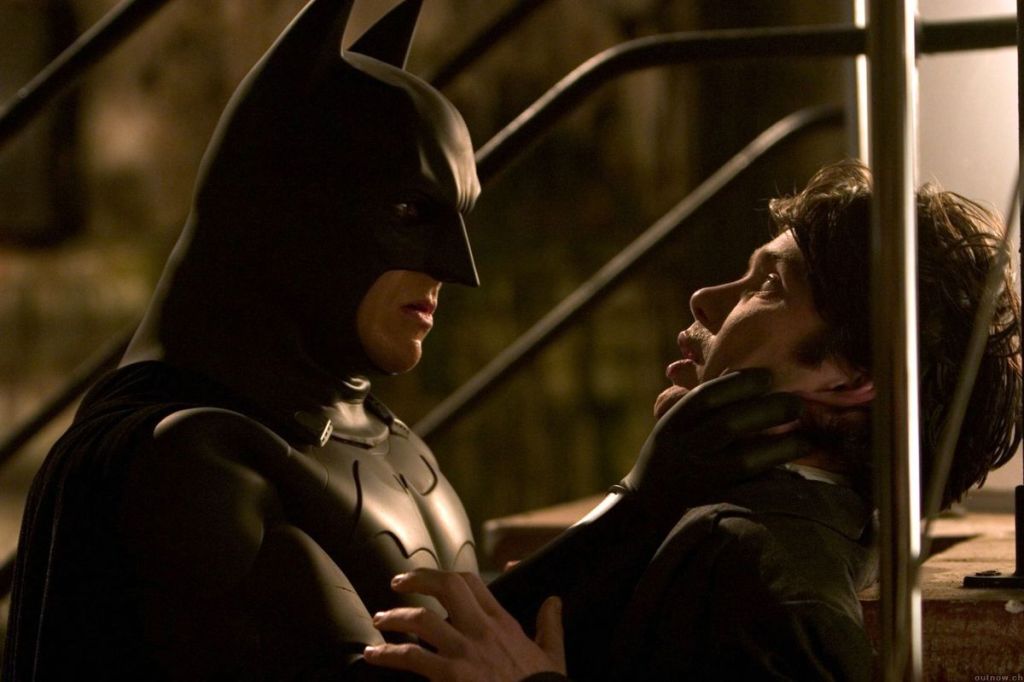
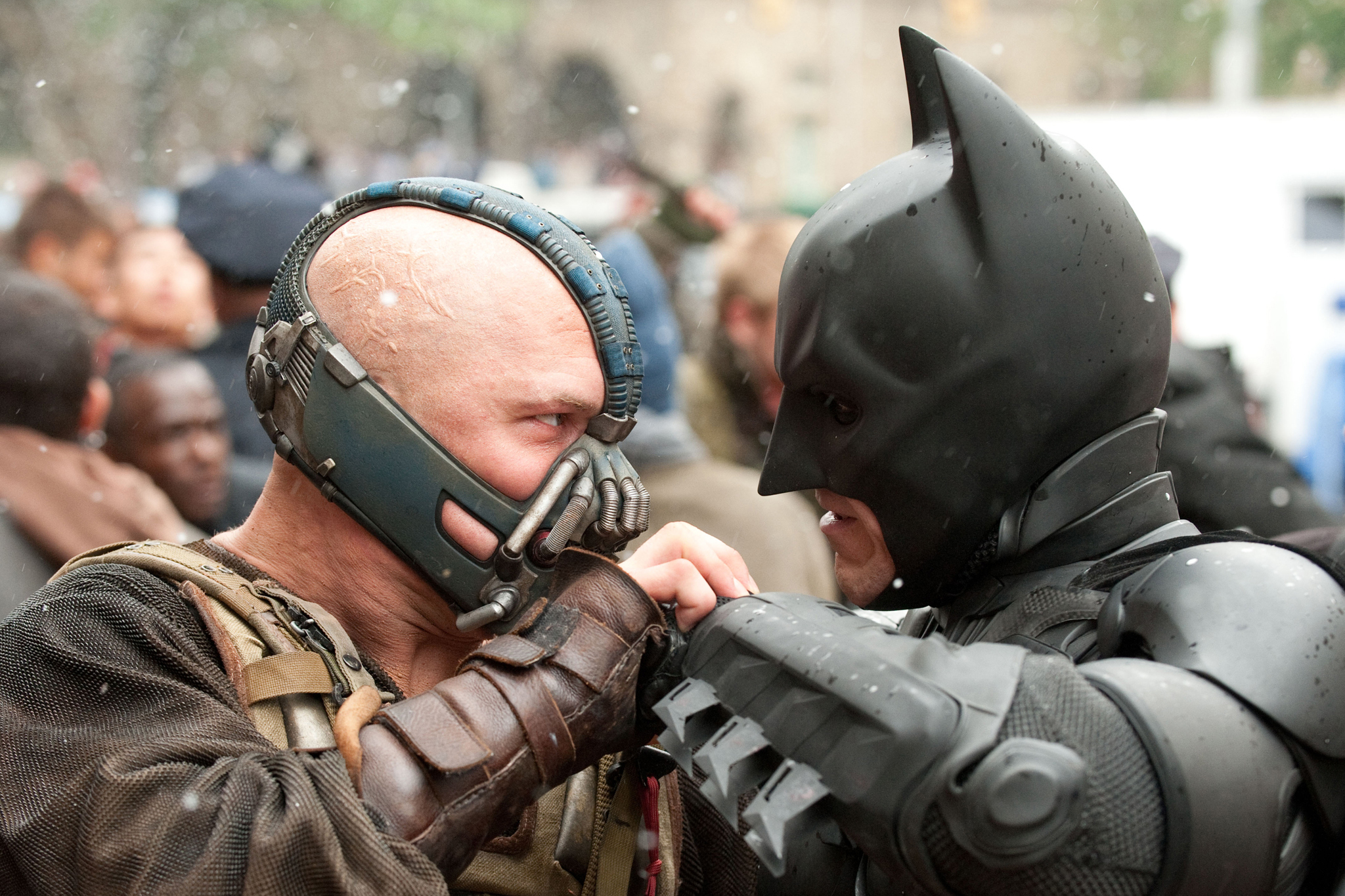
7. Batman Begins (2005)
Genre: Superhero Action, Crime, Thriller
8. The Dark Knight Rises (2012)
Genre: Superhero, Action, Crime
9. Following (1998)
Genre: Crime, Neo-Noir, Thriller

10. Insomnia (2002)
Genre: Psychological Thriller, Crime, Neo-Noir, Police Procedural

Christopher Nolan: Themes and Style
Themes:
- Subjective Reality: Nolan frequently explores the nature of reality and how it can be manipulated or perceived differently by individuals, as seen in Memento and Inception, where the lines between reality and imagination are blurred.
- Time and Memory: The manipulation of time and the fallibility of memory are central themes. Films like Interstellar and Dunkirk play with narrative structure and time, while Memento examines the unreliability of memory.
- Existential Despair and Hope: His characters often face existential crises, as in The Dark Knight trilogy, where they wrestle with moral dilemmas and the possibility of redemption amidst despair.
- Professional Obsession: Nolan’s characters are frequently consumed by their professional pursuits, leading to personal sacrifices and isolation, a theme that is at the forefront of The Prestige and Inception.
- Moral Ambiguity and Ethical Complexity: He delves into the grey areas of morality, questioning the nature of heroism and villainy, which is particularly evident in The Dark Knight, where the protagonist and antagonist embody conflicting ideologies.
Styles:
- Non-Linear Storytelling: Nolan is known for his complex, non-linear narratives that challenge and engage the audience, requiring active participation to piece together the plot, as in Memento and The Prestige.
- Practical Effects and Minimal CGI: He prefers practical effects over CGI where possible, striving for realism in his visual storytelling, which is evident in the spectacular set pieces of Inception and the space sequences of Interstellar.
- Epic Scope and Scale: Nolan’s films often feature grandiose themes and settings, such as the vastness of space in Interstellar or the depths of the subconscious in Inception, creating an epic scale that is a hallmark of his style.
- Immersive Soundscapes: Collaborating with composer Hans Zimmer, Nolan’s films use music and sound design not just as accompaniment but as integral to the storytelling, shaping the emotional and psychological atmosphere.
- High-Concept Ideas: He is drawn to high-concept ideas, often combining them with action and drama to make thought-provoking blockbusters, a style that’s clearly visible in Inception and Tenet.
Directorial Signature:
- Cross-Cutting Parallel Action: Nolan often employs cross-cutting to build tension and highlight thematic parallels, as seen in Inception‘s layered dream sequences and Dunkirk‘s interwoven timelines.
- Architectural and Geometric Imagery: His films frequently use striking architectural visuals to enhance the storytelling, evident in Inception‘s bending cityscapes and Interstellar‘s tesseract sequence.
- Ensemble Casts: Nolan frequently works with ensemble casts, weaving multiple character arcs together to create a cohesive narrative, as demonstrated in Inception and The Dark Knight series.
- Ambiguous Endings: Many of his films feature endings that leave room for interpretation, prompting discussion and analysis, such as the spinning top in Inception and the ambiguous fate of characters in The Prestige.
- Recurring Collaborations: He often collaborates with the same group of actors and production team, creating a consistent aesthetic and performance quality across his films, with actors like Michael Caine appearing in multiple Nolan projects.
Christopher Nolan: The 40th Greatest Director


 Bronze Screen Dream