

Chen Kaige, a renowned Chinese director, is recognised globally for contributing to the “Fifth Generation” of Chinese cinema. He attained international acclaim with his critically lauded film Farewell My Concubine; this sweeping historical epic delicately entwines the personal and the political within the context of twentieth-century China. Other pivotal works, such as Yellow Earth and The Emperor and the Assassin, further solidify Kaige’s standing as an auteur of intense historical narratives, intertwining personal stories with the turbulent backdrop of Chinese history.
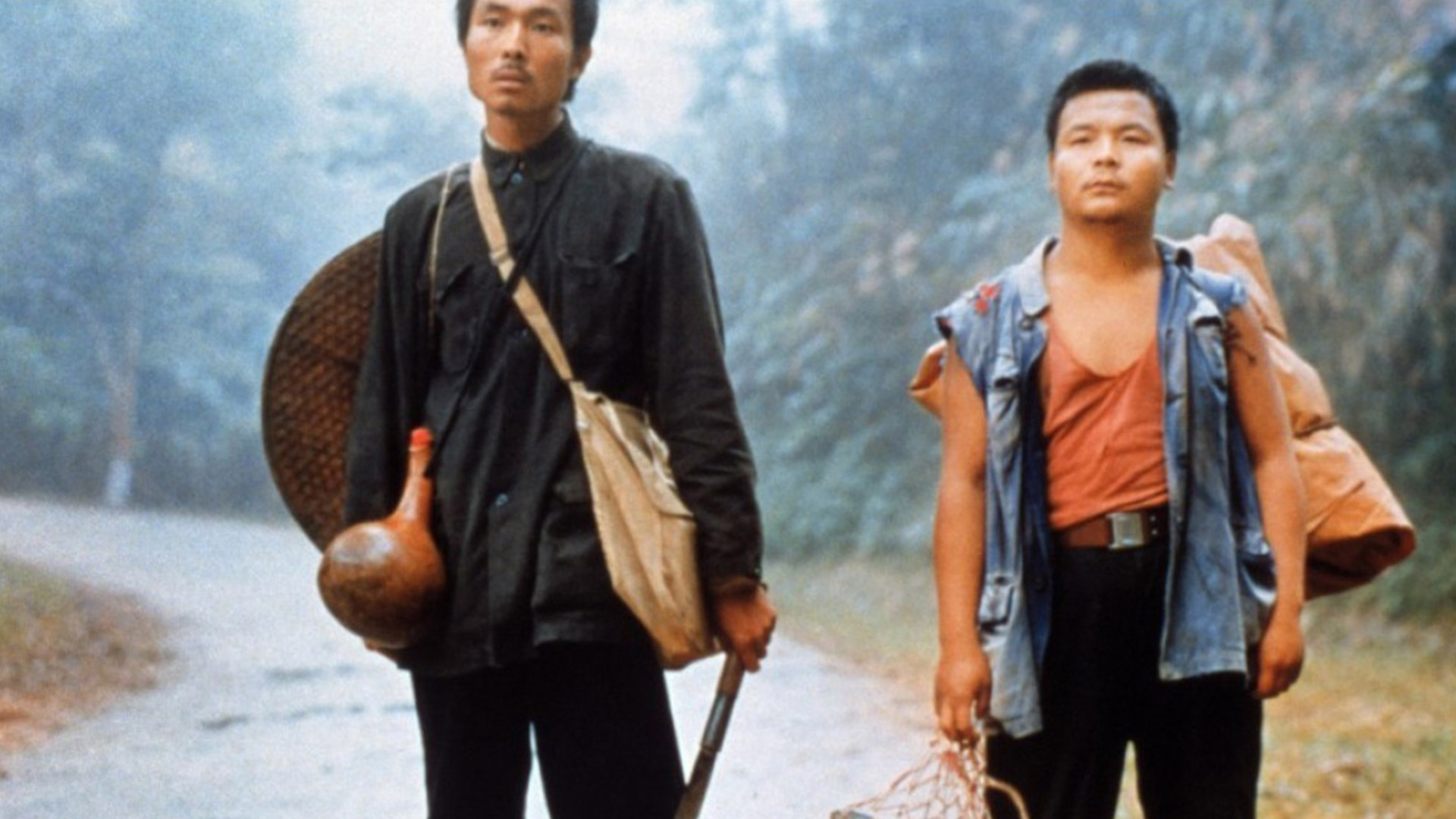
One of the remarkable features of Kaige’s filmography is his vivid visual style. His films often capture the stunningly stark and beautiful landscapes of rural China, as is notably seen in Yellow Earth, where the muted colours of the Loess Plateau become a character in their own right. His storytelling method leans heavily into symbolism, utilising colour, music, and traditional Chinese cultural elements to explore deeper themes. The narratives in Kaige’s films often unfold against the backdrop of significant historical events, giving audiences a glimpse into the complexity of the Chinese experience. This relationship between the personal and the political serves as a recurrent theme in his work, highlighting the impact of societal change on individual lives.
Another distinguishing feature of Kaige’s approach to filmmaking is his meticulous exploration of character relationships and their emotional journeys, regardless of the grandeur of the historical context. This profound humanism, combined with his aesthetically compelling and symbol-rich visuals, makes his work stand out in the landscape of global cinema. His influence on Chinese and international cinema is considerable, inspiring a generation of filmmakers to tackle complex historical narratives with sensitivity and finesse. Kaige’s cinematic legacy lies in his remarkable ability to weave deeply human narratives within the larger tapestry of historical events, providing a unique and nuanced perspective on Chinese history and culture.
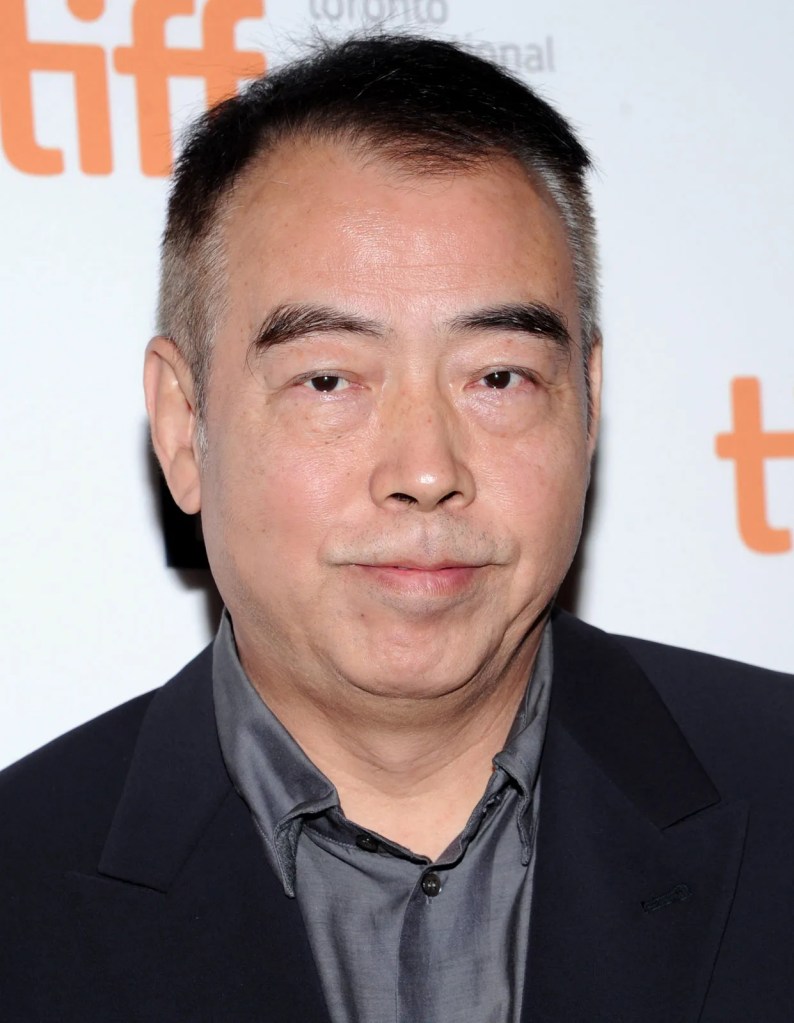
Chen Kaige (1952 – -)
Calculated Films:
- Yellow Earth (1984)
- Farewell, My Concubine (1993)
Similar Filmmakers
- Akira Kurosawa
- Ang Lee
- Feng Xiaogang
- Guan Hu
- Jia Zhangke
- Kenji Mizoguchi
- Li Ruijun
- Li Shaohong
- Liu Bingjian
- Lou Ye
- Lu Yue
- Stanley Kwan
- Tian Zhuangzhuang
- Tsui Hark
- Wang Xiaoshuai
- Wong Kar-wai
- Zhang Yuan
- Zhang Yimou


Chen Kaige’s Top 5 Films Ranked
1. Yellow Earth (1984)
Genre: Music, Drama

2. Farewell, My Concubine (1993)
Genre: Period Drama, Romance, Melodrama

3. King of the Children (1987)
Genre: Drama

4. Together (2002)
Genre: Drama, Coming-of-Age

5. The Emperor and the Assassin (1998)
Genre: Period Drama, War

Chen Kaige: Themes and Style
Themes:
- Historical Reflections and Critiques: Many of Chen’s films delve into different periods of China’s history, offering critiques and meditations on events such as the Cultural Revolution (Yellow Earth, Farewell My Concubine).
- Search for Identity: His characters often undergo personal journeys to discover or reclaim their identities, either within the larger scope of society or in relation to their personal histories.
- Traditional vs. Modern Conflict: Chen frequently contrasts traditional Chinese values with the rapidly modernising society, exploring tensions and transitions (Temptress Moon, Caught in the Web).
- Opera and Performance: Traditional Chinese arts, especially the Peking Opera, play a significant role in some of his films. These elements act as metaphors for larger societal changes and personal dilemmas, as seen prominently in Farewell My Concubine.
- Love and Relationships: Whether in the context of historical upheaval or modern-day complexities, the dynamics of love, sacrifice, and betrayal are recurrent motifs.
Styles:
- Visual Poetics: Chen’s films often contain visually arresting shots, with a blend of vibrant colours and stark, meaningful compositions.
- Narrative Layering: Complex, intertwined narratives feature prominently, allowing viewers to explore multiple perspectives and dimensions of the story.
- Music and Sound: His films utilise traditional Chinese music to set the mood, complementing the visuals and deepening the emotional resonance of the story.
- Authenticity: Whether showcasing the grittiness of war or the intricacies of opera performances, Chen emphasises authenticity, often involving meticulous research and preparation.
Directorial Signature:
- Cultural Introspection: As one of the foremost directors of the Fifth Generation, Chen’s works are characterised by their introspection into Chinese culture, history, and society.
- Epic Storytelling: Many of his films have an epic scope, spanning decades and providing comprehensive insights into the evolution of characters and their surroundings.
- Complex Characters: Chen’s characters are multi-dimensional, often facing inner conflicts that mirror the larger societal challenges of their times.
Chen Kaige – The 241st Greatest Director


 Bronze Screen Dream