
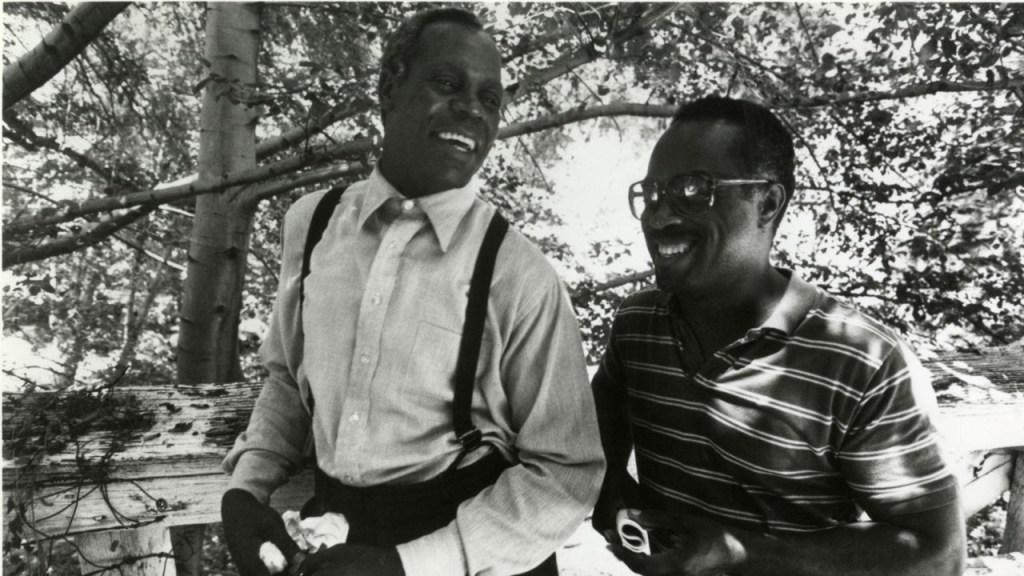
Charles Burnett is an American filmmaker best known for his intimate portrayals of African-American life, often set against the backdrop of post-civil rights era urban America. His cinema is celebrated for its quiet contemplation and insightful exploration of black communities’ everyday struggles and triumphs, with films such as Killer of Sheep and To Sleep with Anger highlighting these themes.
His filmography is distinguished by its poetic realism. While many films from his era focused on sensationalised or stereotypical portrayals of African-American life, Burnett chose to hone in on ordinary people’s nuanced day-to-day experiences. His movies often revolve around familial bonds, generational conflicts, and the ever-present quest for identity within a larger social construct. For instance, in To Sleep with Anger, the unexpected arrival of an old friend stirs underlying tensions and long-standing resentments within a family, reflecting on tradition versus modernity and the complexities of personal relationships.
Burnett’s approach to filmmaking leans towards a neorealistic style reminiscent of the works of Italian and post-war European directors. He employs natural light, location shooting, and often non-professional actors to bring authenticity and immediacy to his narratives. Themes of displacement, the juxtaposition of rural and urban settings, and the use of folklore and traditional music punctuate his works. My Brother’s Wedding, for instance, captures the dichotomy between aspiration and reality, between tradition and the changing landscape of modern America.
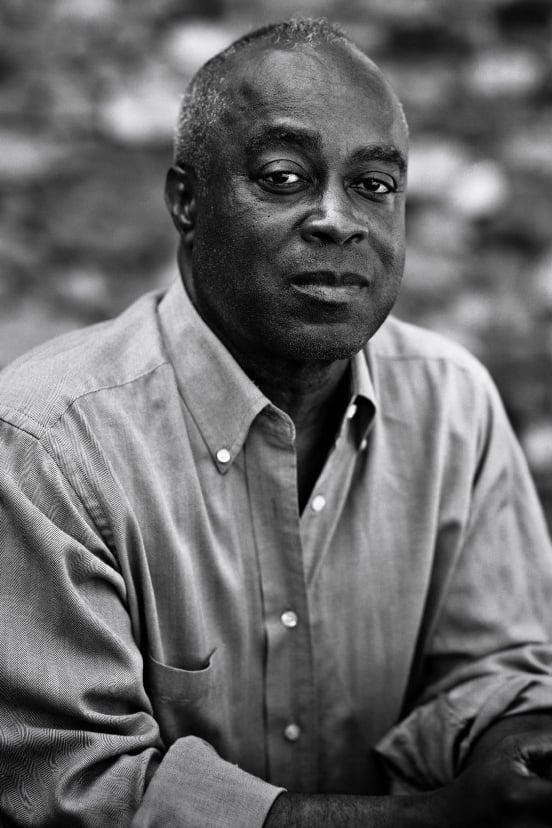
Charles Burnett (1944 – -)
Calculated Films
- Killer of Sheep (1977)
- To Sleep with Anger (1990)
Similar Filmmakers
- Ava DuVernay
- Barry Jenkins
- Ben Caldwell
- Billy Woodberry
- Gordon Parks
- Haile Gerima
- Jamaa Fanaka
- John Singleton
- Julie Dash
- Ken Loach
- Larry Clark
- Mike Leigh
- Ousmane Sembene
- Ryan Coogler
- Satyajit Ray
- Spike Lee
- Steve McQueen
- Zeinabu irene Davis
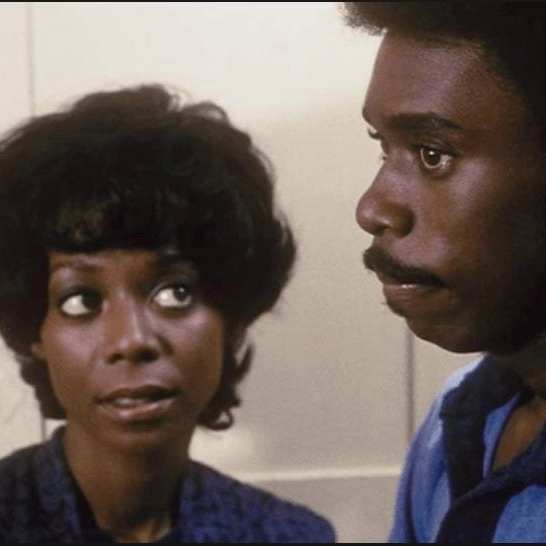
Charles Burnett’s Top 5 Films Ranked
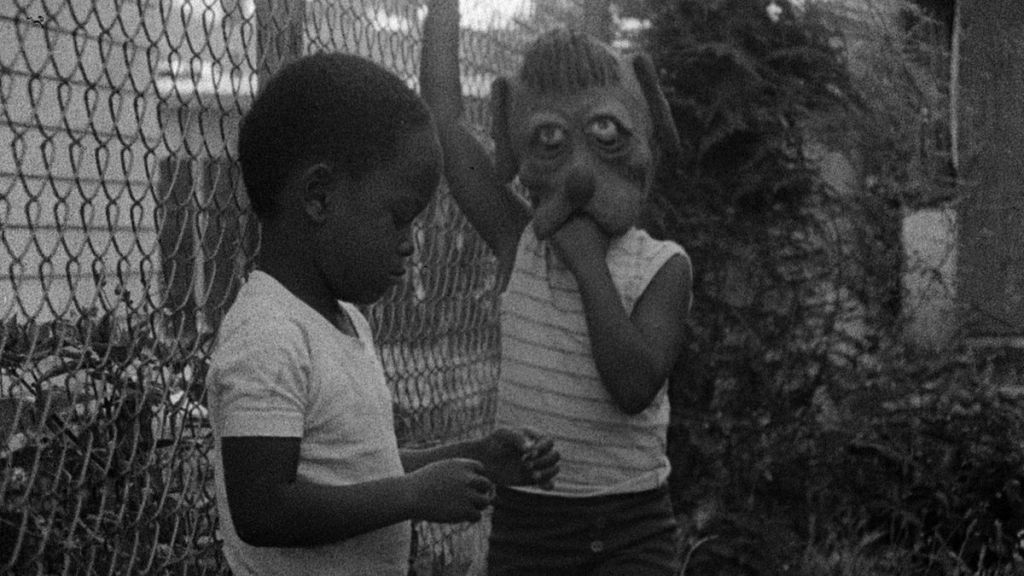
1. Killer of Sheep (1978)
Genre: L.A. Rebellion, Drama, Slice of Life
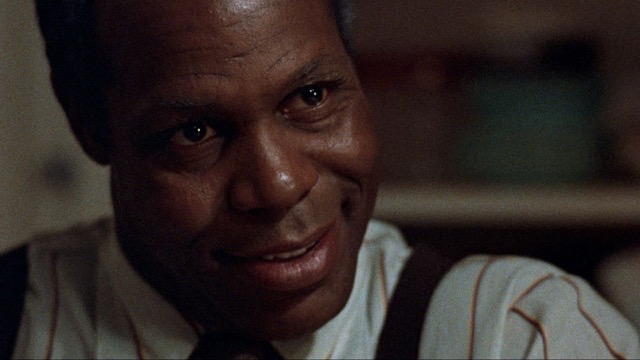
2. To Sleep with Anger (1990)
Genre: Drama, Family Drama

3. My Brother’s Wedding (1983)
Genre: L.A. Rebellion, Drama, Slice of Life
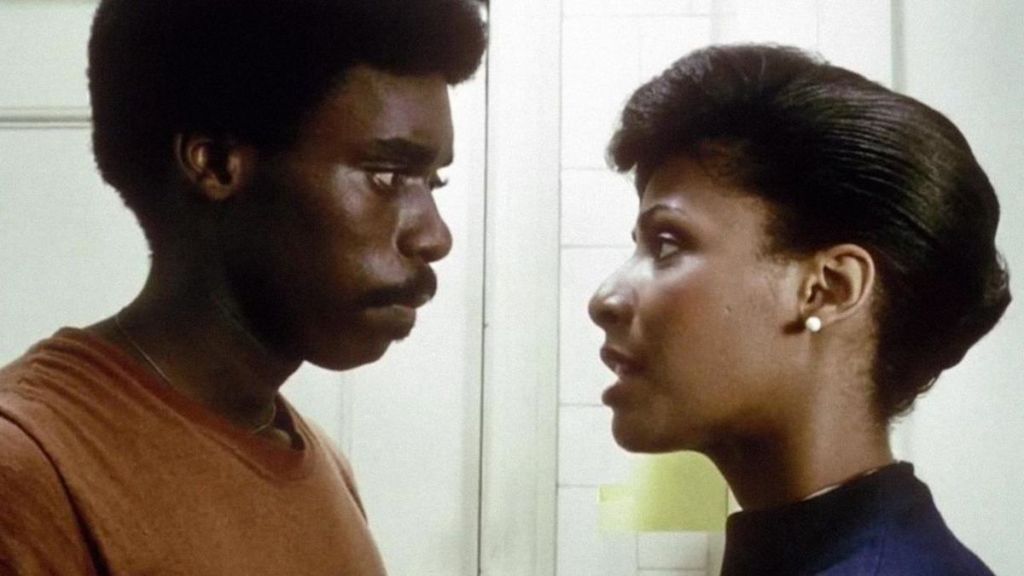
4. The Annihilation of Fish (1999)
Genre: Comedy, Romance, Drama
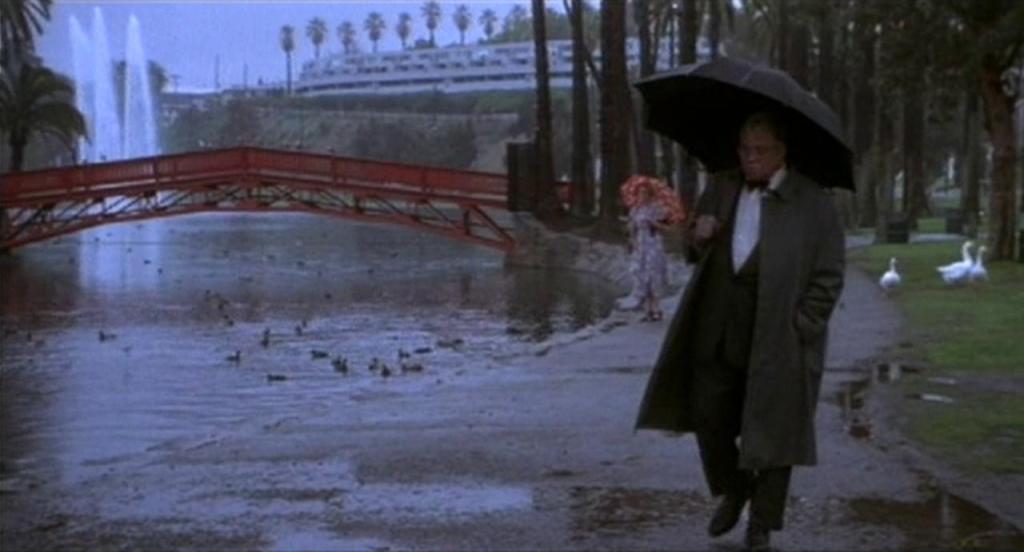
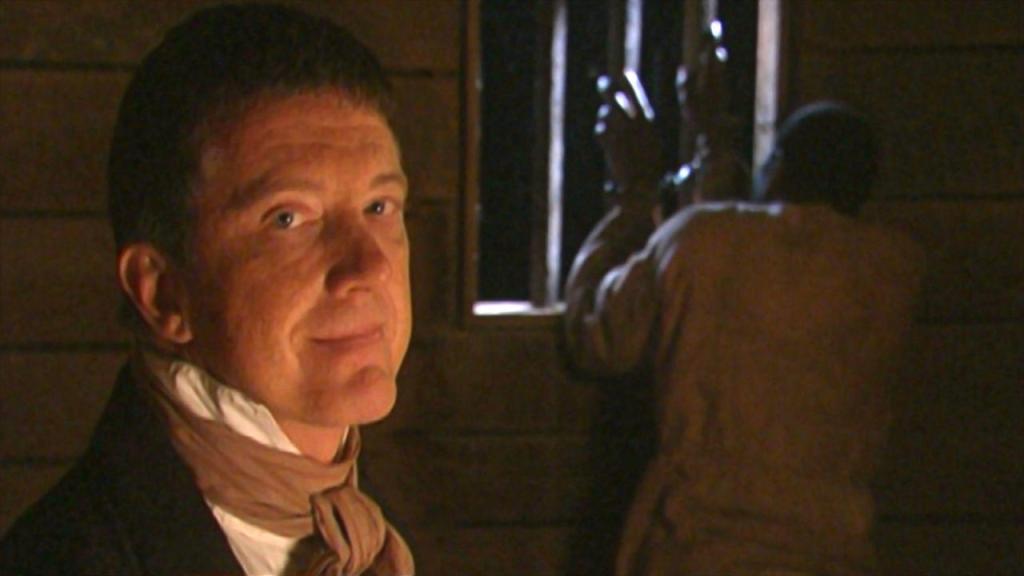
5. Nat Turner: A Troublesome Property (2003)
Genre: Documentary, Docudrama
Charles Burnett: Themes and Style
Themes:
- African American Experience: Burnett’s work is deeply rooted in African Americans’ daily realities, histories, and cultural traditions. He emphasises both individual and communal experiences, reflecting the diverse perspectives within the community.
- Family and Community: Relationships—between parents and children, siblings, and neighbours—are central to his narratives. Burnett often delves into generational tensions, contrasting traditions with modern aspirations.
- Socio-economic Struggles: Many of his films explore the economic challenges faced by African Americans, touching on issues of poverty, employment, and social mobility.
- Cultural Dichotomies: Burnett frequently juxtaposes the South with urban Los Angeles, drawing attention to the cultural, generational, and geographical divides within the African-American community.
- Systemic Racism and Injustice: His work often critiques systemic racism, especially within institutions like law enforcement, highlighting the personal and societal ramifications.
Styles:
- Neorealism: Inspired by Italian neorealism, Burnett’s films often employ non-professional actors, location shooting, and a focus on everyday life, giving his films an authentic, documentary-like feel.
- Minimalist Aesthetics: Rather than relying on dramatic flourishes, he often lets the story unfold through quiet, contemplative scenes, emphasising visual storytelling.
- Oral Traditions: Many of his films incorporate elements of African-American oral traditions, folklore, and music, weaving them seamlessly into contemporary narratives.
- Narrative Fluidity: Burnett’s storytelling often shuns conventional narrative structures, allowing for a more organic, episodic flow reminiscent of memories or anecdotes.
- Naturalistic Dialogue: The conversations in his films feel genuine, capturing the rhythms and nuances of everyday speech.
Directorial Signature:
- Intimate Portrayals: Burnett’s characters are richly developed, offering viewers a close look into their lives, aspirations, and struggles.
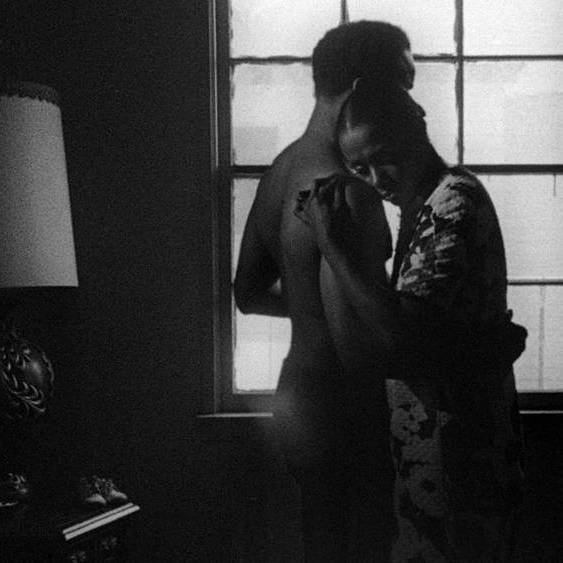
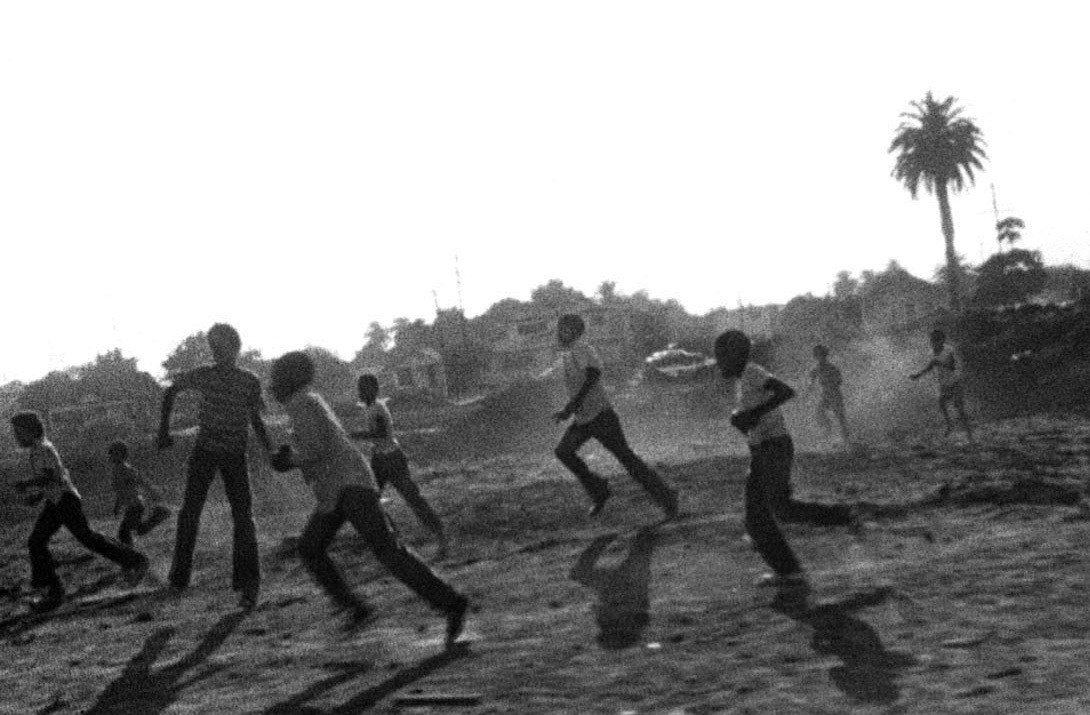
- Cinematic Poetry: His use of stark black-and-white imagery, especially in films like Killer of Sheep, lends a poetic quality to his work, turning ordinary scenes into evocative visual statements.
- Soundscapes: Burnett often employs ambient sounds—children playing, trains passing, or community chatter—to immerse viewers in the environment and mood of his stories.
- Authenticity: Above all, Burnett’s directorial signature is his unwavering commitment to authenticity. Whether through character development, setting, or narrative, he consistently strives to present a true-to-life representation of the communities he portrays.
Charles Burnett – The 239th Greatest Director


 Bronze Screen Dream