
Céline Sciamma, a formidable force in French cinema, is renowned for her thoughtful exploration of adolescence, identity, and gender. Through her evocative storytelling, she lends a powerful voice to female and LGBTQ+ narratives. Her notable works include Water Lilies, Tomboy, and the critically acclaimed Portrait of a Lady on Fire, demonstrating a remarkable sensitivity towards the intricate journeys of her characters.
Sciamma’s entry into cinema began as a screenwriter, but her fascination with the visual language soon led her to direct. Her films consistently engage with themes of adolescence, gender, and identity, often centred around young women or girls grappling with their social roles and sexuality. LGBTQ+ themes prominently feature in her work, such as Water Lilies and Portrait of a Lady on Fire, significantly contributing to queer representation in cinema. The intimate narratives she spins are deeply personal, prioritising character development and emotional resonance over spectacle or plot-driven storytelling.
Visually, Sciamma’s work exudes a distinctive style that mirrors her narrative themes. Her aesthetic choices, including colour, composition, and costuming, are fundamental to her storytelling. Films like Tomboy and Portrait of a Lady on Fire demonstrate how she uses visual cues to reflect and amplify the emotions of her characters. Further characterising her directorial approach is her minimalist handling of dialogue and action, which leaves room for a profound exploration of her characters’ internal emotional landscapes.
The Evolving Identities of French Filmmaking
Sciamma’s consistent collaborations with actors such as Adèle Haenel and Pauline Acquart contribute to the depth and authenticity of her films. The performances they deliver under her direction, particularly in Water Lilies and Portrait of a Lady on Fire, bring Sciamma’s nuanced vision to life. Through these powerful performances, the strong feminist themes in her films are effectively communicated, confronting audiences with the realities of women’s desires, experiences, and struggles in a patriarchal society.
With her emphasis on underrepresented narratives and unique visual storytelling, Sciamma has influenced a new wave of filmmakers within and beyond French cinema. Her impact on film history is marked by her critical acclaim and contribution to broader discussions on gender and sexuality in cinema. Directors such as Xavier Dolan and Luca Guadagnino have cited her work as influential. In a cinematic landscape often dominated by male perspectives, her dedication to exploring female and LGBTQ+ narratives places her as a crucial figure in the ongoing evolution of film.
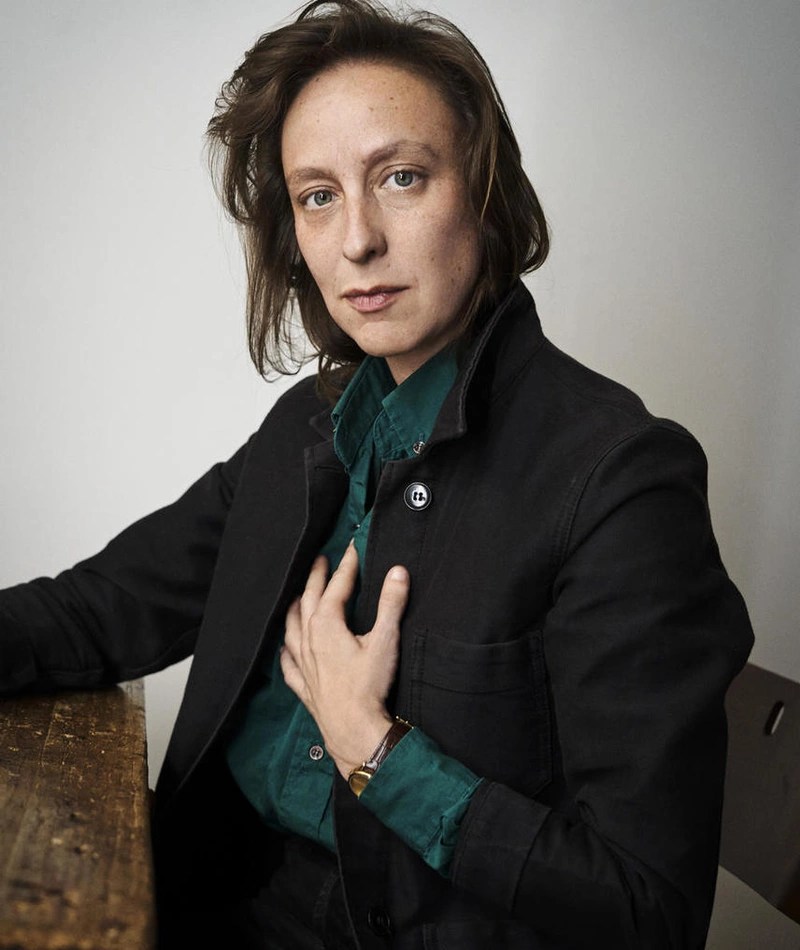
Céline Sciamma (1978 – -)
Calculated Films:
- Tomboy (2011)
- Portrait of a Lady on Fire (2019)
- Petite Maman (2021)
Similar Filmmakers
- Abdellatif Kechiche
- Agnes Varda
- Alice Rohrwacher
- Andrea Arnold
- Andre Techine
- Angela Schanelec
- Claire Denis
- Greta Gerwig
- Jacques Audiard
- Jessica Hausner
- Julia Ducournau
- Laurent Cantet


Céline Sciamma’s Top Films Ranked
1. Portrait of a Lady on Fire (2019)
Genre: Romance, Period Drama, LGBTQ

2. Petite Maman (2021)
Genre: Family Drama

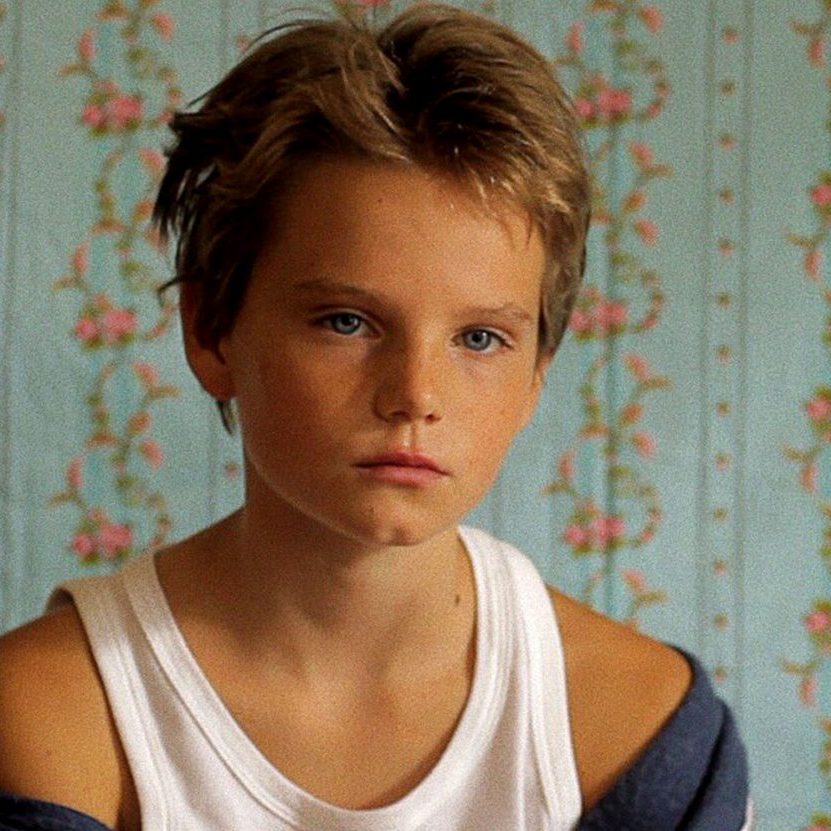
3. Tomboy (2011)
Genre: Drama, Coming-of-Age, LGBTQ
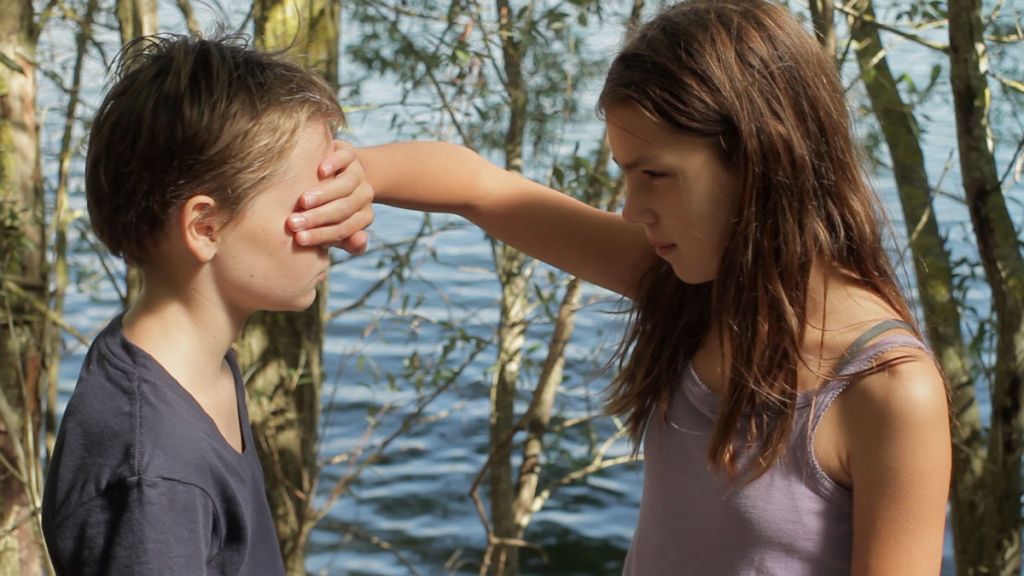
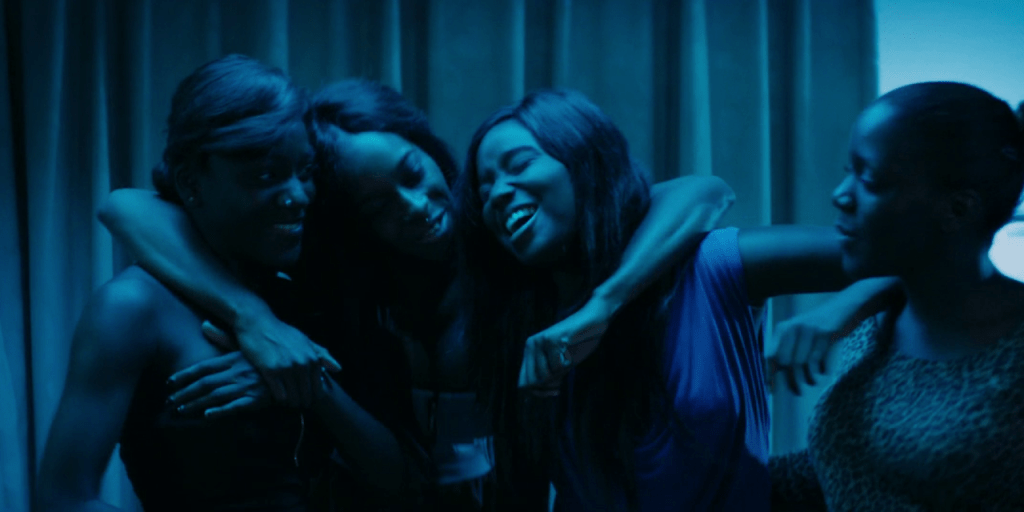
4. Girlhood (2014)
Genre: Coming-of-Age, Drama
5. Water Lilies (2007)
Genre: Drama, Coming-of-Age, LGBTQ, Romance

Céline Sciamma: Themes and Style
Themes:
- Gender and Identity: Sciamma’s films consistently delve into the concepts of gender and identity. She navigates the fluidity and complexity of these themes with sensitivity and understanding, often through the lens of adolescence and self-discovery.
- Sexuality and Desire: A central theme in many of Sciamma’s works is sexuality and the exploration of desire. She approaches these themes with a candid and empathetic perspective, avoiding sensationalisation.
- Coming of Age: Sciamma often explores the transformative and tumultuous period of adolescence. Her narratives concentrate on personal growth, self-discovery, and the myriad emotions associated with this phase of life.
Styles:
- Visual Aesthetic: Sciamma’s directorial approach is characterised by a distinct, refined visual aesthetic. Her films often feature meticulously composed shots, with each frame thoughtfully constructed to convey mood and emotion.
- Minimalistic Storytelling: Employing a minimalist narrative style, she allows her characters and their emotions to inhabit the space fully, letting the story unfold organically without unnecessary embellishments.
- Non-Verbal Communication: A hallmark of Sciamma’s style is her reliance on visual cues and non-verbal communication. She often uses silence and body language effectively to convey deeper emotions and subtexts within the narrative.
Directorial Signature:
- Focus on Female Protagonists: Sciamma predominantly features female protagonists, offering a platform for stories and perspectives that are often sidelined in mainstream cinema.
- Collaboration with Actors: She engages deeply with her actors, fostering a collaborative environment that allows for authentic and evocative performances.
- Musical Choices: The use of music is crucial in Sciamma’s films. She carefully selects or commissions music that enhances the film’s atmosphere and emotional resonance.
Céline Sciamma: The 137th Greatest Director


 Bronze Screen Dream