
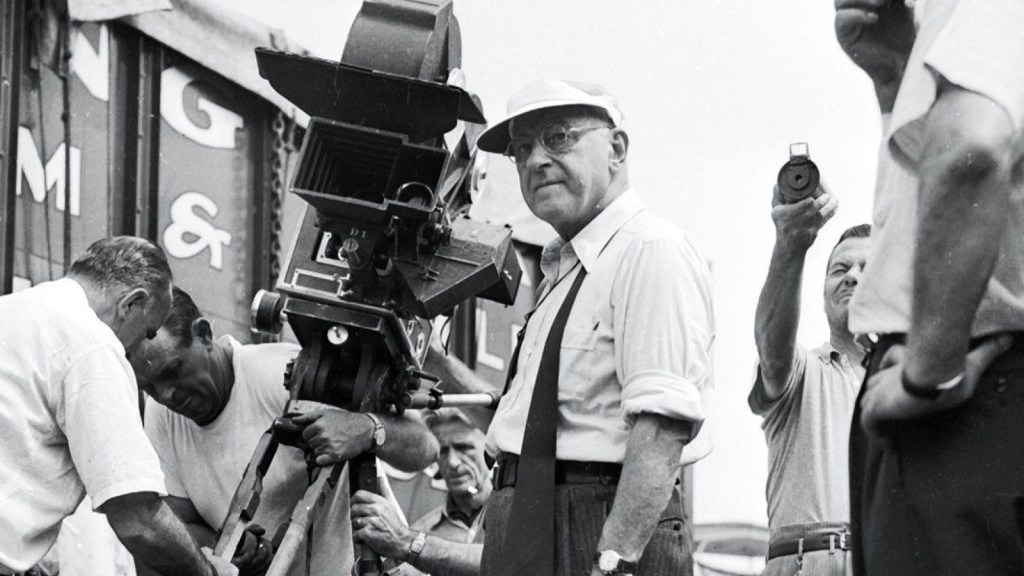
Cecil B. DeMille, an American filmmaker, was one of the most commercially successful producers-directors of the early 20th Century. Known for his epic storytelling, he utilised grandiose scales, with large sets, numerous extras, and innovative special effects becoming a hallmark of his work. His films often featured Biblical or historical subjects, such as The Ten Commandments and Cleopatra, using these grand narratives as a lens to reflect contemporary issues and engage audiences with familiar yet spectacular stories.
DeMille’s filmography stood out for its sheer spectacle and sensationalism, often blending adventure, romance, and melodrama to create unforgettable cinema. He pioneered the use of Technicolor, employing it to enhance the visual experience, as seen in films like The Greatest Show on Earth. His penchant for spectacle did not compromise his focus on characters, thanks to his collaborations with some of the major stars of his era, including Charlton Heston, Gloria Swanson, and Claudette Colbert, from whom he elicited larger-than-life performances that matched the scale of his productions.
His influence on cinema extends beyond his films, having contributed to various cinematic innovations, from developing cinematic narrative structures to using sound and visual effects. DeMille’s distinct style and commercial success helped shape the Hollywood studio system and contributed to cinema’s evolution as a grand visual spectacle. Despite the passage of time, his impact on the film industry remains evident, solidifying his legacy as one of the pivotal figures in the golden age of Hollywood.

Cecil B. DeMille (1881 – 1959)
Calculated Films:
- The Cheat (1915)
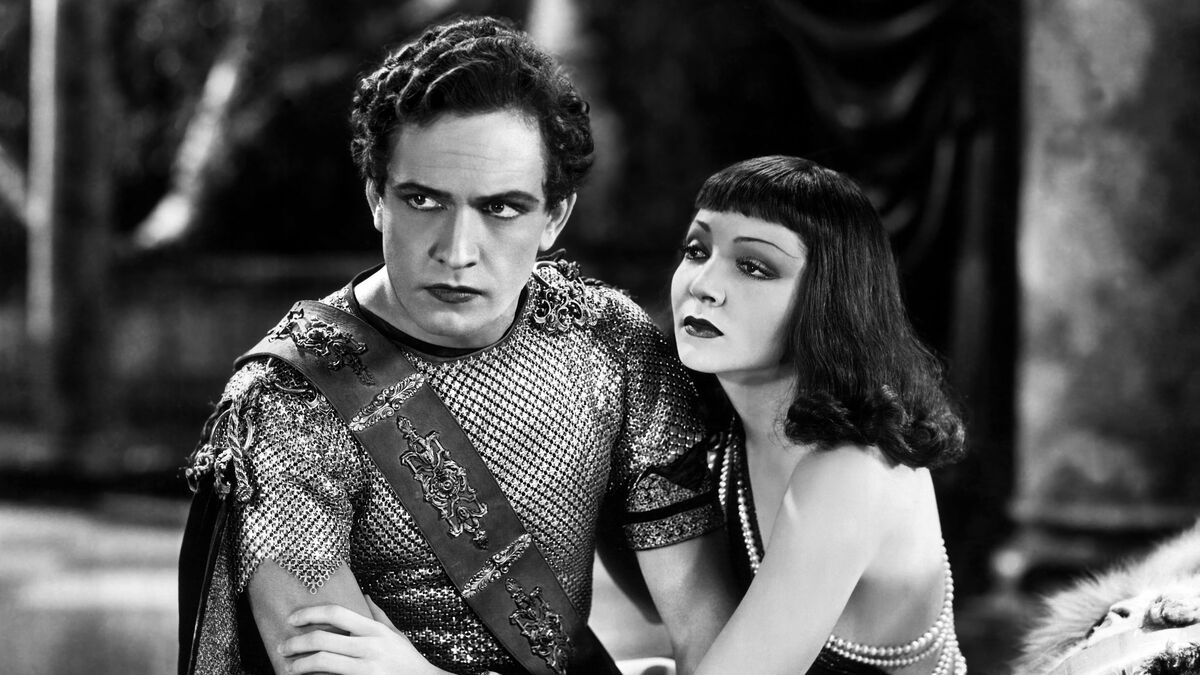
- Cleopatra (1934)
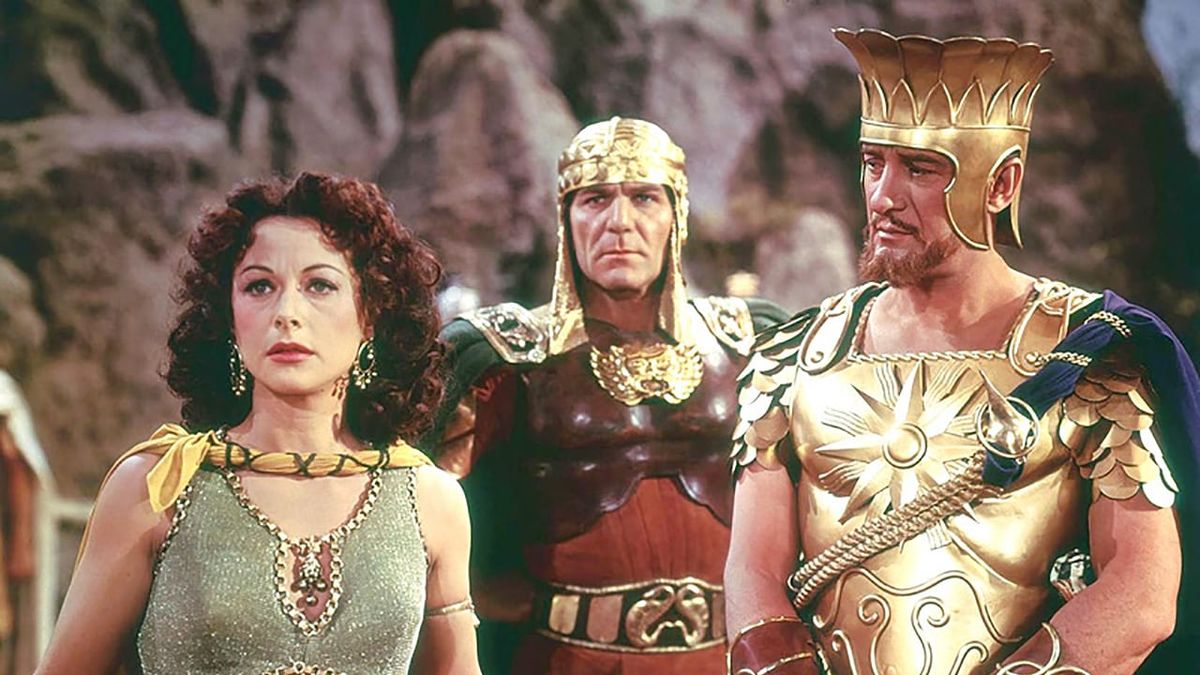
- Samson and Delilah (1949)
- The Ten Commandments (1956)
Similar Filmmakers


Cecil B. DeMille’s Top 5 Films Ranked
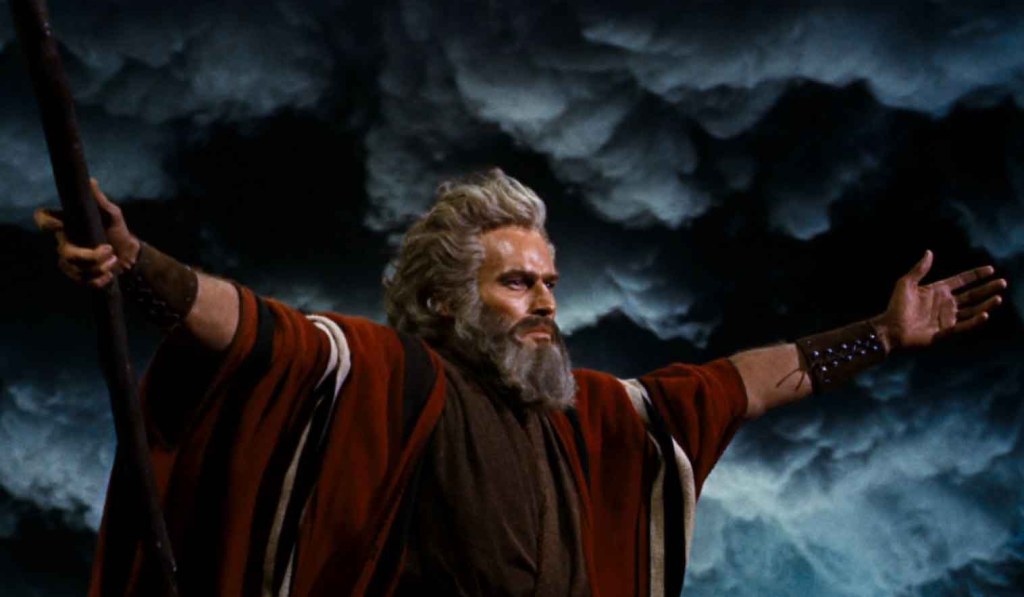
1. The Ten Commandments (1956)
Genre: Sword and Sandal, Religious Film, Period Drama, Epic
2. Samson and Delilah (1949)
Genre: Sword and Sandal, Romance, Period Drama, Religious Film, Epic

3. The Cheat (1915)
Genre: Melodrama

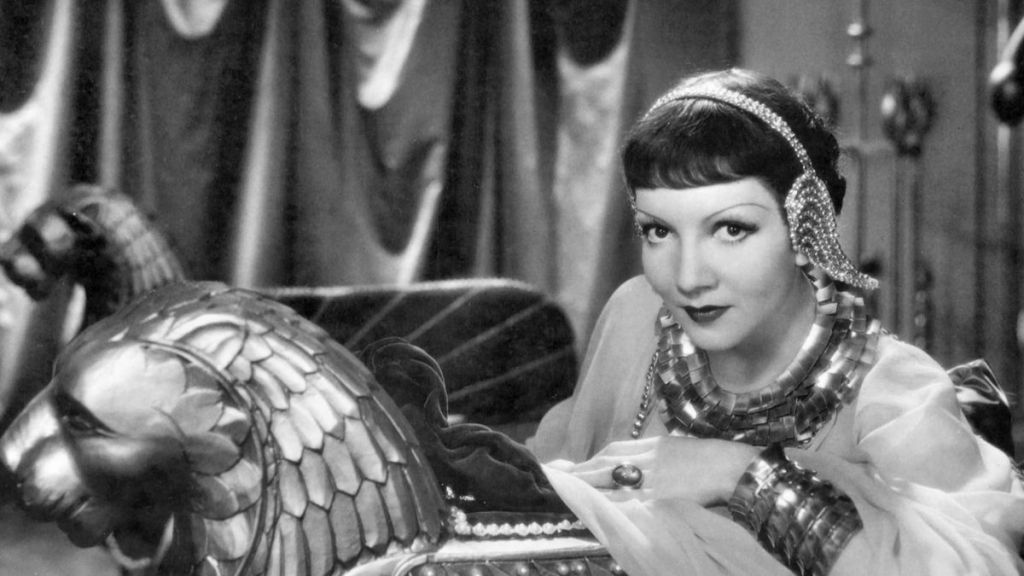
4. Cleopatra (1934)
Genre: Romance, Period Drama, Sword and Sandal, Biographical, Epic
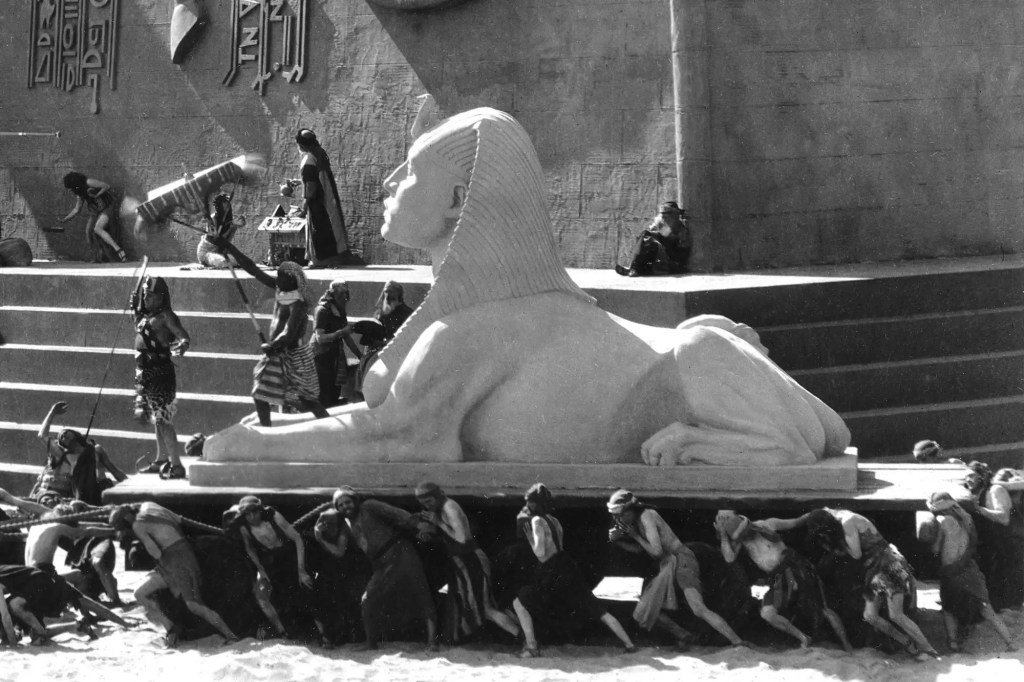
5. The Ten Commandments (1923)
Genre: Sword and Sandal, Period Drama, Religious Film, Melodrama, Epic
Cecil B. DeMille: Themes and Style
Themes:
- Epic Scale: DeMille was known for his grand and epic narratives, often set against vast historical or biblical backdrops, such as The Ten Commandments and Samson and Delilah.
- Morality Tales: Many of his films grappled with moral dilemmas, sin, redemption, and the struggle between good and evil.
- Heroism and Sacrifice: Characters in his films often showcased valour, making significant sacrifices for a greater good or a higher calling.
- Romance: Love stories were often central to his plots, sometimes taking on forbidden or tragic dimensions.
Styles:
- Spectacle: DeMille was synonymous with wonder. His films often featured massive sets, thousands of extras, and grandiose production values. He brought ancient worlds to life with unparalleled vividness.
- Innovative Use of Technology: He often pushed the boundaries of what was technically possible in filmmaking. He was among the first to shoot in Technicolor and was known for his innovative use of sound and special effects.
- Dramatic Lighting: DeMille’s films often employed high contrast and expressive lighting, heightening the drama and visual splendour.
- Narrative Pacing: Despite the grand scale of his productions, DeMille understood the importance of narrative momentum. His films, while expansive, maintained a brisk pacing, ensuring audience engagement.
Directorial Signature:
- Prologues: DeMille was known to occasionally address the audience directly at the beginning of his films, setting the stage and context.
- Complex Characters: His protagonists were not simply black and white; they often grappled with internal conflicts and moral complexities.
- Cinematic Tableaus: Borrowing from his early experience in theatre, DeMille often composed scenes like living paintings, with actors holding dramatic poses and the camera capturing vast, intricate sets.
- Cameos: DeMille occasionally appeared in his own films or provided narration, adding a personal touch to his epics.
- Meticulous Attention to Detail: Be it in costume design, set decoration, or historical accuracy, DeMille was known for his scrupulous attention to detail.
Cecil B. DeMille – The 300th Great Director


 Bronze Screen Dream