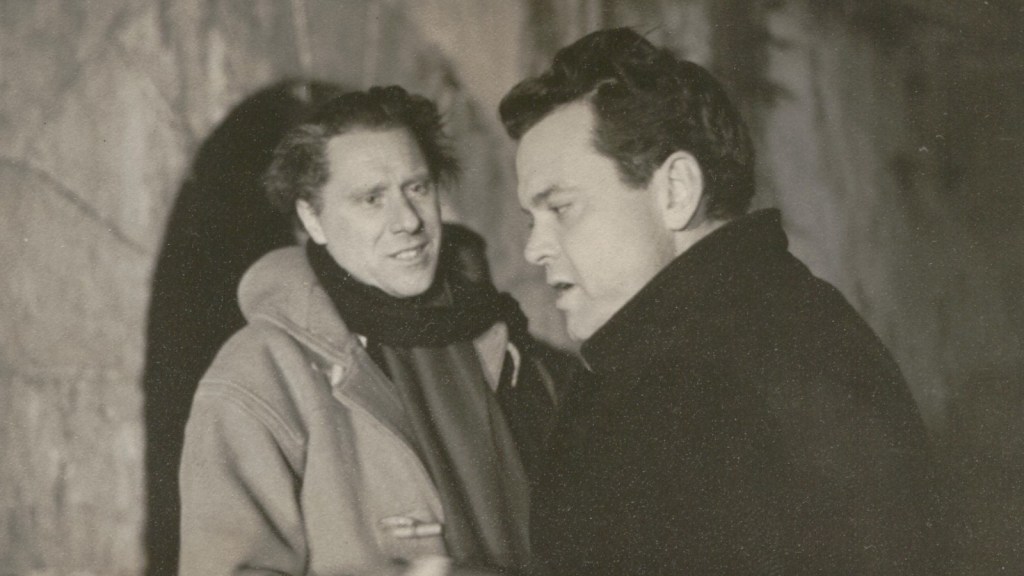
Carol Reed, a British director, is known for his influential contributions to British and international cinema. His best-known works, including The Third Man, Odd Man Out, and Oliver!, showcase his adept storytelling ability, unique visual style, and remarkable directorial vision, earning him a place among the pantheon of great directors.
With a career spanning over four decades, Reed brought to cinema a unique sensitivity shaped by his life experiences. He began as an actor before moving behind the camera, a transition that seemed natural given his keen understanding of performance. This is evident in the memorable performances he coaxed out of his actors, such as James Mason in Odd Man Out, Orson Welles in The Third Man and Ron Moody in Oliver!.
Reed’s films often explore moral ambiguity, identity, and the human condition within society. This is particularly visible in The Third Man, where the line between good and evil is blurred, with characters inhabiting a morally uncertain post-war Vienna. Similarly, in Odd Man Out, the protagonist is an Irish nationalist caught between his ideals and reality, highlighting Reed’s interest in complex, multi-dimensional characters.
A Trilogy of British Noir
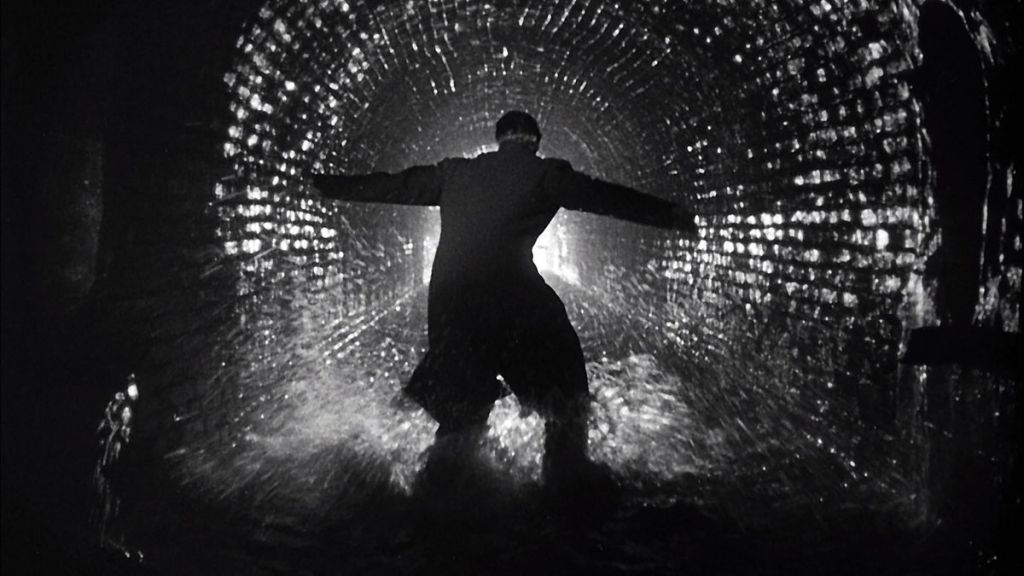
Visually, Reed’s work stands out for its innovative use of lighting, angles, and compositions to enhance the narrative and mood. His distinct style is epitomised in The Third Man, with its iconic tilted camera angles, dramatic shadow play, and atmospheric use of real locations, creating a haunting, disorienting effect that heightens the film’s underlying tension.
Carol Reed’s influence can be traced in the works of directors across generations and borders. Filmmakers like Martin Scorsese, Roman Polanski and David Lean have admired Reed’s visual storytelling skill and ability to elicit powerful performances. Despite some initial criticism, many of his films have received critical reappraisal, particularly The Third Man, now considered one of the greatest films in British cinema. Reed’s legacy, therefore, remains profoundly impactful, demonstrating his lasting influence on the trajectory of film history.
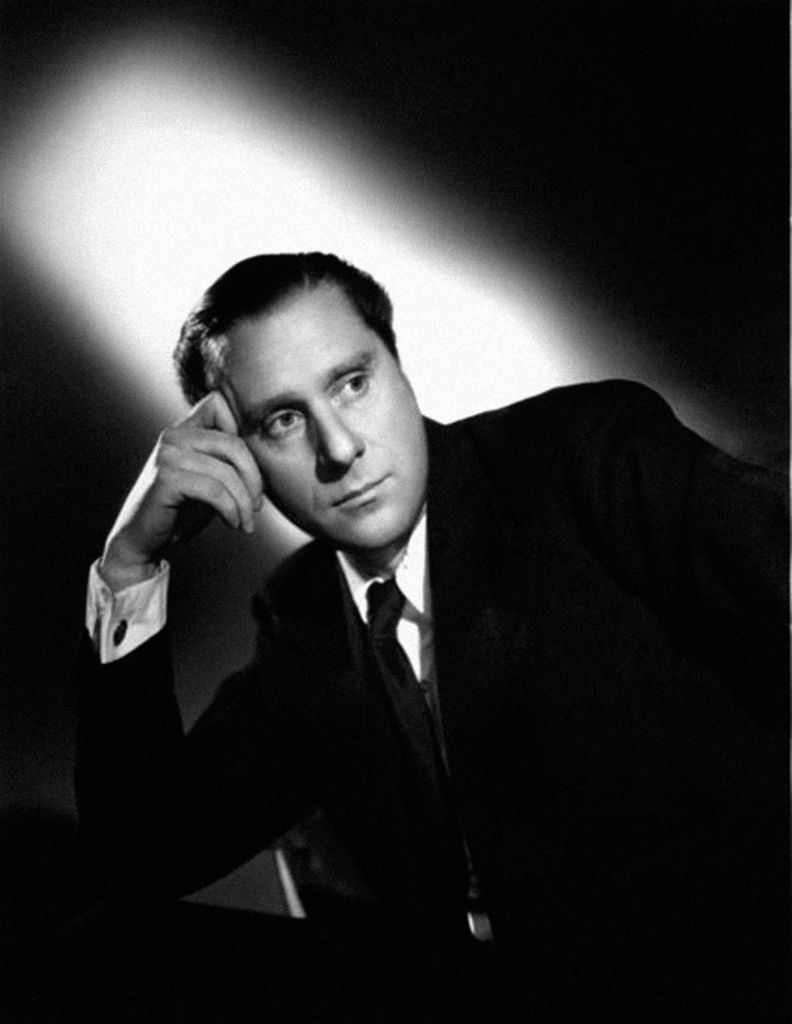
Carol Reed (1906 – 1976)
Calculated Films:
- Night Train to Munich (1940)
- Odd Man Out (1947)
- The Fallen Idol (1948)
- The Third Man (1949)
Similar Filmmakers
- Akira Kurosawa
- Alfred Hitchcock
- Anthony Asquith
- Basil Dearden
- Charles Crichton
- David Lean
- Edward Dmytryk
- John Boulting
- Jules Dassin
- Michael Powell
- Orson Welles
- Robert Hamer
- Roman Polanski
- Roy Ward Baker
- Sidney Gilliat
- Sidney Lumet
- Sydney Pollack
- William Wyler

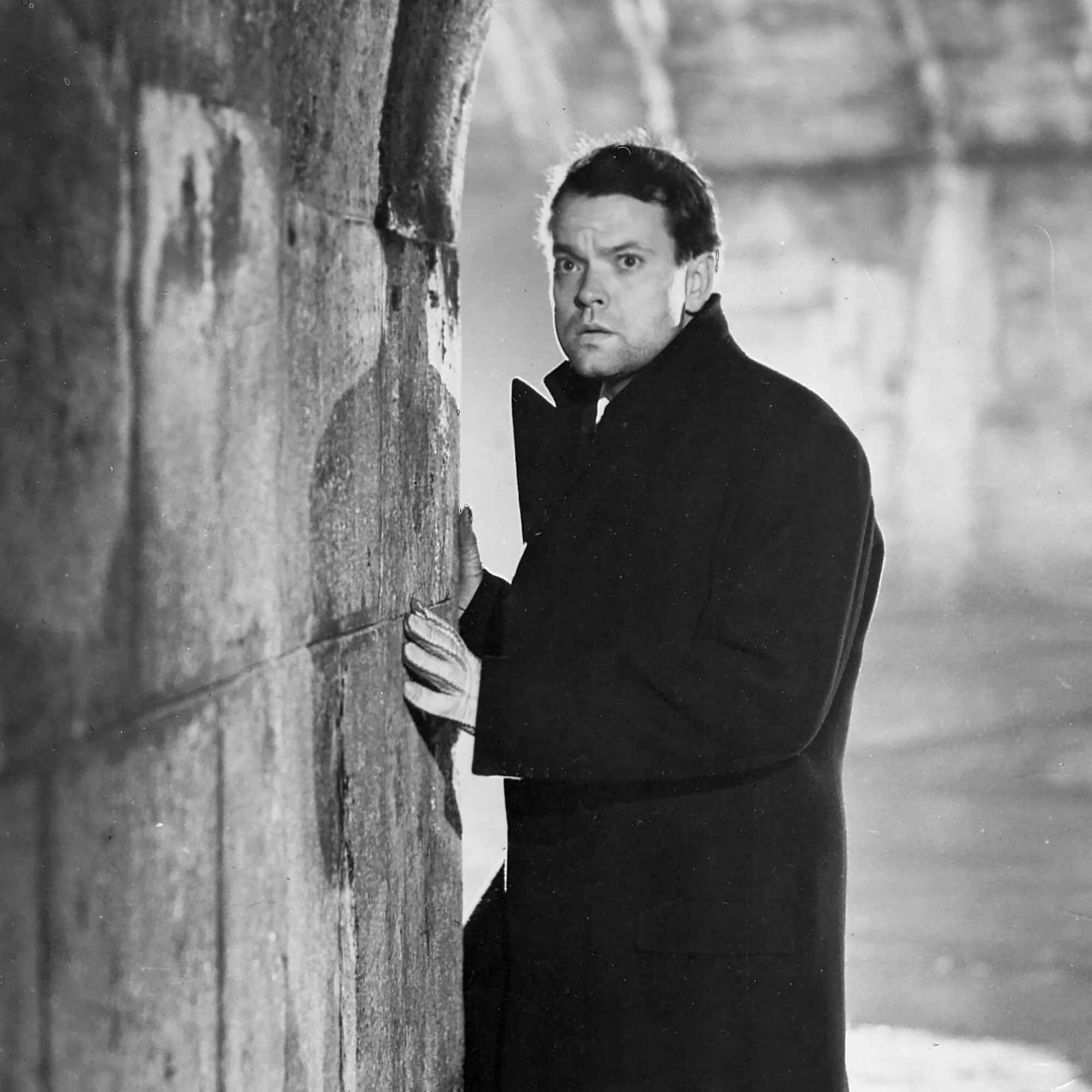

Carol Reed‘s Top 10 Films Ranked
1. The Third Man (1949)
Genre: Film Noir, Mystery, Thriller
2. Odd Man Out (1947)
Genre: Drama, Crime, Film Noir, Thriller

3. The Fallen Idol (1948)
Genre: Thriller, Drama

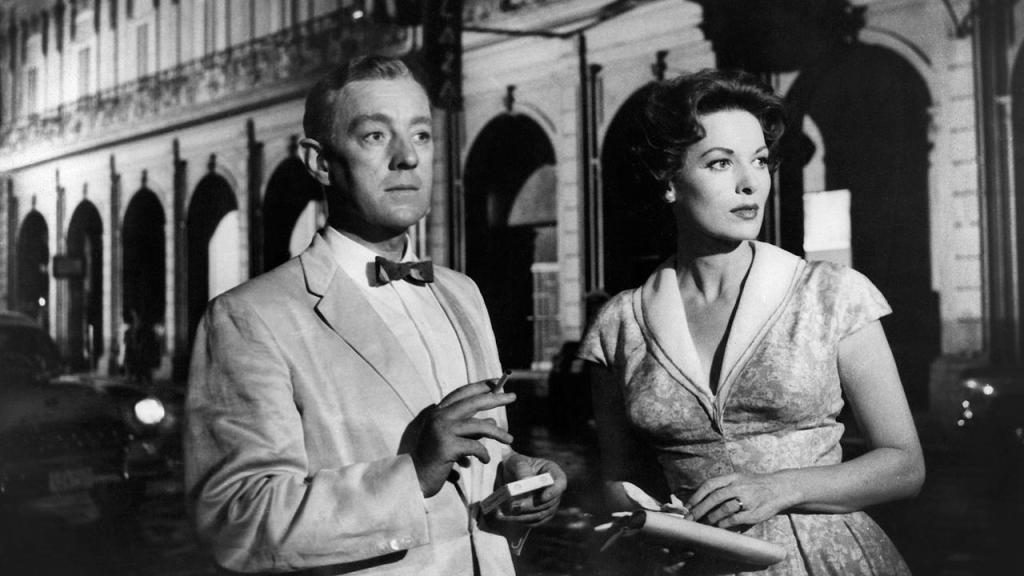
4. Our Man in Havana (1959)
Genre: Spy, Satire, Comedy
5. Night Train to Munich (1940)
Genre: Spy, Thriller

6. Oliver! (1968)
Genre: Musical, Family

7. The Man Between (1953)
Genre: Thriller

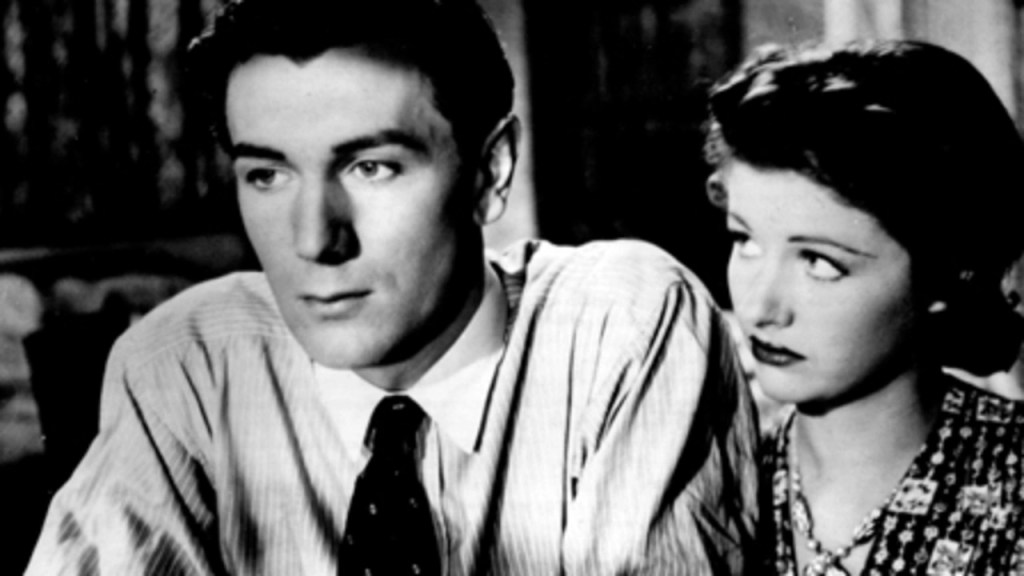
8. The Stars Look Down (1940)
Genre: Political Drama
9. The Agony and the Ecstasy (1965)
Genre: Biographical, Period Drama

10. Outcast of the Islands (1951)
Genre: Adventure, Drama

Carol Reed: Themes and Style
Themes:
- Existential Struggle & Human Condition: Reed often explored the deep, existential struggles faced by individuals, offering a discerning look into the human psyche and condition. Films like The Third Man perfectly exemplify this, encapsulating the post-war disillusionment and moral ambiguity prevalent in society.
- Conflict Between Good and Evil: The eternal battle between right and wrong is a recurring theme in his films, with characters often caught in moral dilemmas and challenging circumstances, as evidenced in Odd Man Out.
- Social Commentary: Reed’s films frequently comment on societal issues and dynamics. His perspective on society, class structures, and the individual’s place within these constructs provided an engaging critique of the contemporary social milieu.
- Childhood and Loss of Innocence: Films like Oliver! delve into the world of children, capturing their innocence, vulnerability, and the inevitable loss of innocence as they navigate through a world governed by adult rules and corruption.
Styles:
- Visual Style: Reed employed a distinctive visual style marked by atmospheric lighting, shadow play, and a moody ambience reminiscent of film noir. This technique was adeptly used to underscore the complexity and darkness of human nature.
- German Expressionism Influence: His work showcased the influence of German expressionism, with its exaggerated landscapes, stark contrasts, and visual distortion to convey characters’ psychological states.
- Iconic Cinematography: Reed was known for his innovative use of camera angles and movements, contributing to the visual storytelling’s depth and intensity. The famous tilted camera angles in The Third Man are a testament to his inventive approach.
- Collaboration with Composers: The director had a knack for effectively using music to accentuate and complement the narrative’s emotional tone, often collaborating with renowned composers like Anton Karas for unforgettable film scores.
Directorial Signature:
- Masterful Storytelling: Reed was adept at crafting compelling, well-paced narratives marked by suspense, intrigue, and emotional intensity. He had a unique ability to draw viewers into the story, making them active participants in the unfolding drama.
- Character Development: Characters in Reed’s films were not mere caricatures; they were fleshed-out individuals with believable emotions, conflicts, and motivations. He spent time developing each character, making them relatable and real for the audience.
- Visual Symbolism: Reed often used visual elements symbolically to represent deeper themes and emotions in the story. This technique not only enriched the viewing experience but also provided layers of meaning for audiences to unpack.
Carol Reed: The 132nd Greatest Director



 Bronze Screen Dream