Below are some of the best British directors ever. Click on their pictures to discover more about them.





A Brief History of British Art Directors
British art filmmaking, a movement that flourished particularly during the latter half of the 20th century, has been significantly shaped by the visions and innovations of several key directors. Among these, Bill Douglas stands out for his deeply personal and autobiographical trilogy “My Childhood,” “My Ain Folk,” and “My Way Home,” which poignantly depict the challenges of his upbringing in a Scottish mining village. Douglas’s films are notable for their minimalistic style and profound emotional depth, setting a high standard for narrative storytelling in the art film genre.
Derek Jarman, another luminary of British art cinema, is celebrated for his avant-garde approach that often intermingles historical and modern themes. His film “Jubilee” is a notable example, blending Elizabethan history with contemporary punk culture. Jarman’s work is characterised by its bold experimentation with form and content, and his films often explore complex themes of sexuality, politics, and identity. His distinct visual style and innovative narrative structures have left a lasting impact on the landscape of British cinema.
Ken Russell and Lindsay Anderson are two more hard-to-categorise filmmakers. Russell is known for his flamboyant and sometimes controversial biographical films about famous composers, such as “The Music Lovers” and “Lisztomania.” His work often combines fantasy, biography, and spectacle, creating a unique cinematic experience. Lindsay Anderson, on the other hand, is best remembered for his groundbreaking film “If….,” which combines realism and fantasy to explore the rigid British class system. Anderson’s films are marked by their critical social commentary and innovative narrative techniques, making him a key figure in the British New Wave.
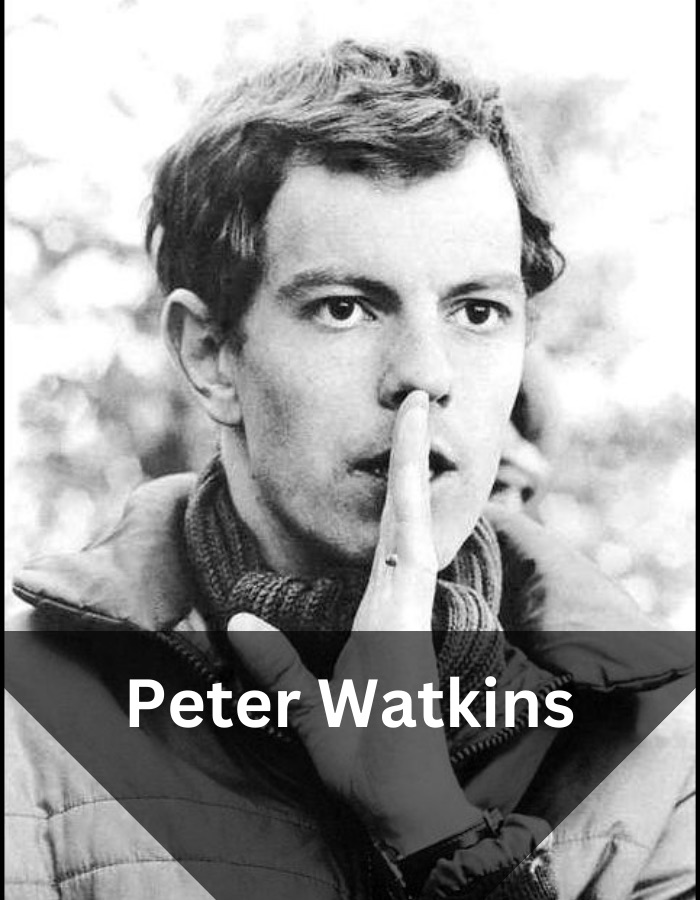
Peter Greenaway and Peter Watkins are two other directors who have made substantial contributions to this genre. Greenaway’s films, such as “The Cook, the Thief, His Wife & Her Lover,” are known for their symmetrical composition, stylised sets, and intellectual complexity, often incorporating elements of Renaissance and Baroque art. Peter Watkins, meanwhile, is acclaimed for his pseudo-documentary style, as seen in “The War Game” and “Culloden.” His films frequently challenge traditional narrative forms and provoke thought about social and political issues.
 Bronze Screen Dream