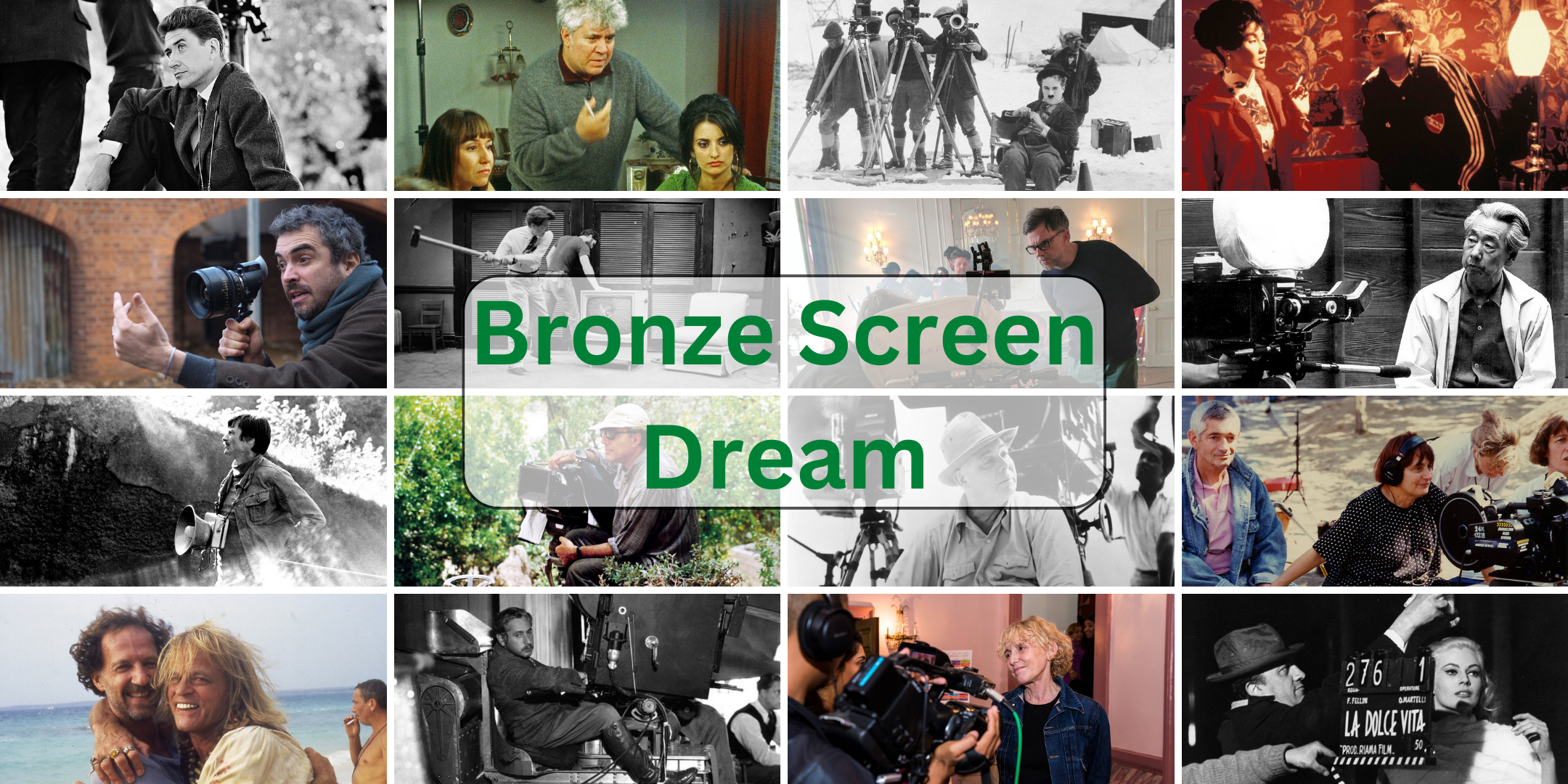
Below are some of the best British directors ever. Click on their pictures to discover more about them.
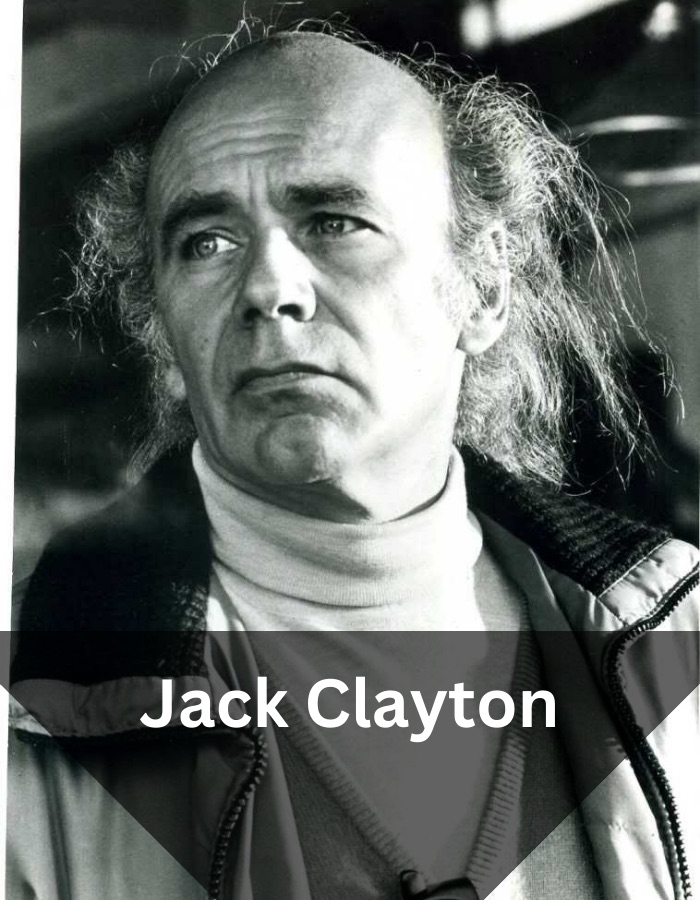


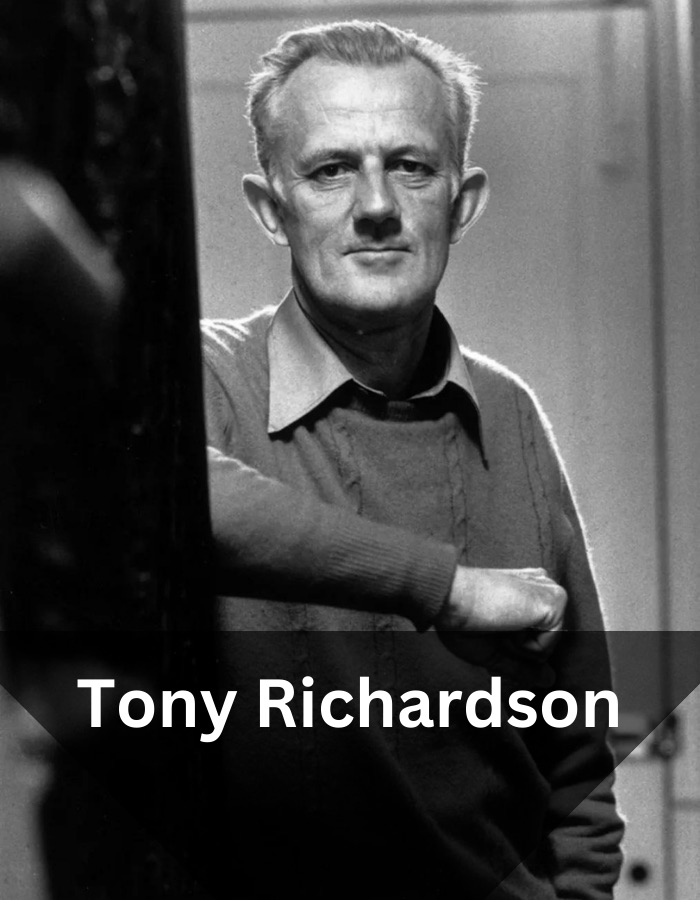
A Brief History of The British New Wave
Characterised by its focus on the working class, this British New Wave was part of the larger European art cinema trend of that era. Directors of the movement adopted a more realistic style, often using location shooting and a documentary-like approach to delve into the lives of ordinary people. This was a stark contrast to the genteel, studio-bound productions that had dominated British cinema in previous years. The movement’s films frequently explored themes of class struggle, sexual and societal norms, and the bleak realities of everyday life in post-war Britain.
Key figures in the British New Wave included directors like Tony Richardson, Lindsay Anderson, and Karel Reisz. Tony Richardson’s “Look Back in Anger” and “The Loneliness of the Long Distance Runner” were seminal works that encapsulated the angst and disillusionment of the younger generation. Lindsay Anderson’s “This Sporting Life” portrayed the grit and raw energy of working-class life, while Karel Reisz’s “Saturday Night and Sunday Morning” offered a stark, unromanticised view of working-class existence. These directors, along with others like John Schlesinger and (a few years later) Ken Loach, played a critical role in shaping the movement’s ethos and aesthetic.
The British New Wave also saw the emergence of significant actors who brought a new level of authenticity to their roles. Albert Finney, Tom Courtenay, and Richard Harris, among others, delivered performances that were deeply rooted in realism. These actors often portrayed complex, brooding characters who grappled with the constraints of their social environments, embodying the frustrations and aspirations of the working class. Their powerful performances were crucial in bringing the directors’ vision to life and in making the stories resonate with audiences.
 Bronze Screen Dream