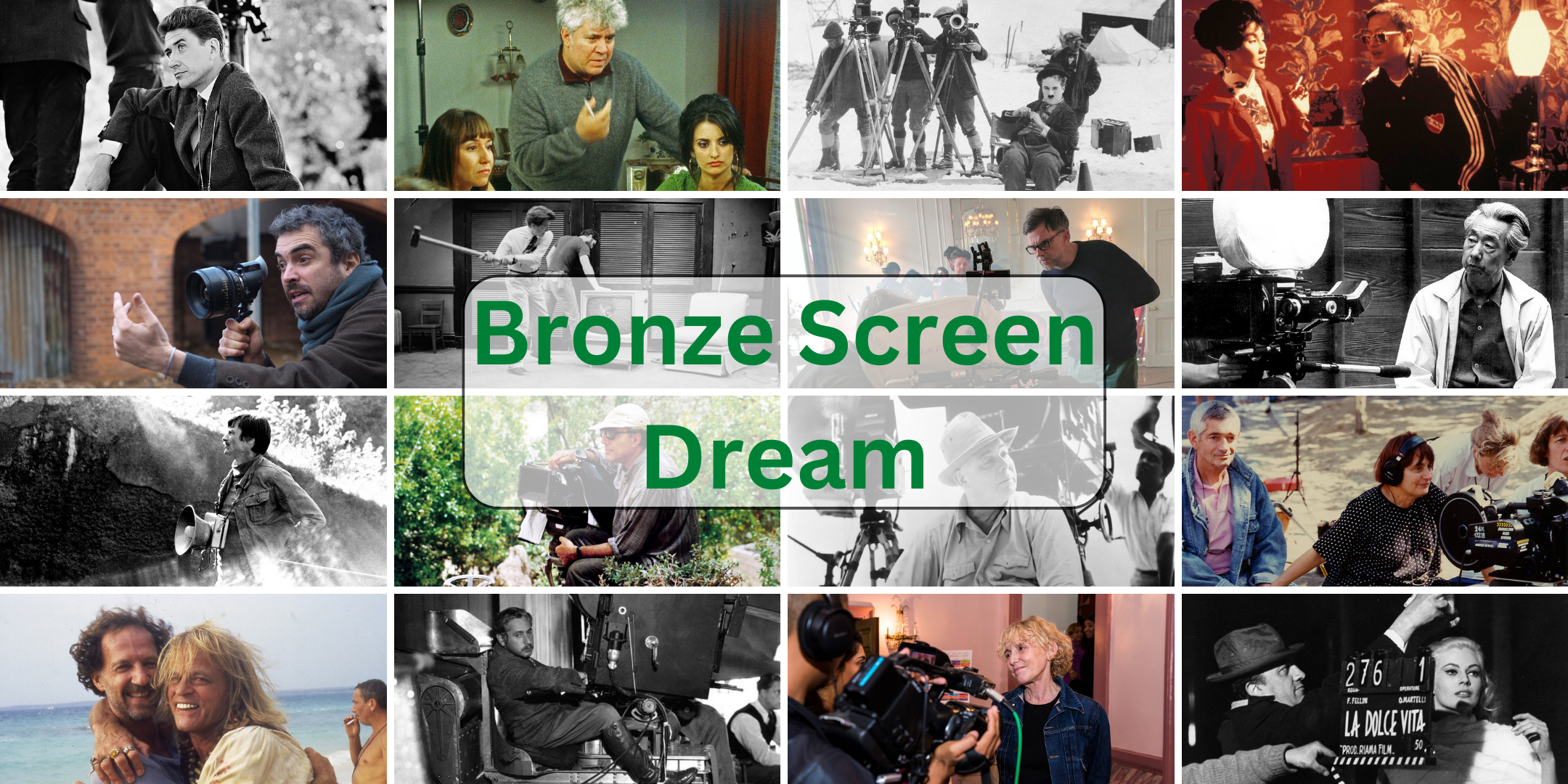
Below are some of the best British directors ever. Click on their pictures to discover more about them.


A Brief History of British Documentaries
The roots of British documentary filmmaking can be traced back to the early 20th century, with the works of pioneering figures like John Grierson. Grierson, often hailed as the father of the British documentary movement, coined the term “documentary” in his review of Robert Flaherty’s film “Moana” in 1926. He believed in the potential of cinema to educate and engage the public in social issues. His most famous work, “Drifters”, which followed the lives of North Sea herring fishermen, exemplified his style and approach, blending creative flair with educational value.
Following Grierson’s footsteps, filmmakers like Humphrey Jennings emerged during the 1930s and 1940s. Jennings is best remembered for his work during World War II, where he created compelling documentaries like “Fires Were Started” and “A Diary for Timothy”. These films are noted for their poetic approach to documentary filmmaking, blending reality with a strong sense of British identity and resilience during the war. Jennings’ work significantly influenced the documentary genre, introducing a more personal and artistic dimension.
The post-war era saw a diversification in the themes and styles of British documentaries. Directors like Lindsay Anderson and Karel Reisz, associated with the Free Cinema movement in the 1950s, brought a new level of realism and social commentary to their documentaries. Films like Anderson’s “O Dreamland” and Reisz’s “We Are the Lambeth Boys” focused on everyday life, challenging the conventional norms and often providing a critical look at British society. This era marked a departure from the more propagandistic and educational documentaries of the past, paving the way for more experimental and individualistic approaches in the genre.
In recent decades, British documentary filmmaking has continued to evolve, with directors like Nick Broomfield and Louis Theroux gaining international recognition. Their often confrontational and immersive styles have opened up new possibilities for documentary storytelling, exploring complex and controversial subjects with a unique blend of investigative journalism and personal involvement.
 Bronze Screen Dream