
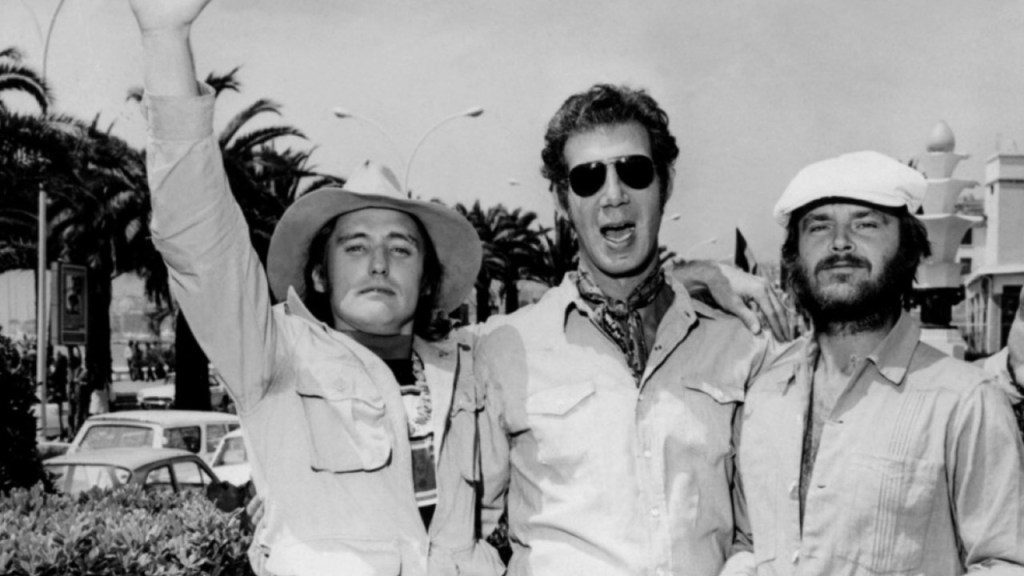
Bob Rafelson was an American film director, writer, and producer best known for his work during the 1970s, particularly as one of the pioneering figures of the New Hollywood movement. Notably, his contributions to cinema include films like Five Easy Pieces and The King of Marvin Gardens.
Rafelson first gained attention as a producer, working with Bert Schneider to create the groundbreaking TV series The Monkees. The show, which followed the misadventures of a fictional rock band, was a massive hit and helped to launch the careers of its young stars.
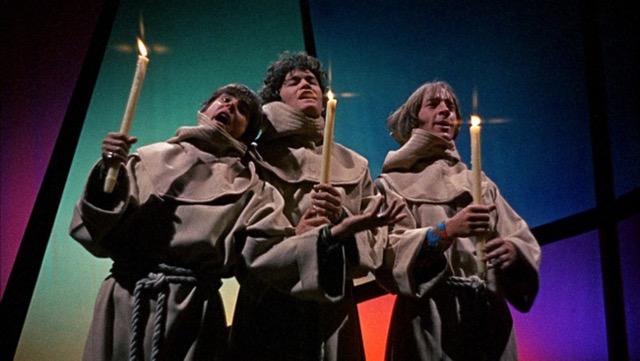
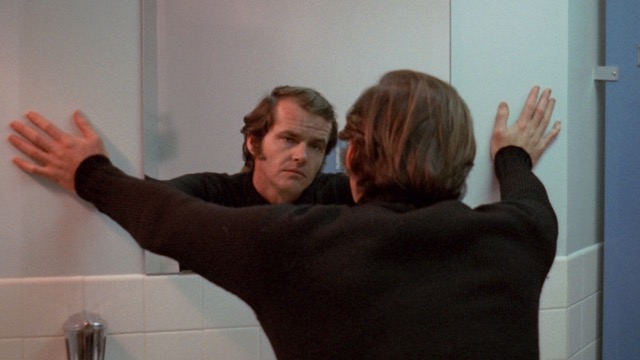
Rafelson made his feature film debut with Head, a psychedelic comedy starring The Monkees that was a commercial failure but has since become a cult classic. He followed up Head with Five Easy Pieces, a drama about a classically trained pianist who turns his back on his privileged upbringing to work on an oil rig. The film, which starred Jack Nicholson in one of his earliest leading roles, was a critical and commercial success and established Rafelson as a major talent in American cinema.
Rafelson went on to make several other acclaimed films throughout the 1970s, including The King of Marvin Gardens and Stay Hungry. These films were characterised by their complex characters, their exploration of themes of identity and masculinity, and their willingness to take risks and experiment with form and style. In the 1980s and 1990s, Rafelson’s output slowed down, but he continued to make interesting and challenging films, such as Black Widow and Blood and Wine. He also worked as a producer on several films, including The Postman Always Rings Twice and The Two Jakes.
His filmography is deeply rooted in exploring the intricacies of human relationships, familial dynamics, and the quest for individual identity. In Five Easy Pieces, for instance, he delves into the life of a blue-collar worker with a privileged past, masterfully touching upon themes of alienation, societal expectations, and the conflict between one’s roots and present circumstances. Additionally, Rafelson often collaborates with actors multiple times, resulting in deep and evolving character studies, such as his work with Jack Nicholson in films like The Postman Always Rings Twice.
Rafelson tended to lean towards a naturalistic and realistic style, allowing the narrative and characters to take centre stage. However, this realism is often juxtaposed with moments of heightened drama or absurdity, creating a distinct tension in his films. His approach to filmmaking often prioritises character development and intimate moments over grandiose plots, resulting in stories that resonate deeply with the viewer on a personal level. This blend of the real and the dramatic, the mundane and the significant, gives Rafelson’s work a unique place in American cinema.
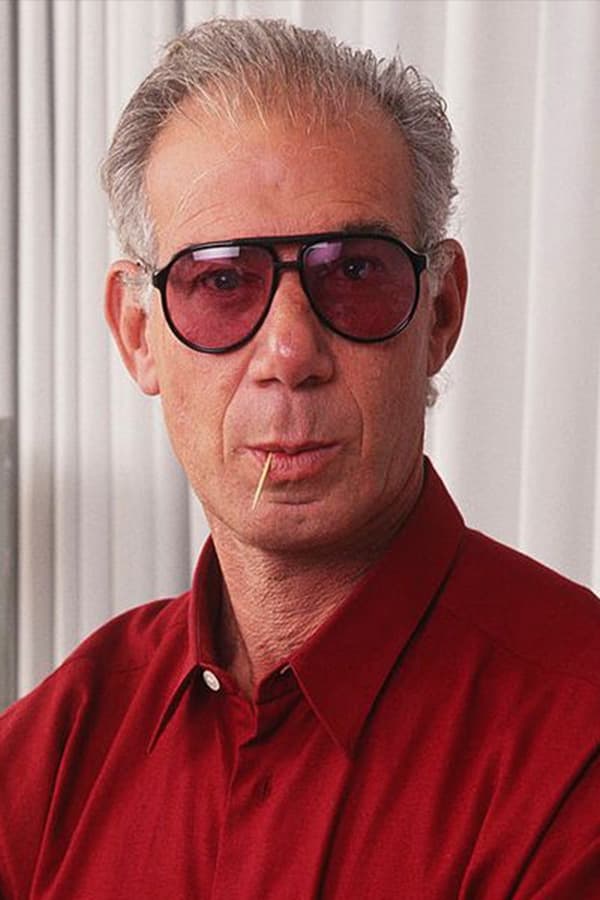
Bob Rafelson (1933 – 2022)
Calculated Films:
- Five Easy Pieces (1970)
Similar Filmmakers
- Alan Rudolph
- Arthur Penn
- Dennis Hopper
- Frank Perry
- Hal Ashby
- Henry Jaglom
- Joan Micklin Silver
- John Byrum
- John Cassavetes
- Michael Cimino
- Mike Nichols
- Milos Forman
- Monte Hellman
- Paul Mazursky
- Peter Bogdanovich
- Robert Altman
- Robert Downey Sr
- Sydney Pollack


Bob Rafelson’s Top 5 Films Ranked
1. Five Easy Pieces (1970)
Genre: Drama

2. The King of Marvin Gardens (1972)
Genre: Drama

3. Head (1968)
Genre: Surrealism, Absurdist Comedy, Satire

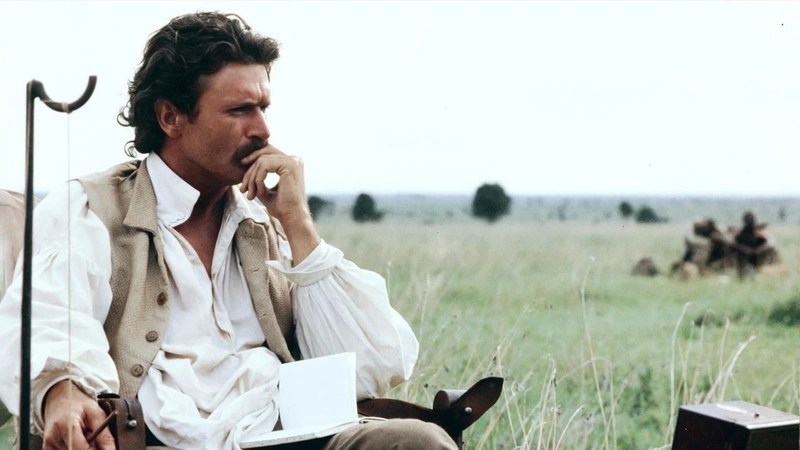
4. Mountains of the Moon (1990)
Genre: Adventure, Period Drama
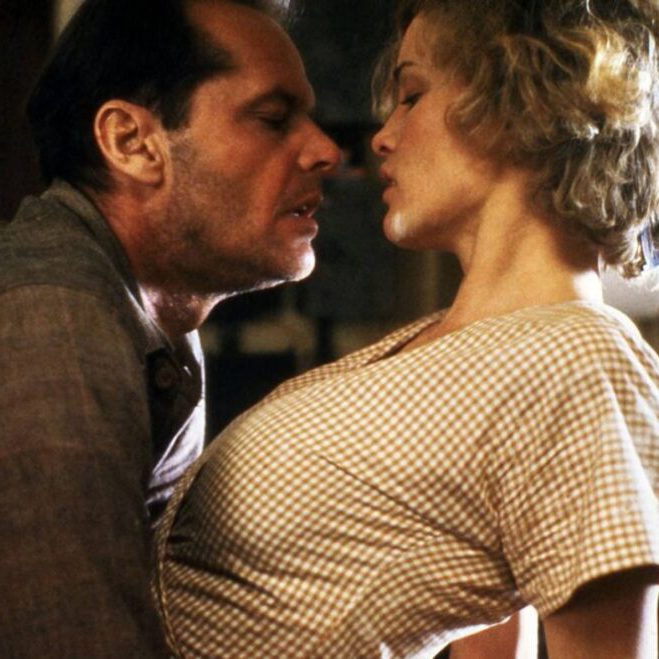
5. The Postman Always Rings Twice (1981)
Genre: Crime, Neo-Noir, Drama, Romance

Bob Rafelson: Themes and Style
Themes:
- Existentialism and Individualism: Rafelson’s characters often grapple with existential crises, seeking purpose and meaning in their lives. These individuals are depicted as solitary figures, isolated either by their disillusionment or by their non-conformist beliefs.
- Human Relationships: His films delve into the intricacies of human connections, exploring both familial and romantic relationships with a critical, introspective lens.
- American Dream and Disillusionment: Rafelson often interrogates the idea of the American Dream, presenting characters who are either chasing, questioning, or utterly disenchanted with this pervasive cultural myth.
Styles:
- Character-Centric Storytelling: His stories are deeply character-driven, with the narrative unfolding through the eyes, experiences, and psychologies of the central characters.
- Visual Symbolism: Rafelson employs potent visual symbols and metaphors within his films to communicate deeper themes and character emotions subtly, allowing audiences to engage with the material on a more intimate, personal level.
- Realism and Naturalism: His approach to filmmaking leans towards realism, with dialogue, settings, and performances that aim to authentically reflect the human condition and the complexities of real life.
Directorial Signature:
- Complex Protagonists: Rafelson’s films often feature complex, multifaceted protagonists who are, at times, difficult to empathise with or understand fully. These characters are typically deeply flawed, making them more human and relatable.
- Nuanced Performances: He has a knack for eliciting fine, compelling performances from his actors, turning even minimal dialogues into powerful expressions of the character’s inner turmoil and conflicts.
- Collaborations: Rafelson frequently collaborated with specific actors and creators, forming a recognisable creative synergy that is evident in the distinctive quality and tone of his films. His collaborations with actor Jack Nicholson are particularly noteworthy.
- Atmospheric Filmmaking: He creates films that are rich in atmosphere, using the visual and auditory elements of cinema to build a mood that complements and enhances the narrative. This approach often results in films that are as experiential as they are observational.
Bob Rafelson – Great Director


 Bronze Screen Dream