
Bob Fosse was a celebrated American director and choreographer revered for his innovation in musical theatre and film. Fosse, a winner of an unprecedented eight Tony Awards for choreography, also brought his unique vision to the cinema, directing critically acclaimed films such as Cabaret and All That Jazz. His groundbreaking work reshaped the musical film genre, marrying complex narratives with electrifying dance sequences.
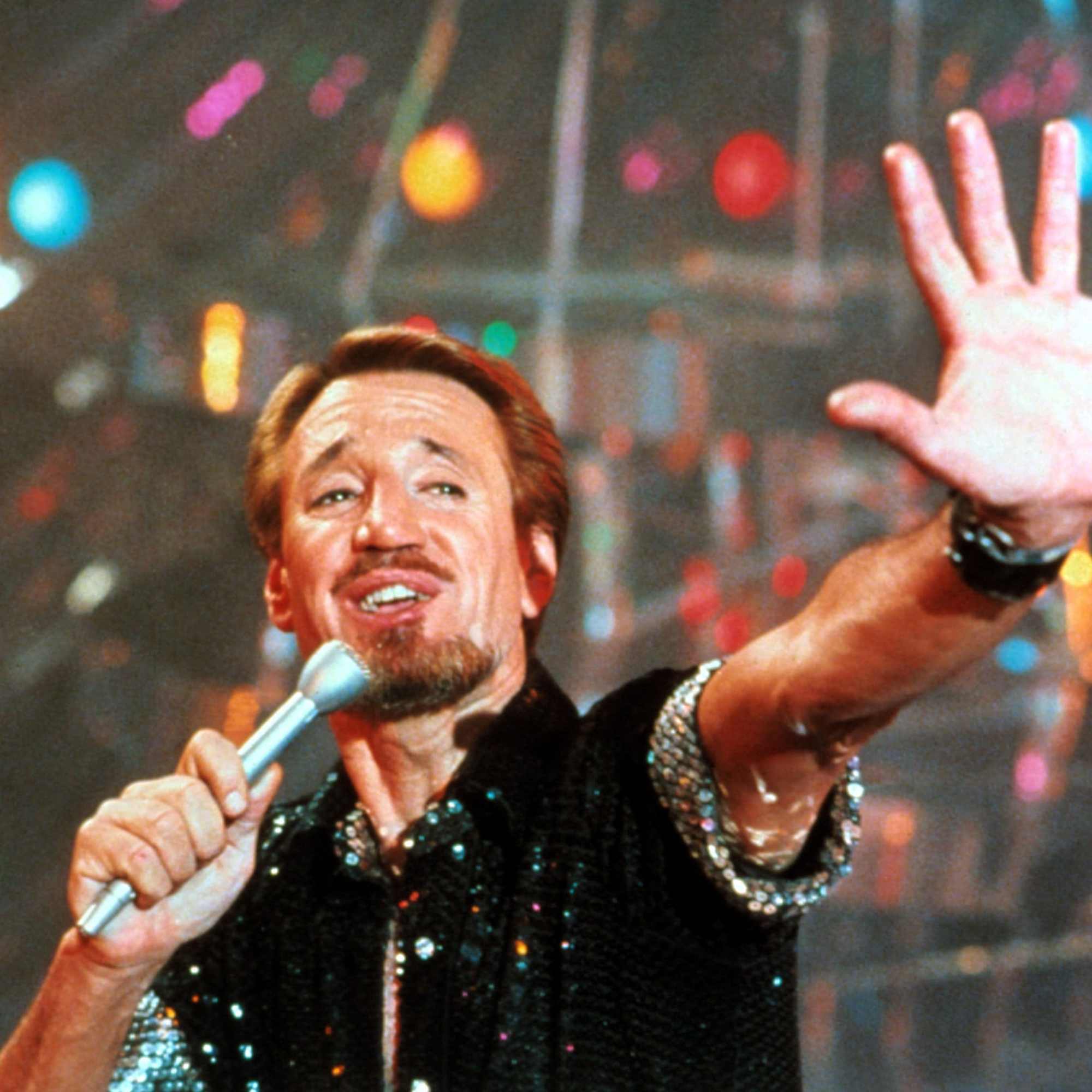
Starting his career as a dancer, Fosse went to Broadway, where he gained acclaim for his unique choreographic style. His transition to film direction was a natural evolution, allowing him to bring his unique perspective to a broader audience. His films frequently delved into the darker aspects of show business, a theme drawn from his personal experiences in the industry. This is powerfully demonstrated in All That Jazz, a semi-autobiographical film that presents an unflinching exploration of the toll of artistic obsession and the allure of self-destruction.
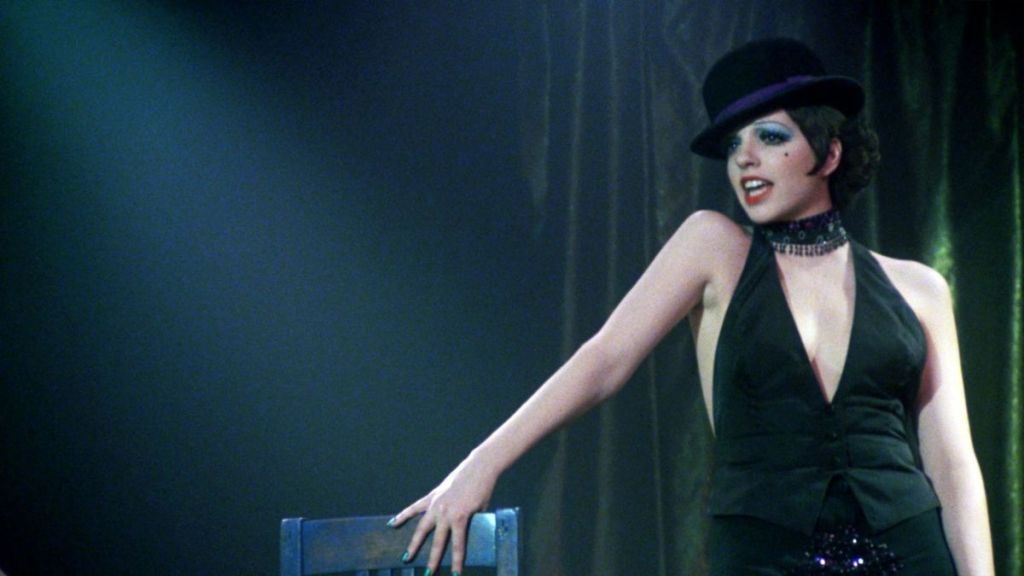
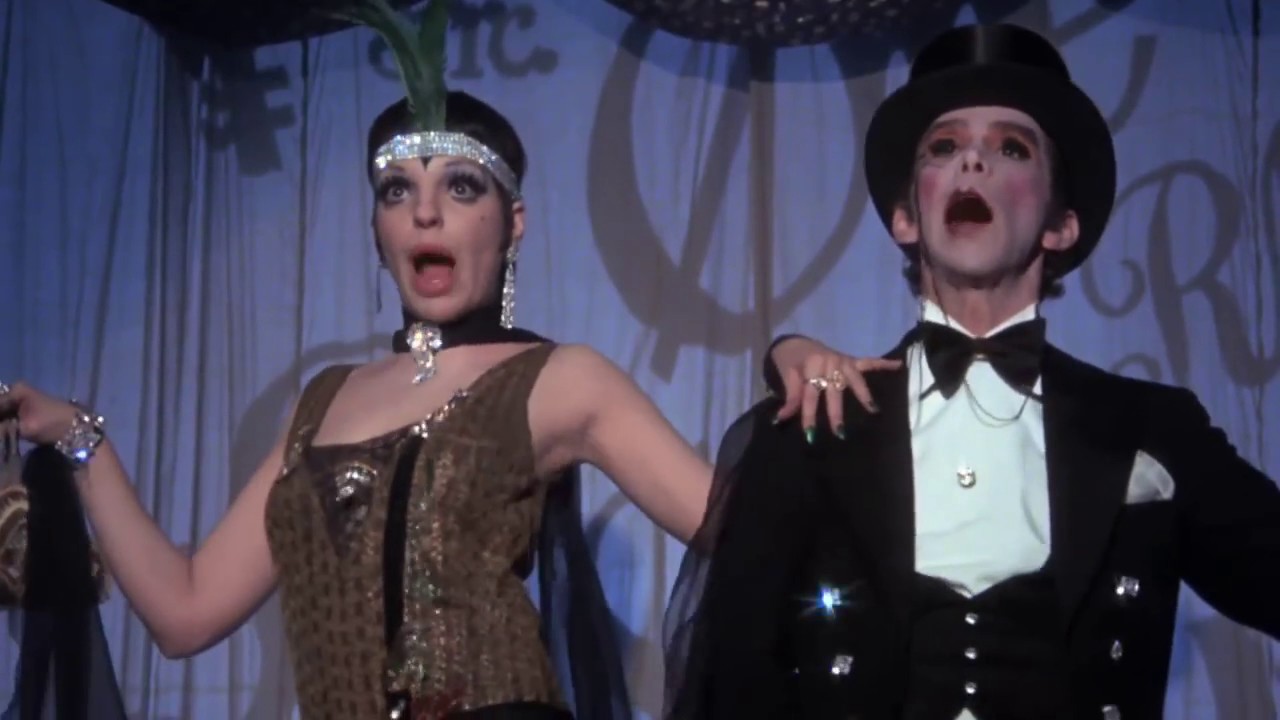
Fosse’s visual style was characterised by his unique choreographic language and his innovative use of editing. His distinctive dance aesthetic, denoted by turned-in knees, sideways shuffling, and rolled shoulders, is distinctively showcased in Sweet Charity. In his directorial approach, Fosse leaned into rapid, rhythmic editing, frequently using cuts to accentuate the beat of the music or the movement of the dancers, evident in the film Cabaret where he employed this technique to create a vibrant, immersive atmosphere.
“I would never discriminate against someone’s talent because they showed the poor taste to like me.”
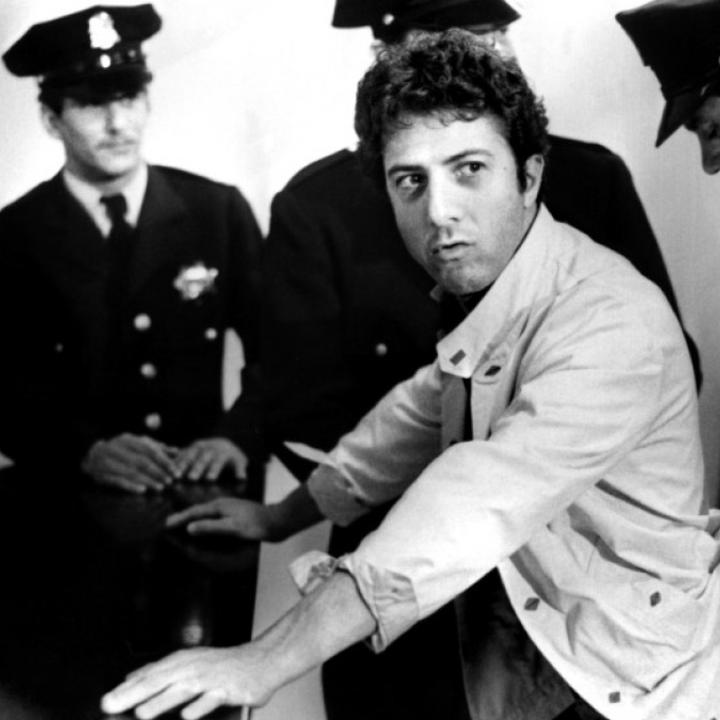
The uniqueness of Fosse’s style lay not only in his distinctive choreography and innovative filmmaking techniques but also in his daring thematic choices. His works frequently dealt with the darker side of fame and the cost of artistic ambition, showing a grittier side of show business that was often glossed over in traditional musicals. This was exemplified in his film Lenny, a biographical drama about the controversial comedian Lenny Bruce, which grappled with themes of addiction, censorship, and the toll of public scrutiny.
Fosse’s influence on both the stage and screen has been profound. His innovative choreography and stylistic signature have been emulated by numerous directors and choreographers, such as Rob Marshall, director of Chicago, who explicitly paid homage to Fosse’s style in the Oscar-winning film. Internationally, Fosse’s influence can be seen in the works of acclaimed filmmakers such as Baz Luhrmann, whose films are known for their visually stunning and dynamically choreographed musical sequences. His impact on film history extends beyond the realm of musicals; his innovative use of editing and his gritty, unvarnished approach to storytelling has left a lasting legacy that continues to influence filmmakers across various genres.

Bob Fosse (1927 – 1987)
Calculated Films:
- Cabaret (1972)
- Lenny (1974)
- All That Jazz (1979)
Similar Filmmakers
- George Sidney
- Herbert Ross
- Jacques Demy
- John Schlesinger
- Lars von Trier
- Milos Forman
- Richard Attenborough
- Richard Quine
- Rob Marshall
- Robert Wise
- Stanley Donen
- Vincente Minnelli

Bob Fosse’s Films Ranked
1. All That Jazz (1979)
Genre: Musicial, Drama

2. Cabaret (1972)
Genre: Musical, Drama, Romance
3. Lenny (1974)
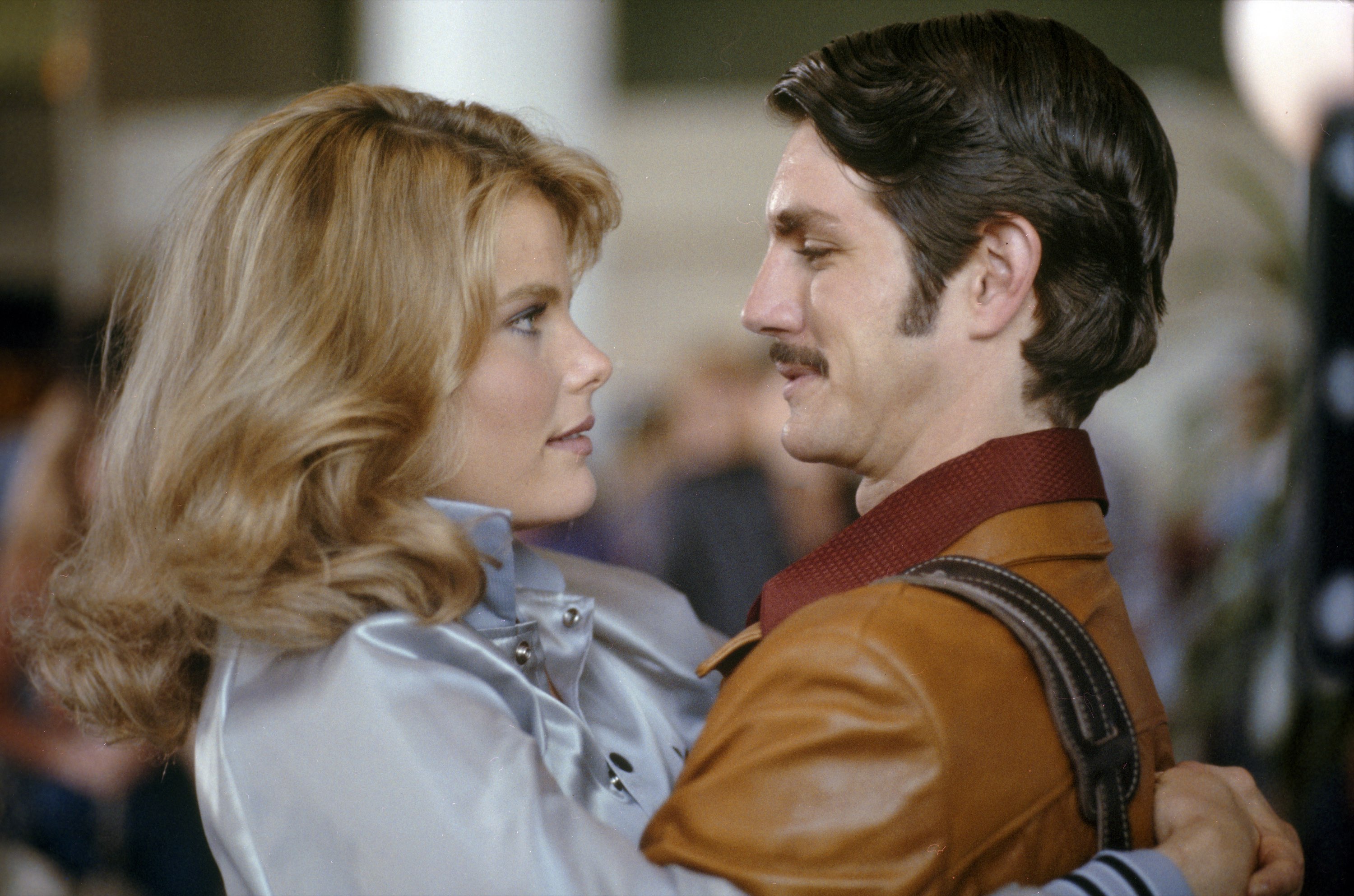
Genre: Biographical, Drama

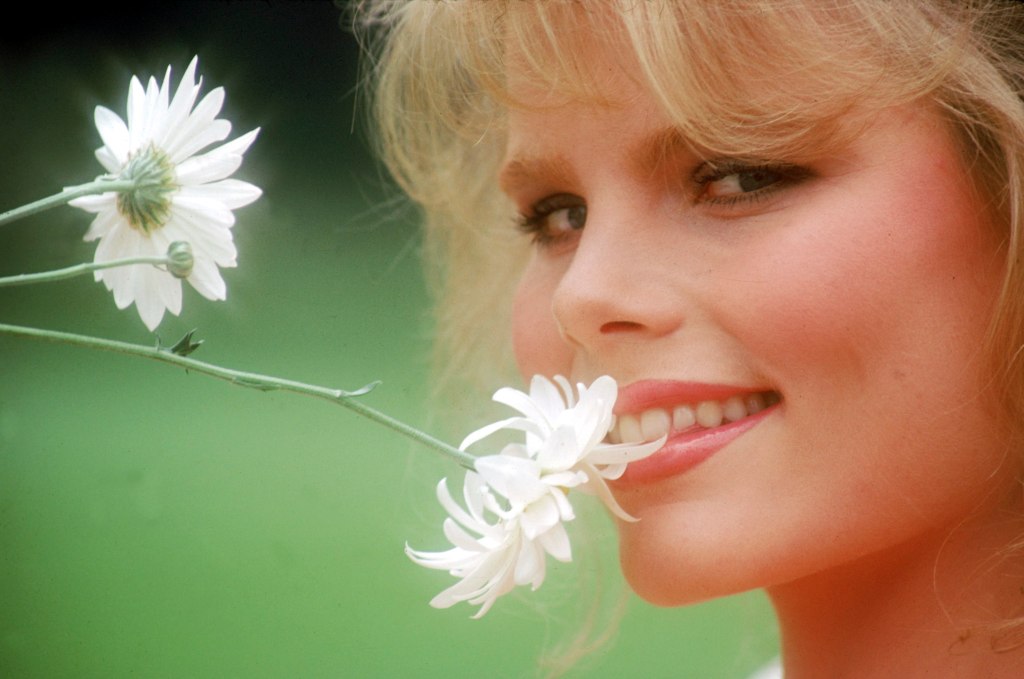
4. Star 80 (1983)
Genre: Biographical, Drama
5. Sweet Charity (1969)
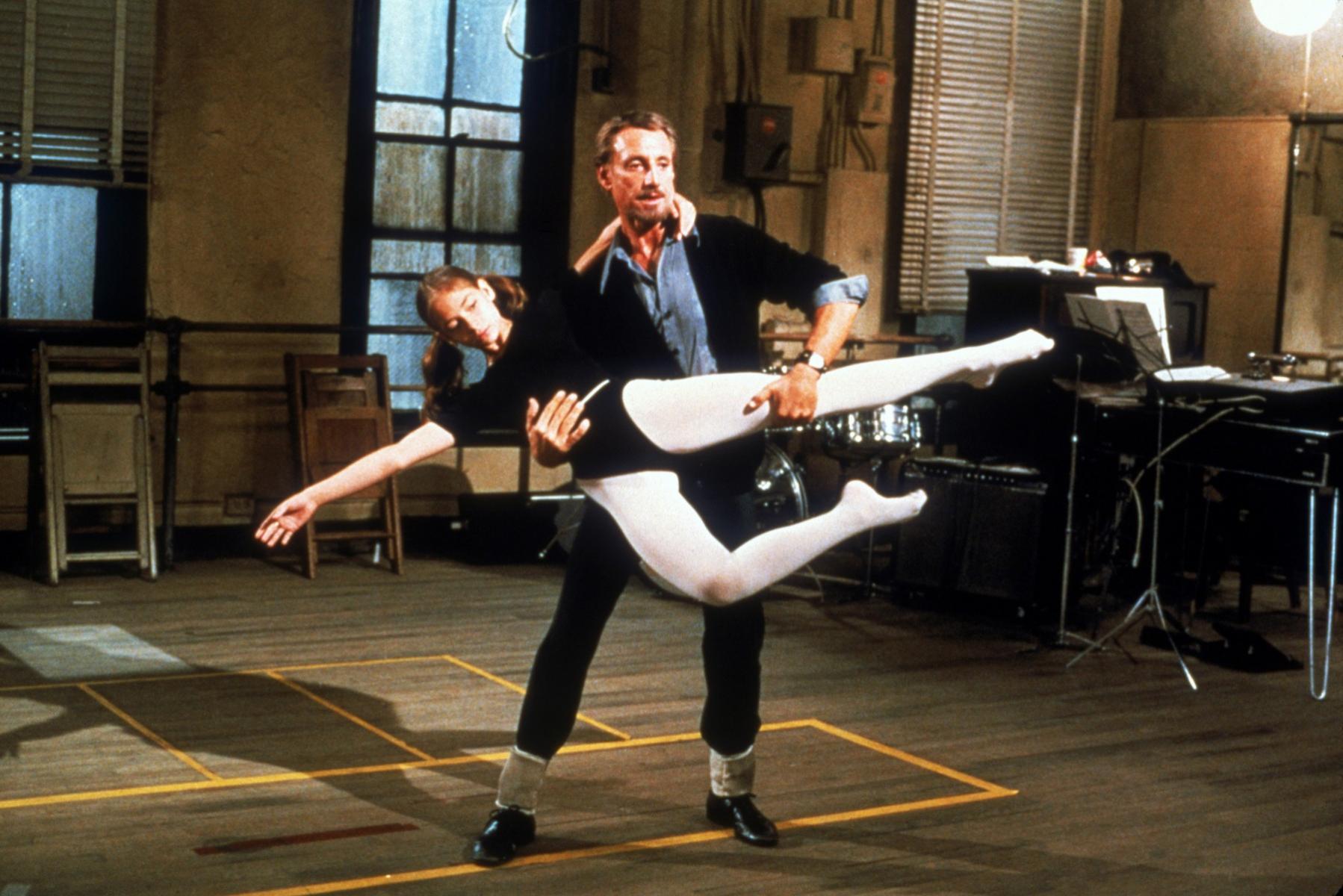
Genre: Musical, Comedy, Romantic Comedy, Drama

Bob Fosse: Themes and Style
Themes:
- Sexuality and Sensuality: Fosse often delved deep into the complexities of human sexuality, highlighting both its allure and dark underbelly. His works frequently touch upon the idea that sexuality, while empowering, can also be a source of exploitation and self-destruction.
- Show Business and Its Dark Side: Fosse was deeply fascinated by the world of entertainment, especially the interplay between public persona and private turmoil. Many of his works highlight the struggles and sacrifices made in the pursuit of fame and success.
- Personal Demons: Whether addressing substance abuse, mental health issues, or the fragility of relationships, Fosse wasn’t shy about integrating his personal struggles into his art.
Styles:
- Unique Choreography: Fosse’s dance sequences are unmistakable, characterised by turned-in knees, rolled shoulders, and the iconic “Fosse hands” – jazz hands with a lowered, inward wrist angle.
- Intimate Camera Work: Fosse favoured close-ups and often used the camera to provide an intimate, almost voyeuristic view, immersing the audience in the emotional core of his characters.
- Staccato Editing: Especially evident in All That Jazz, Fosse utilised quick, rhythmic cuts that often mirrored the choreographed dance sequences, providing a visual rhythm that complemented the musical beats.
- Contrasts in Lighting: Fosse was known for his dramatic use of lighting, often using stark contrasts to emphasise emotion or to symbolise the duality of his characters.
Directorial Signature:
- Autobiographical Elements: Fosse often infused his works with autobiographical elements, using art to comment on his life and vice versa. All That Jazz is perhaps the most overtly autobiographical, showcasing the life of a director/choreographer drowning in the excesses of fame.
- Breaking the Fourth Wall: In both his stage and film works, Fosse occasionally allowed characters to directly address or acknowledge the audience, creating a sense of engagement and complicity.
- Integration of Reality and Fantasy: Fosse seamlessly wove reality and fantasy, especially in films like Cabaret and All That Jazz. These dreamlike sequences blur the lines between the character’s reality and their desires or fears.
- Meticulous Attention to Detail: Whether it was a dance sequence, a set design, or a costume, Fosse was known to be a perfectionist. Every element was carefully crafted to contribute to the overall narrative and mood.
Bob Fosse: The 187th Greatest Director

 Bronze Screen Dream