
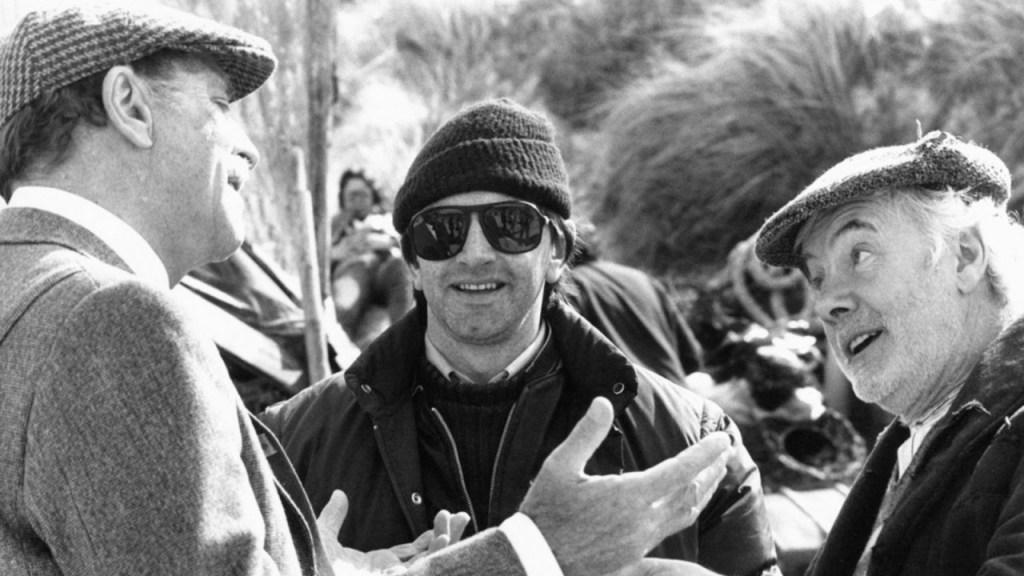
Bill Forsyth is a Scottish filmmaker best known for crafting subtle, idiosyncratic comedies that explore the quirks and intricacies of human relationships set against the backdrop of Scottish life. Films like Local Hero and Gregory’s Girl have earned him acclaim for their ability to meld wry humour with poignant observations on life, love, and community.
Forsyth’s career began in the independent Scottish film scene, where he quickly distinguished himself with his debut feature, That Sinking Feeling. However, it was Gregory’s Girl, a charming and whimsical tale of adolescent love and awkwardness, that catapulted him to international recognition. This success was followed by Local Hero, a film that not only showcased Forsyth’s talent for blending humour with environmental and cultural themes but also solidified his reputation as a director with a distinctive, gentle touch. However, Forsyth’s career has seen its share of challenges. As he ventured into Hollywood with projects like Breaking In and Being Human, he encountered the constraints and commercial pressures of the American studio system, which often clashed with his more nuanced and idiosyncratic approach to storytelling.
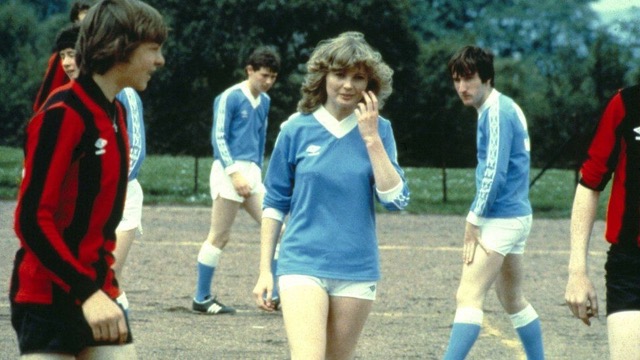
One of Forsyth’s enduring hallmarks is his unique blend of warmth and wit. He possesses an uncanny ability to spotlight the mundane and ordinary, infusing them with charm and profundity. For instance, in Gregory’s Girl, the awkward throes of teenage romance are portrayed with both humour and tenderness, emphasising the universality of young love. His films often revolve around small communities, offering a window into their dynamics, dreams, and dilemmas. Local Hero is a masterclass in this, showcasing a remote village’s interaction with corporate interests, juxtaposing the allure of modernity with the beauty of simplicity. Another distinctive element of Forsyth’s cinematic voice is his affectionate treatment of his characters. Even when they are flawed or comical, they are rendered with empathy and depth. This lends his films an emotional resonance that lingers long after the credits roll.
Forsyth captures the Scottish landscape with a loving eye, making it a character in its own right. The picturesque settings of his films, whether urban or rural, contribute significantly to their ambience. It’s not just about scenic beauty; the settings often mirror the internal states of his characters or the broader themes he’s exploring. This is evident in Comfort and Joy, where the streets of Glasgow become a battleground for rival ice cream vendors, reflecting the film’s deeper exploration of conflict and reconciliation. Moreover, his approach to filmmaking is characterised by a gentle pacing, allowing the narrative to unfold organically. Forsyth’s avoidance of flashy techniques and his focus on character-driven stories make his works timeless, grounded in the human experience, irrespective of era or geography.
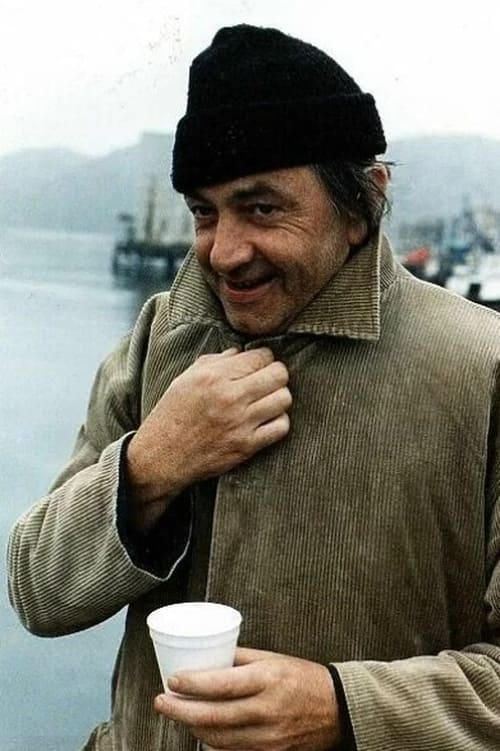
Bill Forsyth (1946 – -)
Calculated Films:
- Gregory’s Girl (1981)
- Local Hero (1983)
- Housekeeping (1987)
Similar Filmmakers
- Aki Kaurismaki
- Albert Brooks
- Alexander Payne
- Bill Sherwood
- Bruce Robinson
- Charles Gormley
- Frank Capra
- GIllies MacKinnon
- Hal Ashby
- Jim Jarmusch
- John Sayles
- Ken Loach
- Michael Radford
- Mike Leigh
- Peter Bogdanovich
- Richard Linklater
- Wes Anderson
- Woody Allen
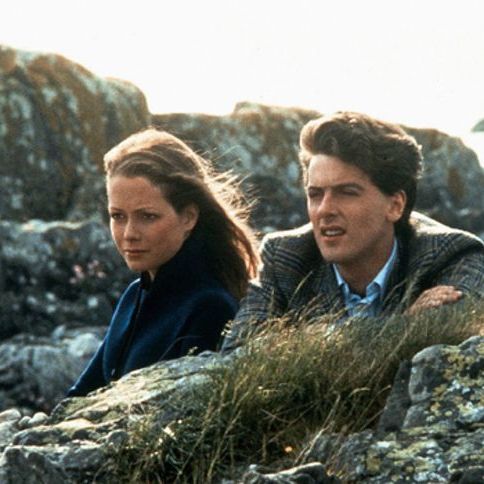


Bill Forsyth’s Top 5 Films Ranked
1. Local Hero (1983)
Genre: Comedy, Drama
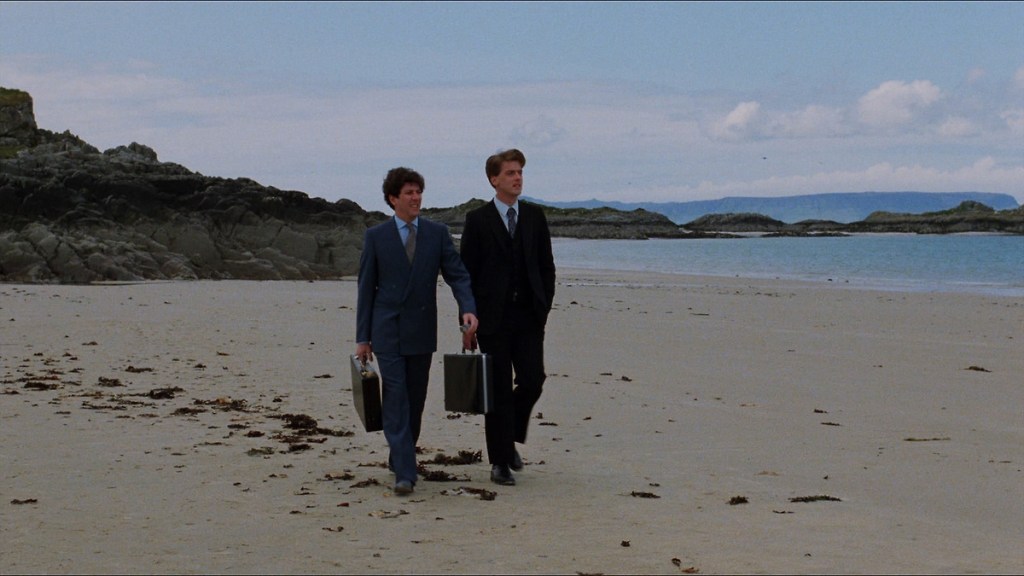
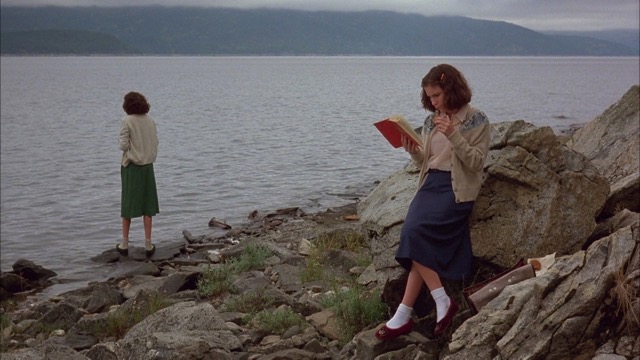
2. Housekeeping (1987)
Genre: Drama, Coming-of-Age

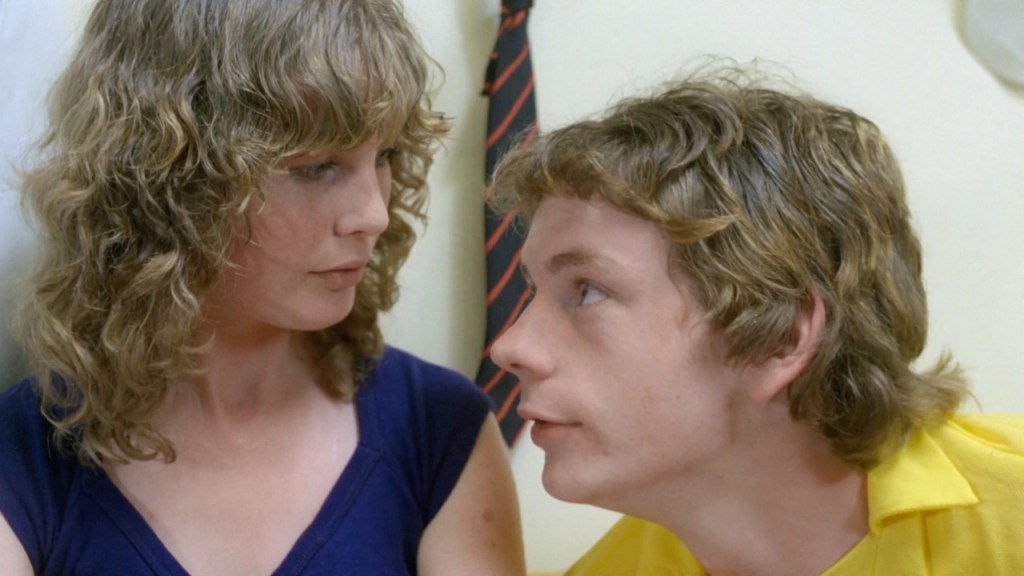
3. Gregory’s Girl (1981)
Genre: Teen Movie, Coming-of-Age, Comedy, Slice of Life
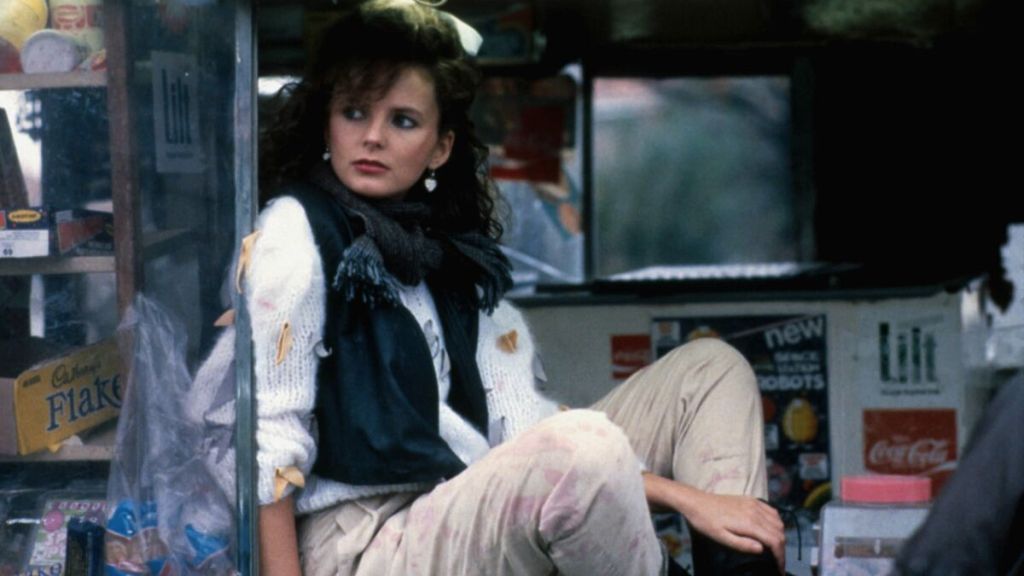
4. Comfort and Joy (1984)
Genre: Comedy
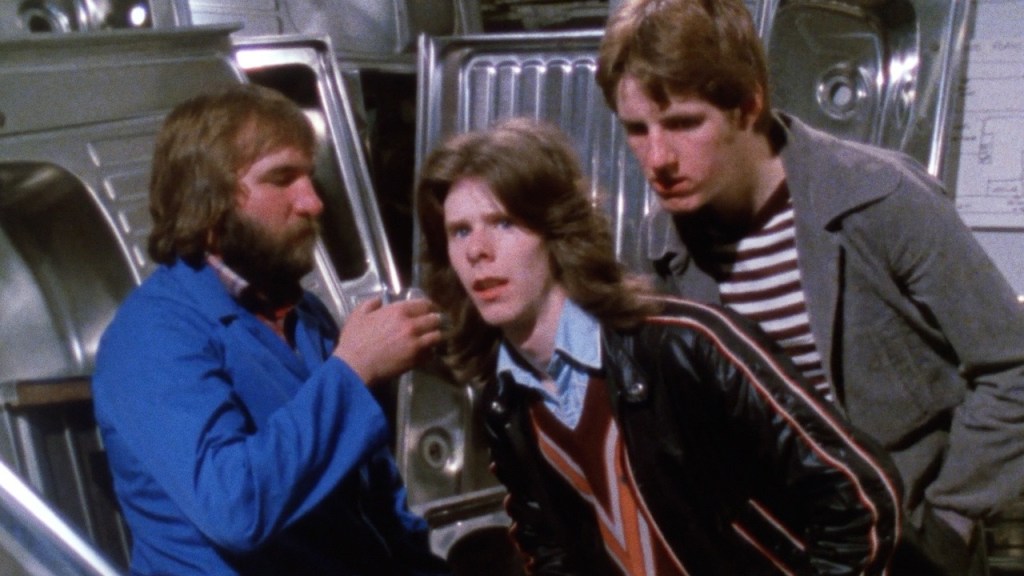
5. That Sinking Feeling (1980)
Genre: Comedy, Heist Film
Bill Forsyth: Themes and Style
Themes:
- Quirky Humanism: Many of Forsyth’s films highlight the eccentricities and peculiarities of human behaviour, showing a deep understanding and appreciation of the human condition.
- Scottish Identity: As a Scottish director, Forsyth frequently weaves elements of Scottish culture, history, and landscapes into his narratives, celebrating its uniqueness.
- Small-Town Life: Forsyth often sets his stories in small communities or towns, offering a close-knit backdrop where interpersonal relationships take centre stage.
- Youth and Innocence: Films like Gregory’s Girl focus on the awkwardness, joys, and challenges of adolescence and young love.
- Conflict and Resolution: Whether it’s industrial development versus nature in Local Hero or personal misunderstandings among characters, conflict and its subsequent resolution is a recurring theme.
Styles:
- Subtle Humour: Forsyth’s humour isn’t loud or in-your-face. It emerges from situations, character interactions, and cultural nuances, often delivered in a deadpan manner.
- Naturalistic Dialogue: His characters speak like real people – their dialogues are often understated, meandering, and filled with the idiosyncrasies of everyday speech.
- Lyrical Landscapes: The Scottish setting is not just a background in Forsyth’s films but often a character in itself. The picturesque landscapes and locations play a vital role in setting the tone and mood.
- Character-driven Plots: Instead of relying on heavy plot-driven stories, Forsyth allows his characters’ personalities, desires, and interactions to guide the narrative.
- Minimalist Storytelling: His films often have a simple premise, but they delve deep into characters and situations, extracting profound meanings from seemingly mundane events.
Directorial Signature:
- Authenticity: Forsyth has a gift for capturing the authenticity of a place and its people, showcasing the genuine aspects of Scottish life.
- Unassuming Characters: His protagonists are often ordinary people in seemingly normal situations. They’re not heroes in the traditional sense but become memorable due to their quirks, decisions, and growth.
- Emphasis on Music: The soundtracks of his films, like the haunting theme of Local Hero, play an integral role in setting the mood and complementing the narrative.
- Blend of Comedy and Drama: Forsyth masterfully balances humour with moments of introspection and drama, ensuring that his films are both entertaining and thought-provoking.
- Intimate Camera Work: His films have a certain intimacy, achieved through close-ups and a camera that observes rather than intrudes, making the audience feel like they’re part of the community or situation being portrayed.
Bill Forsyth – Great Director

 Bronze Screen Dream