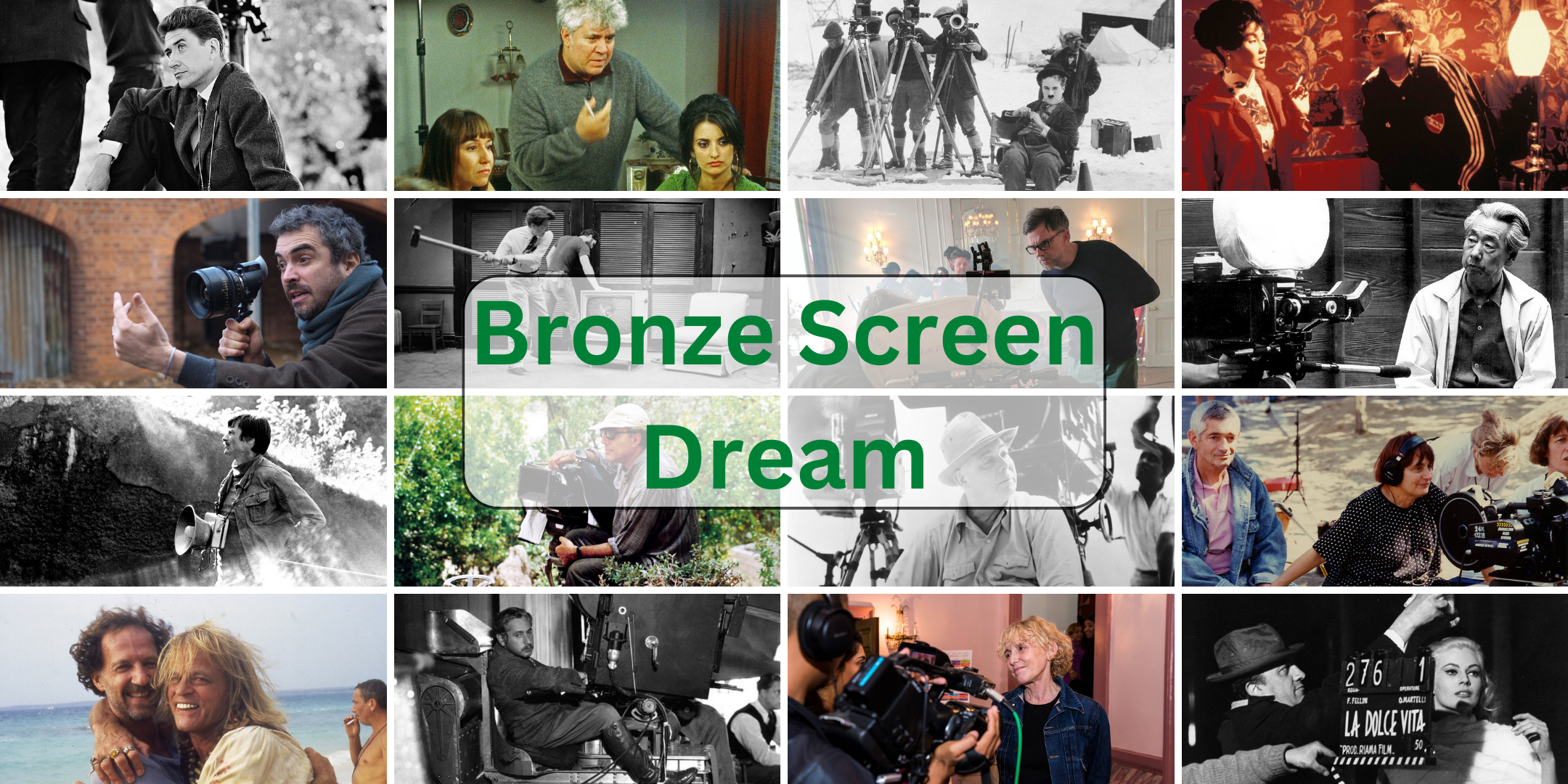
Below are some of the best Turkish directors ever. Click on their pictures to discover more about them
A Brief History of Turkish Cinema
The roots of Turkish cinema can be traced back to the early 20th century, around the time when the Ottoman Empire was in decline. The first Turkish film, a documentary, was recorded in 1914 by Fuat Uzkınay, marking the birth of Turkish cinema. However, the Turkish film industry truly began to take shape in the 1950s and 1960s, a period often referred to as the “Golden Age” of Turkish cinema. During this time, Turkey was one of the five biggest film producers worldwide, and its movies were characterised by their melodramatic, often rural themes, which resonated with the audience of a rapidly urbanising country.
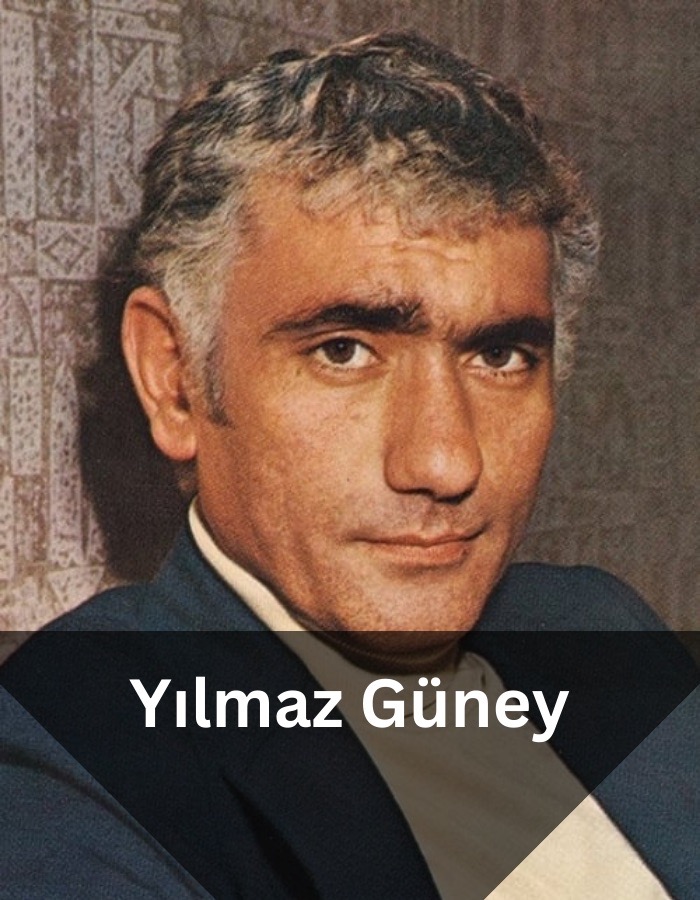
The 1960s and 1970s saw the emergence of several notable Turkish directors who made significant contributions to the industry. Metin Erksan, whose film “Dry Summer” won the Golden Bear at the 14th Berlin International Film Festival, was one of the pioneers of this era. Yılmaz Güney, another key figure, was not only a director but also an actor and screenwriter renowned for his portrayal of the struggles of the common people. His film “Yol” (The Road), co-directed with Şerif Gören, won the Palme d’Or at the Cannes Film Festival in 1982. These directors, among others, helped shape the narrative and aesthetic style of Turkish cinema, blending local themes with universal concerns and often addressing social and political issues.
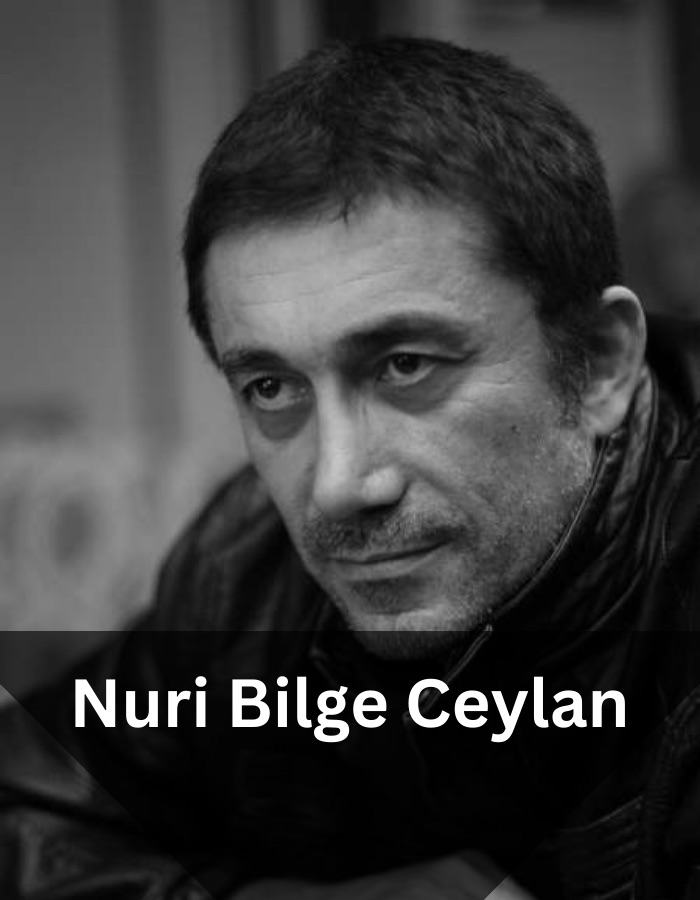
In recent years, Turkish cinema has continued to evolve, with new directors and a fresh wave of films that explore a diverse range of subjects. Directors like Nuri Bilge Ceylan have gained international acclaim for their work. Ceylan’s films, known for their naturalistic style and deep exploration of the human condition, have won numerous awards at international film festivals, including the Palme d’Or for “Winter Sleep” in 2014.
 Bronze Screen Dream