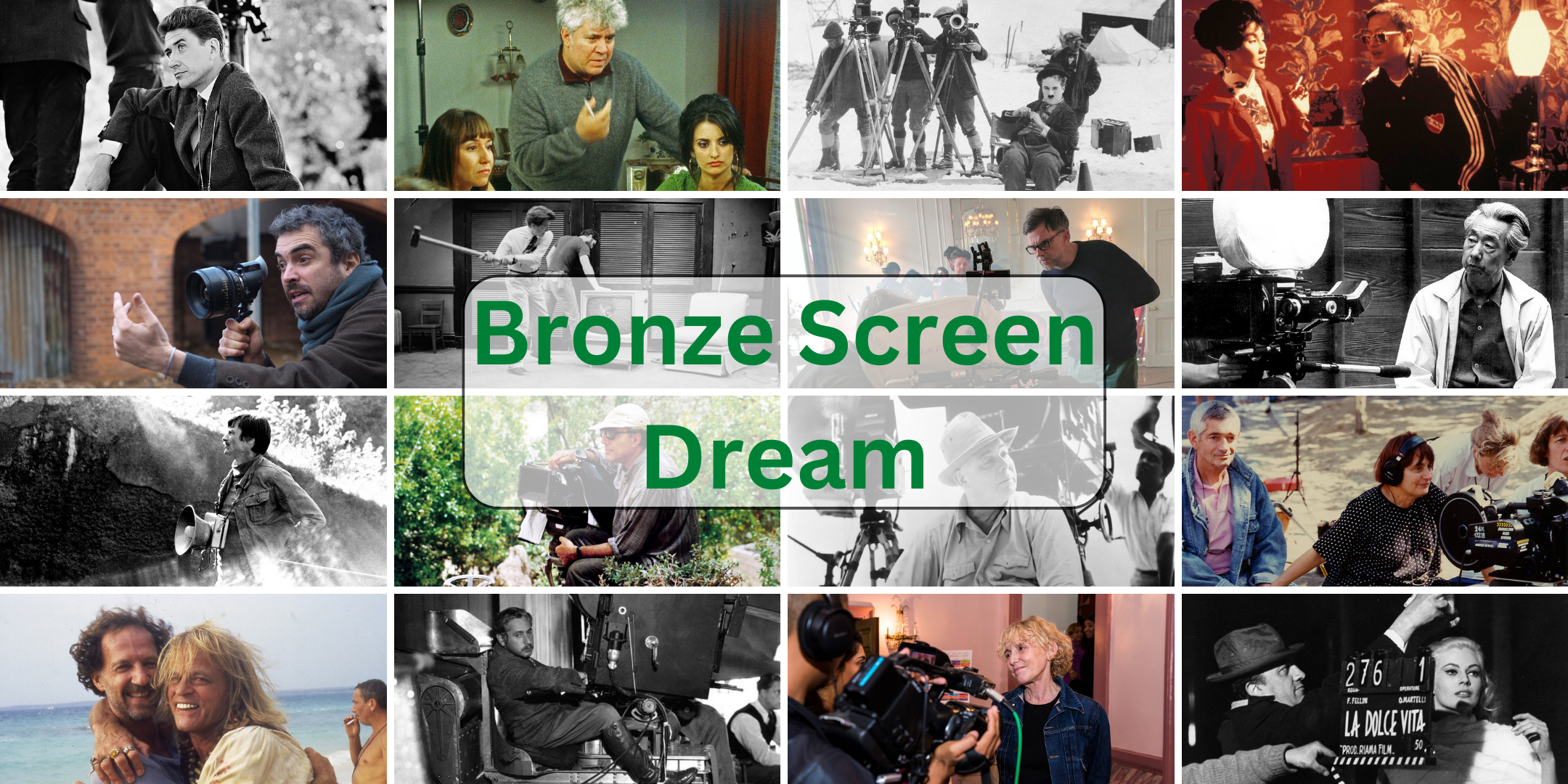
Below are some of the best Thai directors ever. Click on their pictures to discover more about them.

A Brief History of Thai Cinema
The history of Thai cinema can be traced back to the early 20th century, marking its inception with the release of “Nang Sao Suwan” or “Miss Suwan of Siam” in 1923, which was the first recorded feature film made in Thailand. This era was characterised by films that were heavily influenced by traditional Thai shadow puppetry and classical dance, reflecting the cultural heritage of the nation. The 1930s and 1940s saw the transition from silent films to talkies, with the first Thai sound film, “Long Thang” (The Dumb Husband), debuting in 1932.
Post World War II, Thai cinema entered a golden age in the 1950s and 1960s. This period saw the rise of prominent directors like Rattana Pestonji, who is often hailed as the father of contemporary Thai cinema. Pestonji’s works, such as “Santi-Vina”, were notable for their technical proficiency and more realistic storytelling, diverging from the traditional mythological and historical epics that dominated earlier Thai films. The 1970s and 1980s marked a downturn for the industry due to economic challenges and the rise of television, leading to a decline in film quality and audience numbers. However, the industry revived in the 1990s, spurred by a new wave of filmmakers who blended traditional Thai elements with modern cinematic techniques, offering fresh narratives and perspectives.
In the modern era, directors like Apichatpong Weerasethakul have gained global acclaim for their unique storytelling styles and visually stunning films. Weerasethakul’s “Uncle Boonmee Who Can Recall His Past Lives” won the prestigious Palme d’Or at the Cannes Film Festival in 2010, putting Thai cinema firmly on the international map. Other notable directors include Pen-Ek Ratanaruang and Wisit Sasanatieng, known for their innovative and genre-bending work.
 Bronze Screen Dream