
USSR Filmmakers
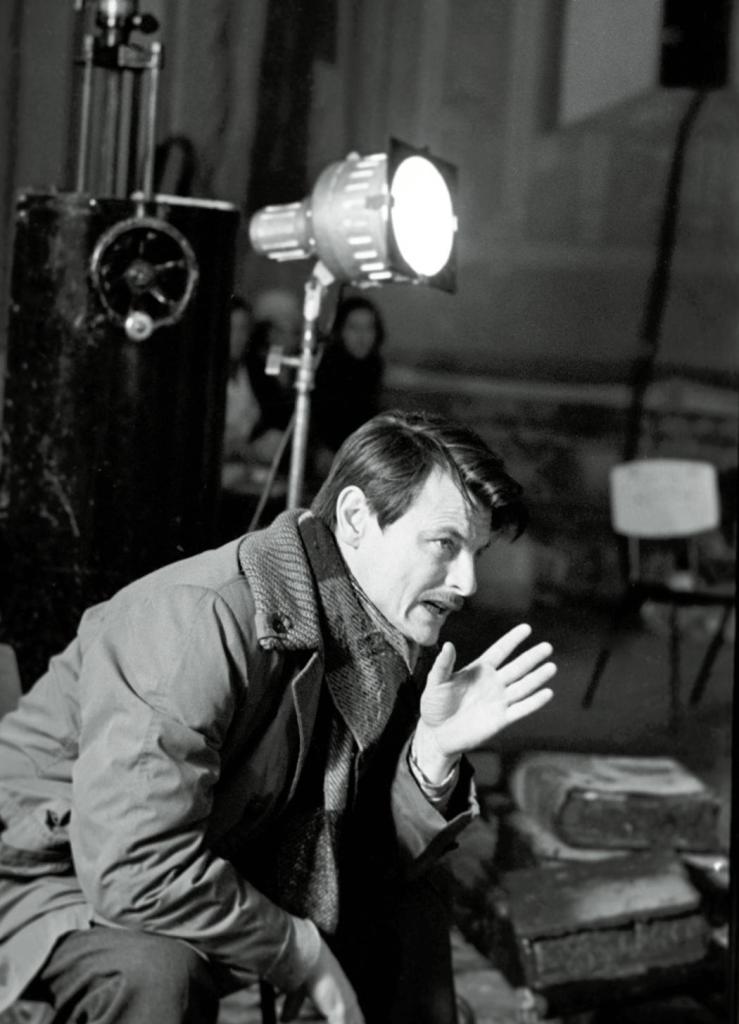
Andrei Tarkovsky
1932 – 1986 | Zavrazhye, Russia
Renowned for his profoundly philosophical and poetic style of cinema. Known for films such as Stalker and Solaris, Tarkovsky’s body of work delves into profound metaphysical inquiries, seamlessly interweaving spirituality, memory, and the nature of art. His visually striking films, recognised for their long takes, deliberate pacing, and unique sound design, have significantly influenced the global cinematic landscape.

Sergei Eisenstein
1898 – 1948 | Riga, Latvia
Renowned for his groundbreaking work in film editing and his development of the theory of montage. As a key filmmaker of the Soviet Union, Eisenstein harnessed the power of film to advance political ideas while also creating innovative techniques that would reverberate through film history. His filmography includes influential films like Battleship Potemkin and October: Ten Days That Shook the World, renowned for their use of montage to generate meaning and emotional impact.
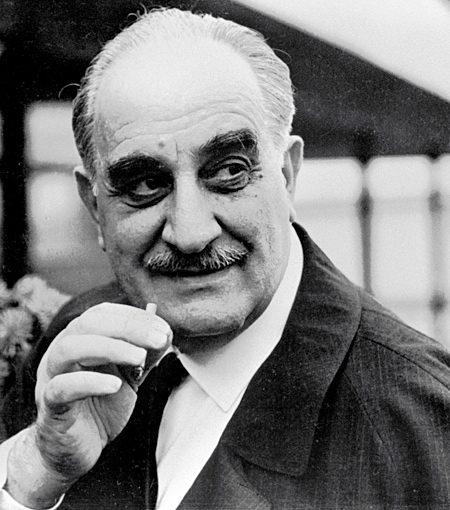
Mikhail Kalatazov
1903 – 1973 | Tbilisi, Georgia
An influential figure in world cinema, best known for his poignant depictions of human resilience and endurance. His films, such as The Cranes Are Flying and I Am Cuba, have made lasting impressions for their emotional depth and innovative cinematography. Kalatozov’s films often delve into the complexities of the human condition set against political turmoil.
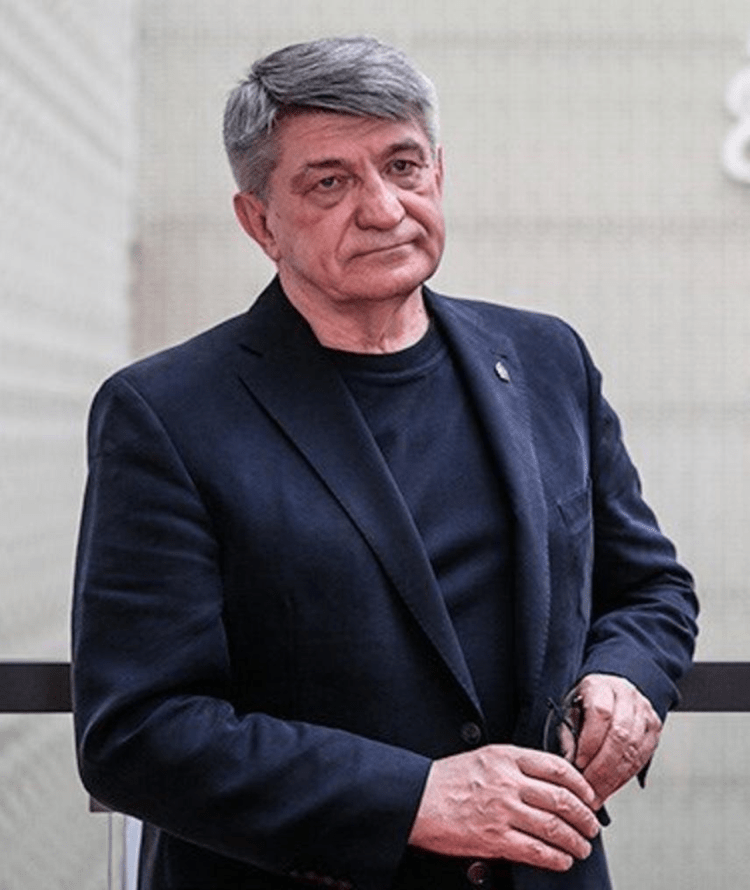
Aleksandr Sokurov
1951 – – | Podorvikha, Russia
A renowned Russian filmmaker, has left a significant mark on international cinema with his philosophically intense and visually arresting works. He gained global acclaim with his 2002 film, Russian Ark, a technical masterpiece filmed in a single continuous shot, making it a noteworthy entry in the annals of cinema.

Sergei Parajanov
1924 – 1990 | Tbilisi, Georgia
Known for his unique and poetic cinematic language. He achieved international acclaim for his distinctive style in films like Shadows of Forgotten Ancestors and The Color of Pomegranates, both of which remain icons of global cinema for their visual and narrative innovation.

Elem Klimov
1933 – 2003 | Volvograd, Russia
Known for his distinct filmmaking style and powerful socio-political commentary. His body of work, though not extensive, left a profound impact on the world of cinema. Klimov is best known for Come and See, a harrowing anti-war film that starkly portrays the horrors of World War II and stands as one of the most disturbing yet impactful war films ever made.

Dziga Vertov
1896 – 1954 | Bialystok, Poland
An influential Soviet director best known for his pioneering work in documentary filmmaking, particularly within the cinéma vérité style. His most renowned film, Man with a Movie Camera, is celebrated for its innovative use of cinematic techniques and its rejection of traditional narrative structures. Vertov’s passionate belief in cinema as a unique art form capable of revealing ‘film truth’ or ‘Kino-Pravda’ has profoundly impacted the evolution of documentary film.

Alexander Dovzhenko
1894 – 1956 | Sosnytsia, Ukraine
Known as one of the most important figures of early Soviet cinema. Born in Ukraine, he was a key proponent of the Soviet montage theory, and his silent film trilogy — Zvenigora (1928), Arsenal (1929), and Earth (1930) — is often cited as his most significant contribution to cinema, Earth being hailed as one of the greatest films of all time.

Yuri Norstein
1941 – – | Kamensky District, Russia
Impacted the world of animation with his remarkably detailed and evocative films renowned for their meticulous craftsmanship, his best-known works include Hedgehog in the Fog and Tale of Tales, both of which have received numerous international awards. Despite being caught in a notoriously long production process, his highly anticipated film The Overcoat further highlights Norstein’s dedication to his craft and the painstaking precision he invests in his work.
 Bronze Screen Dream