
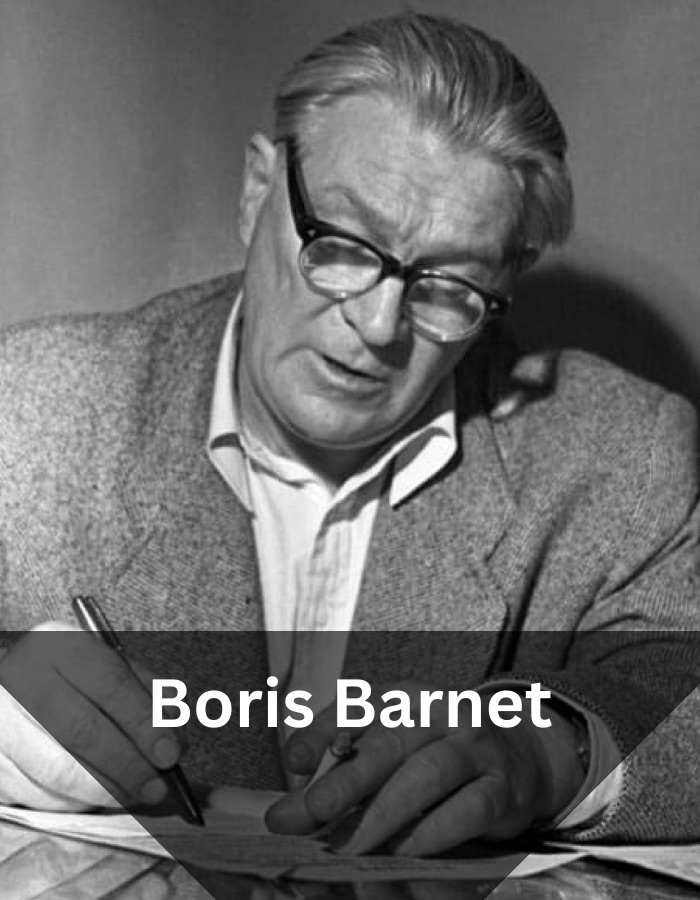
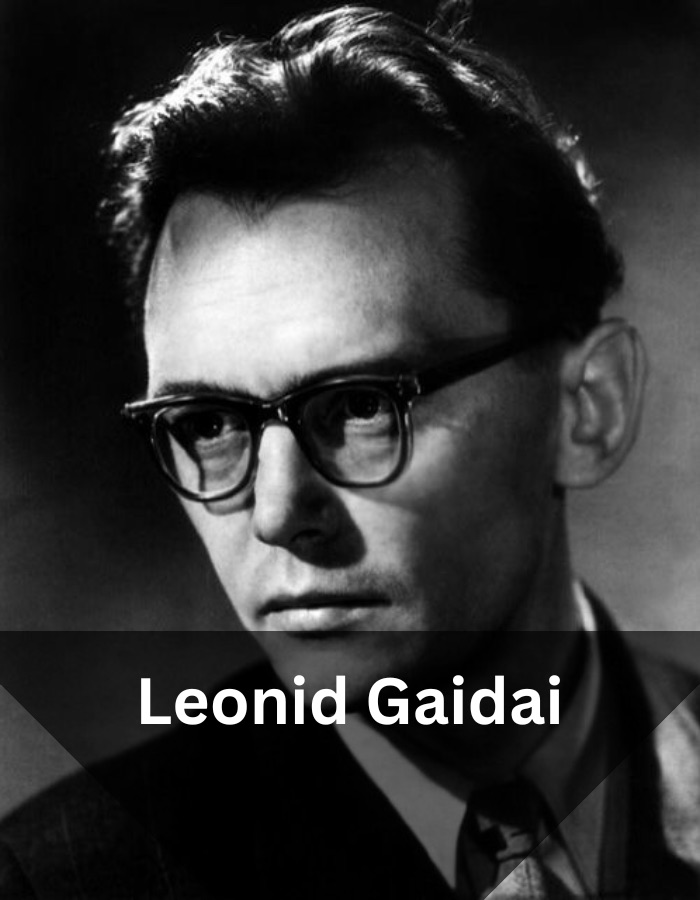
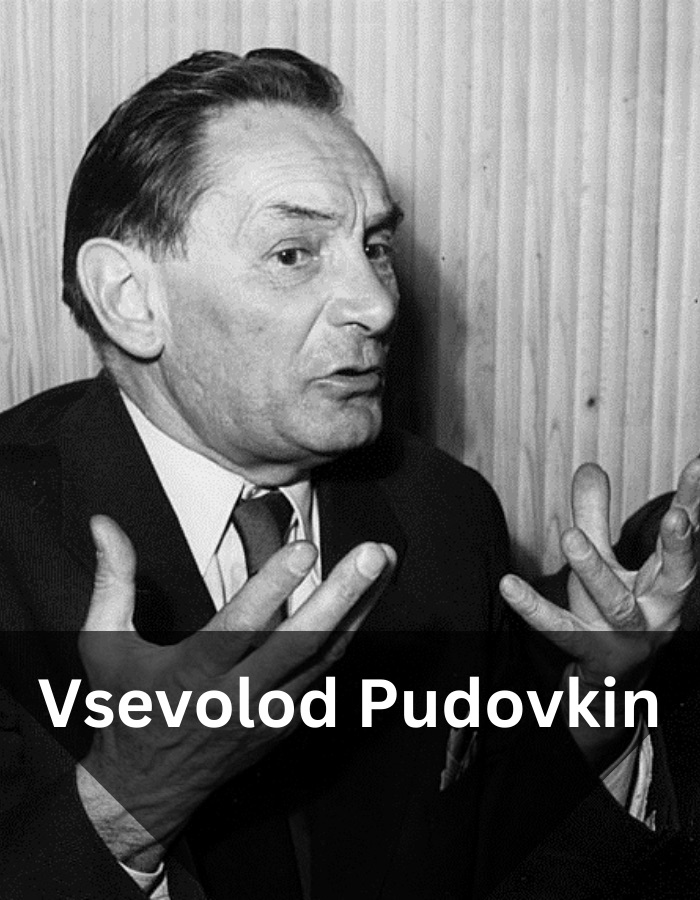
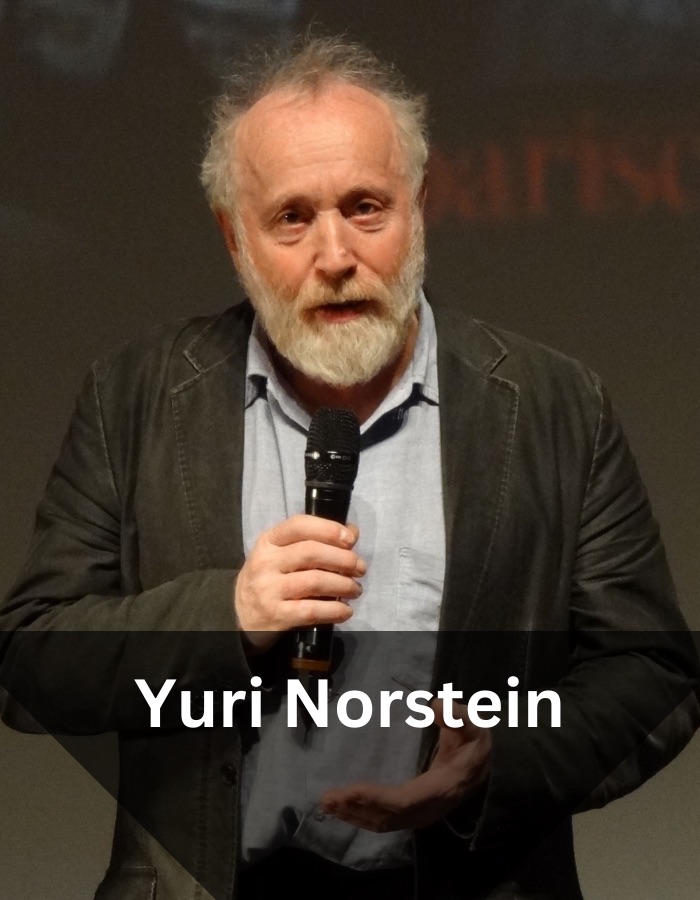
Below are some of the best Russian directors ever. Click on their pictures to discover more about them.






A Brief History of Russian Cinema
The production of newsreels, documentaries, and a few full-length feature films marked the pre-Revolutionary period of Russian cinema. The industry was primarily concentrated in Moscow and St. Petersburg, with filmmakers like Alexander Khanzhonkov and Yevgeni Bauer playing pioneering roles. Bauer, in particular, was known for his innovative use of camera movement and lighting.
The 1920s and 1930s marked a golden era for Russian cinema, characterised by the rise of Soviet montage theory. Directors like Sergei Eisenstein and Dziga Vertov were at the forefront of this movement. Eisenstein’s “Battleship Potemkin” and “October: Ten Days That Shook the World” are hailed as masterpieces for their revolutionary editing techniques and political messaging. Vertov’s “Man with a Movie Camera” showcased a unique documentary style, employing various cinematic techniques to capture the rhythm of everyday life in the Soviet Union. These filmmakers not only contributed to the aesthetics of cinema but also used film as a tool for propaganda under the Communist regime.
Post-World War II, Russian cinema witnessed a period of “Thaw” during the 1950s and 1960s under the leadership of Nikita Khrushchev. This era allowed for more artistic freedom and led to the emergence of directors like Andrei Tarkovsky and Sergei Parajanov. Tarkovsky’s works, including “Andrei Rublev” and “Solaris”, are celebrated for their philosophical depth, visual imagery, and innovative use of time. Parajanov, with his distinctive poetic style, created visually stunning films like “The Color of Pomegranates”, which broke away from conventional narrative structures.
In contemporary times, Russian cinema continues to evolve, blending traditional styles with modern techniques and themes. Directors like Alexander Sokurov and Andrey Zvyagintsev have gained international acclaim. Sokurov’s “Russian Ark”, famously shot in a single, unbroken take, is a remarkable achievement in terms of technical prowess and historical narrative. Zvyagintsev, with films like “Leviathan” and “Loveless”, explores the complexities of modern Russian society, offering a critical view of contemporary life in Russia.
 Bronze Screen Dream