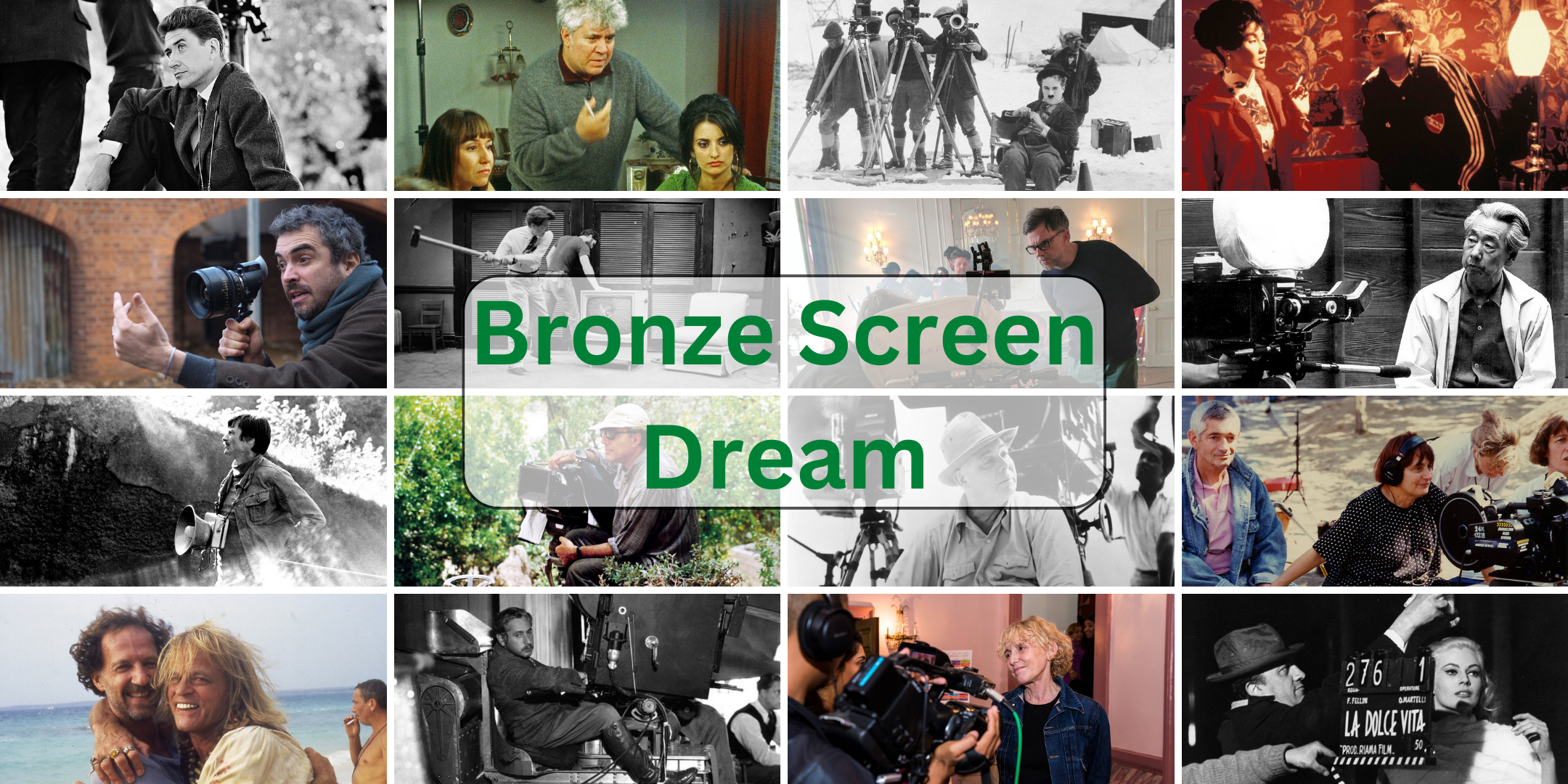
Below are some of the best Indian directors ever. Click on their pictures to discover more about them.
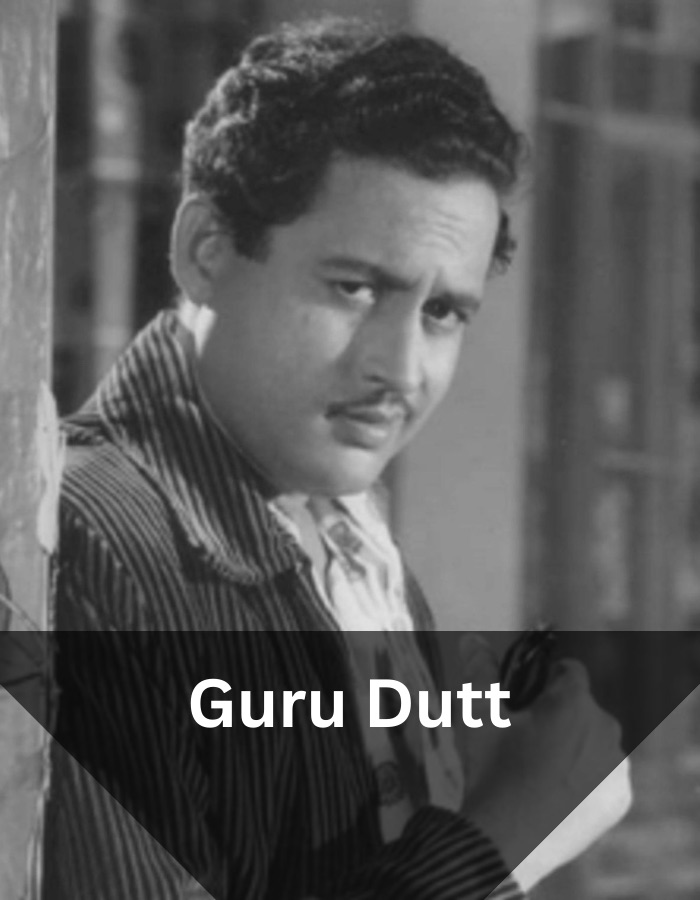


A Brief History of Indian Cinema
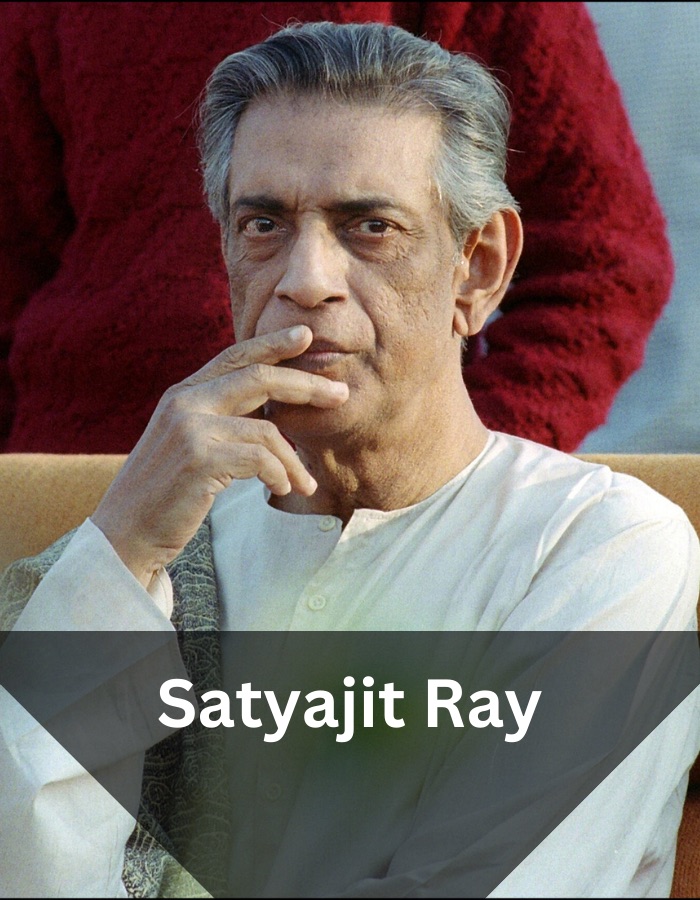
Indian cinema began its odyssey over a century ago with the release of “Raja Harishchandra” in 1913, a silent feature by Dadasaheb Phalke, who is often revered as the father of Indian cinema. This milestone film marked the genesis of a prolific industry that would evolve into one of the world’s largest by output. The silent era gave way to sound with “Alam Ara” in 1931, and the next few decades witnessed the golden age of Indian cinema with the emergence of legendary directors like Satyajit Ray, whose acclaimed Apu Trilogy brought Indian cinema to international prominence, and Raj Kapoor, who created films that resonated with the common man.
Post-independence, India saw the rise of regional cinema with distinctive voices from different parts of the country, including Tamil, Telugu, Bengali, and Malayalam. This period saw auteurs like Ritwik Ghatak and Mrinal Sen challenge the status quo with their socially poignant films. The 1950s and 1960s were marked by the dominance of Bollywood, the Hindi-language film industry based in Mumbai, which produced classics that blended melodrama, music, and dance in a uniquely Indian concoction. The 1970s and 1980s brought about the ‘Parallel Cinema’ movement, led by directors like Shyam Benegal and Adoor Gopalakrishnan, who created films with a more realistic approach to storytelling, often highlighting social issues.
The modern era of Indian cinema has seen the rise of new-wave filmmakers such as Anurag Kashyap and Rajkumar Hirani, who have introduced fresh narratives and techniques while reaching global audiences. It has also seen the rise of independent cinema and internationally recognised directors like Mira Nair and Deepa Mehta.
 Bronze Screen Dream