
Below are some of the best Danish directors ever. Click on their pictures to discover more about them.


A Brief History of Danish Cinema
The roots of Danish film date back to the late 19th century. The first significant Danish film, “The Great Train Robbery”, from 1903, influenced the country’s early cinema. However, it was in the 1910s that Danish cinema truly began to flourish, with the establishment of Nordisk Film in 1906, which is now the world’s oldest continuously operating film production company. During the silent film era, Denmark was known for its high-quality productions and was a significant player in the global film industry. Directors like August Blom and Benjamin Christensen were prominent figures during this period, with Christensen’s “Häxan” remaining a critically acclaimed masterpiece.
Post-World War II, Danish cinema entered a period of decline, struggling with the competition from Hollywood and the advent of television. However, the 1950s and 1960s saw a revival with the emergence of directors like Erik Balling, known for his popular “Olsen-banden” film series. The 1980s marked a significant turn with the rise of a new generation of filmmakers who brought a fresh perspective and energy to Danish cinema. The most notable among these was Lars von Trier, who co-founded the Dogme 95 movement in 1995. This movement, emphasising story, acting, and theme over special effects or technology, had a significant impact on international cinema and brought renewed attention to Danish films.
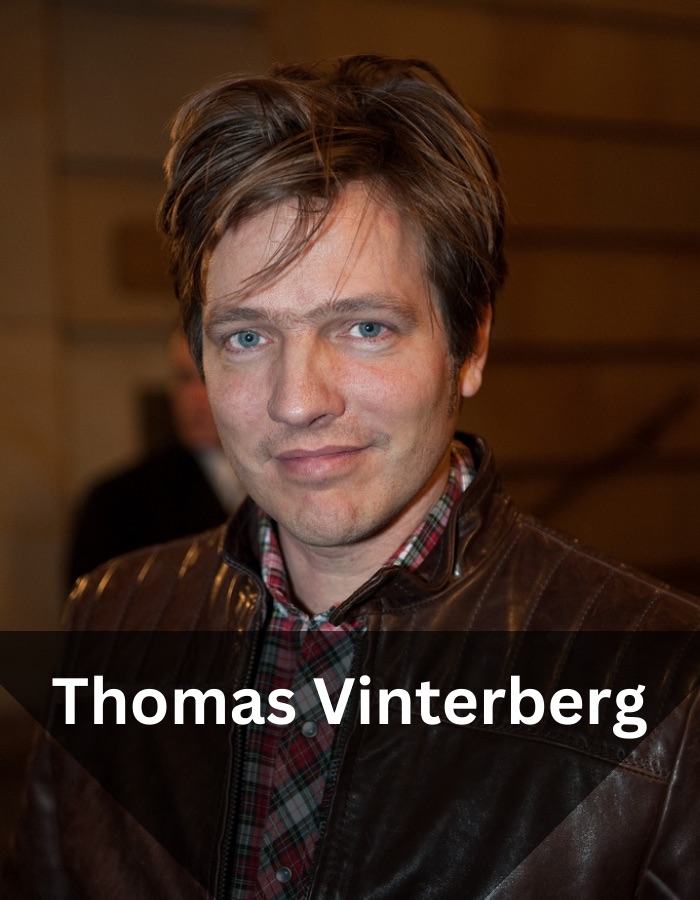
In recent years, Danish cinema has continued to thrive, with directors like Susanne Bier, Nicolas Winding Refn, and Thomas Vinterberg gaining international acclaim. Bier’s film “In a Better World” won the Academy Award for Best Foreign Language Film in 2011. Vinterberg’s “The Hunt” and “Another Round” received widespread critical acclaim, with the latter winning the Academy Award for Best International Feature Film.
 Bronze Screen Dream