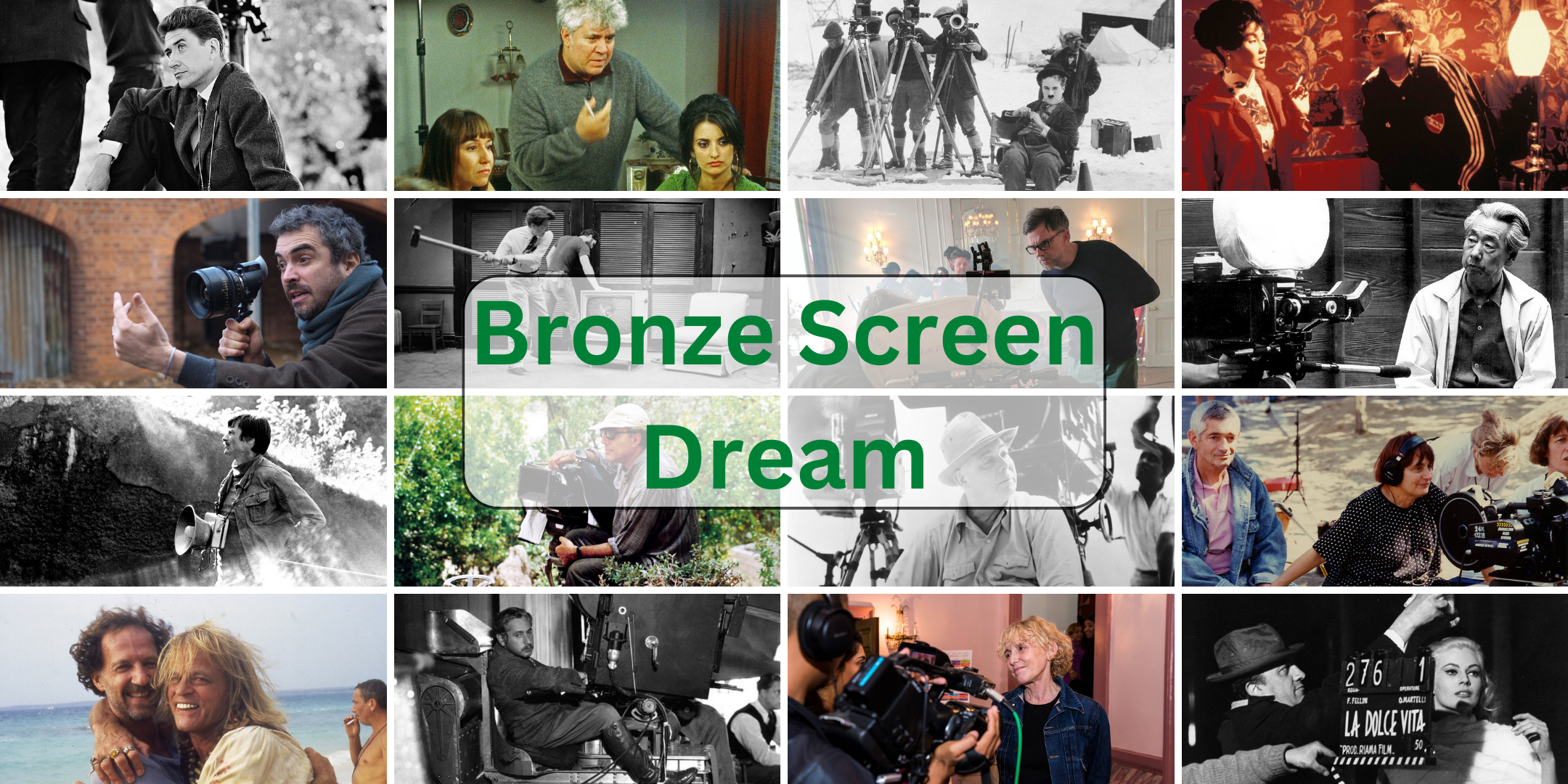
Below are some of the best Australian directors ever. Click on their pictures to discover more about them.







A Brief History of Australian Cinema
The history of cinema in Australia is a rich tapestry that reflects the country’s cultural evolution. Australian cinema, colloquially known as “Oz Cinema,” traces its origins back to the early 20th century, with the production of “The Story of the Kelly Gang” in 1906, often regarded as the world’s first feature-length film. This silent film marked the beginning of a vibrant storytelling tradition that would capture Australia’s unique landscapes and spirit. The silent era saw a flurry of filmmaking activity. Still, the industry faced a significant decline with the advent of sound films due to the dominance of Hollywood productions and the economic hardship of the Great Depression.
Post-World War II, Australian cinema experienced a renaissance known as the Australian New Wave or the “renaissance of Australian cinema” in the 1970s and 1980s. This period saw the emergence of directors like Peter Weir, known for “Picnic at Hanging Rock” and “The Last Wave,” and George Miller, who created the iconic “Mad Max” series. The Australian Film Commission, established in 1975, played a crucial role in funding and nurturing local talent. This era was characterised by a focus on distinctly Australian themes and a move away from the cultural cringe that had previously driven Australian filmmakers to emulate American and British cinema.
In the modern era, Australian cinema has continued to flourish, with directors such as Baz Luhrmann, known for his visually extravagant films like “Moulin Rouge!” and “The Great Gatsby.” The country’s film industry has been adept at both celebrating its own stories and integrating into global cinema, with Australian directors often making the leap to Hollywood.
 Bronze Screen Dream