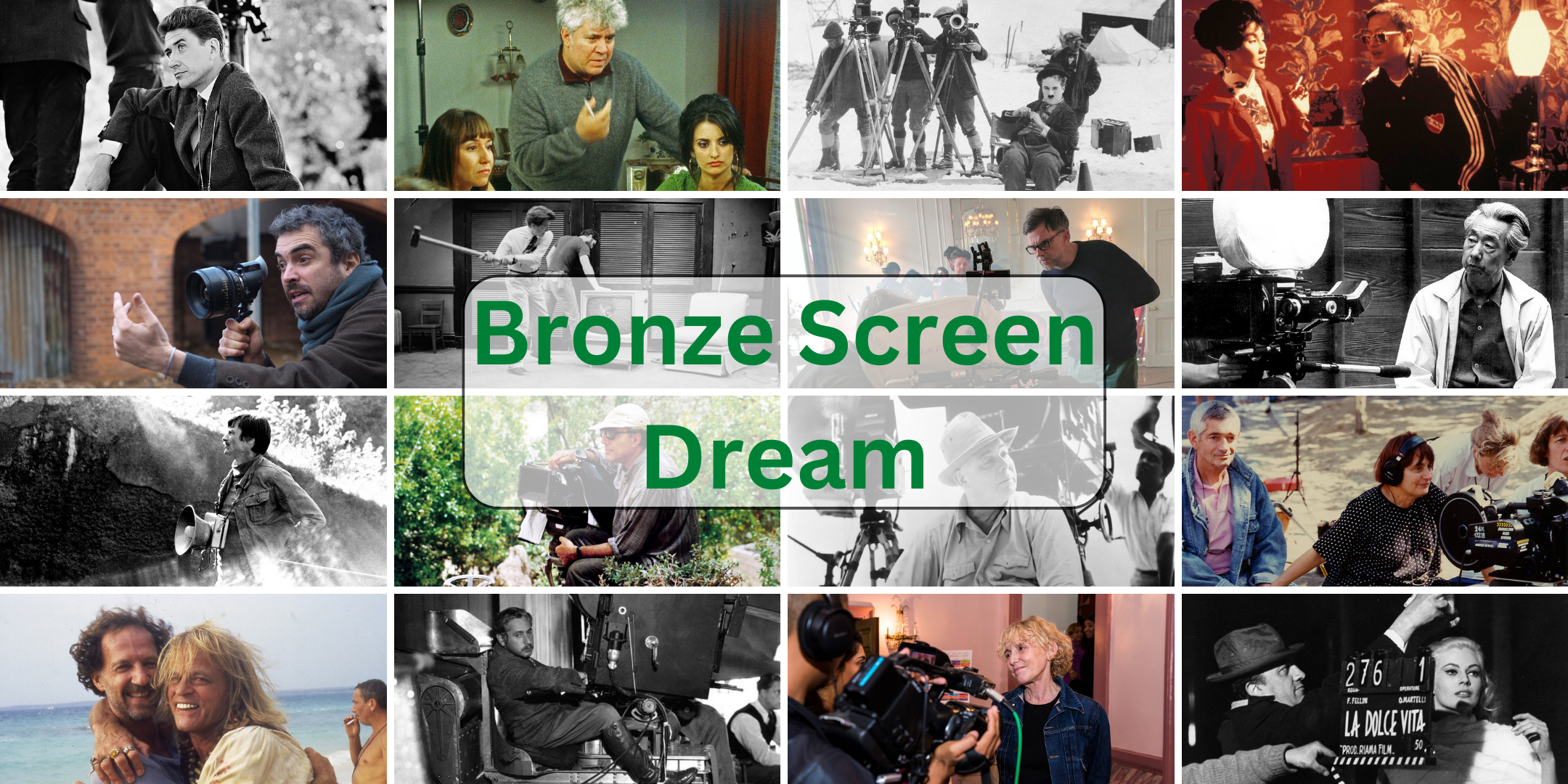
Below are some of the best Argentine directors ever. Click on their pictures to discover more about them.


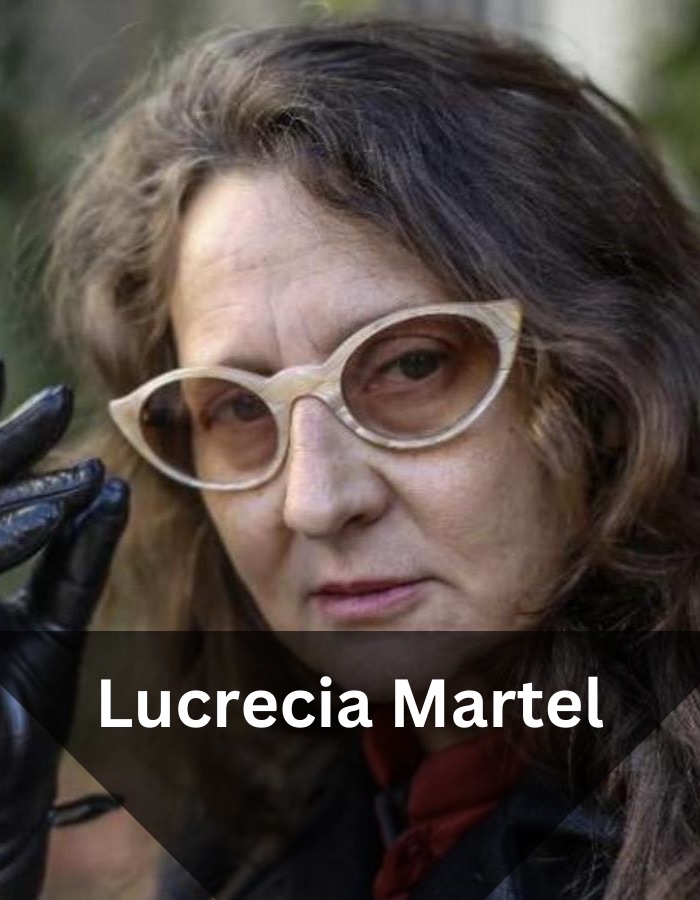
More profiles will be added.
A Brief History of Argentine Cinema
Argentine cinema, one of the most developed in Latin American cinema, has a history of significant state support and a wealth of directors and actors who have contributed to making it a major player in the Spanish-speaking world. The origins of Argentine cinema can be traced back to 1896, when French photographer Eugene Py, working with Henri Lepage and Max Glücksmann, introduced the Lumière Cinématographe in Buenos Aires. The early years saw the production of news shorts and documentaries, with pioneering figures like Eugenio A. Cardini and Mario Gallo exploring the new medium.
Throughout the 20th century, Argentine cinema continued to evolve, with the national history and literature providing rich themes. The success of films such as “Nobleza Gaucha” and “El Apóstol”, the latter being the first animated feature film in world cinema, cemented its reputation. The industry has garnered international acclaim, winning eighteen Goya Awards for Best Spanish Language Foreign Film and being the first Latin American country to win Academy Awards, with “The Official Story” and “The Secret in Their Eyes”.
The progression into the modern era has seen Argentine directors like Lucrecia Martel, whose films “La Ciénaga” and “The Headless Woman” have been critically acclaimed, and Pablo Trapero, known for his social realist approach in films like “El Bonaerense” and “Carancho”. The industry continues to thrive, producing films that are both locally resonant and internationally relevant, showcasing the enduring spirit and innovation of Argentine cinema.
 Bronze Screen Dream