
Barry Jenkins, an American film director, is celebrated for his deeply sensitive and nuanced portrayals of African-American life. Best known for his cinematic masterpieces like Moonlight and If Beale Street Could Talk, Jenkins’ work shines a light on themes of identity, sexuality, and societal issues, presenting them through a lens of extraordinary emotional depth and complexity. His ability to blend profound narratives with striking visual poetry sets him apart, making his films not just compelling stories but immersive, experiential journeys.
Before finding acclaim in filmmaking, Jenkins studied film at Florida State University, which helped lay the groundwork for his cinematic style. His experiences here and his roots in Miami, a city rife with cultural diversity and dichotomies, influenced his filmmaking sensibilities. His use of non-linear storytelling, which he employs to enhance the emotional depth of his characters and narratives, is a distinctive narrative strategy. This can be seen in Moonlight, where the life of the protagonist, Chiron, unfolds through fragmented memories across different periods, each revealing new layers of his identity.
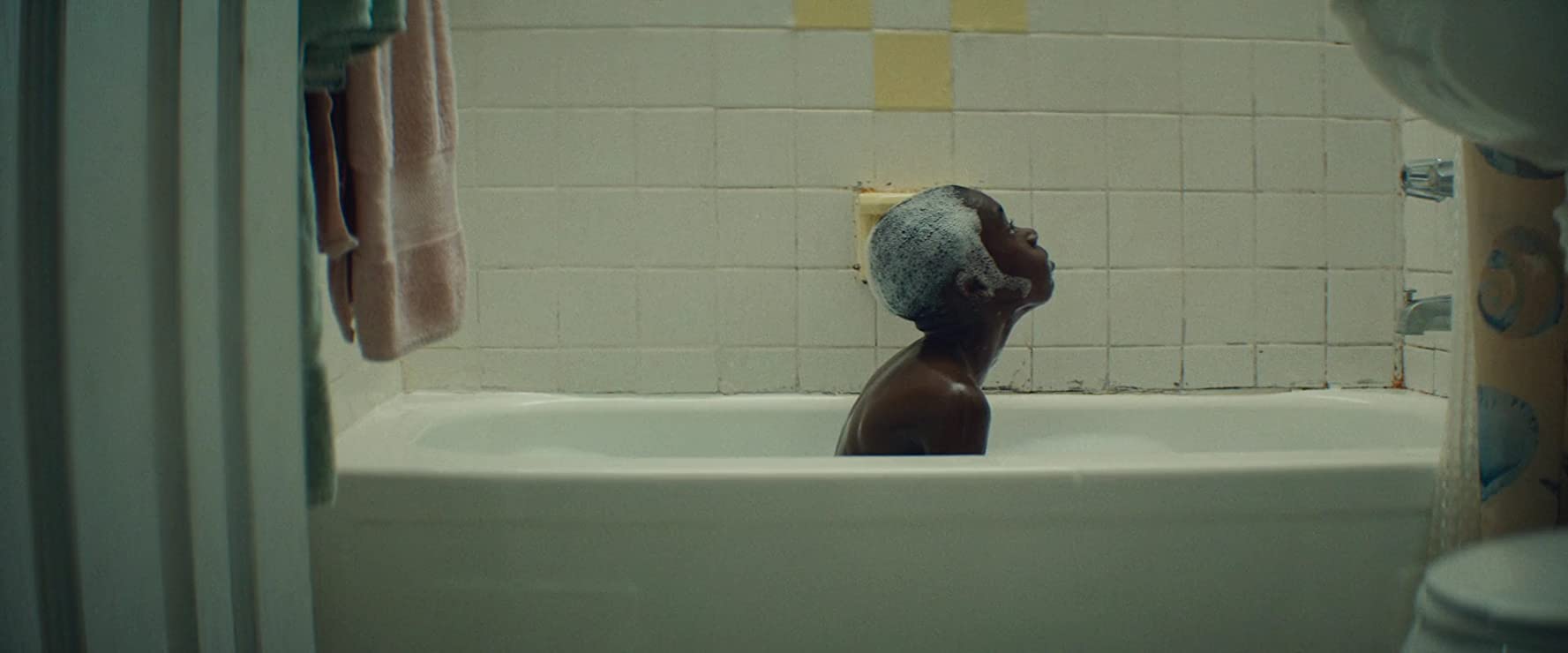
Jenkins’ filmmaking is characterised by an arresting visual aesthetic, often leaning towards what can best be described as visual poetry. His mastery over the elements of colour, light, and shadow breathes life into his narratives, creating striking frames that tell stories beyond the dialogues. This can be seen in If Beale Street Could Talk, where rich, saturated colours set the mood and serve as a commentary on the characters’ emotional states. Another distinctive feature of his style is his intimate camera work. By utilising techniques such as close-ups and handheld camera shots, he creates a sense of immediacy and intimacy, enabling audiences to connect closely with the characters and their experiences. Additionally, his films’ meticulously curated soundtracks, like Nicholas Britell’s memorable score in Moonlight, amplify the emotional resonance of his stories.
Barry Jenkins has left a serious mark on contemporary cinema with his unique storytelling approach and evocative visual style. Jenkins’ impact on film history is undeniable, influencing a new generation of filmmakers to approach storytelling with sensitivity, aesthetic prowess, and an unwavering commitment to authenticity. Through his work, Jenkins continues to provide a platform for underrepresented voices and narratives, enriching the cinematic landscape with his deeply empathetic and humanistic storytelling.

Barry Jenkins (1979 – -)
Calculated Films:
- Moonlight (2016)
- If Beale Street Could Talk (2018)
Similar Filmmakers
- Alfonso Cuaron
- Ava DuVernay
- Charles Burnett
- Claire Denis
- David Gordon Green
- David Lowery
- Dee Rees
- Hou Hsiao-hsien
- Jeff Nichols
- Julie Dash
- Luca Guadagnino
- Ryan Coogler
- Sofia Coppola
- Spike Lee
- Steve McQueen
- Terence Davies
- Trey Edward Shults
- Wong Kar-wai

Barry Jenkins’ Top Films Ranked
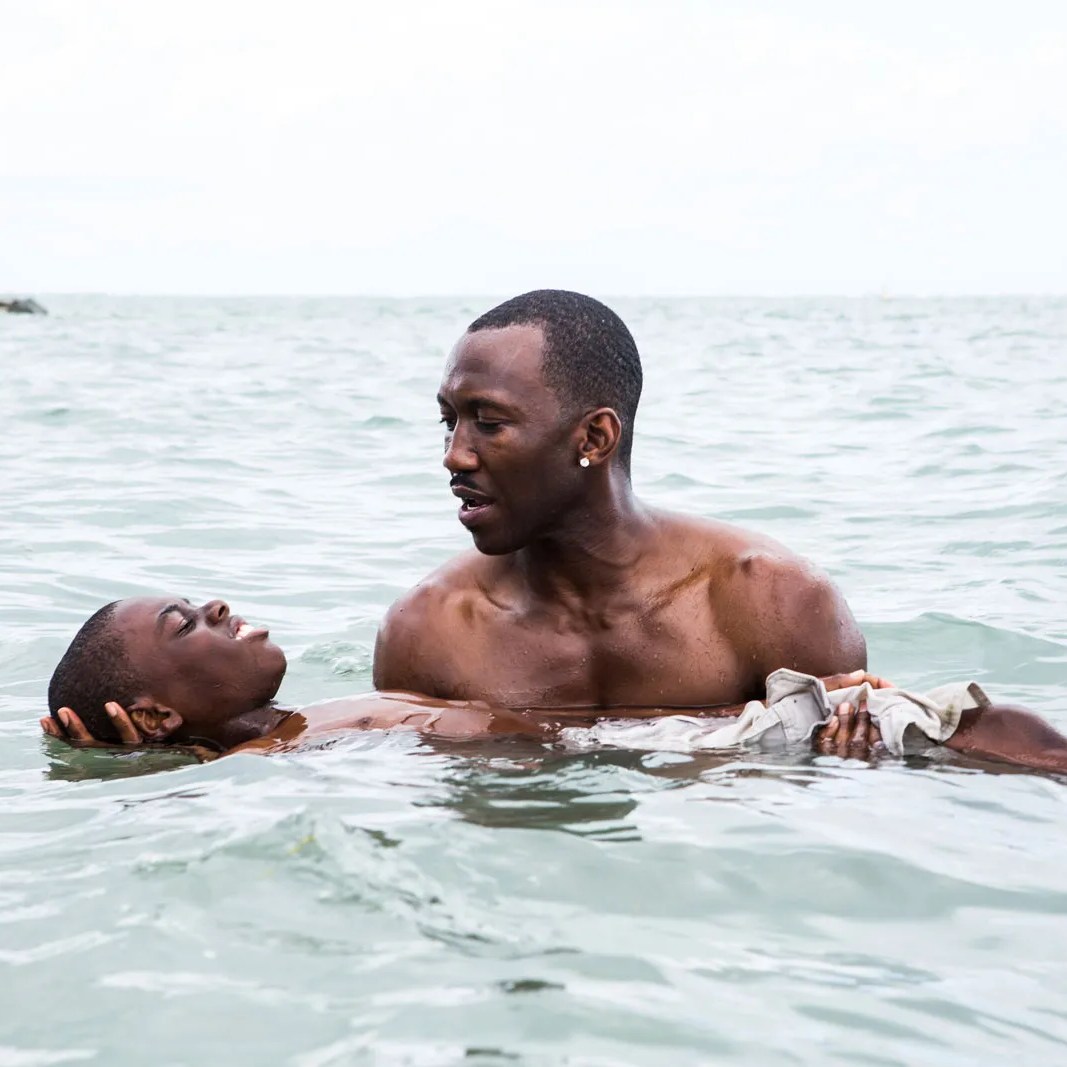
1. Moonlight (2016)
Genre: Coming-of-Age, Drama, LGBTQ

2. If Beale Street Could Talk (2018)
Genre: Romance, Drama

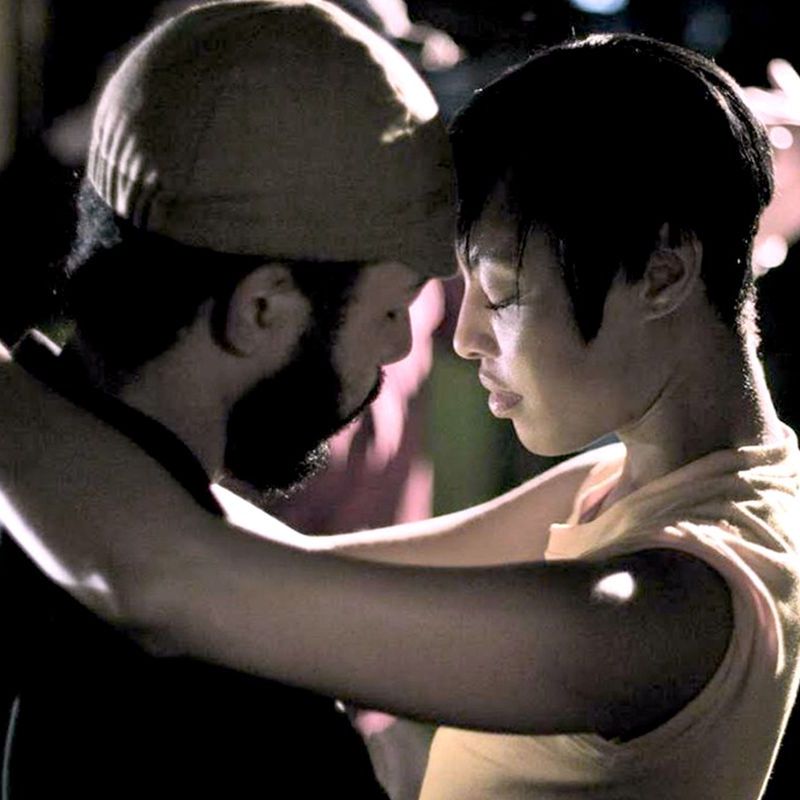
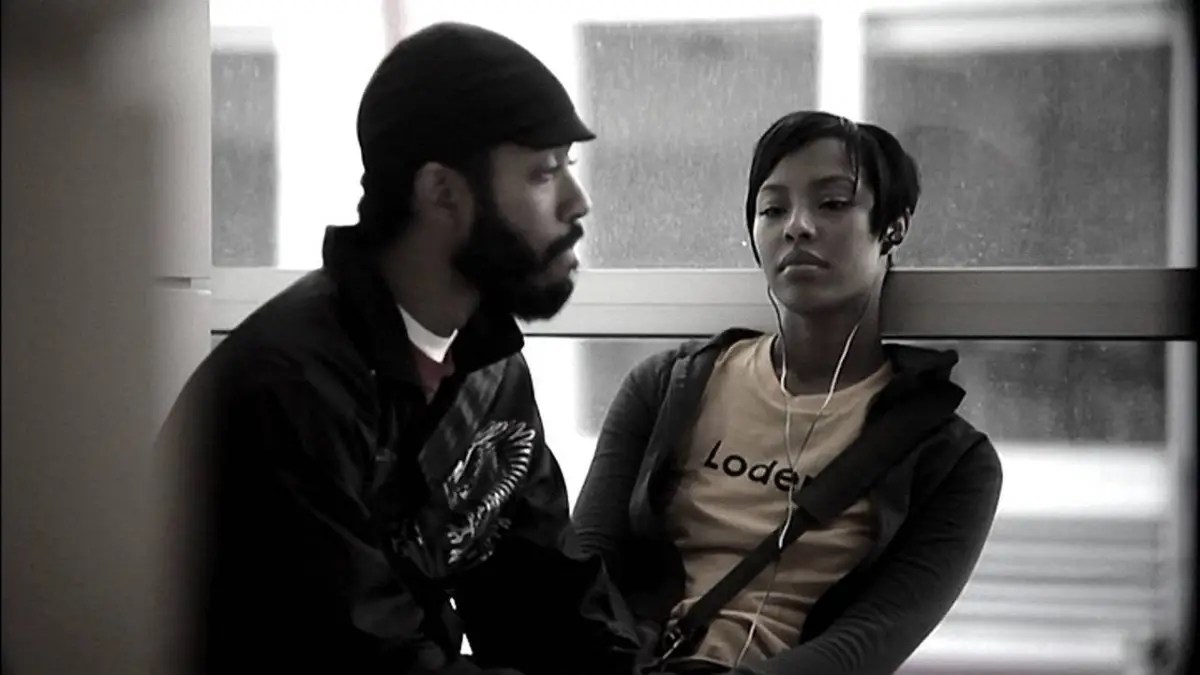
3. Medicine for Melancholy (2008)
Genre: Mumblecore, Romance

Barry Jenkins: Themes and Style
Themes:
- Identity and Self-Discovery: Jenkins often explores the themes of identity and self-discovery, focusing on the characters’ internal struggles and growth. His characters grapple with their sense of self, often influenced by their social environment and personal experiences.
- Race and Marginalization: As a prominent African-American director, Jenkins brings attention to the experience of Black individuals, emphasising racial dynamics, systemic prejudices, and the intricacies of navigating through a world that often marginalises them.
- Sexuality and Love: His films often address themes of sexuality and love, with particular focus on the experiences of LGBTQ+ individuals. Jenkins delicately navigates these themes, portraying the emotional complexity and challenges faced by his characters in their romantic and sexual lives.
- Social Realism: He delves into the socioeconomic conditions impacting his characters, highlighting the struggles, aspirations, and resilience of individuals within marginalised communities.
Styles:
- Visual Poetry: Jenkins utilises a poetic visual language that speaks through expressive cinematography. His use of colour, lighting, and composition creates a rich visual tapestry that reflects the emotional depth and nuance of his narratives.
- Intimate Close-Ups: He is known for employing close-ups that capture the subtleties of his characters’ expressions and emotions, creating a sense of intimacy and connection with the audience.
- Silence and Non-Verbal Communication: Jenkins often uses silence effectively, allowing non-verbal cues, expressions, and the environment to communicate the unspoken dimensions of the characters’ experiences and emotions.
- Music and Soundtrack: He meticulously selects and incorporates music to enhance the atmosphere and emotional resonance of scenes, often using soundtracks that embody the cultural and emotional landscapes of his films.
Directorial Signature:
- Emotional Depth and Sensitivity: One of Jenkins’ defining characteristics is his ability to convey deep emotional sensitivity and vulnerability through his characters and storytelling. His films are emotionally charged yet subtle, providing audiences with a profound, empathetic viewing experience.
- Cinematic Beauty: He crafts films with a distinct visual beauty and elegance, where each frame can be appreciated as a piece of art. Jenkins’ attention to detail in visual storytelling creates a captivating aesthetic that serves the narrative while enchanting viewers.
Barry Jenkins – The 202nd Great Director


 Bronze Screen Dream