
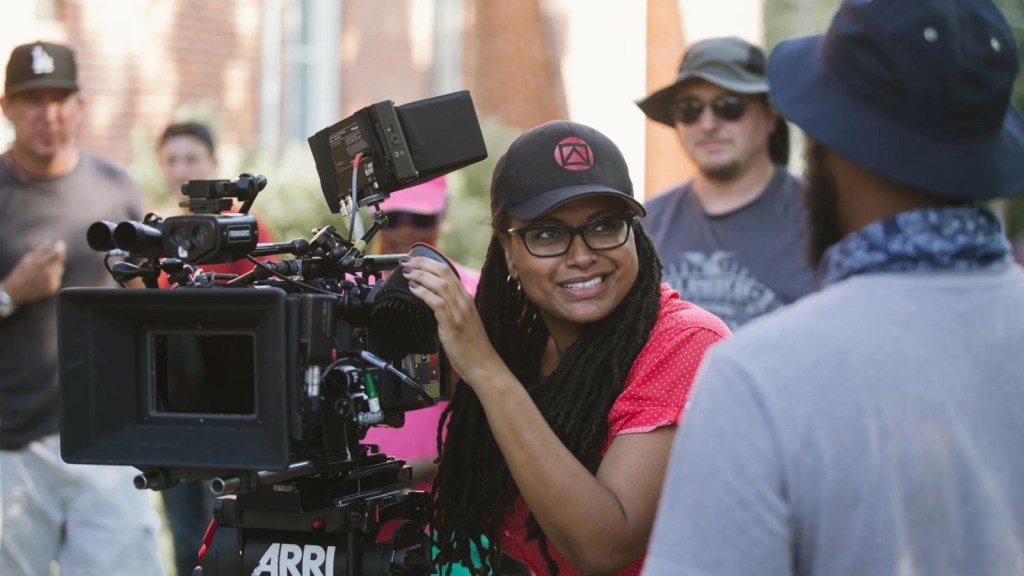
Ava DuVernay is an acclaimed American filmmaker, producer, and distributor known for her thought-provoking and socially conscious works. She has garnered recognition for her powerful storytelling, which often sheds light on issues of race, justice, and inequality. DuVernay’s films have earned critical praise and numerous accolades, cementing her status as one of the most influential directors of her generation.
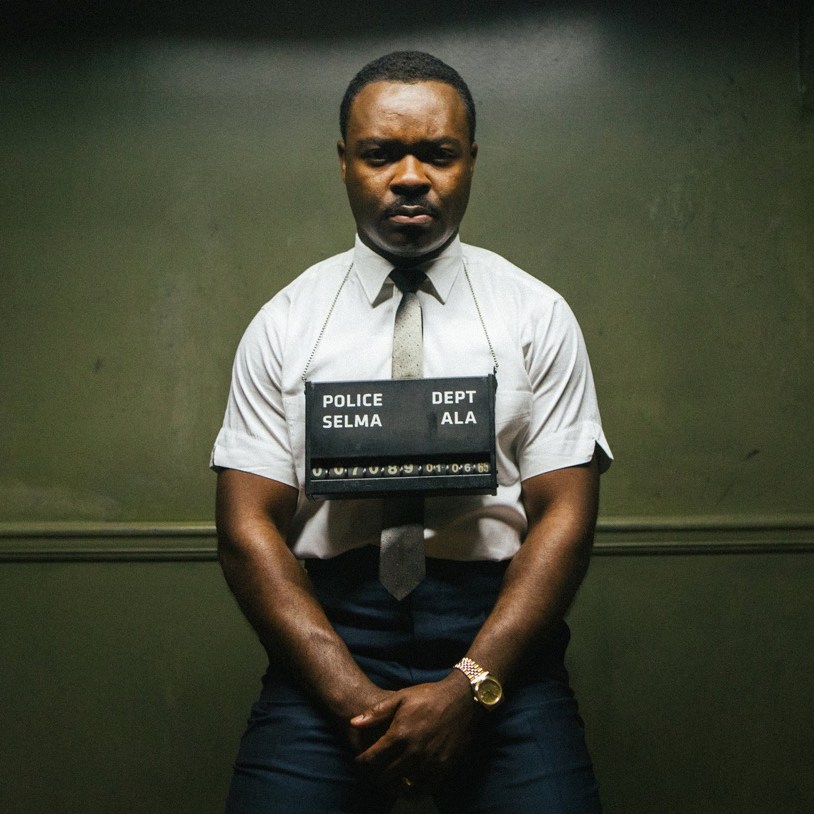
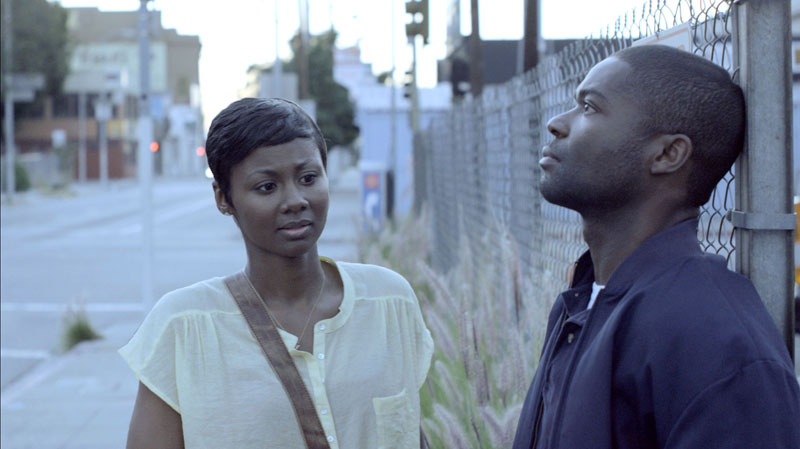
DuVernay began her career as a publicist and transitioned into filmmaking with her debut feature, I Will Follow, in 2010. Her breakthrough came with the 2012 film Middle of Nowhere, which won the Best Director Prize at the Sundance Film Festival, making her the first African-American woman to receive the honour. In 2014, DuVernay directed Selma, a historical drama depicting the 1965 Selma to Montgomery voting rights marches led by Dr. Martin Luther King Jr. The film earned widespread acclaim and numerous nominations, including an Academy Award nomination for Best Picture.
DuVernay’s works often explore themes of racial injustice, systemic oppression, and the resilience of the human spirit. Her documentary 13th delves into the connection between the U.S. prison system and racial inequality, tracing the history of mass incarceration back to the Thirteenth Amendment. In her miniseries When They See Us, DuVernay tells the true story of the Central Park Five, highlighting the injustices faced by five young men of colour wrongfully convicted of a crime they did not commit. These works exemplify DuVernay’s commitment to using her platform to raise awareness about pressing social issues and amplify the voices of the marginalised.
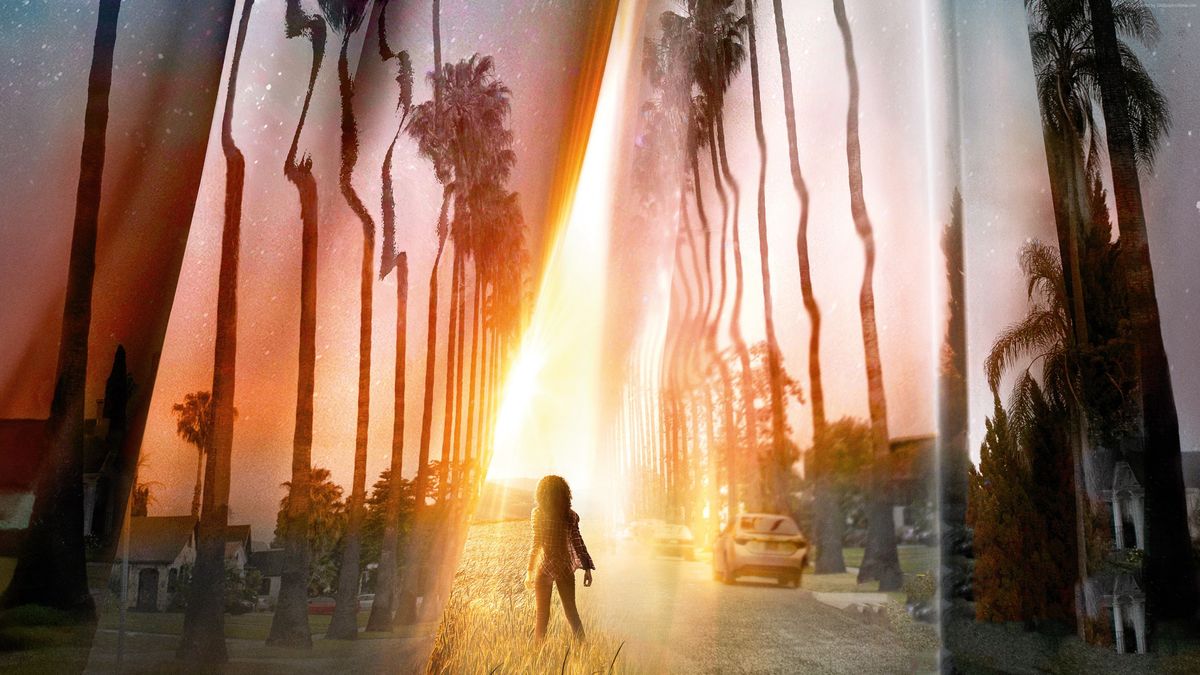
Known for her distinctive visual style and innovative approach to storytelling, DuVernay often employs a mix of traditional narrative techniques and unconventional elements in her films. In A Wrinkle in Time, she became the first African-American woman to direct a live-action movie with a budget exceeding $100 million, showcasing her ability to bring imaginative and visually stunning worlds to life on the big screen. DuVernay’s work also extends beyond filmmaking, as she actively supports and promotes diversity in the entertainment industry through her company, Array Now, which focuses on distributing films by people of colour and women filmmakers.
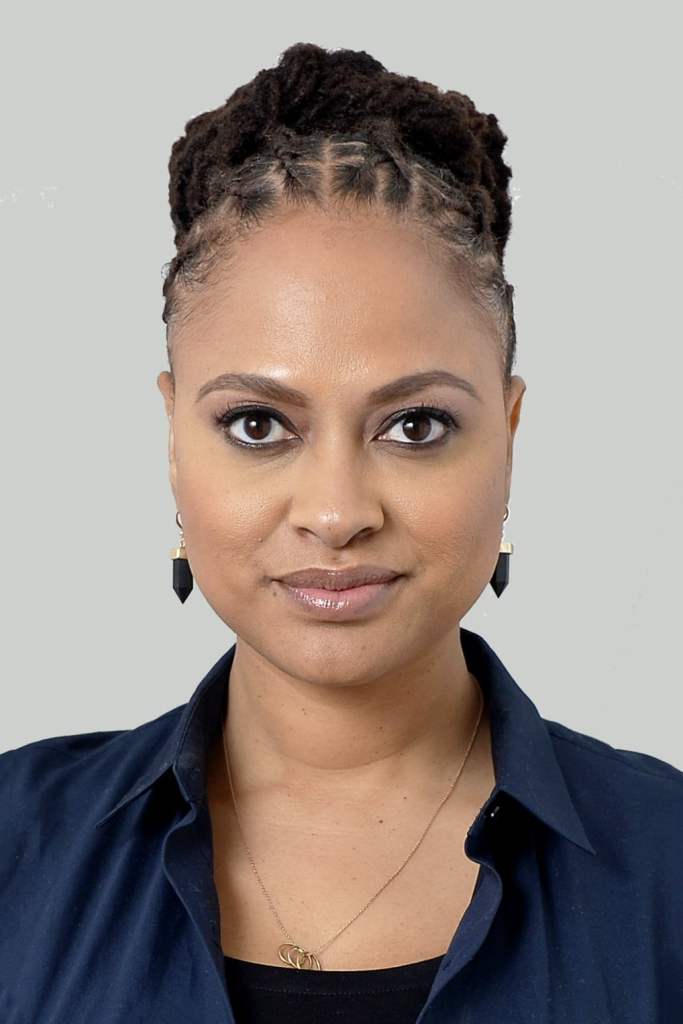
Ava DuVernay (1972 –)
Calculated Films:
- Selma (2014)
- 13th (2016)
Similar Filmmakers
- Amma Asante
- Barry Jenkins
- Charles Burnett
- Cheryl Dunye
- Dee Rees
- Euzhan Palcy
- Gina Prince-Bythewood
- Julie Dash
- Kasi Lemmons
- Kathryn Bigelow
- Nia DaCosta
- Raoul Peck
- Reinaldo Marcus Green
- Rungano Nyoni
- Ryan Coogler
- Shaka King
- Spike Lee
- Steve McQueen
Ava DuVernay’s Top 5 Films Ranked
1. 13th (2016)
Genre: Political Documentary, Legal Documentary

2. Selma (2014)
Genre: Biographical, Political Drama, Period Drama

3. Origin (2023)
Genre: Drama, Biographical

4. Middle of Nowhere (2012)
Genre: Drama
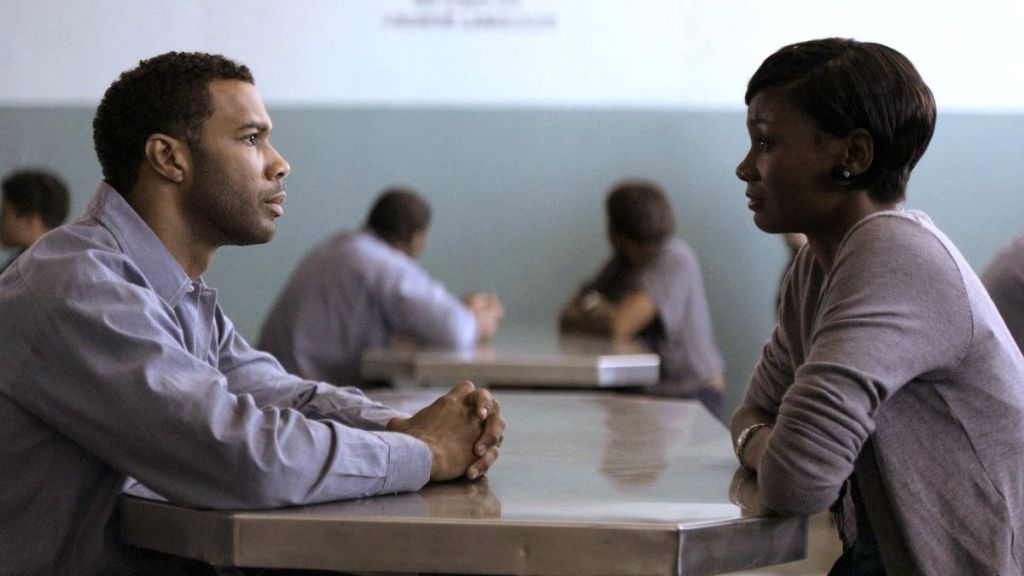
5. This Is the Life (2008)
Genre: Music Documentary

Ava DuVernay: Themes and Style
Themes:
- Social Justice and Race: Ava DuVernay often explores themes of social justice and race in her work, drawing attention to systemic issues and the African American experience. In Selma, she portrays the 1965 Selma to Montgomery voting rights marches, highlighting the struggle and resilience of those fighting for civil rights.
- Gender and Identity: DuVernay delves into complex issues of gender and identity, examining women’s roles and expectations in society. Her documentary 13th scrutinises the intersectionality of race, justice, and mass incarceration, revealing how these systems disproportionately affect people of colour.
- Historical Narratives: She has a penchant for revisiting and retelling historical events from a new perspective, often focusing on untold stories of African American history.
- Personal and Collective Resilience: DuVernay consistently showcases themes of resilience, both on a personal and collective level, emphasising the strength found in communities and individuals in the face of adversity.
Styles:
- Rich Visual Storytelling: DuVernay employs rich visual storytelling, using striking imagery and thoughtful composition to convey deeper themes and emotions. In When They See Us, the use of close-ups and nuanced lighting intimately connects viewers to the characters’ experiences.
- Documentary Realism: Even in her narrative films, DuVernay incorporates elements of documentary realism, grounding fantastical or historical stories in authenticity and immediacy.
- Emotive Character Development: She prioritises deep, emotive character development, allowing audiences to connect with characters on a personal level. In Middle of Nowhere, the nuanced portrayal of the protagonist’s emotional journey invites viewers into a deeply personal narrative.
- Innovative Narration: DuVernay often experiments with narrative structure, using non-linear storytelling, voiceovers, and other creative techniques to weave complex narratives. 13th masterfully combines historical footage, expert interviews, and stylised graphics to create a compelling narrative about the American prison system.
Directorial Signature:
- Empathetic Lens: DuVernay’s directorial signature is characterized by an empathetic lens through which she views her subjects. She invites the audience to deeply empathize with characters and their situations, often focusing on marginalized voices.
- Collaborative Soundtracks: She frequently collaborates with composers to create poignant, impactful soundtracks that enhance her films’ emotional depth and thematic resonance. Jason Moran’s soulful and stirring score in Selma underscores the film’s dramatic moments and historical significance.
- Cinematic Activism: DuVernay’s work often serves as a form of cinematic activism. Her films spark conversation, educate audiences, and advocate for social change. 13th is a prime example, as it not only explores the history of racial inequality in the United States but also engages viewers in a broader dialogue about reform.
- Inclusive Casting: A hallmark of DuVernay’s directorial style is her commitment to inclusive casting, which ensures diverse representation on screen. This is evident across her body of work, from the historical figures in Selma to the fantastical characters in A Wrinkle in Time, which showcase a wide range of talents and perspectives.
Ava DuVernay – Great Director

 Bronze Screen Dream