
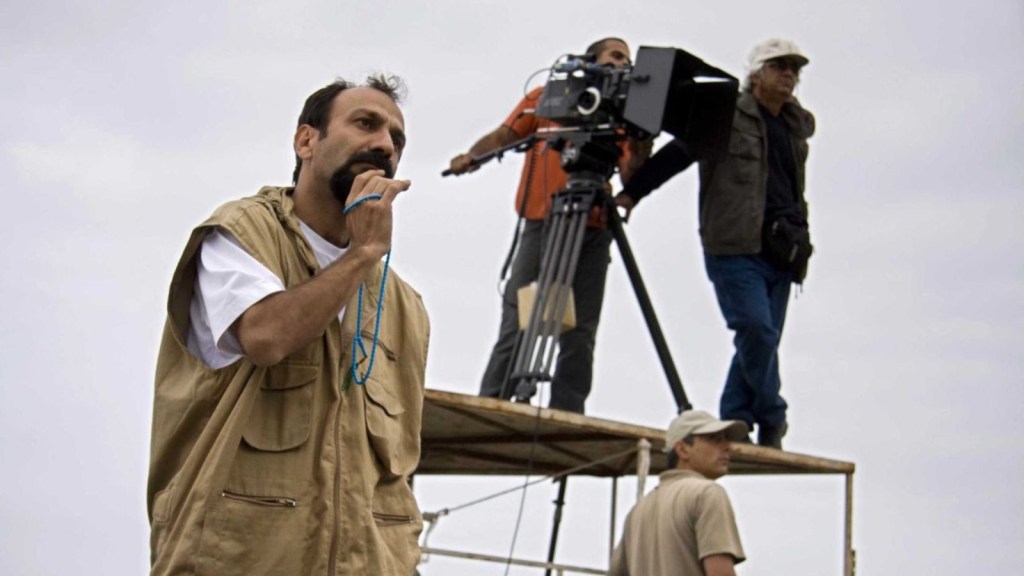
Asghar Farhadi is an acclaimed Iranian director renowned for his profound and emotional dramas, offering a deep exploration of human complexities and moral ambiguities. His notable works include A Separation and The Salesman, both of which won the Academy Award for Best Foreign Language Film.
Farhadi, who began his career as a playwright, made a natural transition to cinema. He graduated from the University of Tehran and later from the Tarbiat Modares University with a Master’s in stage directing. His early experiences in theatre significantly influenced his approach to filmmaking, as evidenced by the in-depth character studies and social narratives that have become a trademark of his work.
Regarding recurring themes and subjects, Farhadi’s films often explore the intricacies of family life and interpersonal relationships set against the backdrop of Iranian society. He cleverly constructs narratives that unravel through misunderstandings, moral dilemmas, and secrets, highlighting the complexities of human interactions. For instance, A Separation is a brilliant examination of a failing marriage, where an escalating series of events lead to a tragic conclusion.
Crossroads of Conflict: The Emotional Dramas of Asghar Farhadi
Farhadi’s visual style is characterised by its realistic, almost documentary-like aesthetics. He largely avoids stylised cinematography, favouring a more naturalistic approach that aligns with his narratives’ emotional intensity. Additionally, he is well-known for his intricate plotting and suspenseful storytelling. This, combined with his inclination for open-ended conclusions, as seen in About Elly, creates a unique blend of drama and mystery.
Farhadi’s influence extends beyond Iran to a global stage, inspiring filmmakers worldwide. His unique blend of social realism, human drama, and moral complexity has significantly shaped modern cinema. The universal appeal of his themes, combined with his masterful storytelling, has garnered widespread critical acclaim and redefined what Iranian cinema means to a global audience. Despite the censorship constraints in Iran, Farhadi’s works have been celebrated for their subtle socio-political commentary, making him a prominent figure in contemporary cinema.
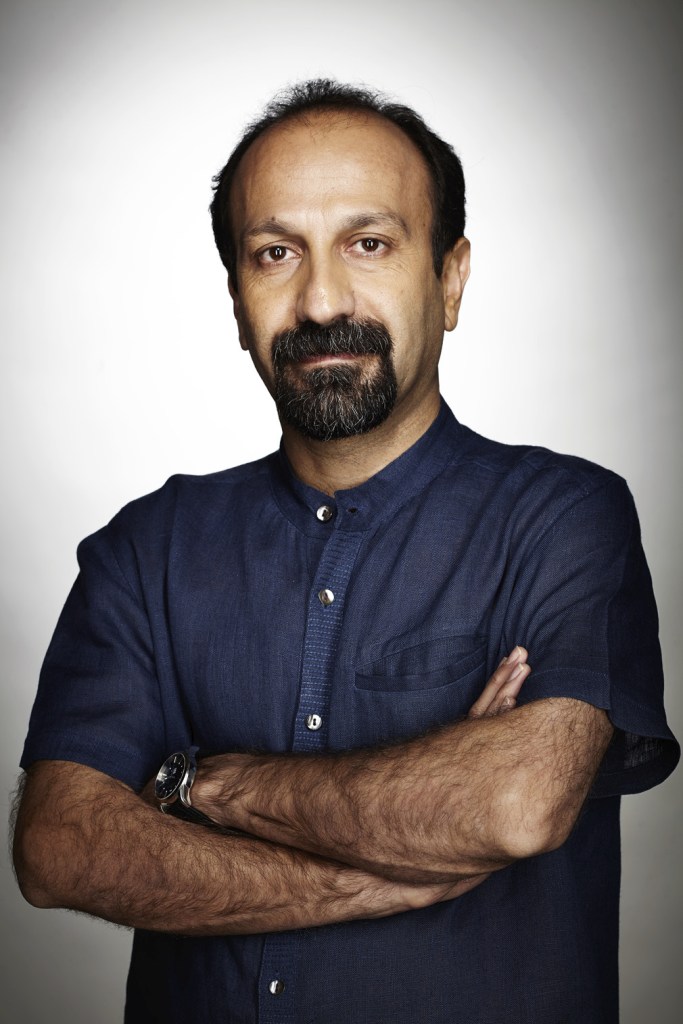
Asghar Farhadi (1972 –)
Calculated Films:
- Fireworks Wednesday (2006)
- About Elly (2009)
- A Separation (2011)
- The Past (2013)
- The Salesman (2016)
Similar Filmmakers
- Abbas Kiarostami
- Andrey Zvyagintsev
- Bahman Ghobadi
- Cristian Mungiu
- Dardenne Brothers
- Elia Suleiman
- Nuri Bilge Ceylan
- Rakhshan Banietemad
- Reza Mirkarimi
- Thomas Vinterberg
- Todd Field



Asghar Farhadi’s Films Ranked
1. A Separation (2011)
Genre: Legal Drama, Family Drama
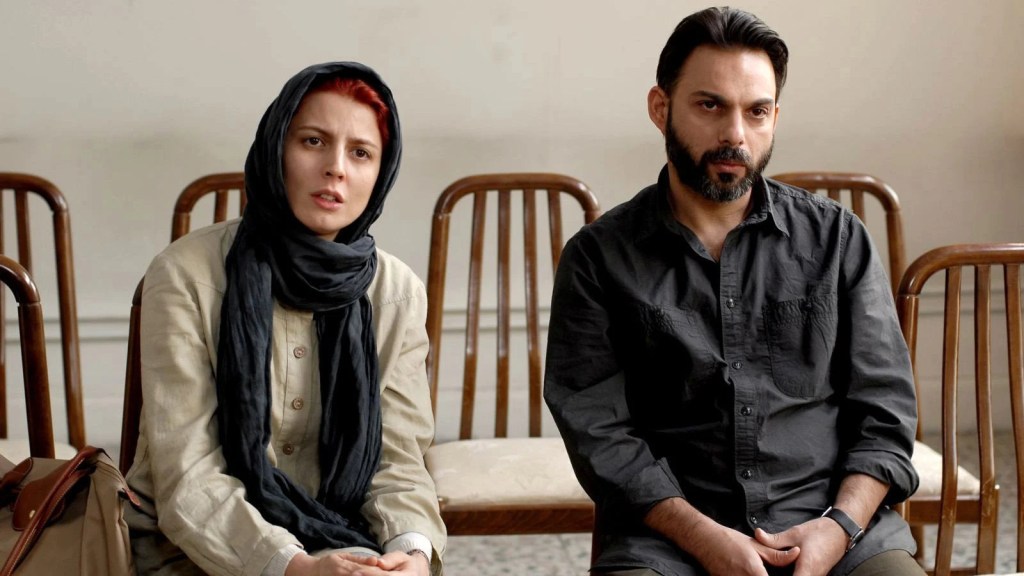
2. About Elly (2009)
Genre: Mystery, Drama

3. The Salesman (2016)
Genre: Drama

4. The Past (2013)
Genre: Drama, Family Drama

5. Fireworks Wednesday (2006)
Genre: Drama

6. A Hero (2021)
Genre: Legal Drama

7. Beautiful City (2004)
Genre: Drama

8. Everybody Knows (2018)
Genre: Drama

9. Dancing in the Dust (2003)
Genre: Drama

Asghar Farhadi: Themes and Style
Themes:
- Moral Ambiguity: Farhadi often explores the grey areas of morality. His characters face complex decisions where right and wrong aren’t clear-cut.
- Family and Relationships: Many of his films, like A Separation and The Salesman, focus on familial ties and the intricate dynamics within.
- Societal Pressures: Farhadi delves into how societal expectations and norms influence individual actions, especially in the context of Iranian society.
- Secrets and Revelations: His plots frequently revolve around secrets that, when revealed, drastically affect the characters and their relationships.
- Class Differences: Farhadi subtly exposes the class divides and how they impact interpersonal relationships, as seen in About Elly and A Separation.
Styles:
- Realism: Farhadi’s films are deeply rooted in authenticity. They showcase everyday situations and issues, making them relatable and authentic.
- Narrative Complexity: His stories often unravel in non-linear manners, requiring viewers to piece together the narrative and its nuances.
- Intimate Cinematography: The camera work in Farhadi’s films is often close and personal, creating a sense of immediacy and connecting viewers directly with the characters’ emotions.
- Minimalist Soundtracks: Rather than relying on music to convey emotions, Farhadi often lets the narrative and the actors’ performances take centre stage.
- Theatrical Elements: Given his background in theatre, Farhadi incorporates dramatic elements and character-driven plots reminiscent of stage plays.
Directorial Signature:
- Ensemble Casts: Farhadi often works with ensemble casts, highlighting how individual stories and lives intersect and influence one another.
- Objective Neutrality: Unlike many directors who guide viewers to form specific opinions, Farhadi remains neutral, allowing the audience to draw their own conclusions about characters and situations.
- Social Commentary: Without being overtly political, Farhadi’s films often comment on societal issues, making them relevant beyond their immediate context.
- Natural Performances: Farhadi has a knack for extracting deeply authentic performances from his actors, making characters come to life in a way that feels genuine and unscripted.
Asghar Farhadi: The 158th Greatest Director


 Bronze Screen Dream