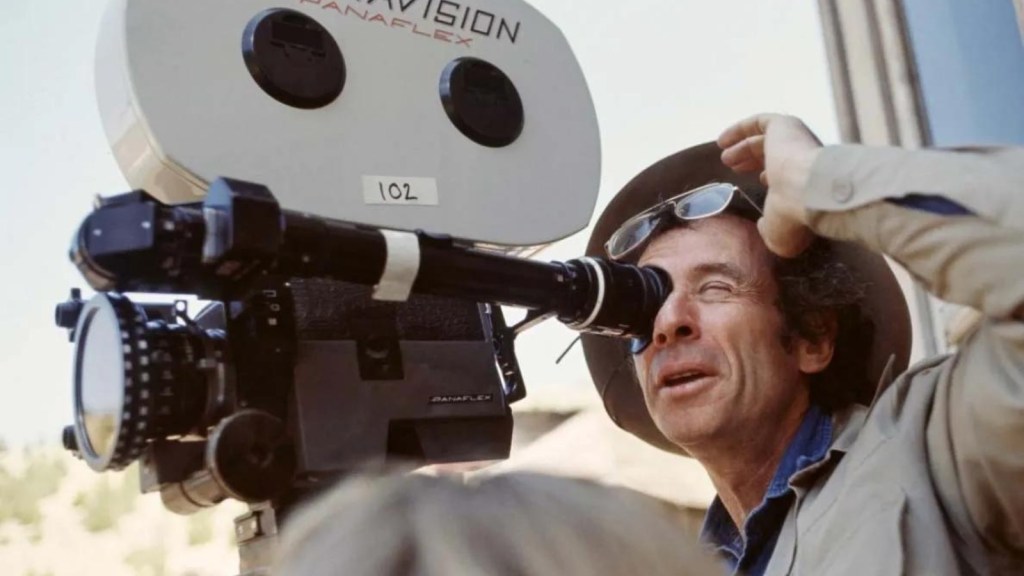
Arthur Penn was an American filmmaker celebrated for his unique contributions to the New Hollywood era of American cinema. Best known for his groundbreaking film Bonnie and Clyde, Penn’s work was renowned for its innovative storytelling techniques, challenging traditional narratives and revolutionising Hollywood’s approach to violence and sexuality.
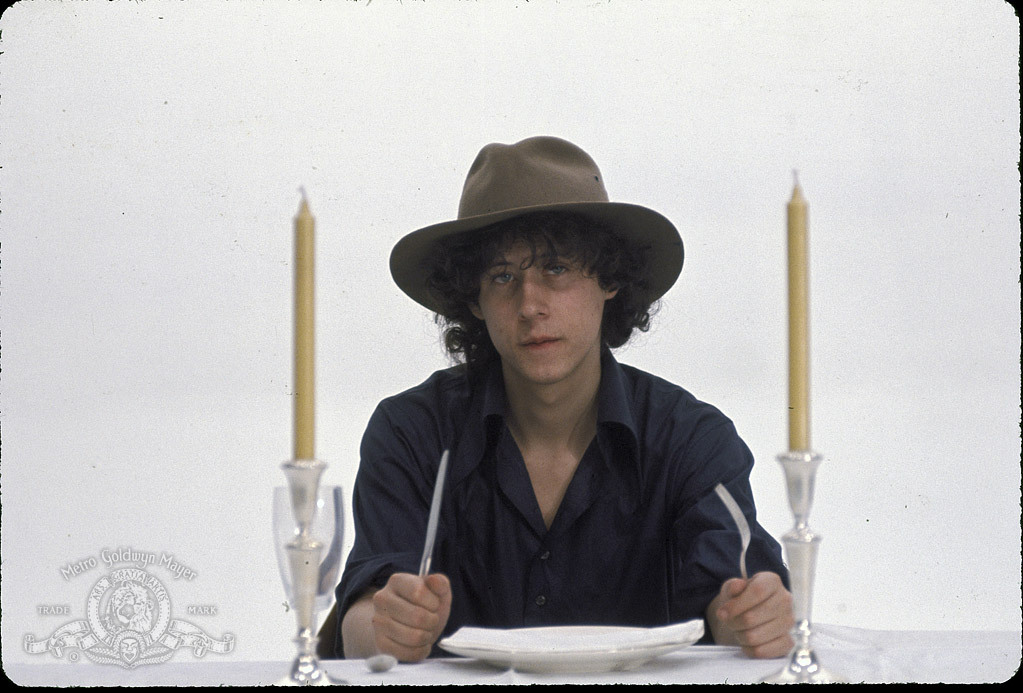
Coming from a background in television and theatre, Penn’s transition to film was a natural progression, further shaping his distinctive filmmaking style. His narratives often revolved around anti-establishment themes and the pursuit of freedom, epitomised in films such as The Left Handed Gun and Little Big Man. He also frequently explored the tensions and disillusions of the American Dream, as seen in Bonnie and Clyde, and Alice’s Restaurant.
Penn’s films were characterised by an exploration of character psychology and a relentless pursuit of authenticity. This was particularly evident in The Miracle Worker, where he demonstrated his ability to depict complex, nuanced characters and raw human emotion. Penn’s work frequently examined the human condition and the many ways that society can lead individuals astray.
In terms of visual style, Penn made remarkable use of montage and editing, exemplified in Bonnie and Clyde‘s climactic sequence. The innovative and brutal editing style, juxtaposed with a near-glamorised portrayal of the outlaw couple, challenged traditional Hollywood portrayals of violence, making it a seminal film in the New Hollywood movement.
Arthur Penn’s influence on the world of cinema has been significant. He was instrumental in shaping the New Hollywood movement, which saw a generation of filmmakers – including Francis Ford Coppola, Martin Scorsese, and Steven Spielberg – challenging and transforming traditional narrative and visual styles. Penn’s talents were even recognised by French New Wave directors like Jean-Luc Godard and François Truffaut, who admired his innovative style. Penn’s films continue to be re-evaluated and celebrated for their enduring relevance and groundbreaking approaches to narrative and style.

Arthur Penn (1922 – 2010)
Calculated Films:
- The Miracle Worker (1962)
- Bonnie & Clyde (1967)
- Little Big Man (1970)
- Night Moves (1975)
Similar Filmmakers


Arthur Penn’s Top 10 Films Ranked
1. Bonnie & Clyde (1967)
Genre: Biographical, Crime, Road Movie, Romance

2. The Miracle Worker (1962)
Genre: Biographical, Drama

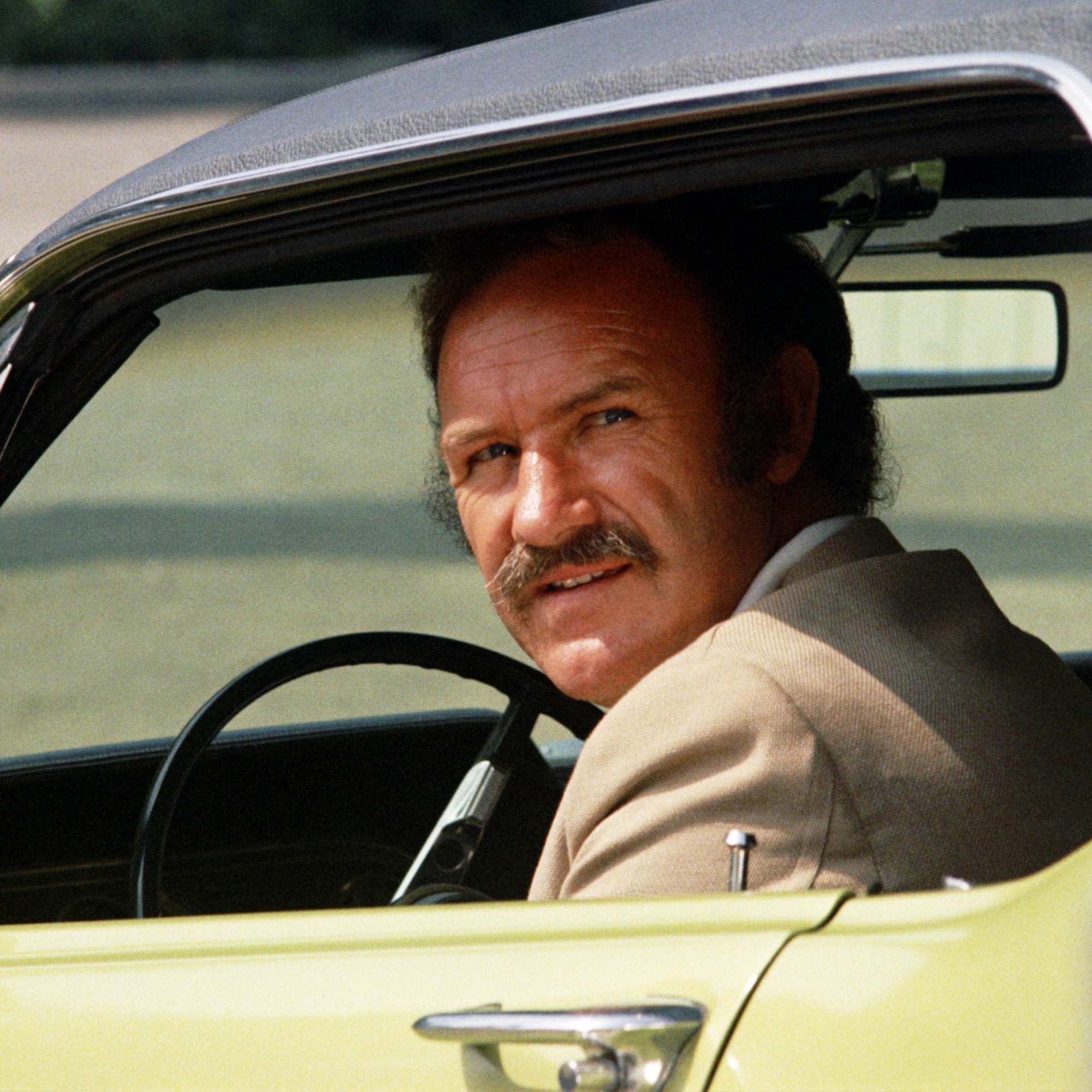
3. Night Moves (1975)
Genre: Mystery, Neo-Noir, Drama

4. Little Big Man (1970)
Genre: Revisionist Western, Comedy

5. The Chase (1966)
Genre: Drama, Crime

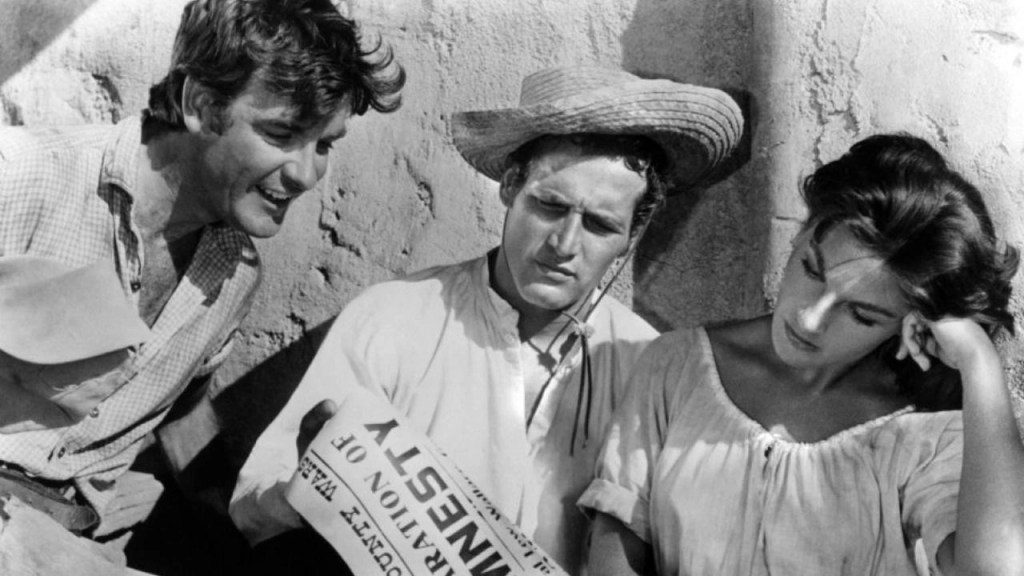
6. The Left-Handed Gun (1958)
Genre: Western
7. Four Friends (1981)
Genre: Comedy, Drama, Romance

8. Mickey One (1965)
Genre: Neo-Noir, Crime, Drama

9. The Missouri Breaks (1976)
Genre: Revisionist Western

10. Alice’s Restaraunt (1969)
Genre: Comedy, Drama
Arthur Penn: Themes and Style
Themes:
- Individualism and Rebellion: Penn was fascinated by individuals who existed on society’s margins or operated outside the conventional system. His protagonists often challenged the status quo, exemplifying traits of rebellion and non-conformity (e.g., Bonnie and Clyde).
- Social Commentary: His films often mirrored the societal shifts and conflicts of the time, providing commentary on issues like violence, sexual liberation, and the American Dream. Through his narratives, Penn critiqued established institutions and norms.
- Exploration of Violence: Violence played a pivotal role in Penn’s storytelling. Rather than glorifying it, he used it as a lens to explore the character’s psyche and societal dynamics. His portrayal of violence was stylistically innovative, influencing subsequent filmmakers.
- Search for Identity: Many of Penn’s films revolve around characters grappling with identity crises, often set against the backdrop of a society undergoing transformation. His narratives dive deep into the internal conflicts and struggles of the individual within or against society.
Styles
- Visual Style: Penn favoured a dynamic visual style, often utilising handheld camera techniques to create a sense of immediacy and realism. His compositions and use of colour were meticulous, serving to amplify the emotional depth of the narrative.
- Editing: Innovative editing techniques, like jump cuts and quick edits, were hallmarks of Penn’s style. These not only heightened the drama but also disoriented and engaged the audience in equal measure.
- Character Development: Penn’s directorial approach was deeply invested in developing complex, multifaceted characters. He worked closely with actors to extract nuanced performances that lent depth to the characters.
Directorial Signature
- Subversion of Genres: Penn had a knack for subverting traditional genre expectations, often blending drama with comedy or crime with romance to create films that were layered and unpredictable.
- Psychological Depth: His films often delved into the psychological complexities of the characters, providing audiences with a deeper understanding of their motivations and conflicts.
Arthur Penn: The 200th Greatest Director


 Bronze Screen Dream