
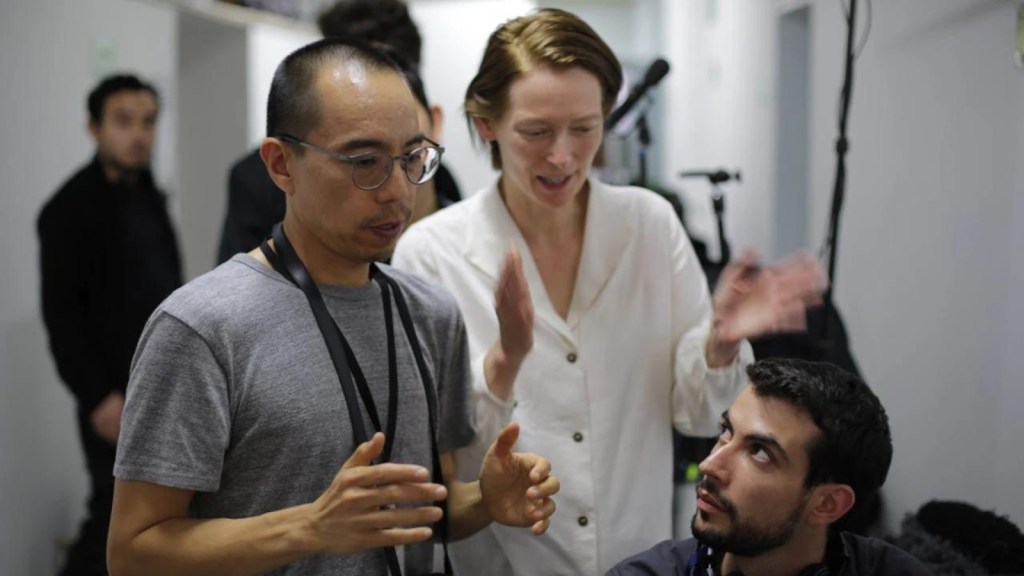
Apichatpong Weerasethakul is an internationally recognised Thai filmmaker renowned for his innovative approach to cinema. His oeuvre, distinguished by its nonlinearity, magical realism, and subtle engagement with social, political, and environmental themes, provides a fresh perspective on Thai culture, particularly rural life. As an openly gay director, Weerasethakul has significantly contributed to LGBTQ representation in cinema. His distinctive, immersive, and meditative viewing experience and his minimalist aesthetic make his films a sensory exploration of nature, memory, spirituality, mortality, and the human psyche.
Weerasethakul was born and raised in Thailand’s northeastern region of Isan, a rural area that frequently serves as the backdrop for his films. His journey into cinema started with his passion for architecture and visual arts. His initial film work began after his studies in Chicago, where he was exposed to experimental and independent films. This exposure profoundly influenced Weerasethakul’s artistic vision, leading to his distinctive filmmaking style, which incorporates elements of his personal experiences, memories, and the local folklore of his native region.
Weerasethakul’s films abandon conventional narrative structure, instead embracing a nonlinear and fragmented approach. His stories weave together reality and dreams, memories and fantasies, past and present, into a seamless narrative tapestry. This approach, combined with elements of magical realism, imbues his films with an ethereal quality. The ordinary becomes extraordinary as the mundane and fantastical blend together, blurring the boundaries between the two. This is evident in his critically acclaimed film Uncle Boonmee Who Can Recall His Past Lives.
Thailand’s Greatest Director
Weerasethakul’s focus on rural Thailand offers a unique portrayal of Thai culture and landscape rarely depicted in Thai cinema. This geographical focus is more than just a backdrop. It serves as a commentary on social, political, and environmental issues specific to this region, offering critique and commentary without being overtly political. His films engage the audience with the land, its people, and their stories, presenting a sensory cinema that experiments with light, sound, and texture to create a distinctive, immersive viewing experience.
His visual style embraces a minimalist aesthetic and pacing, emphasising stillness and silence. His films often employ long takes and naturalistic sound design, transforming the viewing experience into a contemplative meditation. The recurring themes of his work include nature, memory, spirituality, mortality, and the exploration of the human psyche. This is combined with a significant representation of LGBTQ+ characters and themes, a contribution that stems from Weerasethakul’s own experiences as an openly gay man.
Weerasethakul’s influence extends beyond Thailand, inspiring filmmakers worldwide. His innovative storytelling approach and blending of personal, cultural, and political themes have profoundly impacted global cinema. His work has resonated with directors like Mexico’s Carlos Reygadas and Portugal’s Miguel Gomes, who have cited him as an influence. His film Uncle Boonmee Who Can Recall His Past Lives won the Palme d’Or at the 2010 Cannes Film Festival, marking the first time a Thai film received the prestigious award. This recognition underscores Weerasethakul’s significant contribution to film history, reflecting his ability to bridge the gap between local narratives and global audiences.

Apichatpong Weerasethakul (1970 – -)
Calculated Films:
- Blissfully Yours (2002)
- Tropical Malady (2004)
- Syndromes and a Century (2006)
- Uncle Boonmee Who Can Recall His Past Lives (2010)
- Cemetery of Splendor (2015)
- Memoria (2021)
Similar Filmmakers
- Abbas Kiarostami
- Alain Resnais
- Andrei Tarkovsky
- Anocha Suwichakornpong
- Bela Tarr
- Bi Gan
- Pen-ek Ratanruang
- Rithy Panh
- Terrence Malick
- Tran Anh Hung
- Tsai Ming-liang
- Wong Kar-wai

Apichatpong Weerasethakul’s Top 10 Films Ranked
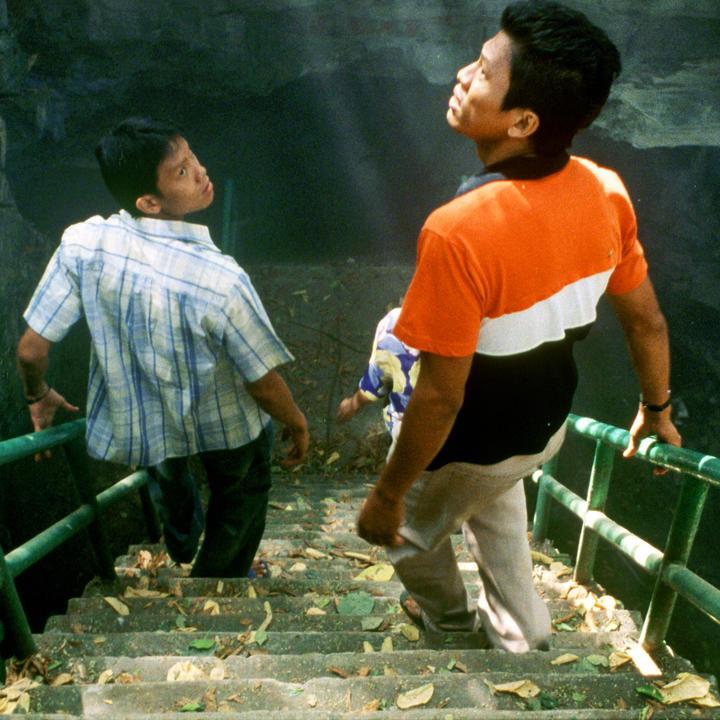
1. Tropical Malady (2004)
Genre: Romance, Drama, Low Fantasy, Slow Cinema, Magical Realism

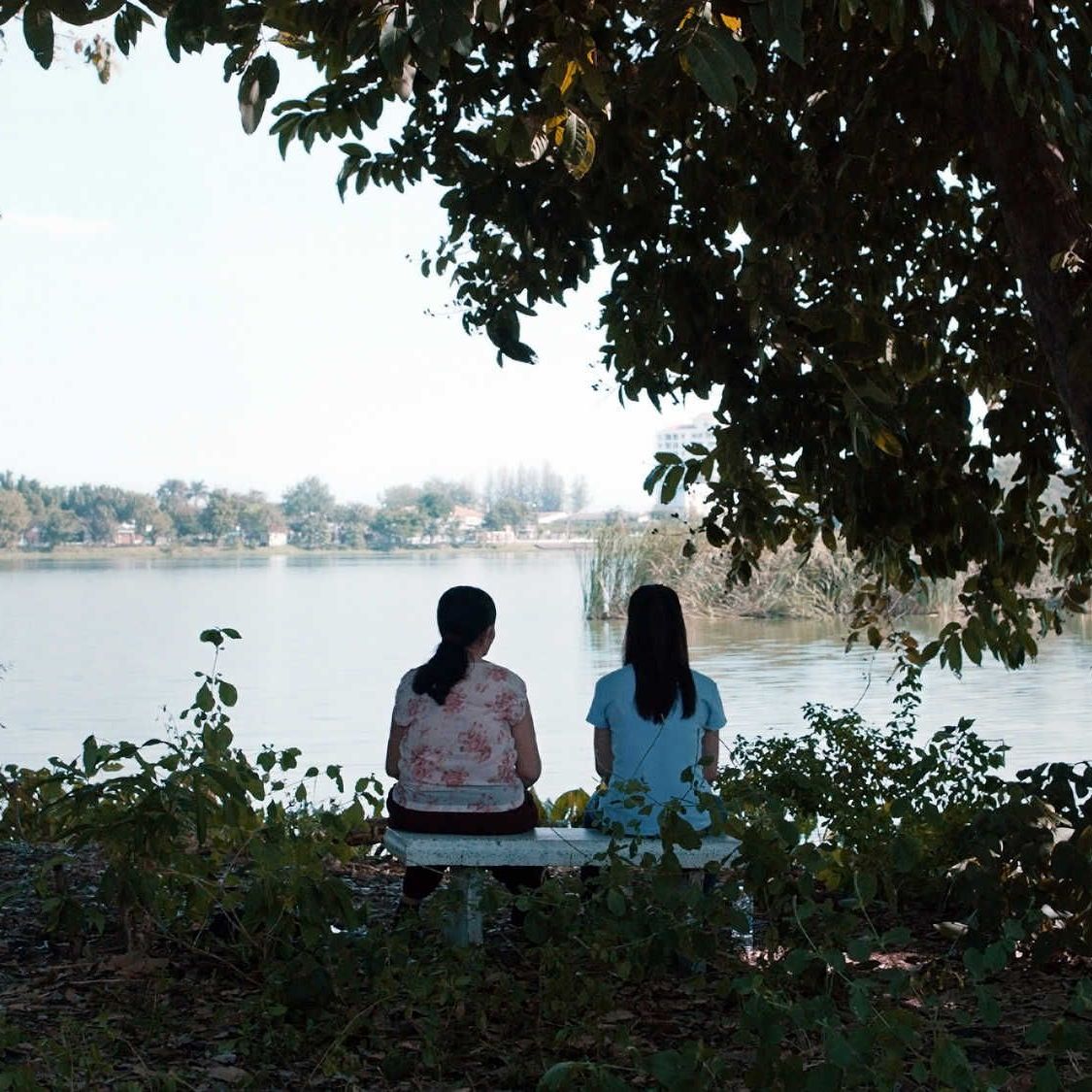
2. Syndromes and a Century (2006)
Genre: Slow Cinema, Slice of Life
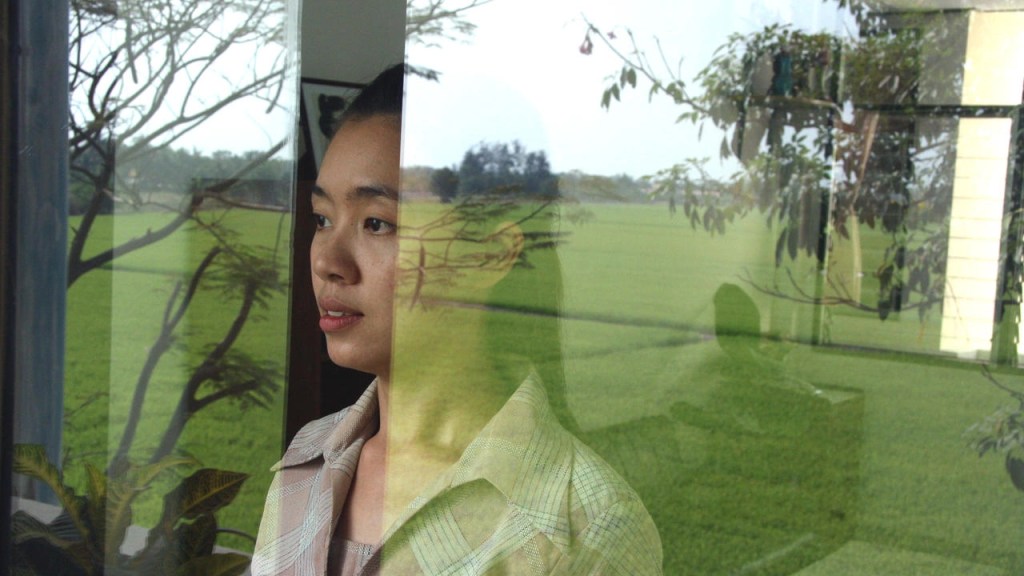
3. Blissfully Yours (2002)
Genre: Romance, Slow Cinema, Slice of Life

4. Uncle Boonmee Who Can Recall His Past Lives (2010)
Genre: Slow Cinema, Magical Realism, Low Fantasy

5. Cemetery of Splendor (2015)
Genre: Drama, Slow Cinema, Magical Realism, Low Fantasy

6. Mysterious Object at Noon (2000)
Genre: Cinema Verite, Docudrama

7. Memoria (2021)
Genre: Slow Cinema, Psychological Drama

8. Phantoms of Nabua (2009)
Genre: Experimental

9. A Letter To Uncle Boonmee (2009)
Genre: Essay Film, Experimental, Slow Cinema
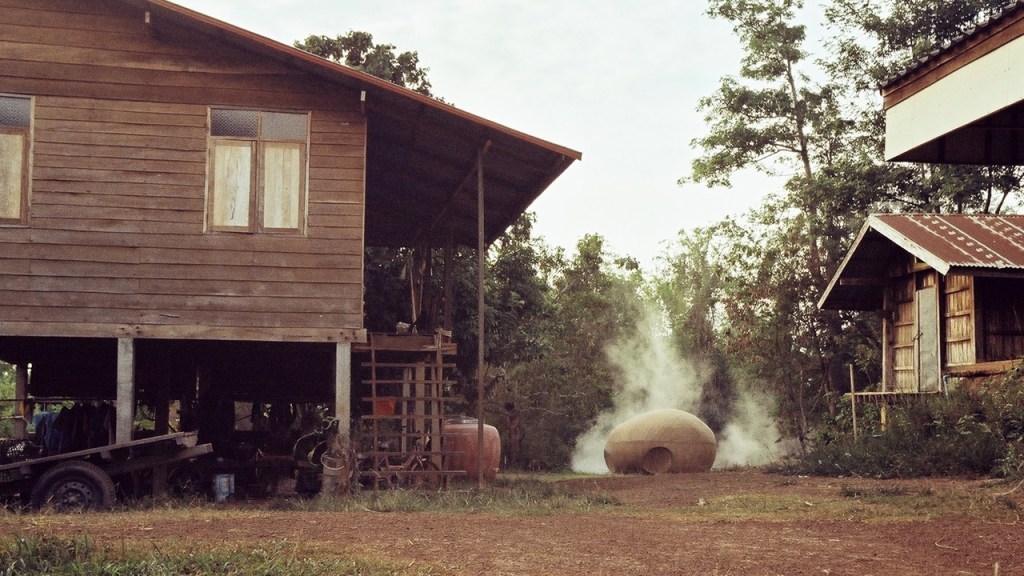
10. Blue (2018)
Genre: Surrealism, Trick Film

Apichatpong Weerasethakul: Themes and Style
Themes:
- Spirituality and Supernatural: Apichatpong’s films, such as Uncle Boonmee Who Can Recall His Past Lives, often explore the connection between the spiritual realm and the mundane world, where ghosts and mythical creatures are part of everyday life.
- Memory and Personal History: He delves into the themes of memory and personal history, as seen in Syndromes and a Century, where characters’ pasts are intertwined with their present, suggesting a non-linear perception of time.
- Rural vs. Urban Life: The contrast between rural and urban life is a recurring subject. Films like Blissfully Yours portray the tranquillity of the countryside juxtaposed with the complexity and chaos of urban environments.
- Political Commentary: Although subtle, his work often contains implicit political commentary about Thailand’s history and social issues, as evidenced in the layered narratives of Cemetery of Splendour.
- Nature and Environment: The lush landscapes of Thailand are not just backdrops but active elements in his stories, reflecting the characters’ emotions and narratives, a theme that resonates in Tropical Malady.
Styles:
- Dreamlike Narrative Structure: Apichatpong’s storytelling is characterised by a dreamlike, often non-linear narrative that defies conventional plot structures, inviting viewers into a surreal experience as in Uncle Boonmee Who Can Recall His Past Lives.
- Long Takes and Natural Sound: He frequently uses long takes and ambient sounds to create a meditative pace, allowing the viewer to fully inhabit the moment and environment, evident in Syndromes and a Century.
- Juxtaposition of Myth and Reality: His style often includes the seamless integration of mythological elements into realistic settings, blurring the lines between fact and folklore, as seen in Tropical Malady.
- Minimalist Dialogue: Dialogue in Apichatpong’s films is often sparse and understated, placing greater emphasis on the visual and auditory experience to convey the story, like in Blissfully Yours.
- Lyrical Visuals: His cinematography is noted for its beauty and lyricism, often capturing the tranquil and timeless aspects of Thai landscapes and everyday life, which is a distinctive feature in Cemetery of Splendour.
Directorial Signature:
- Personal and Local Casting: Apichatpong is known for casting non-professional actors from local areas, which lends authenticity to his depiction of Thai culture and people, as in Uncle Boonmee Who Can Recall His Past Lives.
- Integration of Personal Experience: His films are deeply personal, often reflecting his own experiences and observations, which adds a layer of intimacy to works like Syndromes and a Century.
- Exploration of Dualities: He often explores dualities—urban and rural, spiritual and physical, modern and ancient—inviting contemplation on the balance and tension between these worlds, a central theme in Tropical Malady.
- Innovative Soundscapes: Apichatpong uses innovative sound design to create a sensory experience that complements the visual storytelling, often becoming a narrative tool in itself, as in Cemetery of Splendour.
- Engagement with Thai Culture: His work consistently engages with Thai culture, traditions, and history, providing a commentary that is both specific to its context and universal in its themes, as seen in Blissfully Yours.
Apichatpong Weerasethakul: The 62nd Greatest Director


 Bronze Screen Dream